Cellular Degradation Biology Center, College of Medicine, Seoul National University, Seoul, 03080, Republic of Korea; Department of Biomedical Sciences, College of Medicine, Seoul National University, Seoul, 03080, Republic of Korea.
Cellular Degradation Biology Center, College of Medicine, Seoul National University, Seoul, 03080, Republic of Korea; Department of Biomedical Sciences, College of Medicine, Seoul National University, Seoul, 03080, Republic of Korea; AUTOTAC Bio Inc., Changgyeonggung-Ro 254, Jongno-Gu, Seoul, 03077, Republic of Korea.
Metabolism. 2023 Sep;146:155644. doi: 10.1016/j.metabol.2023.155644. Epub 2023 Jun 28.
Central to the pathogenesis of nonalcoholic fatty liver disease (NAFLD) is the accumulation of lipids in the liver and various fat tissues. We aimed to elucidate the mechanisms by which lipid droplets (LDs) in the liver and adipocytes are degraded by the autophagy-lysosome system and develop therapeutic means to modulate lipophagy, i.e., autophagic degradation of LDs.
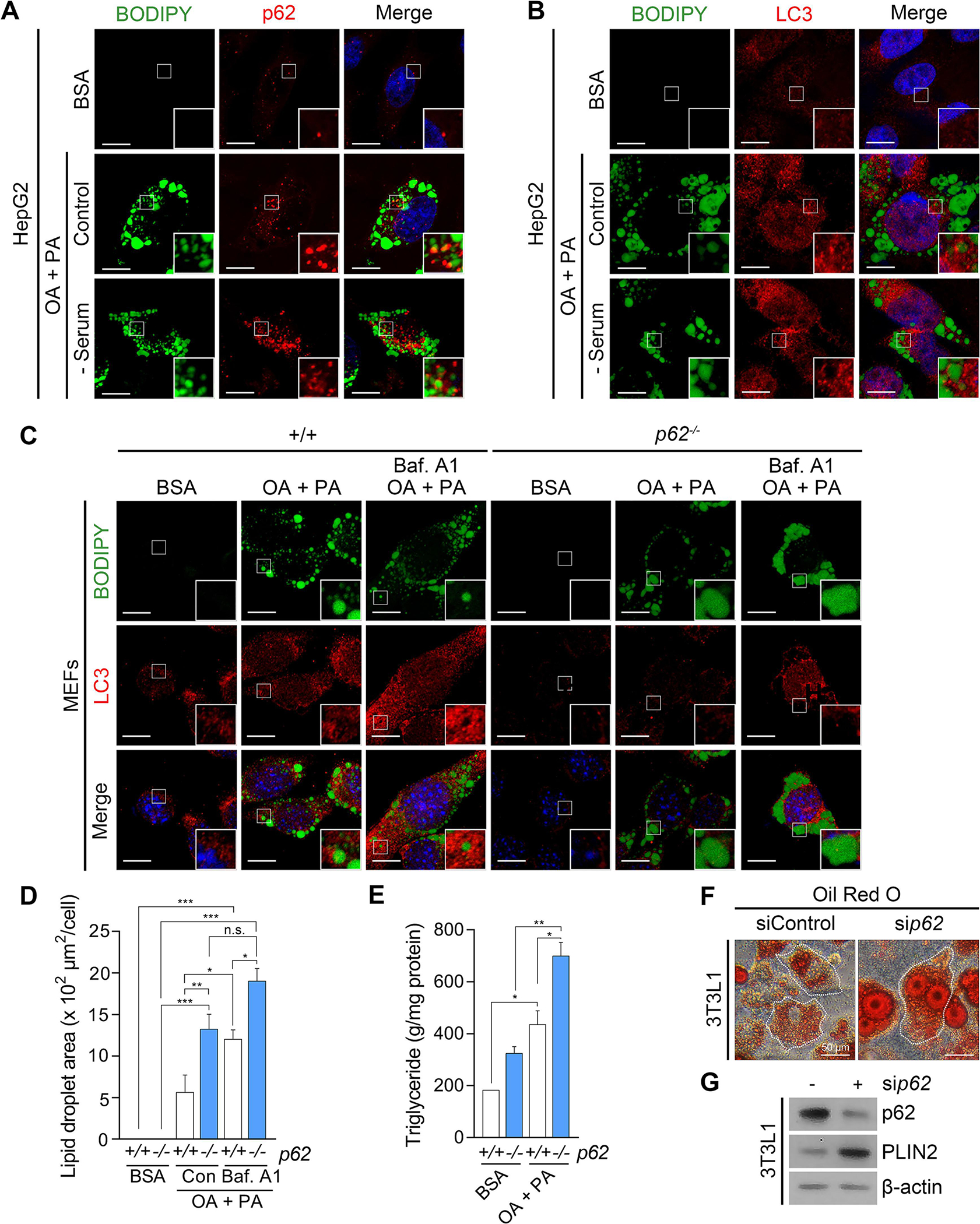
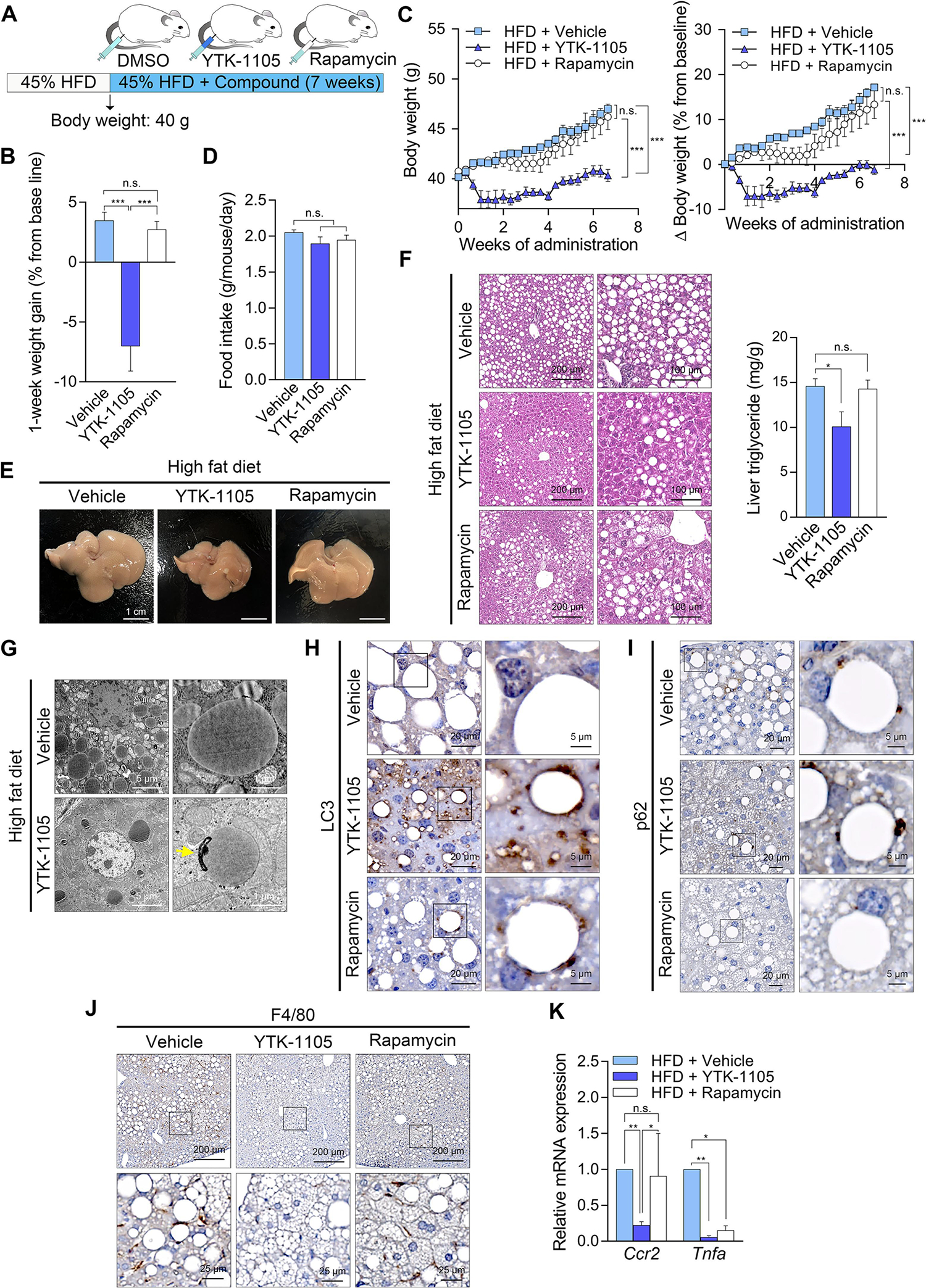
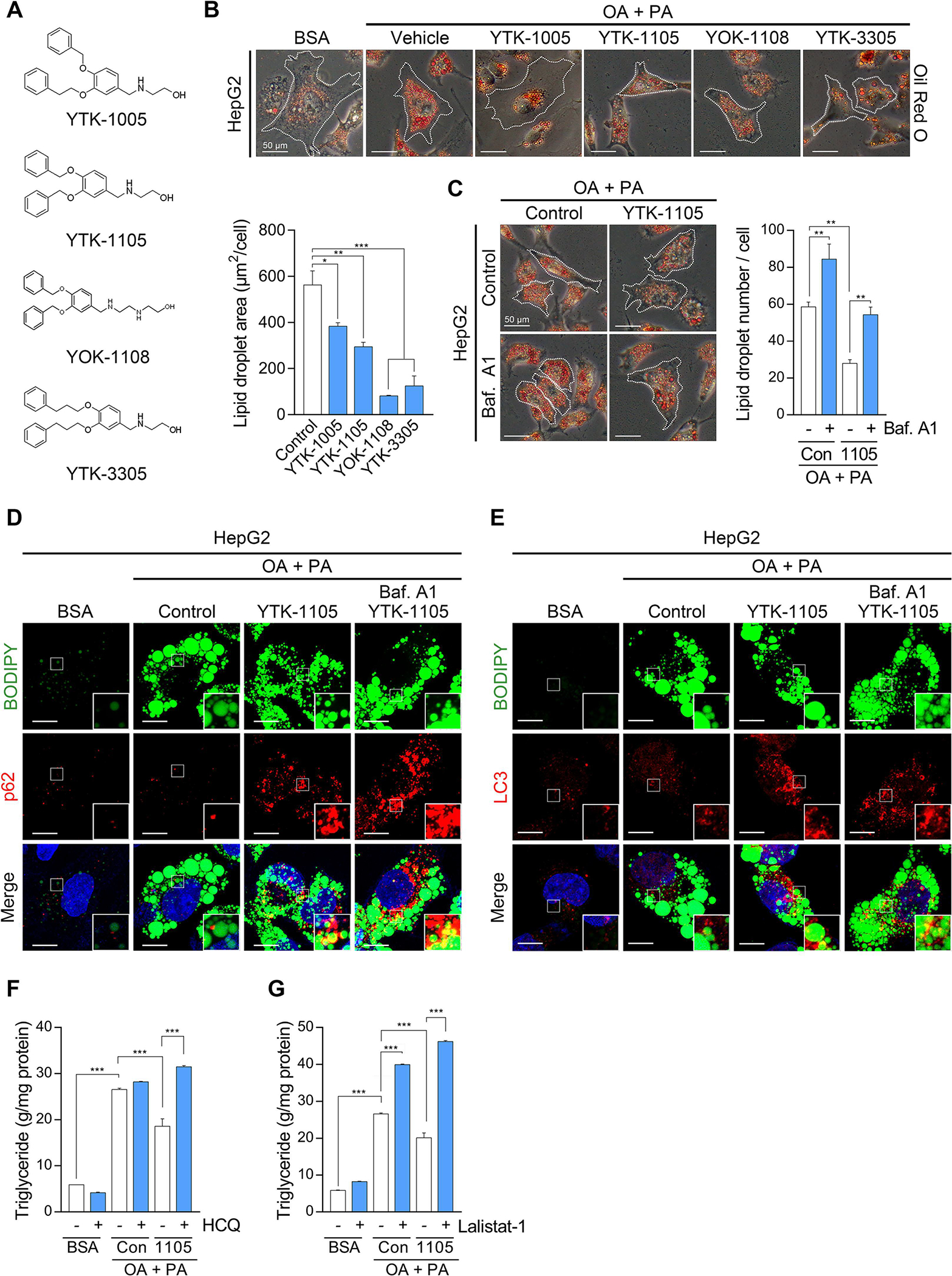
We monitored the process in which LDs are pinched off by autophagic membranes and degraded by lysosomal hydrolases in cultured cells and mice. The autophagic receptor p62/SQSTM-1/Sequestosome-1 was identified as a key regulator and used as a target to develop drugs to induce lipophagy. The efficacy of p62 agonists was validated in mice to treat hepatosteatosis and obesity.
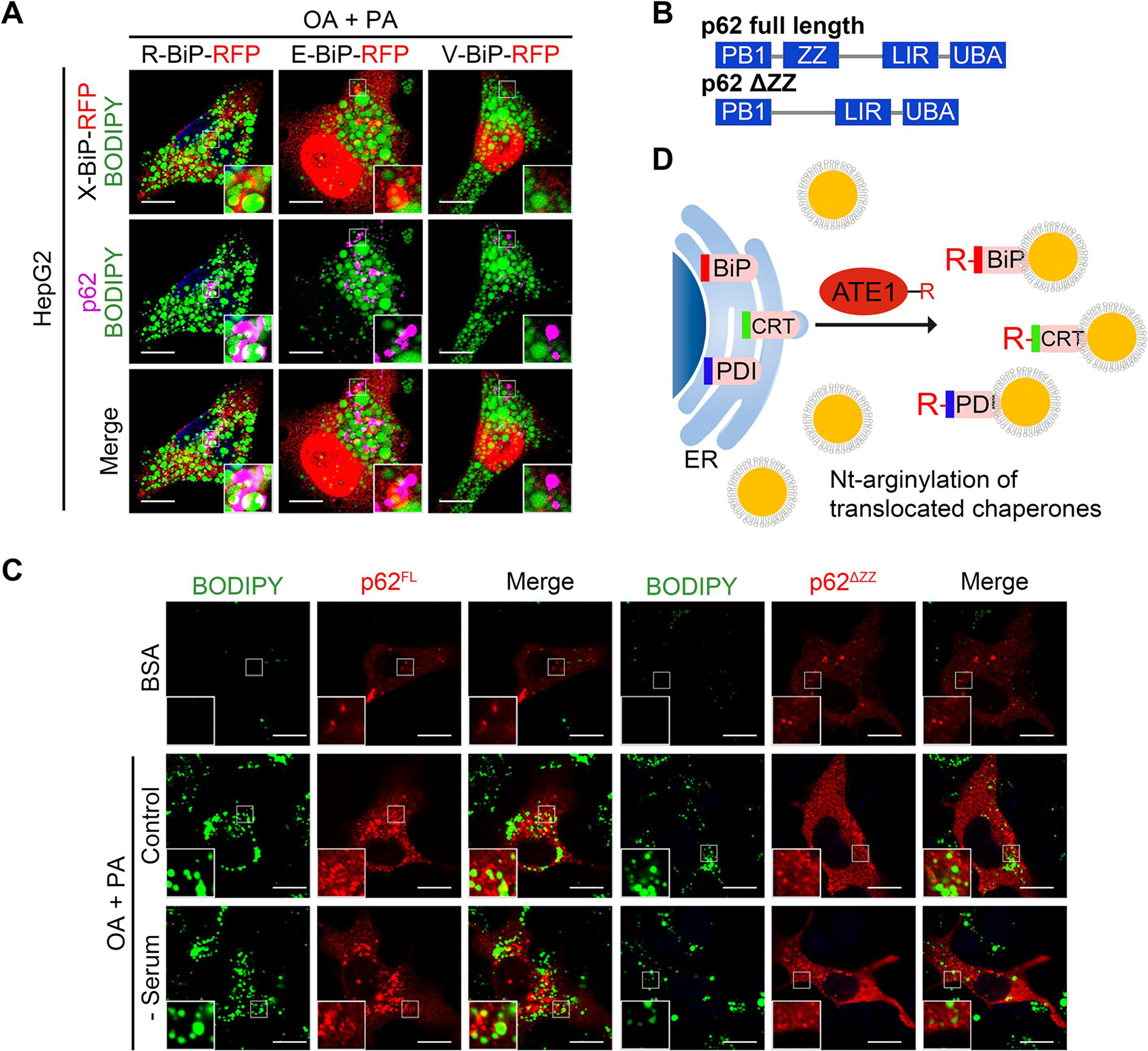
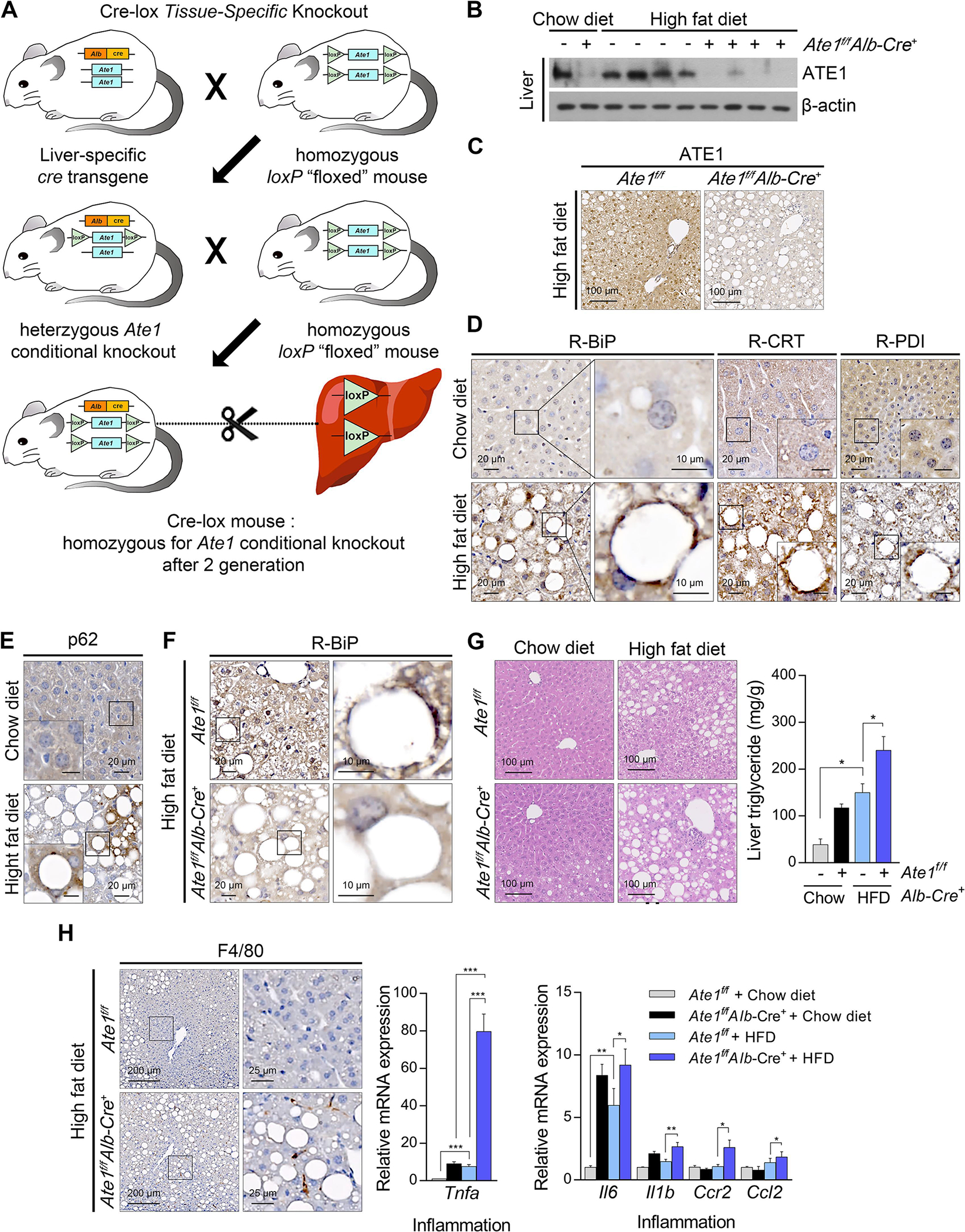
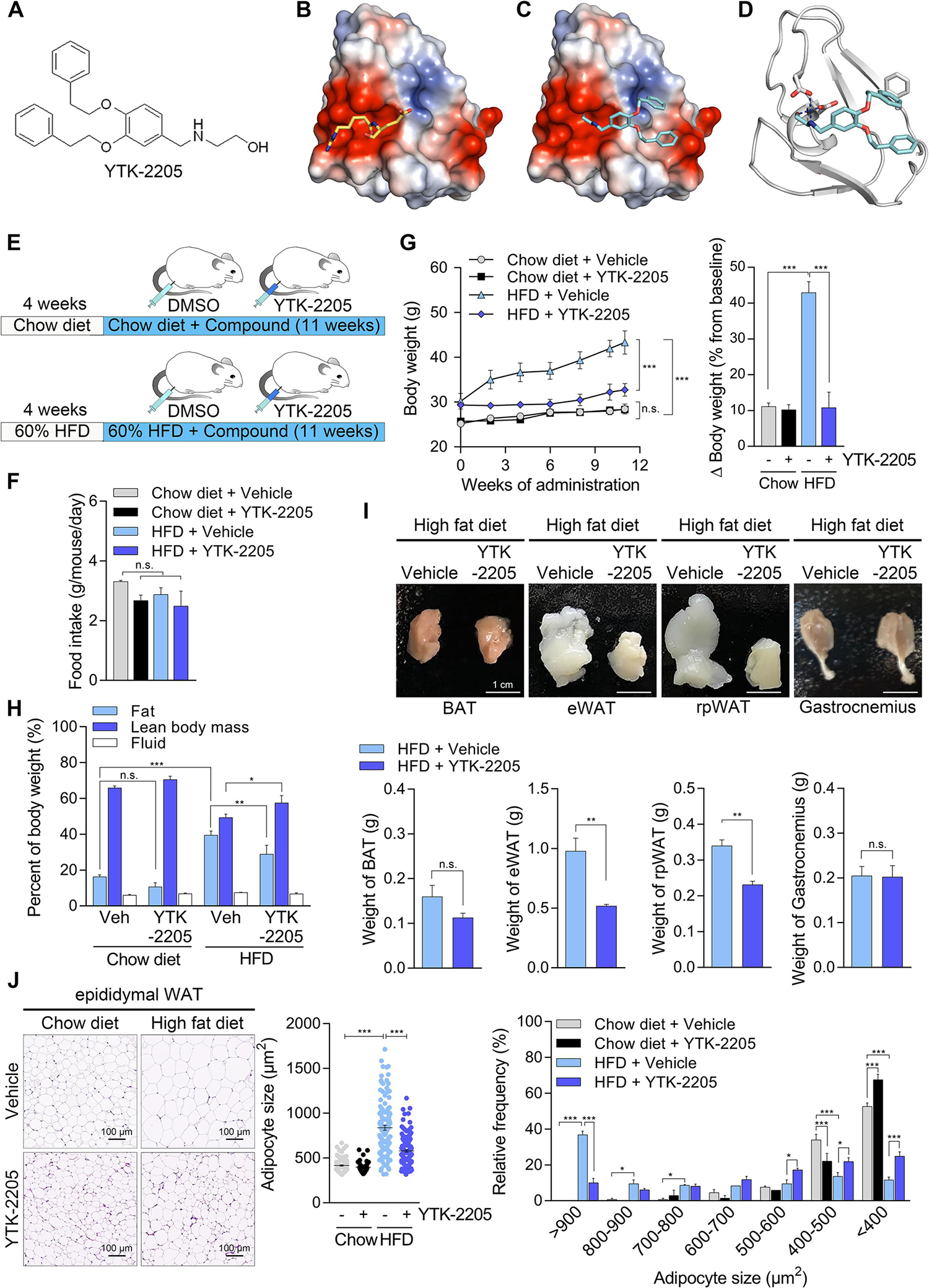
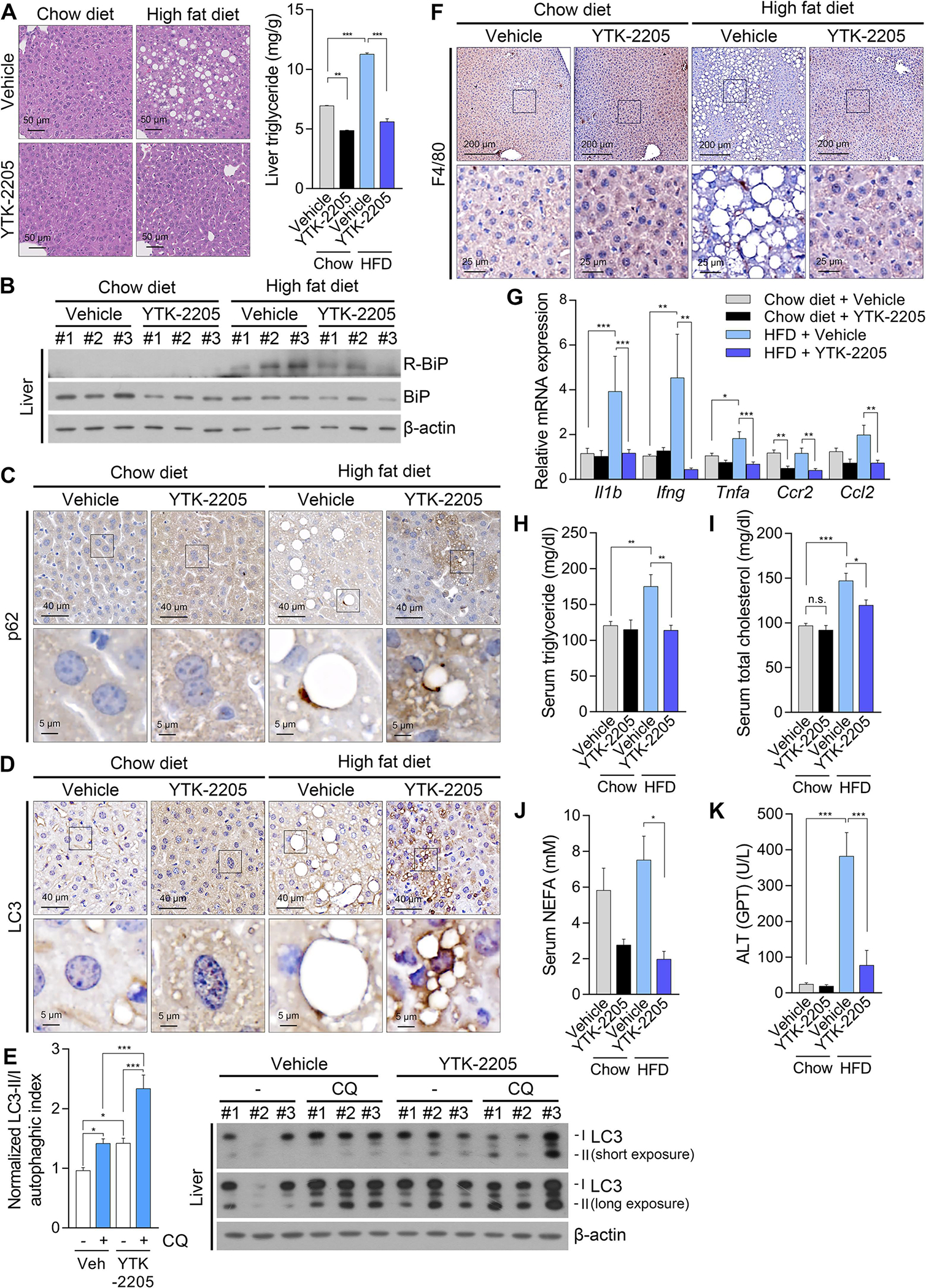
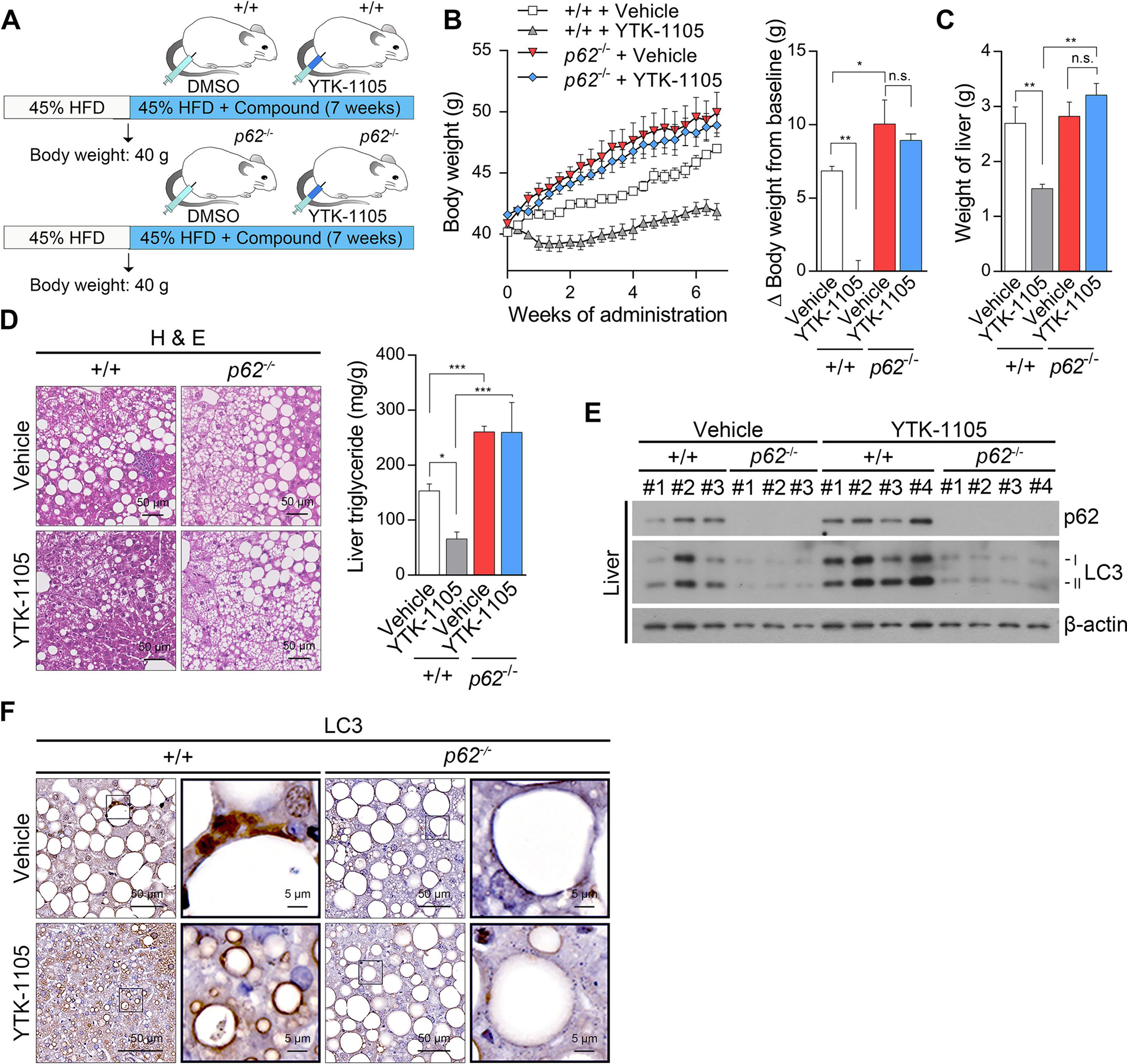
We found that the N-degron pathway modulates lipophagy. This autophagic degradation initiates when the molecular chaperones including BiP/GRP78, retro-translocated from the endoplasmic reticulum, is N-terminally (Nt-) arginylated by ATE1 R-transferase. The resulting Nt-arginine (Nt-Arg) binds the ZZ domain of p62 associated with LDs. Upon binding to Nt-Arg, p62 undergoes self-polymerization and recruits LC3 phagophores to the site of lipophagy, leading to lysosomal degradation. Liver-specific Ate1 conditional knockout mice under high fat diet developed severe NAFLD. The Nt-Arg was modified into small molecule agonists to p62 that facilitate lipophagy in mice and exerted therapeutic efficacy in obesity and hepatosteatosis of wild-type but not p62 knockout mice.
Our results show that the N-degron pathway modulates lipophagy and provide p62 as a drug target to treat NAFLD and other diseases related with metabolic syndrome.
非酒精性脂肪性肝病(NAFLD)的发病机制核心是肝脏和各种脂肪组织中脂质的积累。我们旨在阐明肝内和脂肪细胞内的脂滴(LDs)通过自噬溶酶体系统降解的机制,并开发调节脂噬作用(即 LD 的自噬降解)的治疗方法。
我们在培养的细胞和小鼠中监测了自噬膜包裹 LD 并被溶酶体水解酶降解的过程。自噬受体 p62/SQSTM-1/Sequestosome-1 被鉴定为关键调节因子,并被用作开发诱导脂噬作用的药物的靶点。p62 激动剂在小鼠中的疗效已被验证可用于治疗肝脂肪变性和肥胖。
我们发现 N 末端(Nt-)精氨酸化途径调节脂噬作用。这种自噬降解始于分子伴侣,包括从内质网反向转运的 BiP/GRP78,被 ATE1 R-转移酶 N 末端(Nt-)精氨酸化。所得的 Nt-精氨酸(Nt-Arg)与与 LD 相关的 p62 的 ZZ 结构域结合。与 Nt-Arg 结合后,p62 发生自聚合并募集 LC3 噬菌斑到脂噬作用部位,导致溶酶体降解。高脂肪饮食下的肝特异性 Ate1 条件性敲除小鼠发生严重的 NAFLD。Nt-Arg 被修饰成小分子激动剂,可促进小鼠的脂噬作用,并对野生型肥胖和肝脂肪变性具有治疗作用,但对 p62 敲除小鼠无效。
我们的结果表明,N 末端降解途径调节脂噬作用,并提供 p62 作为治疗 NAFLD 和其他与代谢综合征相关疾病的药物靶点。