Department of Pharmacology, University of Colorado School of Medicine, Aurora, CO, 80045, USA.
Protein Metabolism Medical Research Center and Department of Biomedical Sciences, College of Medicine, Seoul National University, Seoul, 03080, Republic of Korea.
Nat Commun. 2018 Oct 22;9(1):4373. doi: 10.1038/s41467-018-06878-8.
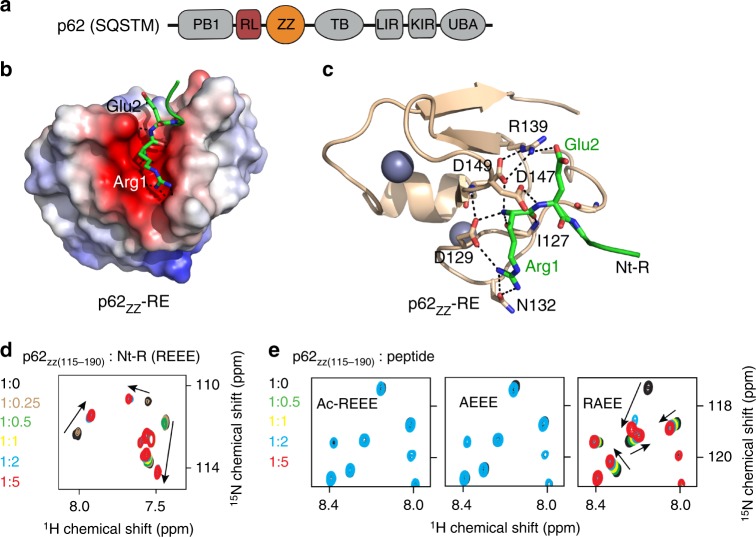
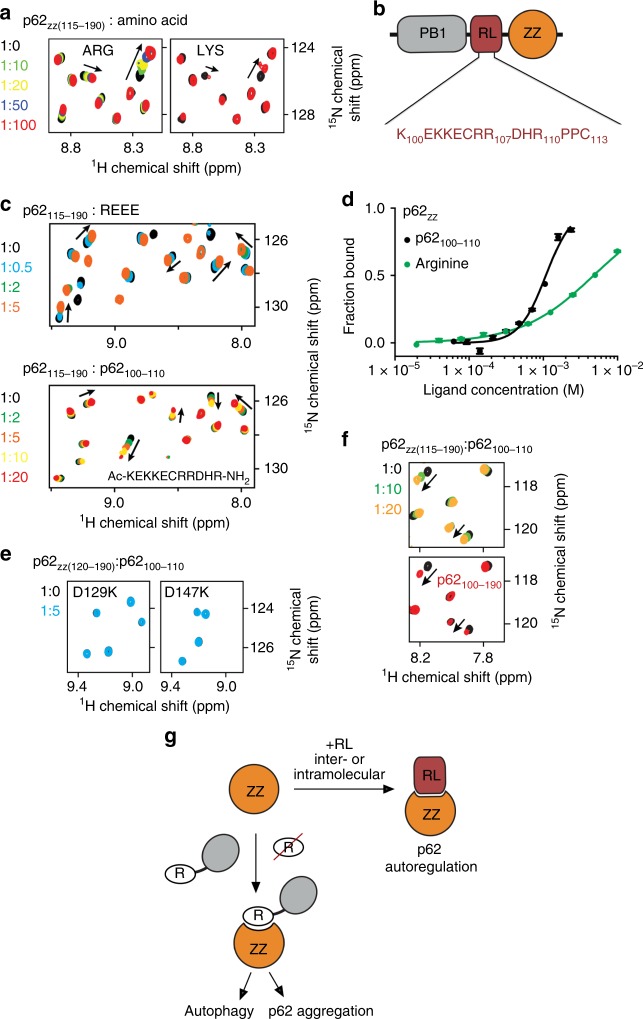
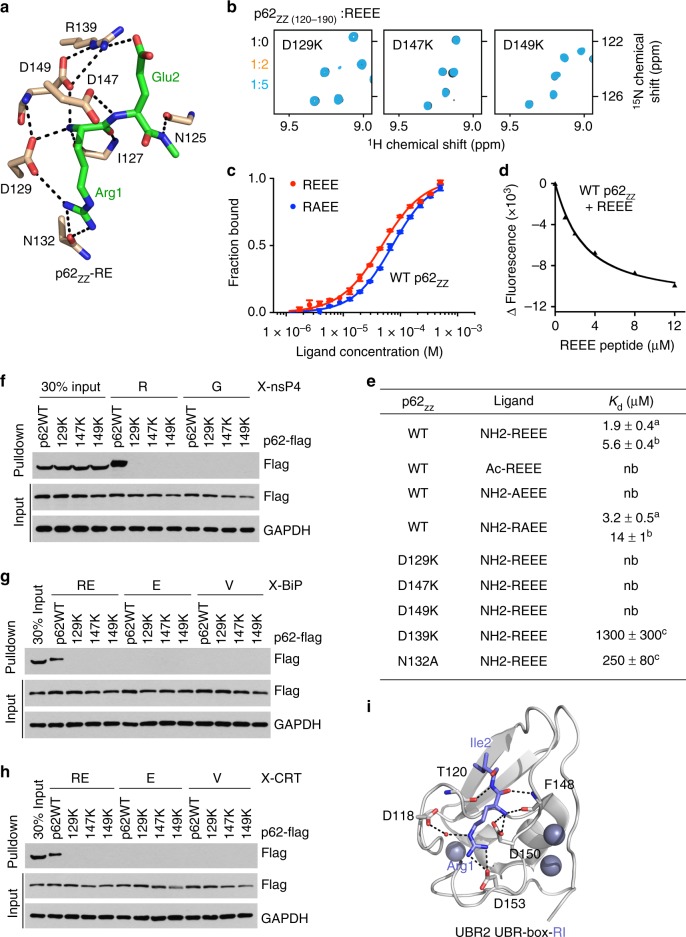
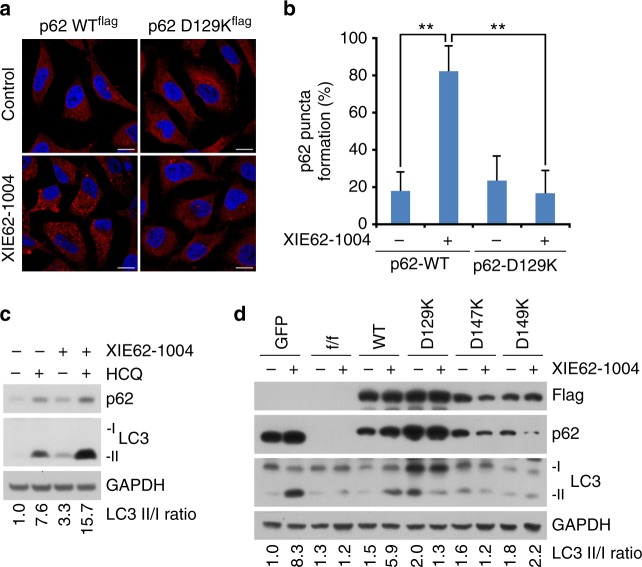
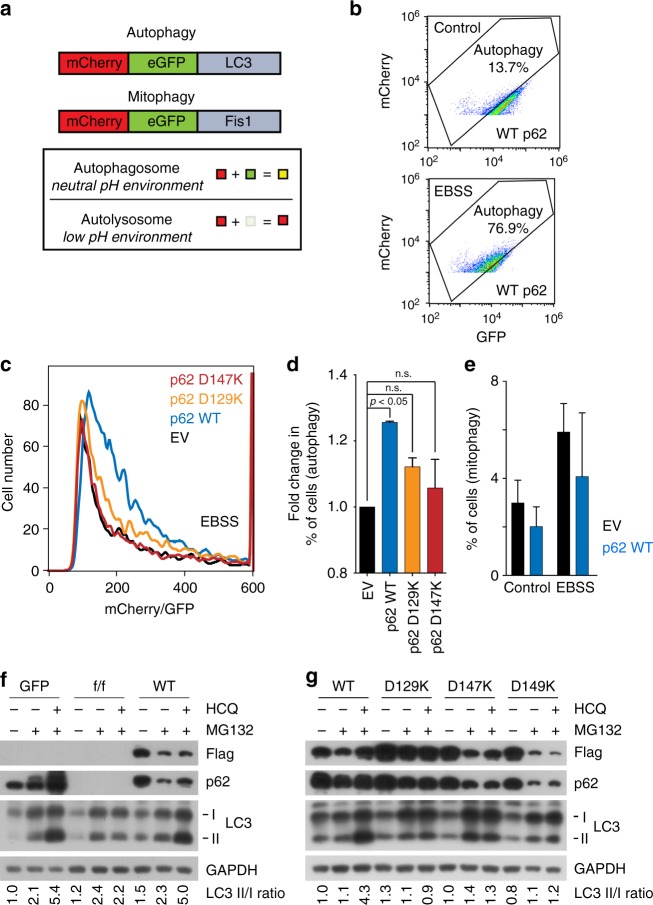
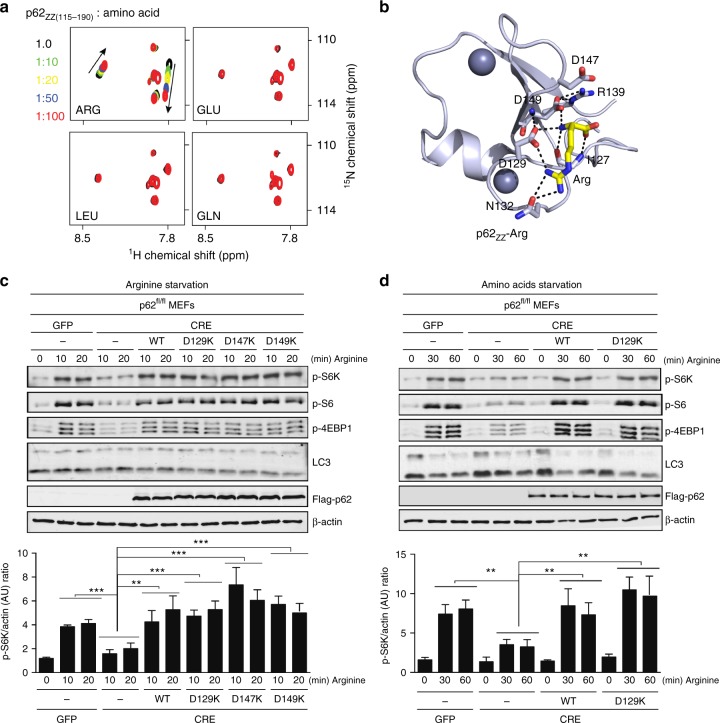
Autophagic receptor p62 is a critical mediator of cell detoxification, stress response, and metabolic programs and is commonly deregulated in human diseases. The diverse functions of p62 arise from its ability to interact with a large set of ligands, such as arginylated (Nt-R) substrates. Here, we describe the structural mechanism for selective recognition of Nt-R by the ZZ domain of p62 (p62). We show that binding of p62 to Nt-R substrates stimulates p62 aggregation and macroautophagy and is required for autophagic targeting of p62. p62 is essential for mTORC1 activation in response to arginine, but it is not a direct sensor of free arginine in the mTORC1 pathway. We identified a regulatory linker (RL) region in p62 that binds p62 in vitro and may modulate p62 function. Our findings shed new light on the mechanistic and functional significance of the major cytosolic adaptor protein p62 in two fundamental signaling pathways.
自噬受体 p62 是细胞解毒、应激反应和代谢途径的关键介质,在人类疾病中通常失调。p62 的多种功能源于其与大量配体相互作用的能力,例如精氨酸化(Nt-R)底物。在这里,我们描述了 p62(p62)的 ZZ 结构域选择性识别 Nt-R 的结构机制。我们表明,p62 与 Nt-R 底物的结合刺激 p62 聚集和巨自噬,并需要 p62 的自噬靶向。p62 对于响应精氨酸激活 mTORC1 是必不可少的,但它不是 mTORC1 途径中游离精氨酸的直接传感器。我们在 p62 中鉴定出一个调节连接(RL)区域,该区域在体外与 p62 结合,并可能调节 p62 的功能。我们的发现为主要细胞溶质衔接蛋白 p62 在两条基本信号通路中的机制和功能意义提供了新的认识。