Li Kexin, Sun Xun, Li Hudie, Ma Hailan, Zhou Meng, Minami Kazumasa, Tamari Keisuke, Ogawa Kazuhiko, Pandya Pankita H, Saadatzadeh M Reza, Kacena Melissa A, Pollok Karen E, Li Bai-Yan, Yokota Hiroki
Department of Pharmacology, School of Pharmacy, Harbin Medical University, Harbin, Heilongjiang 150081, China.
Department of Biomedical Engineering, Indiana University Purdue University Indianapolis, Indianapolis, IN 46202, USA.
Genes Dis. 2022 Aug 28;10(4):1641-1656. doi: 10.1016/j.gendis.2022.08.007. eCollection 2023 Jul.
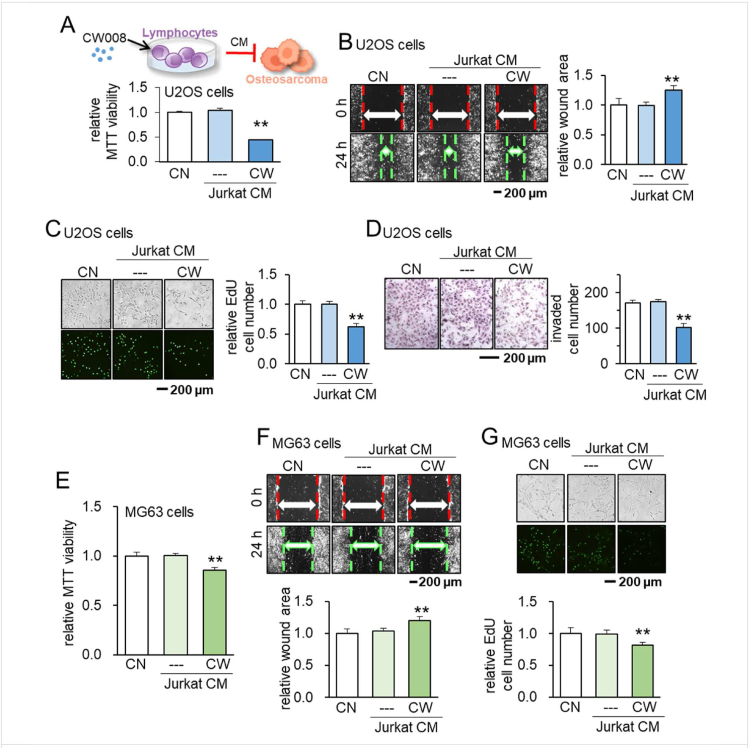
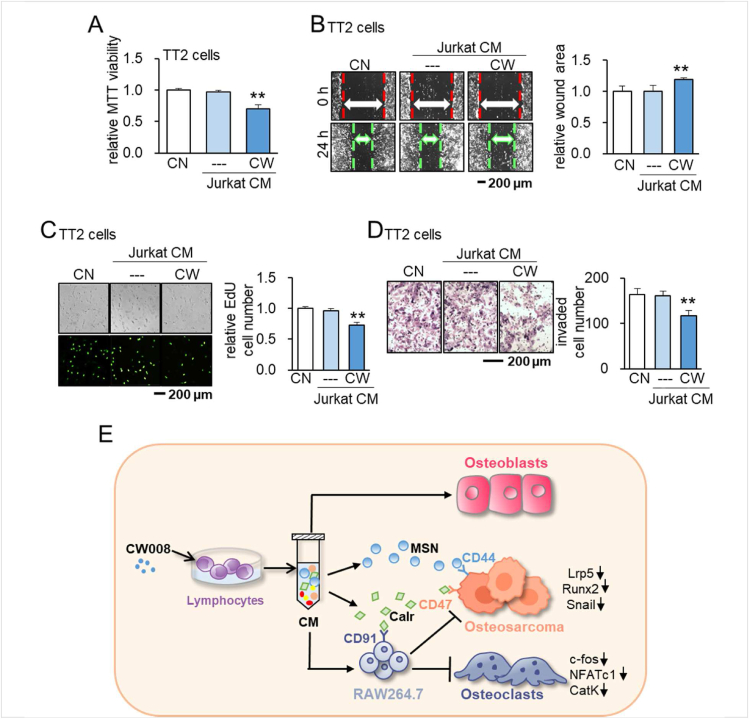
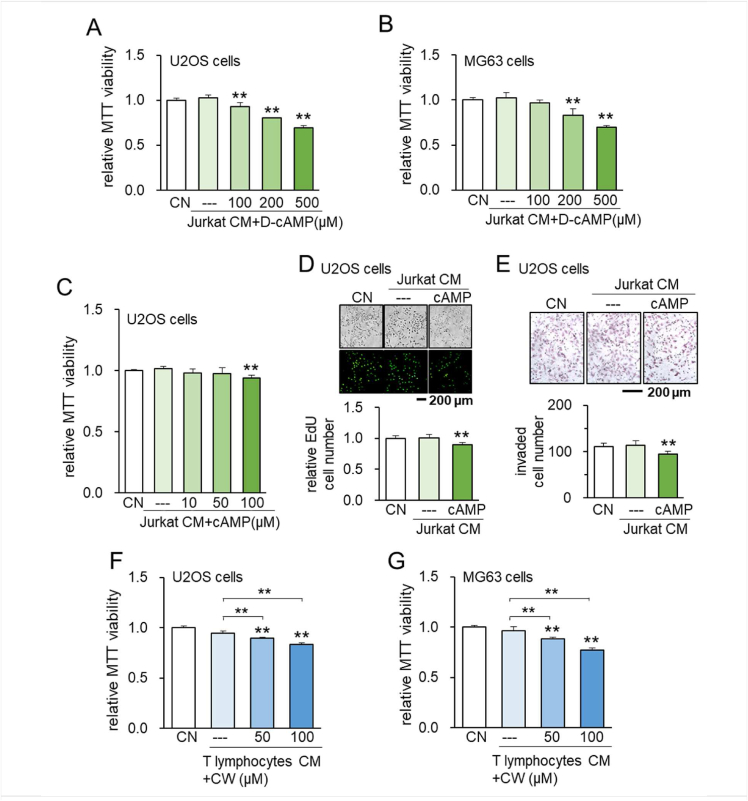
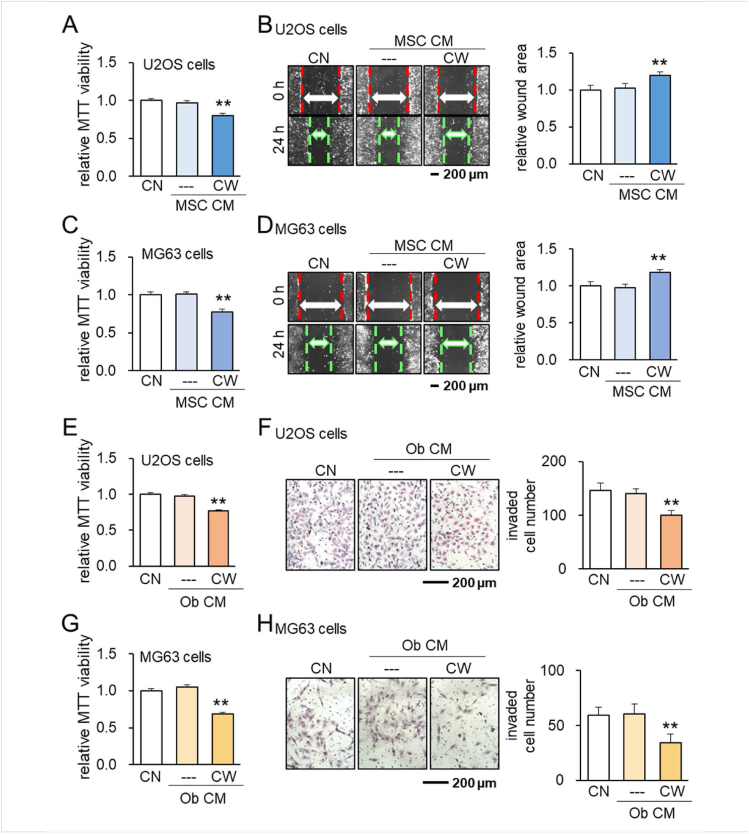
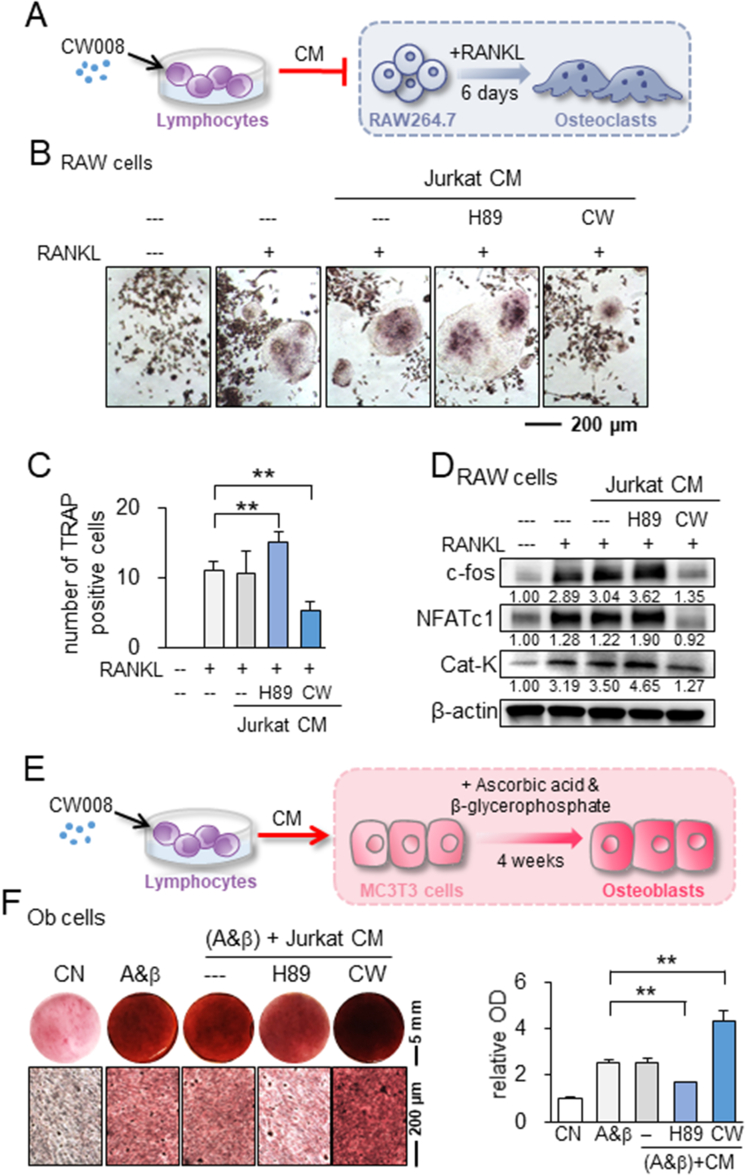
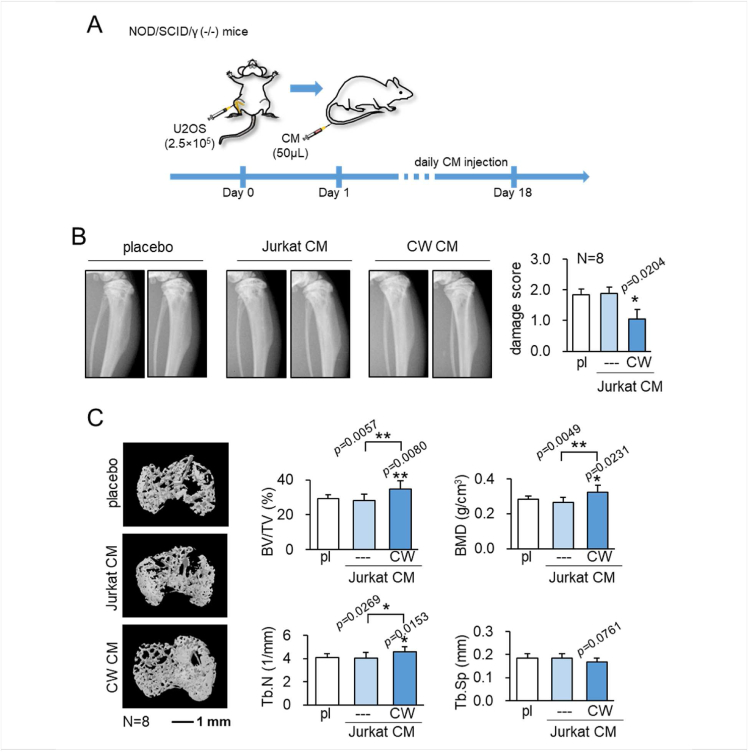
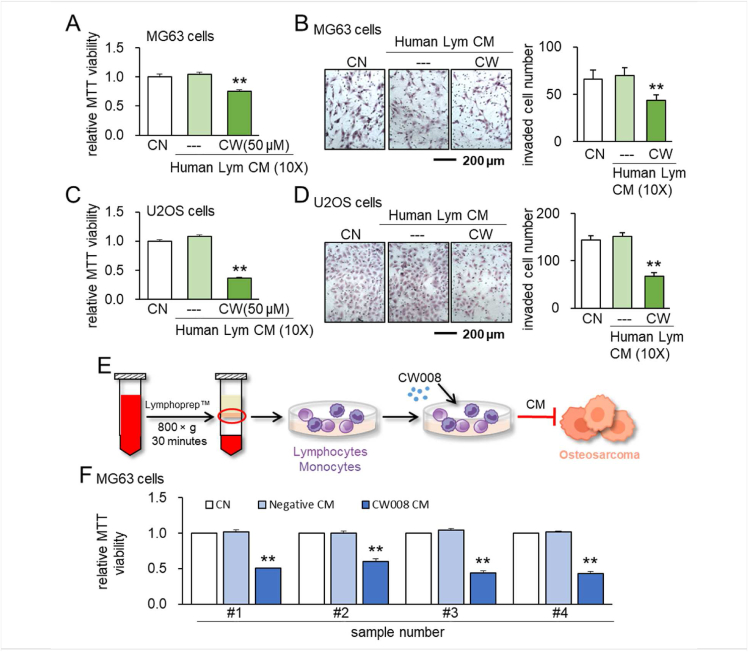
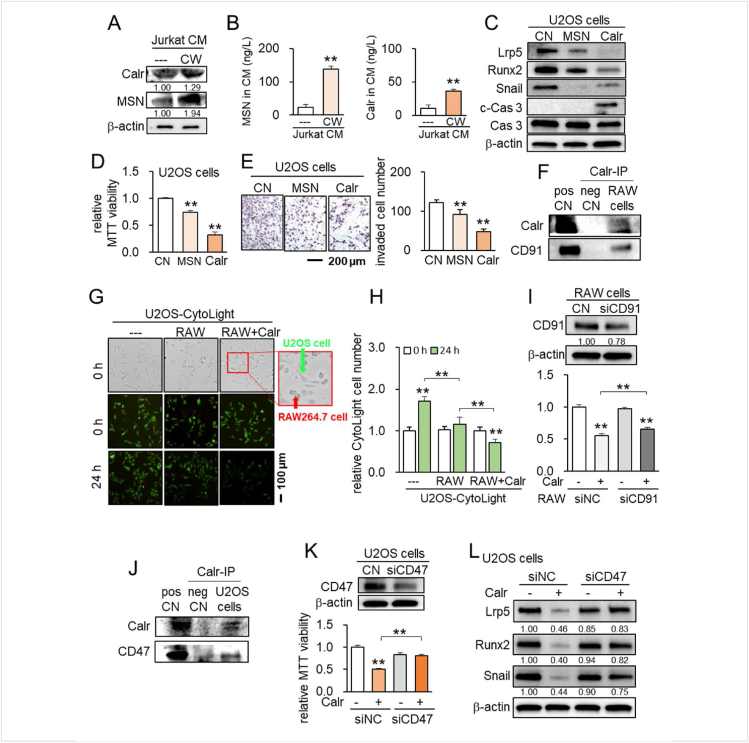
Cancer cells tend to develop resistance to chemotherapy and enhance aggressiveness. A counterintuitive approach is to tame aggressiveness by an agent that acts opposite to chemotherapeutic agents. Based on this strategy, induced tumor-suppressing cells (iTSCs) have been generated from tumor cells and mesenchymal stem cells. Here, we examined the possibility of generating iTSCs from lymphocytes by activating PKA signaling for suppressing the progression of osteosarcoma (OS). While lymphocyte-derived CM did not present anti-tumor capabilities, the activation of PKA converted them into iTSCs. Inhibiting PKA conversely generated tumor-promotive secretomes. In a mouse model, PKA-activated CM suppressed tumor-induced bone destruction. Proteomics analysis revealed that moesin (MSN) and calreticulin (Calr), which are highly expressed intracellular proteins in many cancers, were enriched in PKA-activated CM, and they acted as extracellular tumor suppressors through CD44, CD47, and CD91. The study presented a unique option for cancer treatment by generating iTSCs that secret tumor-suppressive proteins such as MSN and Calr. We envision that identifying these tumor suppressors and predicting their binding partners such as CD44, which is an FDA-approved oncogenic target to be inhibited, may contribute to developing targeted protein therapy.
癌细胞往往会对化疗产生耐药性并增强侵袭性。一种与直觉相反的方法是使用一种作用与化疗药物相反的药物来抑制侵袭性。基于这一策略,已从肿瘤细胞和间充质干细胞中产生了诱导性肿瘤抑制细胞(iTSCs)。在此,我们研究了通过激活蛋白激酶A(PKA)信号通路来抑制骨肉瘤(OS)进展,从而从淋巴细胞中产生iTSCs的可能性。虽然淋巴细胞来源的条件培养基(CM)没有抗肿瘤能力,但PKA的激活将它们转化为了iTSCs。相反,抑制PKA会产生促肿瘤分泌组。在小鼠模型中,PKA激活的CM抑制了肿瘤诱导的骨破坏。蛋白质组学分析表明,在许多癌症中细胞内高表达的肌动蛋白结合蛋白(MSN)和钙网蛋白(Calr)在PKA激活的CM中富集,它们通过CD44、CD47和CD91作为细胞外肿瘤抑制因子发挥作用。该研究通过产生分泌MSN和Calr等肿瘤抑制蛋白的iTSCs,为癌症治疗提供了一种独特的选择。我们设想,识别这些肿瘤抑制因子并预测它们的结合伙伴,如CD44(一种已获美国食品药品监督管理局批准的致癌靶点,需被抑制),可能有助于开发靶向蛋白疗法。