Michaelsen Maren M, Esch Tobias
Institute for Integrative Health Care and Health Promotion, Faculty of Health, Witten/Herdecke University, Witten, Germany.
Front Behav Neurosci. 2023 Jun 19;17:1151918. doi: 10.3389/fnbeh.2023.1151918. eCollection 2023.
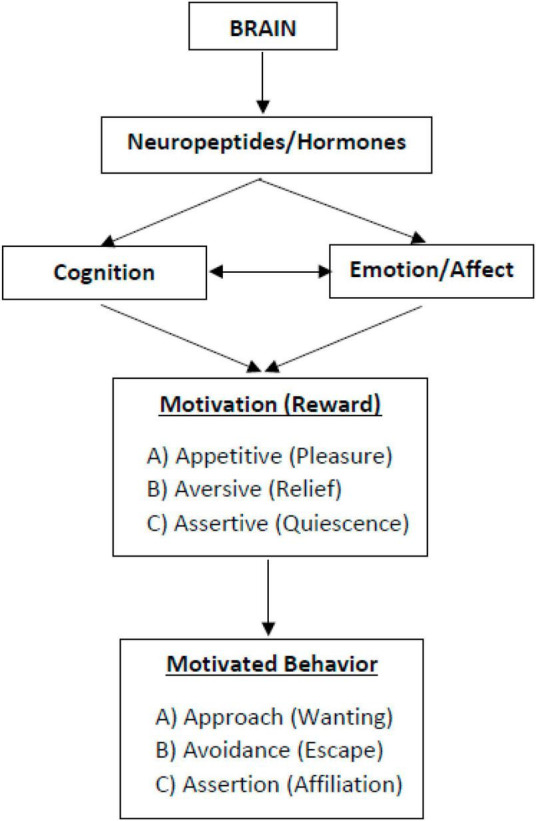
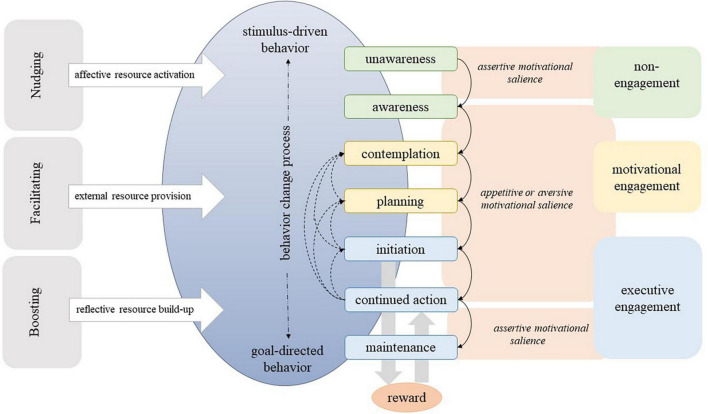
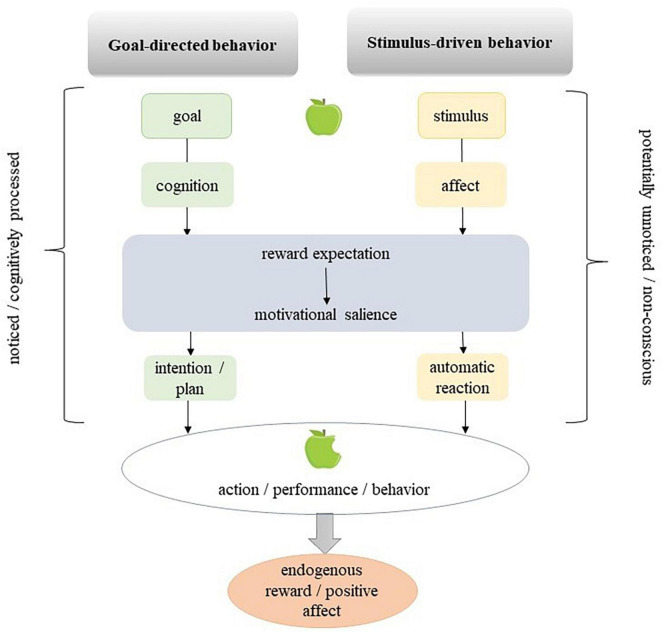
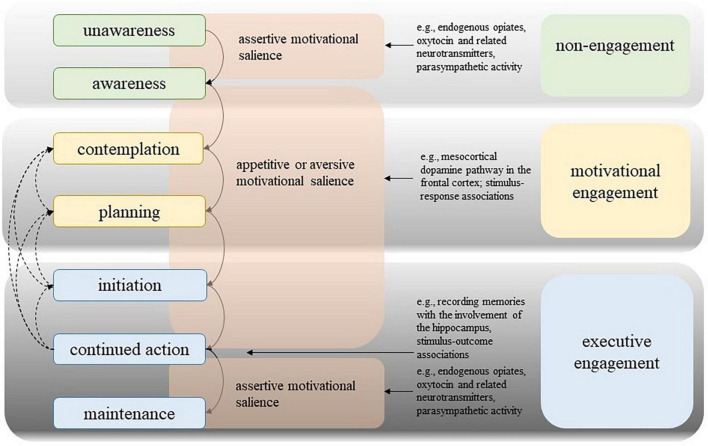
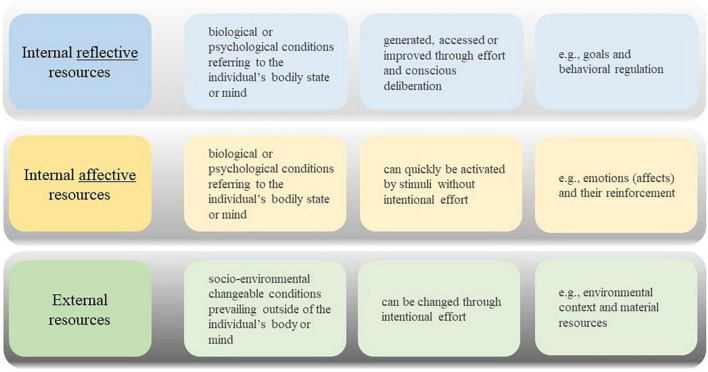
The global rise of lifestyle-related chronic diseases has engendered growing interest among various stakeholders including policymakers, scientists, healthcare professionals, and patients, regarding the effective management of health behavior change and the development of interventions that facilitate lifestyle modification. Consequently, a plethora of health behavior change theories has been developed with the intention of elucidating the mechanisms underlying health behavior change and identifying key domains that enhance the likelihood of successful outcomes. Until now, only few studies have taken into account neurobiological correlates underlying health behavior change processes. Recent progress in the neuroscience of motivation and reward systems has provided further insights into the relevance of such domains. The aim of this contribution is to review the latest explanations of health behavior change initiation and maintenance based on novel insights into motivation and reward mechanisms. Based on a systematic literature search in PubMed, PsycInfo, and Google Scholar, four articles were reviewed. As a result, a description of motivation and reward systems (approach/wanting = pleasure; aversion/avoiding = relief; assertion/non-wanting = quiescence) and their role in health behavior change processes is presented. Three central findings are discussed: (1) motivation and reward processes allow to distinguish between goal-oriented and stimulus-driven behavior, (2) approach motivation is the key driver of the individual process of behavior change until a new behavior is maintained and assertion motivation takes over, (3) behavior change techniques can be clustered based on motivation and reward processes according to their functional mechanisms into facilitating (= providing external resources), boosting (= strengthening internal reflective resources) and nudging (= activating internal affective resources). The strengths and limitations of these advances for intervention planning are highlighted and an agenda for testing the models as well as future research is proposed.
与生活方式相关的慢性病在全球范围内的增多,引发了包括政策制定者、科学家、医疗保健专业人员和患者在内的各利益相关方对健康行为改变的有效管理以及促进生活方式改变的干预措施发展的日益浓厚兴趣。因此,大量的健康行为改变理论应运而生,旨在阐明健康行为改变背后的机制,并确定能提高成功结果可能性的关键领域。到目前为止,只有少数研究考虑到了健康行为改变过程背后的神经生物学关联。动机和奖励系统神经科学的最新进展为这些领域的相关性提供了进一步的见解。本文的目的是基于对动机和奖励机制的新见解,回顾健康行为改变启动和维持的最新解释。通过在PubMed、PsycInfo和谷歌学术上进行系统的文献检索,对四篇文章进行了综述。结果,本文描述了动机和奖励系统(趋近/渴望 = 愉悦;厌恶/回避 = 解脱;坚持/无渴望 = 平静)及其在健康行为改变过程中的作用。讨论了三个主要发现:(1)动机和奖励过程有助于区分目标导向行为和刺激驱动行为;(2)在新行为得以维持且坚持动机接管之前,趋近动机是个体行为改变过程的关键驱动力;(3)行为改变技术可根据其功能机制,依据动机和奖励过程分为促进型(= 提供外部资源)、强化型(= 增强内部反思资源)和助推型(= 激活内部情感资源)。本文强调了这些进展在干预规划方面的优势和局限性,并提出了测试这些模型的议程以及未来的研究方向。