Institute of Medical Sciences, University of Aberdeen, Aberdeen, United Kingdom.
Medical Research Council Centre for Medical Mycology, University of Exeter, School of Biosciences, Geoffrey Pope Building, Exeter, United Kingdom.
PLoS Pathog. 2023 Jul 10;19(7):e1011505. doi: 10.1371/journal.ppat.1011505. eCollection 2023 Jul.
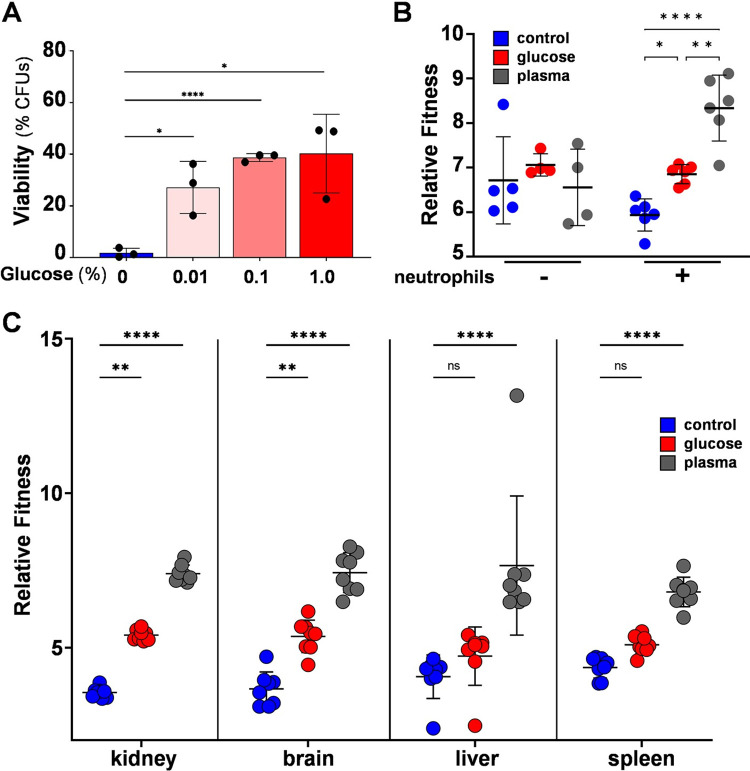
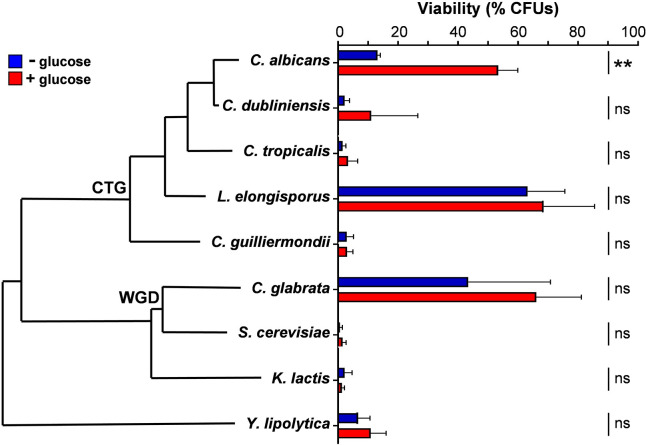
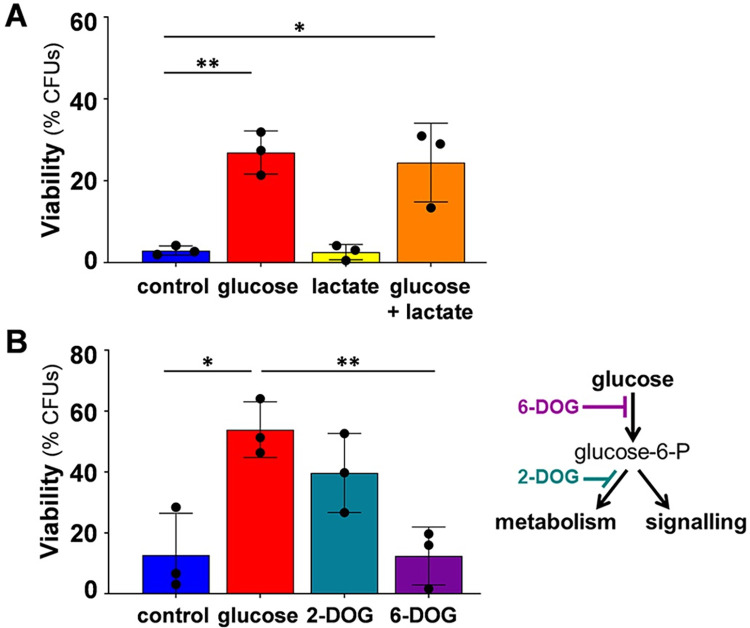
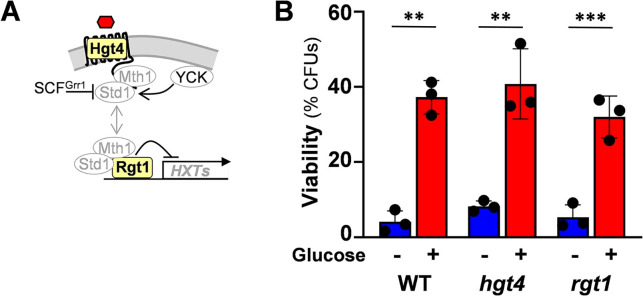
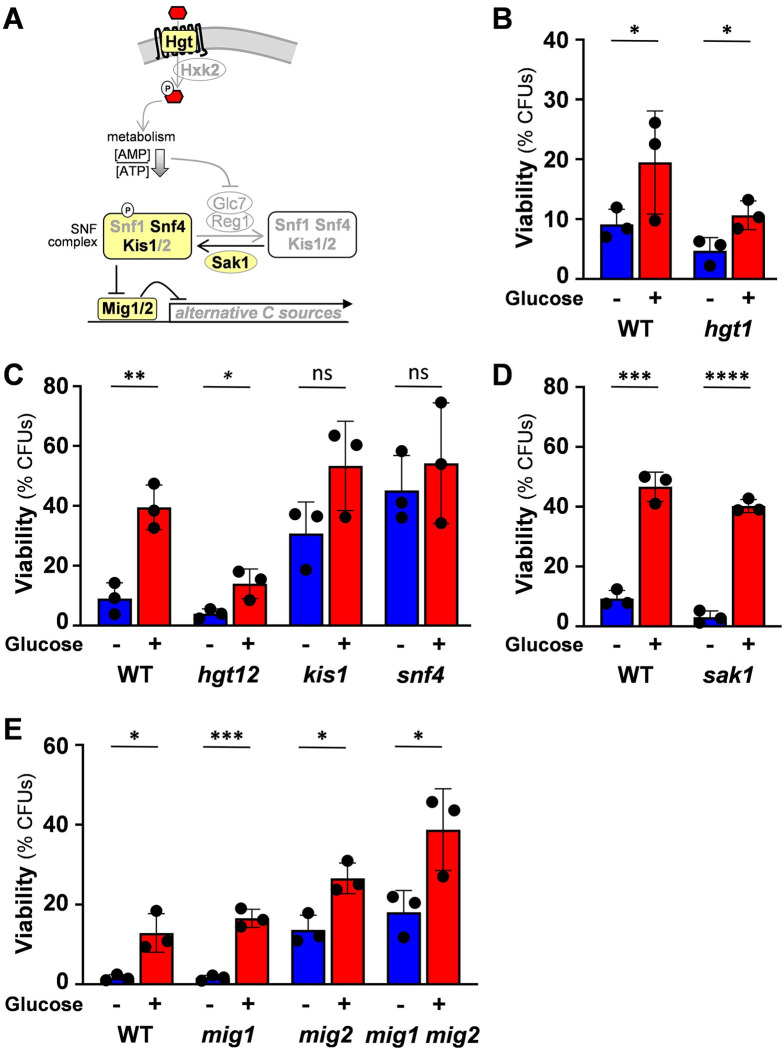
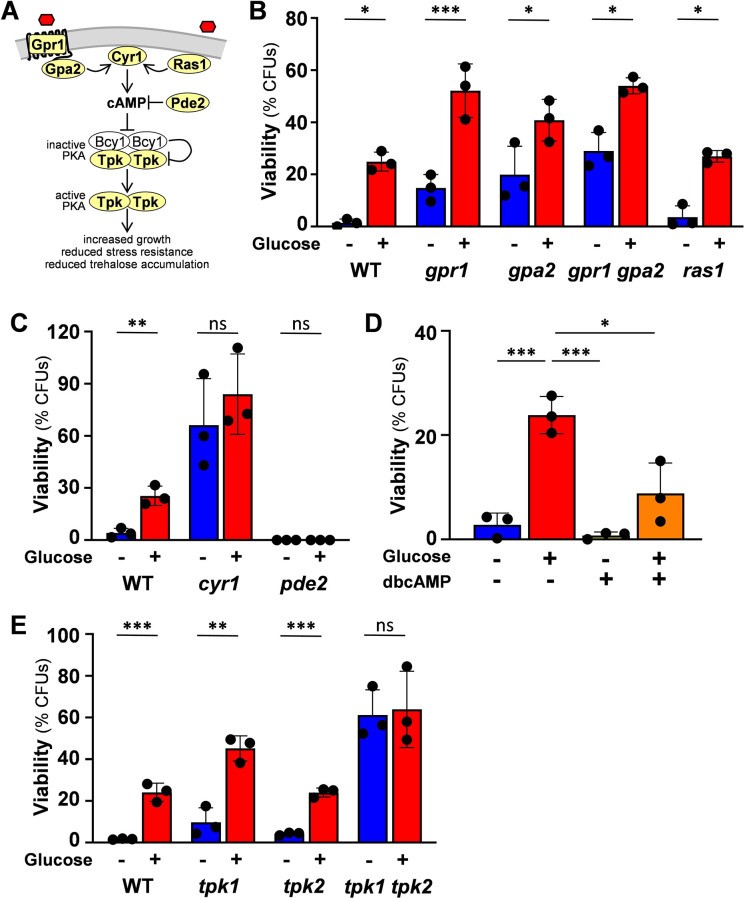
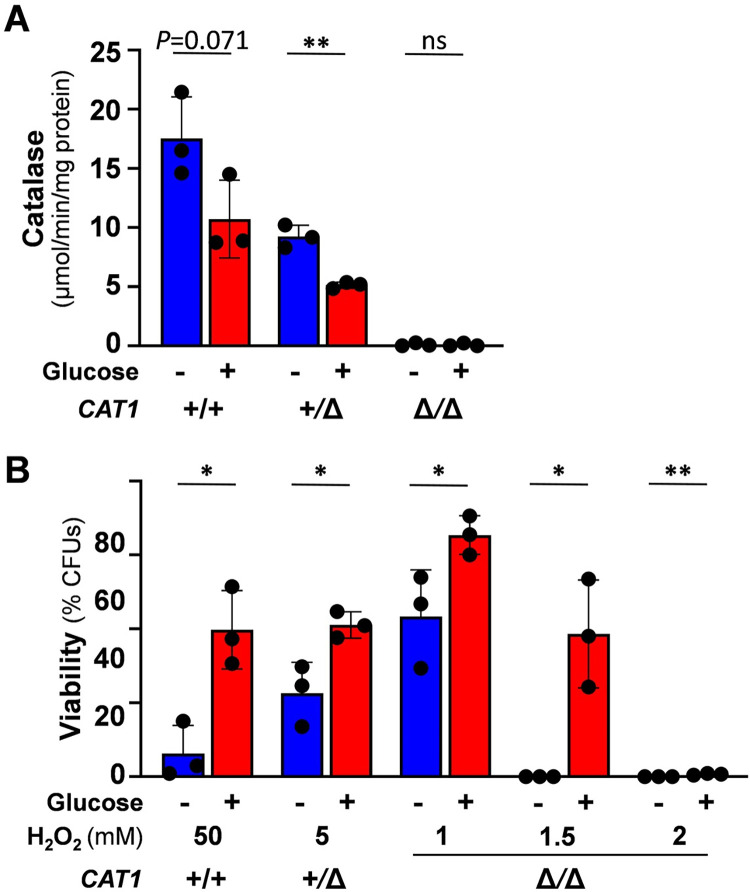
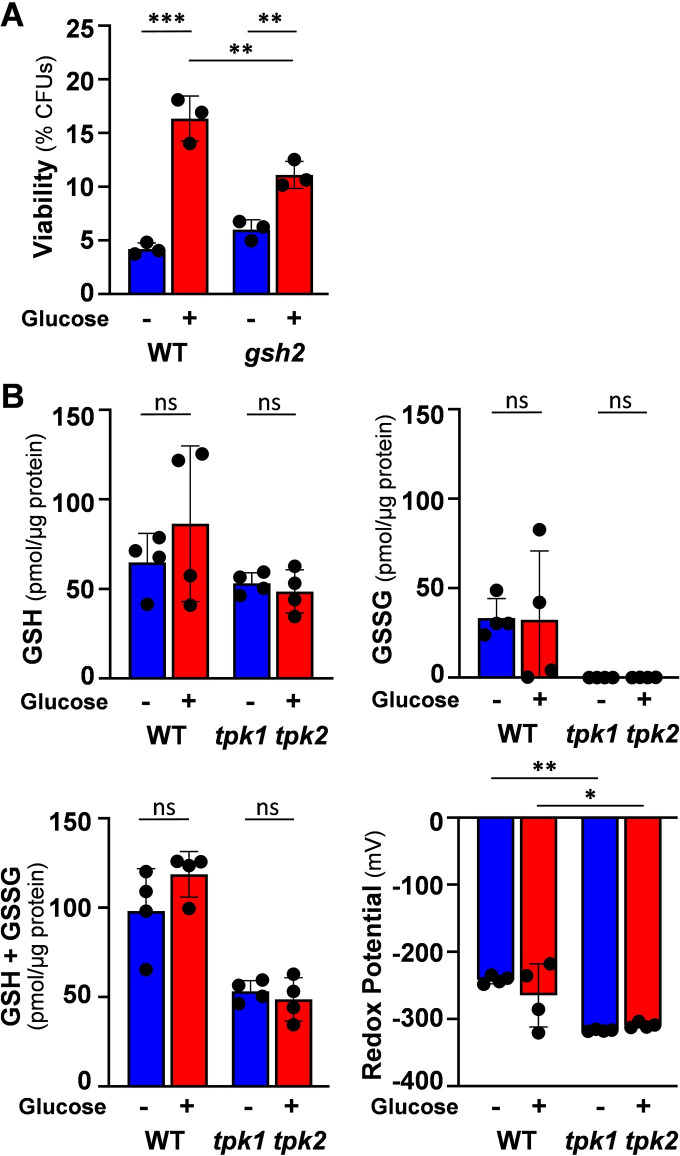
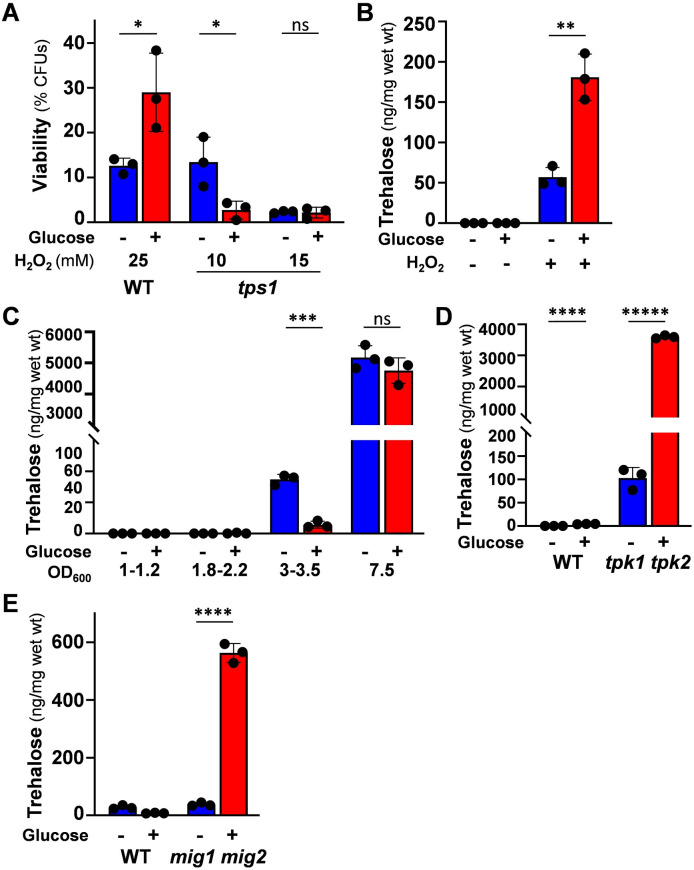
Most microbes have developed responses that protect them against stresses relevant to their niches. Some that inhabit reasonably predictable environments have evolved anticipatory responses that protect against impending stresses that are likely to be encountered in their niches-termed "adaptive prediction". Unlike yeasts such as Saccharomyces cerevisiae, Kluyveromyces lactis and Yarrowia lipolytica and other pathogenic Candida species we examined, the major fungal pathogen of humans, Candida albicans, activates an oxidative stress response following exposure to physiological glucose levels before an oxidative stress is even encountered. Why? Using competition assays with isogenic barcoded strains, we show that "glucose-enhanced oxidative stress resistance" phenotype enhances the fitness of C. albicans during neutrophil attack and during systemic infection in mice. This anticipatory response is dependent on glucose signalling rather than glucose metabolism. Our analysis of C. albicans signalling mutants reveals that the phenotype is not dependent on the sugar receptor repressor pathway, but is modulated by the glucose repression pathway and down-regulated by the cyclic AMP-protein kinase A pathway. Changes in catalase or glutathione levels do not correlate with the phenotype, but resistance to hydrogen peroxide is dependent on glucose-enhanced trehalose accumulation. The data suggest that the evolution of this anticipatory response has involved the recruitment of conserved signalling pathways and downstream cellular responses, and that this phenotype protects C. albicans from innate immune killing, thereby promoting the fitness of C. albicans in host niches.
大多数微生物已经发展出了应对其生态位相关压力的反应。一些生活在相对可预测环境中的微生物已经进化出了预期反应,以应对其生态位中可能遇到的即将到来的压力——这被称为“适应性预测”。与我们研究的其他酵母,如酿酒酵母、乳酸克鲁维酵母和产脂肪酵母,以及其他致病性念珠菌物种不同,人类主要的真菌病原体白色念珠菌在遇到氧化应激之前,在暴露于生理葡萄糖水平后会激活氧化应激反应。为什么呢?通过使用同基因条形码菌株的竞争测定,我们表明“葡萄糖增强的氧化应激抗性”表型在中性粒细胞攻击和小鼠系统性感染期间增强了白色念珠菌的适应性。这种预期反应依赖于葡萄糖信号而不是葡萄糖代谢。我们对白色念珠菌信号突变体的分析表明,该表型不依赖于糖受体抑制途径,而是受葡萄糖抑制途径调节,并受 cAMP-蛋白激酶 A 途径下调。过氧化氢酶或谷胱甘肽水平的变化与表型无关,但对过氧化氢的抗性依赖于葡萄糖增强的海藻糖积累。这些数据表明,这种预期反应的进化涉及保守信号途径和下游细胞反应的招募,并且这种表型保护白色念珠菌免受先天免疫杀伤,从而促进其在宿主生态位中的适应性。