Department of Bioprocess Development, Genetic Engineering and Biotechnology Research Institute, City of Scientific Research and Technological Applications (SRTA-City), New Borg El-Arab City, Alexandria, 21934, Egypt.
Environmental Biotechnology Department, Genetic Engineering and Biotechnology Research Institute (GEBRI), City of Scientific Research and Technological Applications (SRTA-City), New Borg El-Arab City, Alexandria, 21934, Egypt.
Sci Rep. 2023 Jul 10;13(1):11127. doi: 10.1038/s41598-023-37660-6.
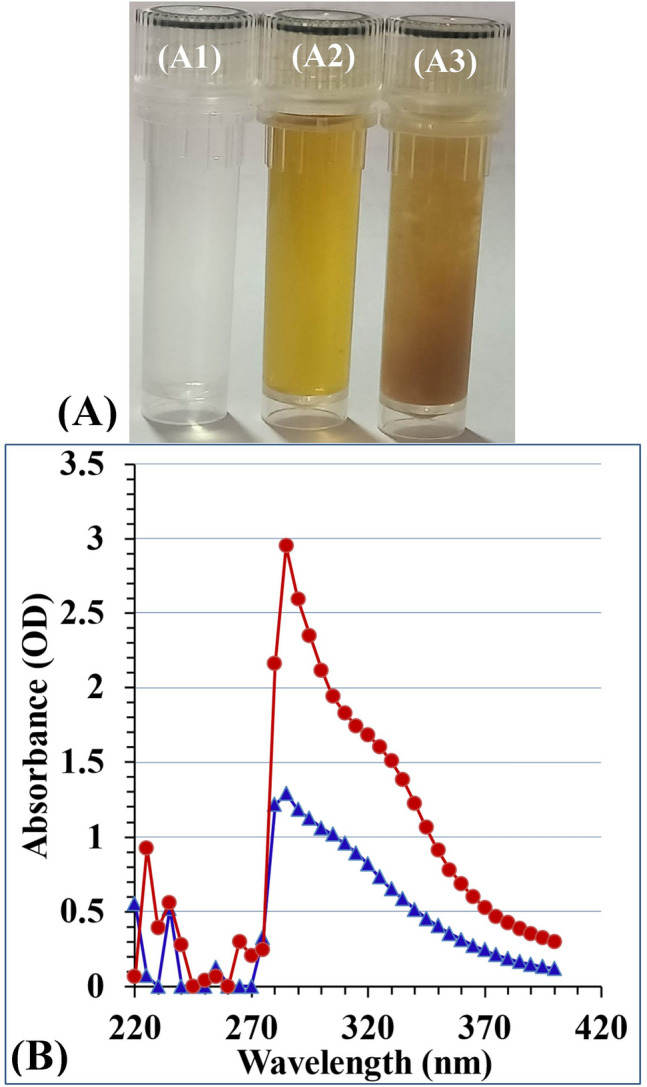
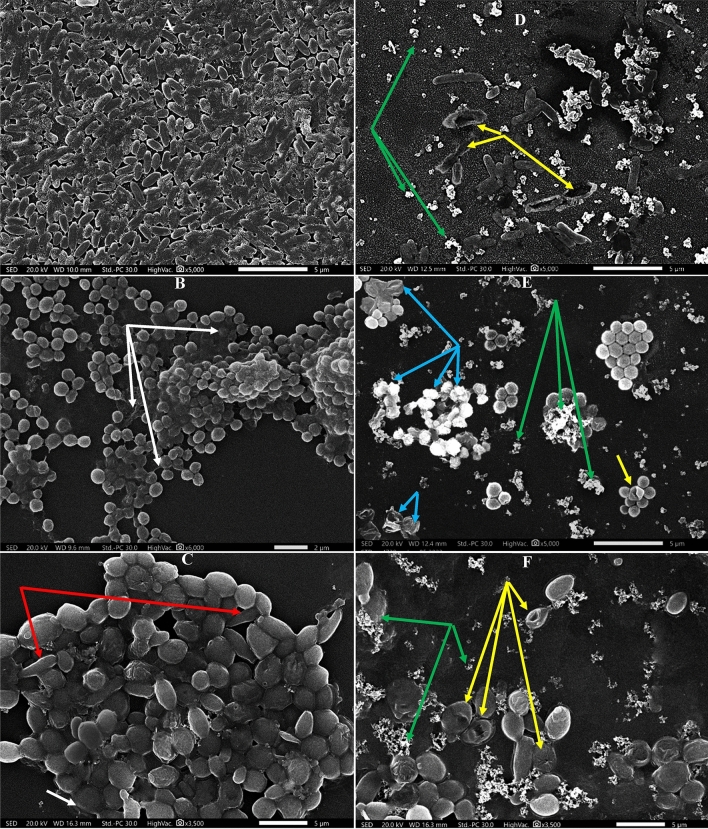
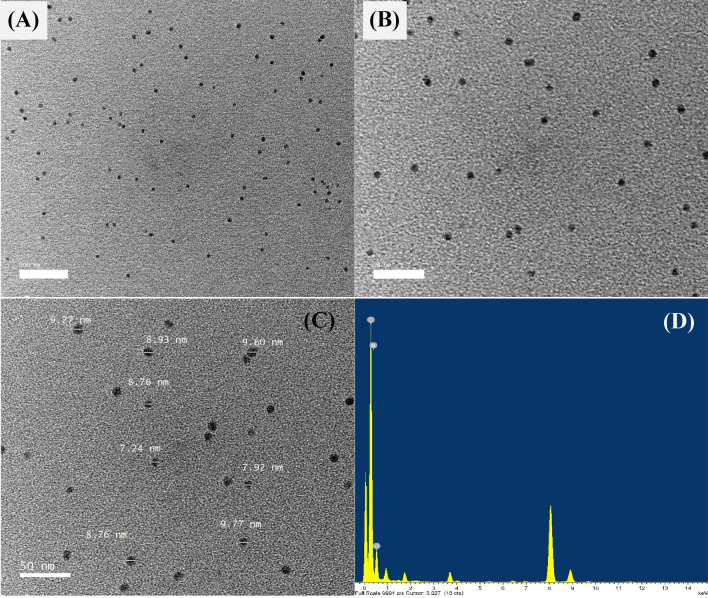
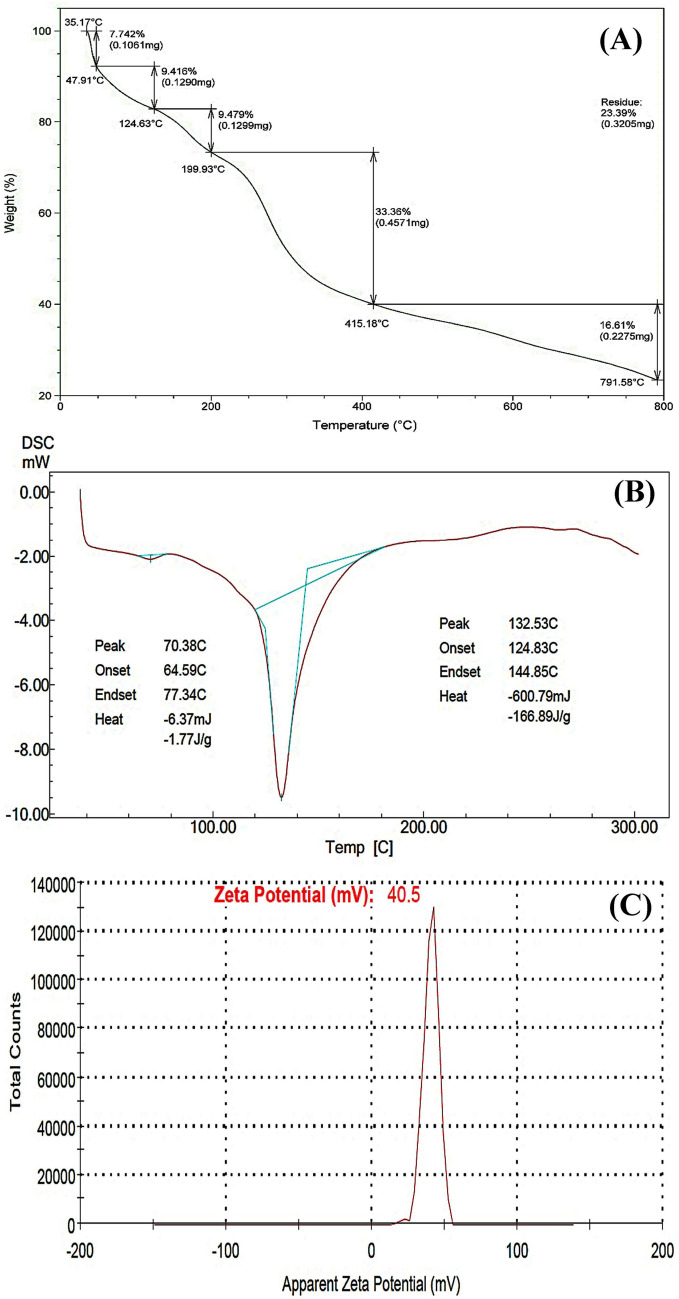
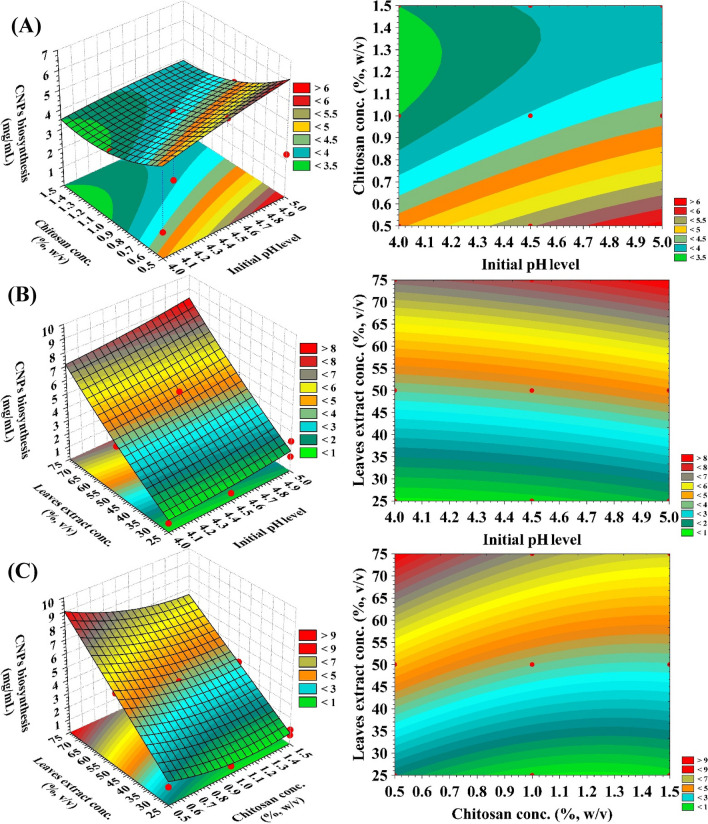
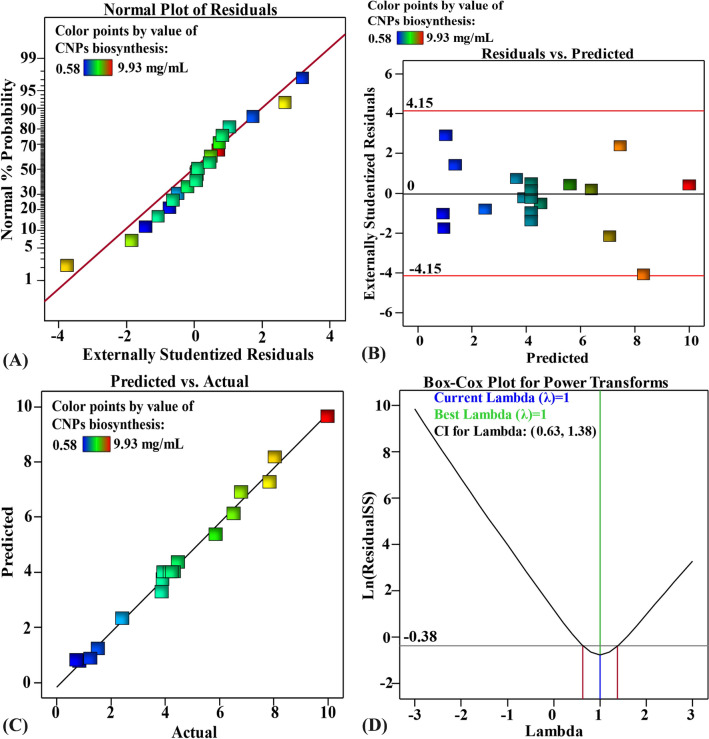
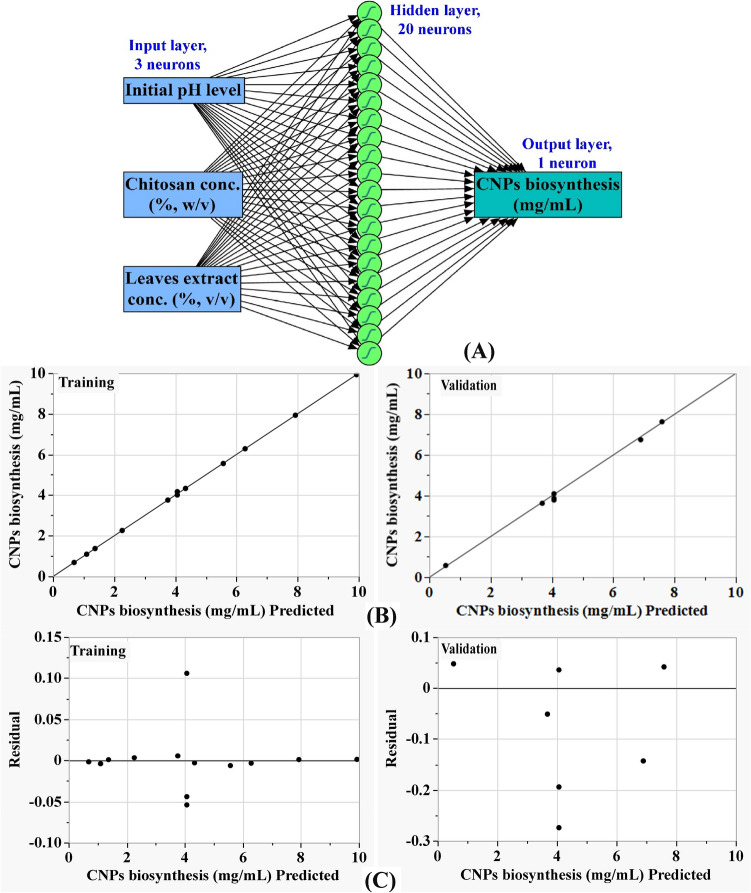
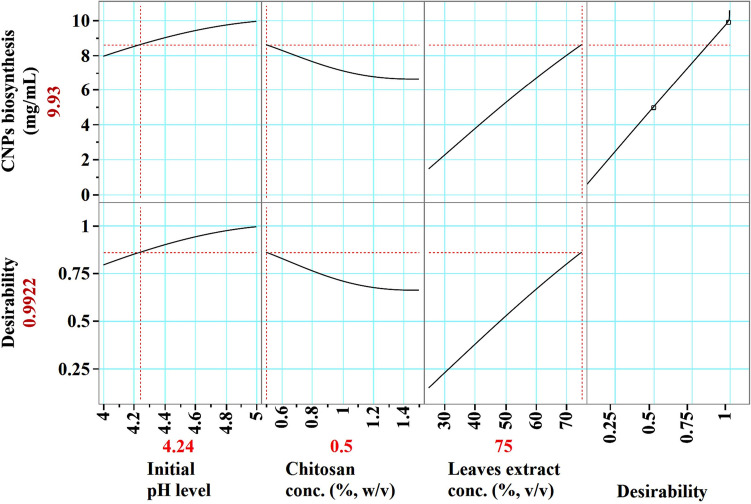
Chitosan nanoparticles (CNPs) are promising polymeric nanoparticles with exceptional physicochemical, antimicrobial and biological characteristics. The CNPs are preferred for a wide range of applications in the food industry, cosmetics, agriculture, medical, and pharmaceutical fields due to their biocompatibility, biodegradability, eco-friendliness, and non-toxicity. In the current study, a biologically based approach was used to biofabricate CNPs using an aqueous extract of Lavendula angustifolia leaves as a reducing agent. The TEM images show that the CNPs were spherical in shape and ranged in size from 7.24 to 9.77 nm. FTIR analysis revealed the presence of several functional groups, including C-H, C-O, CONH, NH, C-OH and C-O-C. The crystalline nature of CNPs is demonstrated by X-ray diffraction. The thermogravimetric analysis revealed that CNPs are thermally stable. The CNPs' surface is positively charged and has a Zeta potential of 10 mV. For optimising CNPs biofabrication, a face-centered central composite design (FCCCD) with 50 experiments was used. The artificial intelligence-based approach was used to analyse, validate, and predict CNPs biofabrication. The optimal conditions for maximum CNPs biofabrication were theoretically determined using the desirability function and experimentally verified. The optimal conditions that maximize CNPs biofabrication (10.11 mg/mL) were determined to be chitosan concentration 0.5%, leaves extract 75%, and initial pH 4.24. The antibiofilm activity of CNPs was evaluated in‑vitro. The results show that 1500 μg/mL of CNPs suppressed P. aeruginosa, S. aureus and C. albicans biofilm formation by 91.83 ± 1.71%, 55.47 ± 2.12% and 66.4 ± 1.76%; respectively. The promising results of the current study in biofilm inhibition by necrotizing biofilm architecture, reducing its significant constituents and inhibiting microbial cell proliferation encourage their use as natural biosafe and biocompatible anti-adherent coating in antibiofouling membranes, medical bandage/tissues and food packaging materials.
壳聚糖纳米粒子(CNPs)是一种具有优异物理化学、抗菌和生物学特性的聚合物纳米粒子。由于其生物相容性、可生物降解性、生态友好性和低毒性,CNPs 在食品工业、化妆品、农业、医学和制药领域的广泛应用中受到青睐。在目前的研究中,使用薰衣草叶的水提物作为还原剂,采用基于生物学的方法生物制备 CNPs。TEM 图像显示,CNPs 呈球形,尺寸范围为 7.24 至 9.77nm。FTIR 分析表明存在几个功能基团,包括 C-H、C-O、CONH、NH、C-OH 和 C-O-C。X 射线衍射表明 CNPs 具有结晶性。热重分析表明 CNPs 热稳定性良好。CNPs 的表面带正电荷,Zeta 电位为 10mV。为了优化 CNPs 的生物制备,使用了具有 50 个实验的中心复合设计(FCCCD)。基于人工智能的方法用于分析、验证和预测 CNPs 的生物制备。使用适宜性函数理论确定并通过实验验证了最大 CNPs 生物制备的最佳条件。通过最大程度地提高 CNPs 生物制备(10.11mg/mL)的最佳条件确定为壳聚糖浓度 0.5%、叶提取物 75%和初始 pH 4.24。体外评估了 CNPs 的抗生物膜活性。结果表明,1500μg/mL 的 CNPs 抑制铜绿假单胞菌、金黄色葡萄球菌和白色念珠菌生物膜形成的能力分别为 91.83±1.71%、55.47±2.12%和 66.4±1.76%。目前的研究结果表明,CNPs 具有破坏坏死生物膜结构、减少其主要成分和抑制微生物细胞增殖的潜力,这鼓励它们作为天然生物安全和生物相容的抗附着涂层在抗生物污损膜、医用绷带/组织和食品包装材料中的应用。