Department of Molecular and Systems Biology, Geisel School of Medicine at Dartmouth, Lebanon, New Hampshire.
Department of Medicine, Geisel School of Medicine at Dartmouth, Lebanon, New Hampshire.
Clin Cancer Res. 2023 Sep 15;29(18):3717-3728. doi: 10.1158/1078-0432.CCR-23-0488.
Clinical evidence indicates that treatment with estrogens elicits anticancer effects in ∼30% of patients with advanced endocrine-resistant estrogen receptor α (ER)-positive breast cancer. Despite the proven efficacy of estrogen therapy, its mechanism of action is unclear and this treatment remains underused. Mechanistic understanding may offer strategies to enhance therapeutic efficacy.
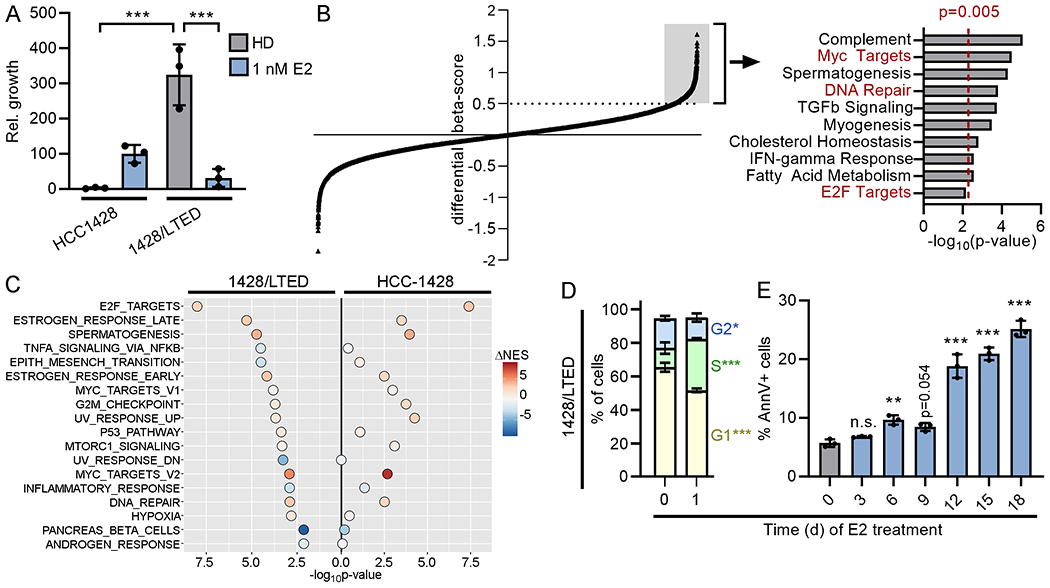
We performed genome-wide CRISPR/Cas9 screening and transcriptomic profiling in long-term estrogen-deprived ER+ breast cancer cells to identify pathways required for therapeutic response to the estrogen 17β-estradiol (E2). We validated findings in cell lines, patient-derived xenografts (PDX), and patient samples, and developed a novel combination treatment through testing in cell lines and PDX models.
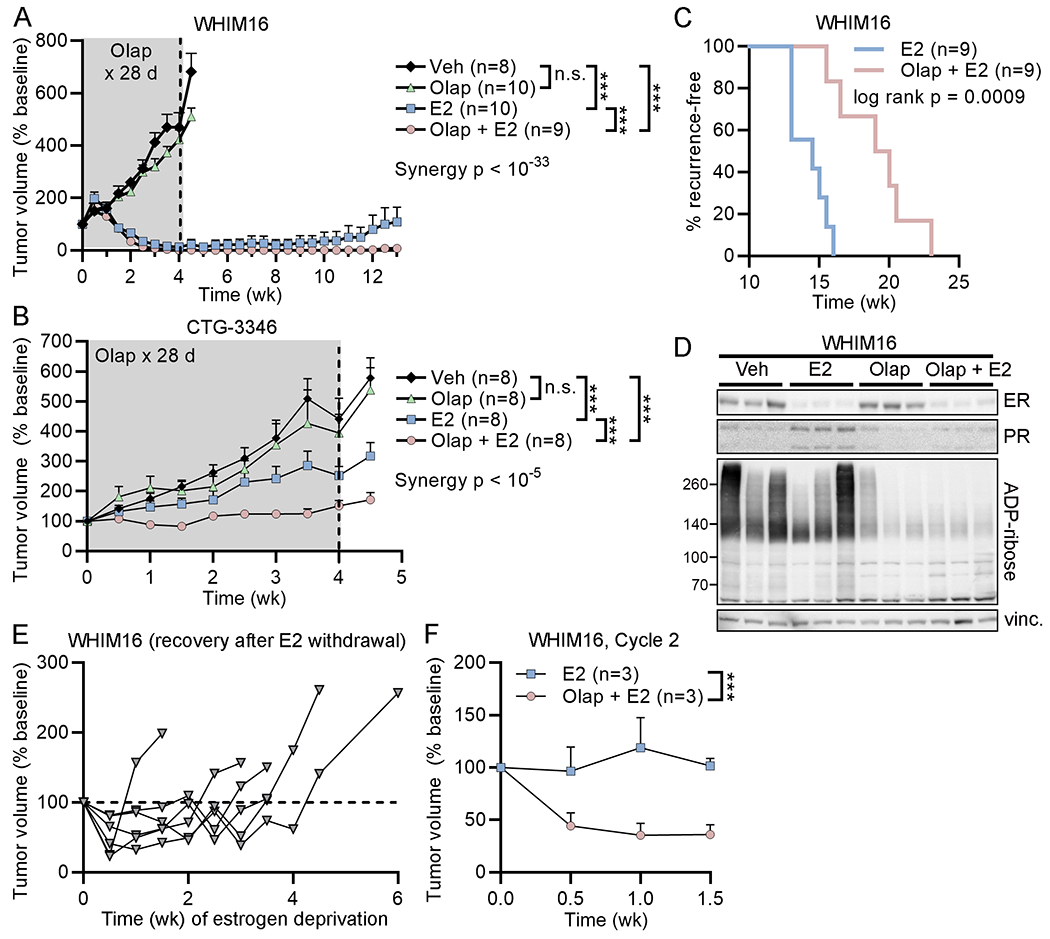
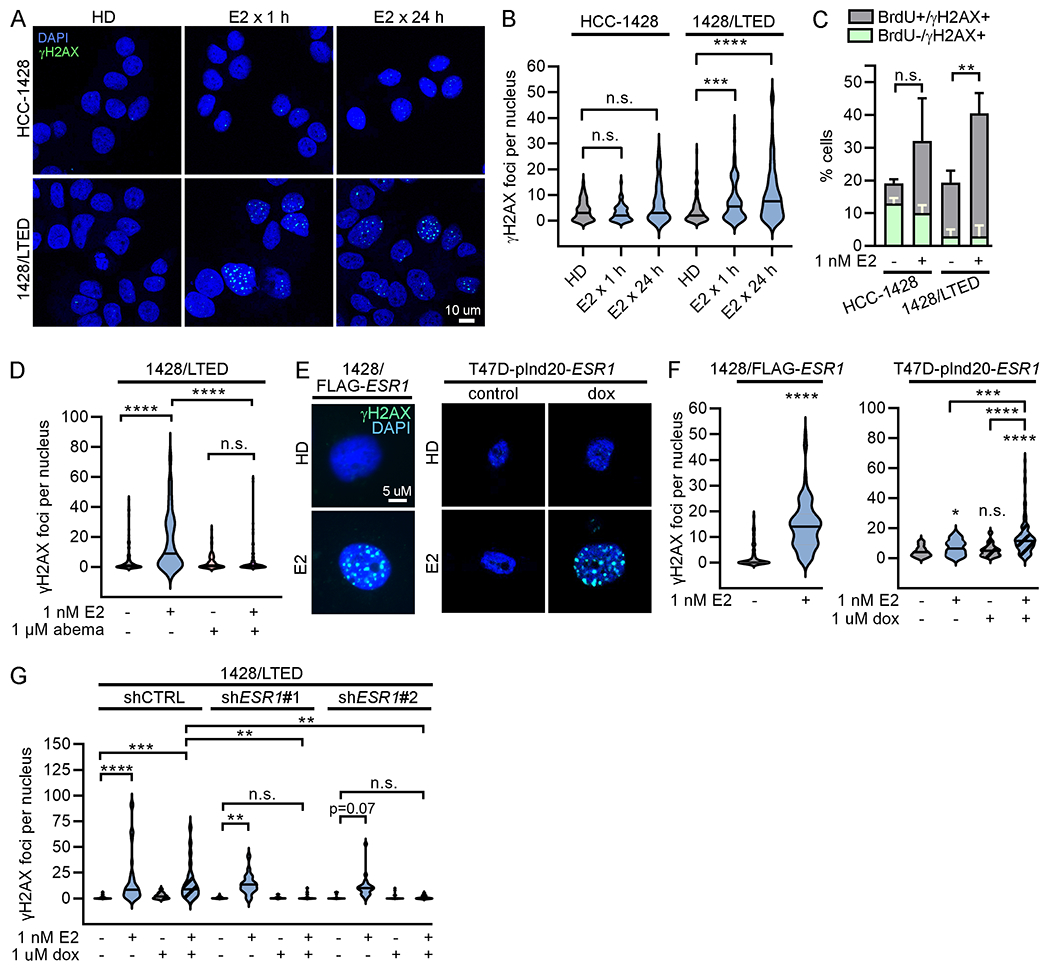
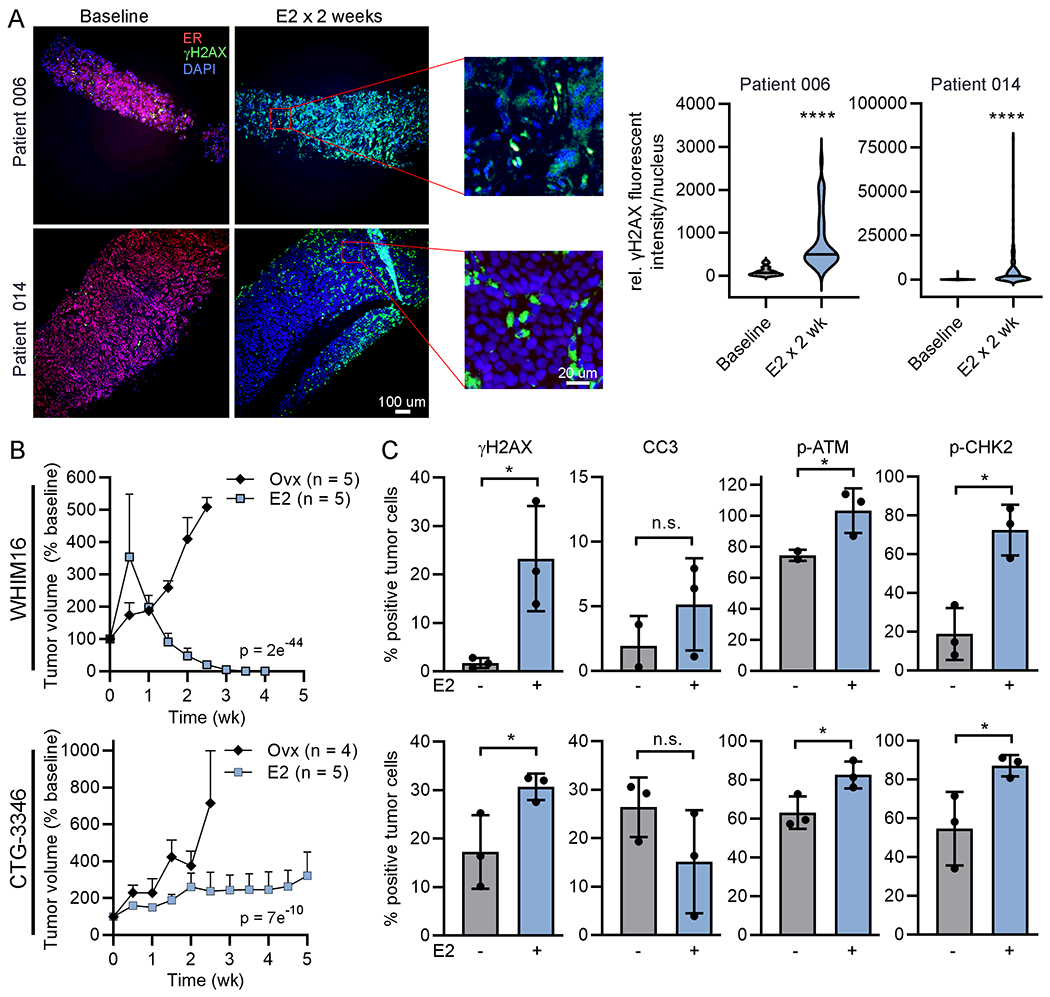
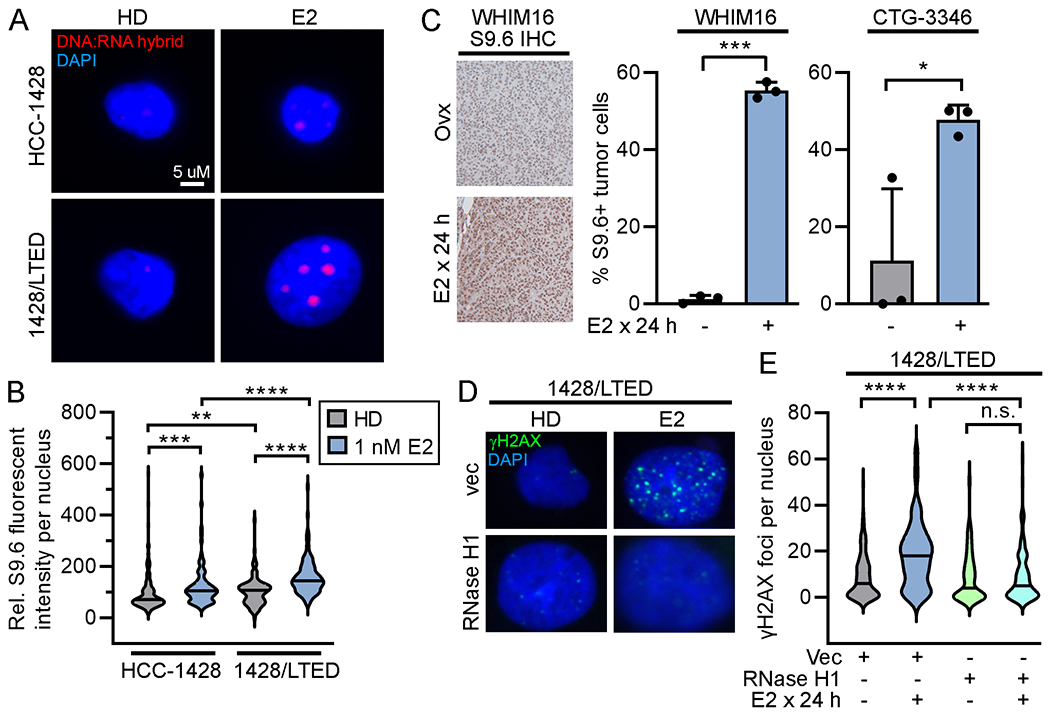
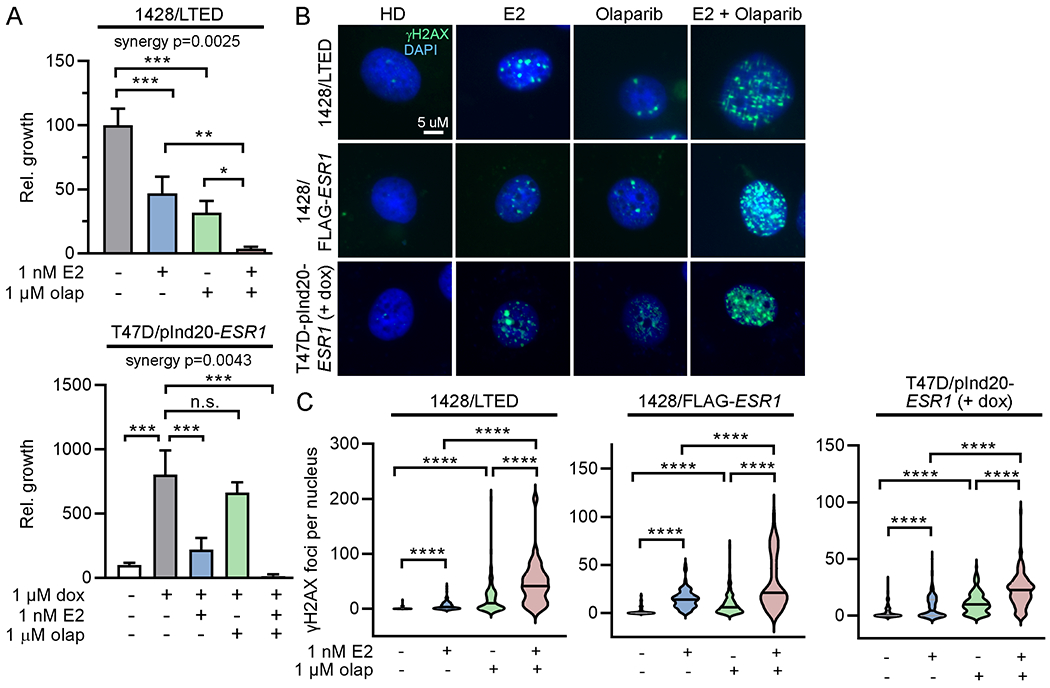
Cells treated with E2 exhibited replication-dependent markers of DNA damage and the DNA damage response prior to apoptosis. Such DNA damage was partially driven by the formation of DNA:RNA hybrids (R-loops). Pharmacologic suppression of the DNA damage response via PARP inhibition with olaparib enhanced E2-induced DNA damage. PARP inhibition synergized with E2 to suppress growth and prevent tumor recurrence in BRCA1/2-mutant and BRCA1/2-wild-type cell line and PDX models.
E2-induced ER activity drives DNA damage and growth inhibition in endocrine-resistant breast cancer cells. Inhibition of the DNA damage response using drugs such as PARP inhibitors can enhance therapeutic response to E2. These findings warrant clinical exploration of the combination of E2 with DNA damage response inhibitors in advanced ER+ breast cancer, and suggest that PARP inhibitors may synergize with therapeutics that exacerbate transcriptional stress.
临床证据表明,在约 30%的晚期内分泌抵抗雌激素受体α(ER)阳性乳腺癌患者中,雌激素治疗会产生抗癌作用。尽管雌激素治疗已被证实有效,但其作用机制尚不清楚,因此这种治疗方法仍未得到广泛应用。对其机制的理解可能会提供增强治疗效果的策略。
我们对长期去雌激素的 ER+乳腺癌细胞进行了全基因组 CRISPR/Cas9 筛选和转录组谱分析,以确定对雌激素 17β-雌二醇(E2)治疗反应所需的途径。我们在细胞系、患者来源的异种移植(PDX)和患者样本中验证了这些发现,并通过在细胞系和 PDX 模型中进行测试,开发了一种新的联合治疗方法。
用 E2 处理的细胞在凋亡前表现出复制依赖性的 DNA 损伤和 DNA 损伤反应标志物。这种 DNA 损伤部分是由 DNA:RNA 杂交(R 环)的形成驱动的。用奥拉帕利抑制 DNA 损伤反应的药物 PARP 抑制增强了 E2 诱导的 DNA 损伤。PARP 抑制与 E2 协同作用,抑制了 BRCA1/2 突变型和 BRCA1/2 野生型细胞系和 PDX 模型的生长并防止肿瘤复发。
E2 诱导的 ER 活性驱动内分泌抵抗的乳腺癌细胞中的 DNA 损伤和生长抑制。使用 PARP 抑制剂等药物抑制 DNA 损伤反应可以增强对 E2 的治疗反应。这些发现证明了在晚期 ER+乳腺癌中联合使用 E2 和 DNA 损伤反应抑制剂的临床探索价值,并表明 PARP 抑制剂可能与加重转录应激的治疗药物协同作用。