Tore Davide, Faletti Riccardo, Gaetani Clara, Bozzo Elena, Biondo Andrea, Carisio Andrea, Menchini Francesca, Miccolis Maria, Papa Francesco Pio, Trovato Martina, Fonio Paolo, Gatti Marco
Radiology Unit, Department of Surgical Sciences, AOU Città della Salute e della Scienza di Torino, University of Turin, Turin, Italy.
Heliyon. 2023 Jun 19;9(6):e17336. doi: 10.1016/j.heliyon.2023.e17336. eCollection 2023 Jun.
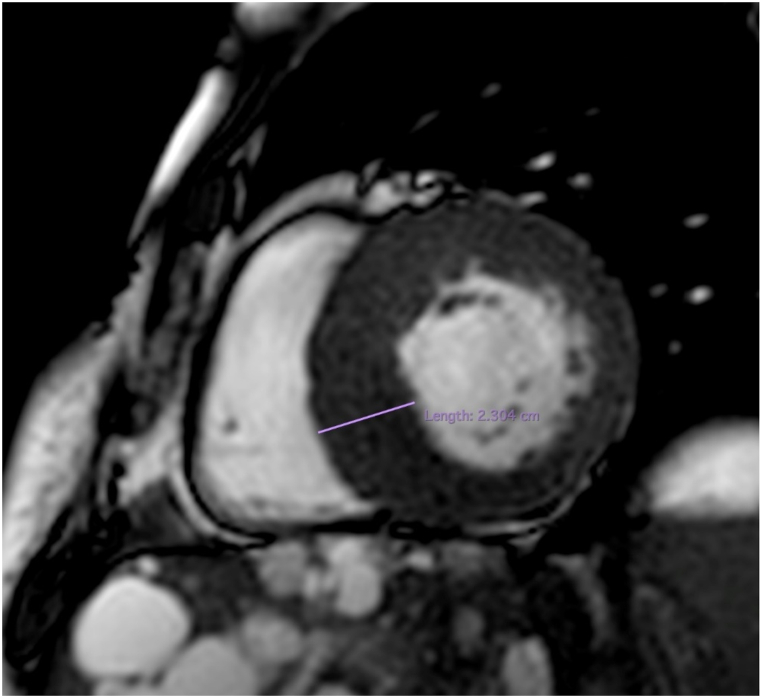
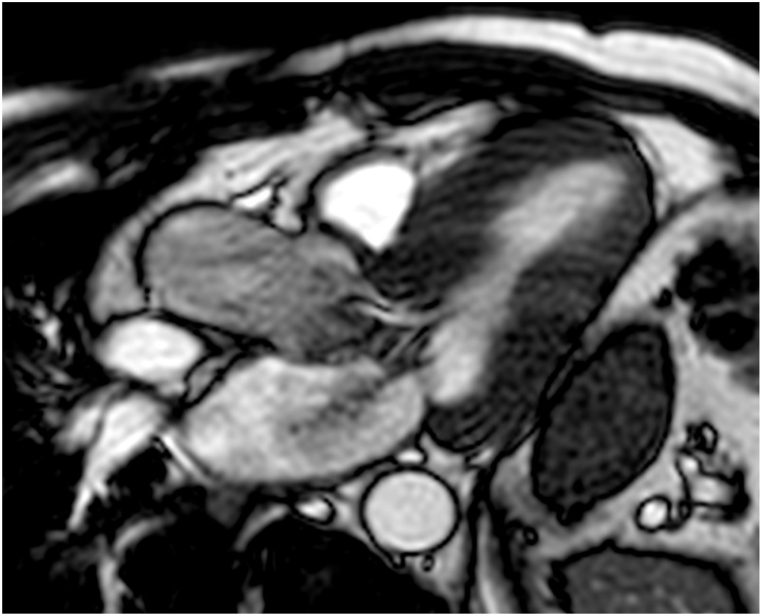
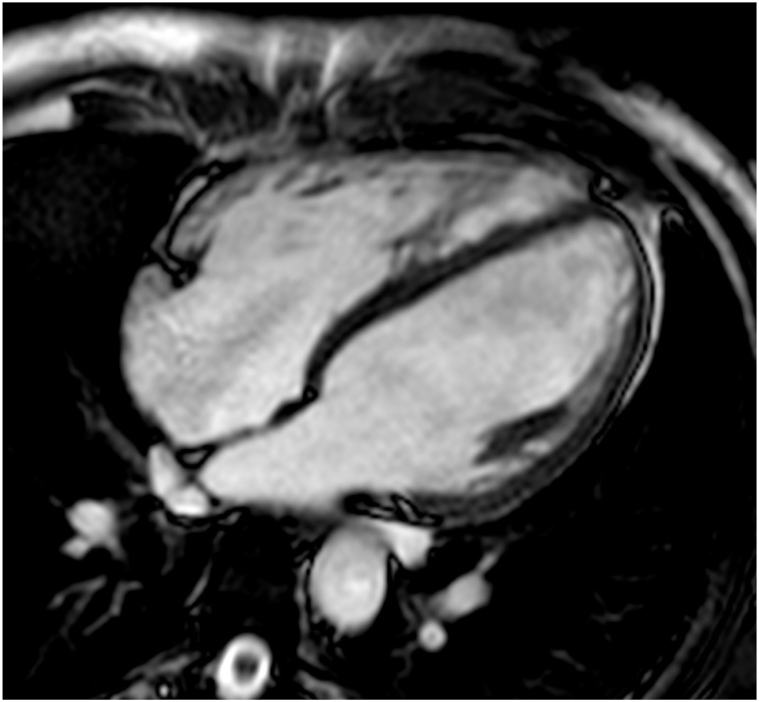
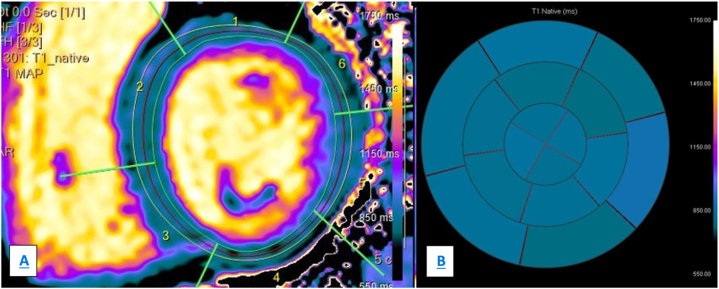
Hypertrophic heart phenotype is characterized by an abnormal left ventricular (LV) thickening. A hypertrophic phenotype can develop as adaptive response in many different conditions such as aortic stenosis, hypertension, athletic training, infiltrative heart muscle diseases, storage disorders and metabolic disorders. Hypertrophic cardiomyopathy (HCM) is the most frequent primary cardiomyopathy (CMP) and a genetical cause of cardiac hypertrophy. It requires the exclusion of any other cause of LV hypertrophy. Cardiac magnetic resonance (CMR) is a comprehensive imaging technique that allows a detailed evaluation of myocardial diseases. It provides reproducible measurements and myocardial tissue characterization. In clinical practice CMR is increasingly used to confirm the presence of ventricular hypertrophy, to detect the underlying cause of the phenotype and more recently as an efficient prognostic tool. This article aims to provide a detailed overview of the applications of CMR in the setting of hypertrophic heart phenotype and its role in the diagnostic workflow of such condition.
肥厚型心脏表型的特征是左心室(LV)异常增厚。在许多不同情况下,如主动脉瓣狭窄、高血压、运动训练、浸润性心肌疾病、贮积症和代谢紊乱等,肥厚型表型可作为适应性反应而出现。肥厚型心肌病(HCM)是最常见的原发性心肌病(CMP),也是心脏肥大的遗传原因。它需要排除左心室肥大的任何其他原因。心脏磁共振成像(CMR)是一种综合成像技术,可对心肌疾病进行详细评估。它能提供可重复的测量结果和心肌组织特征。在临床实践中,CMR越来越多地用于确认心室肥大的存在、检测该表型的潜在原因,以及最近作为一种有效的预后工具。本文旨在详细概述CMR在肥厚型心脏表型中的应用及其在该疾病诊断流程中的作用。