Department of Animal Science, Faculty of Agriculture, Universiti Putra Malaysia, Serdang, Selangor, Malaysia.
Research Unit of Nutrition, Department of Animal and Veterinary Sciences, Aarhus University, Tjele, Denmark.
Physiol Genomics. 2023 Sep 1;55(9):392-413. doi: 10.1152/physiolgenomics.00128.2022. Epub 2023 Jul 17.
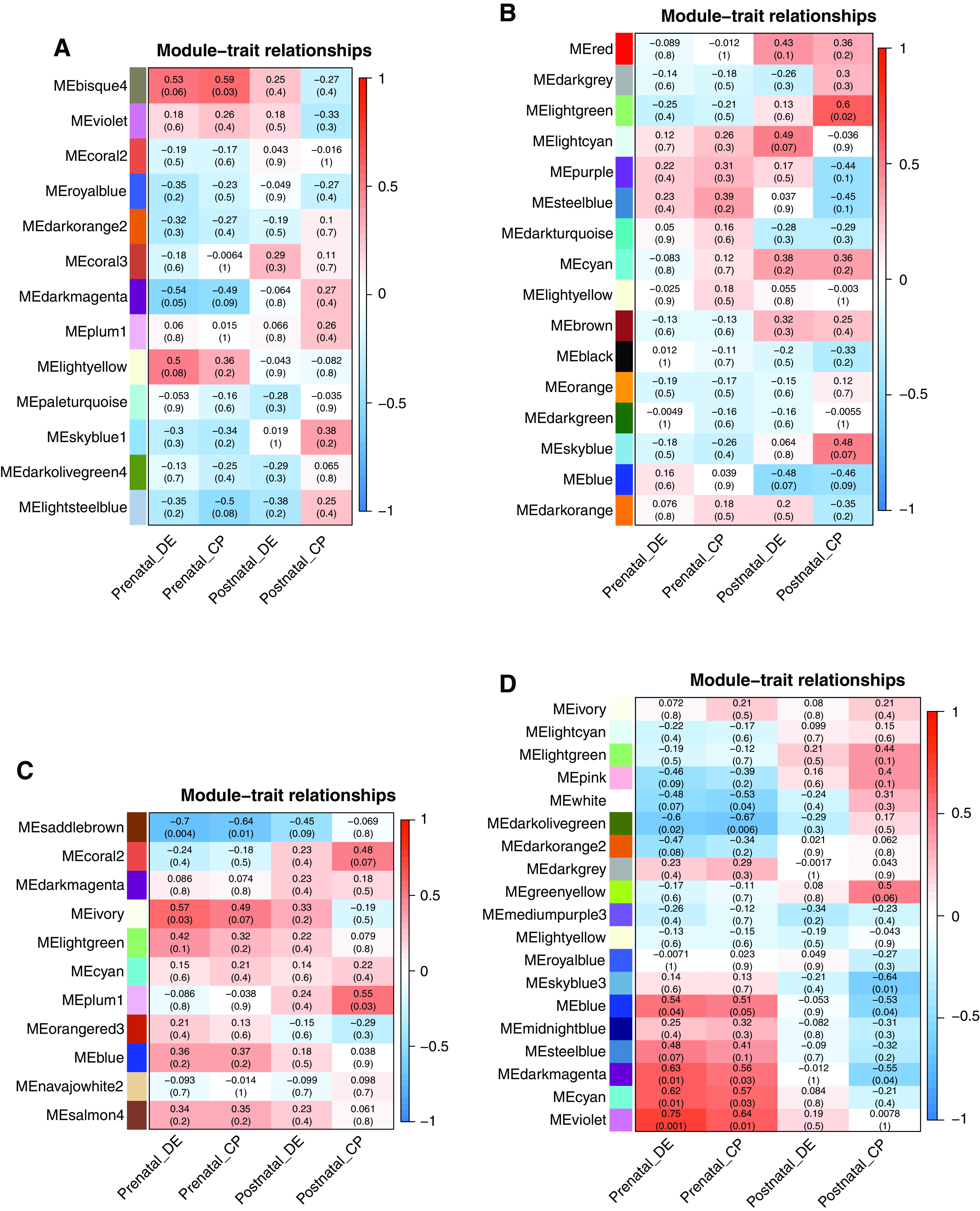
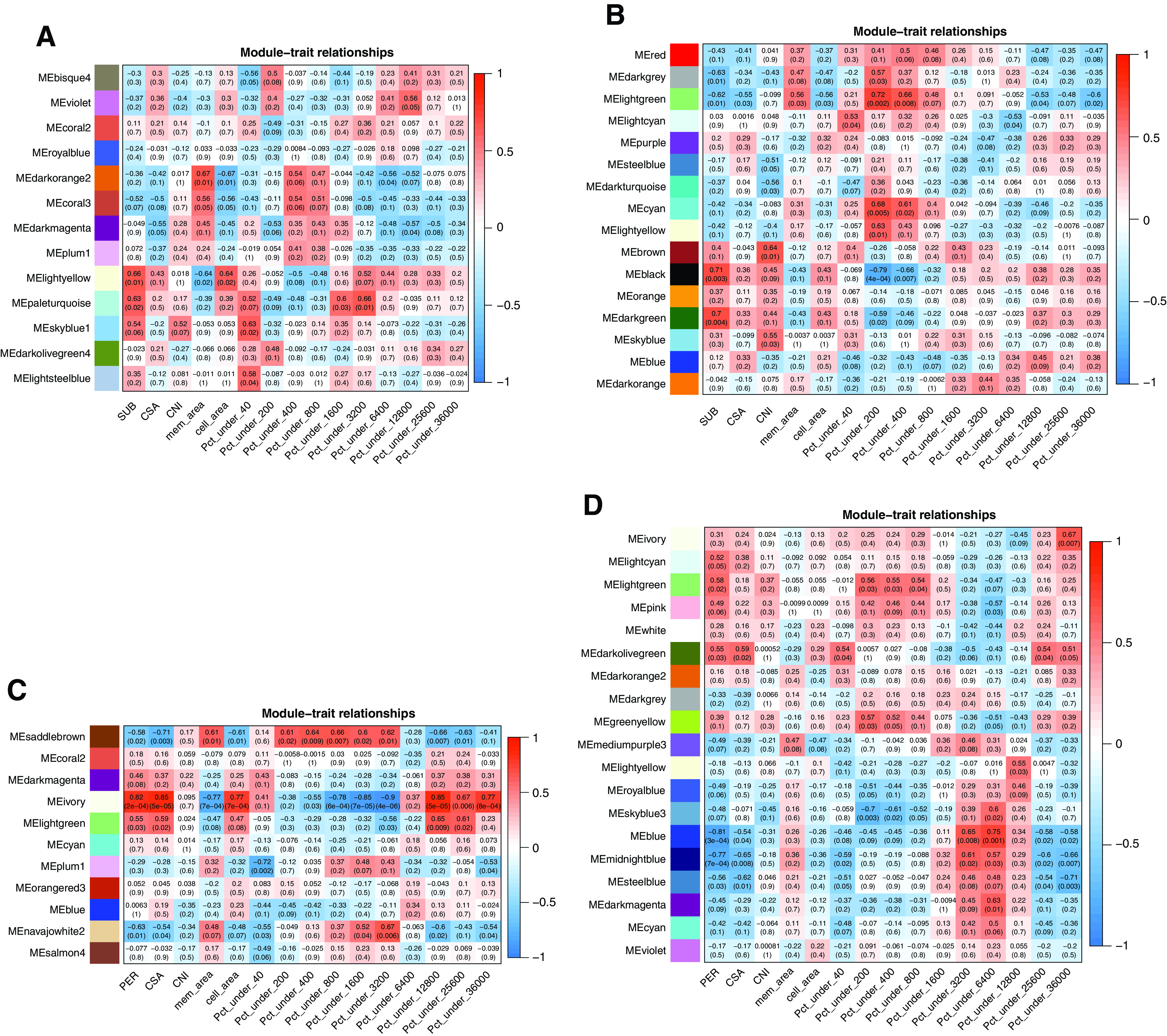
We have previously demonstrated that pre- and early postnatal malnutrition in sheep induced depot- and sex-specific changes in adipose morphological features, metabolic outcomes, and transcriptome in adulthood, with perirenal (PER) as the major target followed by subcutaneous (SUB) adipose tissue. We aimed to identify coexpressed and hub genes in SUB and PER to identify the underlying molecular mechanisms contributing to the early nutritional programming of adipose-related phenotypic outcomes. Transcriptomes of SUB and PER of male and female adult sheep with different pre- and early postnatal nutrition histories were used to construct networks of coexpressed genes likely to be functionally associated with pre- and early postnatal nutrition histories and phenotypic traits using weighted gene coexpression network analysis. The modules from PER showed enrichment of cell cycle regulation, gene expression, transmembrane transport, and metabolic processes associated with both sexes' prenatal nutrition. In SUB (only males), a module of enriched adenosine diphosphate metabolism and development correlated with prenatal nutrition. Sex-specific module enrichments were found in PER, such as chromatin modification in the male network but histone modification and mitochondria- and oxidative phosphorylation-related functions in the female network. These sex-specific modules correlated with prenatal nutrition and adipocyte size distribution patterns. Our results point to PER as a primary target of prenatal malnutrition compared to SUB, which played only a minor role. The prenatal programming of gene expression and cell cycle, potentially through epigenetic modifications, might be underlying mechanisms responsible for observed changes in PER expandability and adipocyte-size distribution patterns in adulthood in both sexes.
我们之前已经证明,绵羊在产前和产后早期的营养不良会导致脂肪组织形态特征、代谢结果和成年后的转录组在库和性别特异性发生变化,其中肾周(PER)是主要靶点,其次是皮下(SUB)脂肪组织。我们旨在鉴定 SUB 和 PER 中的共表达和枢纽基因,以确定导致与脂肪相关的表型结果的早期营养编程的潜在分子机制。使用加权基因共表达网络分析,根据不同的产前和产后早期营养史,构建了具有共同表达基因的网络,这些基因可能与产前和产后早期营养史和表型特征具有功能相关性,用于雄性和雌性成年绵羊的 SUB 和 PER 的转录组。PER 的模块显示出与细胞周期调节、基因表达、跨膜运输和与两性产前营养相关的代谢过程相关的富集。在 SUB 中(仅雄性),与产前营养相关的腺苷二磷酸代谢和发育模块被富集。在 PER 中发现了性别特异性模块富集,例如雄性网络中的染色质修饰,但女性网络中的组蛋白修饰和线粒体以及氧化磷酸化相关功能。这些性别特异性模块与产前营养和脂肪细胞大小分布模式相关。我们的结果表明,与 SUB 相比,PER 是产前营养不良的主要靶点,而 SUB 仅发挥次要作用。通过表观遗传修饰,基因表达和细胞周期的产前编程可能是导致两性 PER 扩展性和脂肪细胞大小分布模式发生变化的潜在机制。