Liu Chiyu, Zhang Haifeng, Chen Yangxin, Wang Shaohua, Chen Zhiteng, Liu Zhaoyu, Wang Jingfeng
Department of Cardiology, Sun Yat-sen Memorial Hospital, Sun Yat-sen University, Guangzhou, China.
Laboratory of Cardiac Electrophysiology and Arrhythmia in Guangdong Province, Guangzhou, China.
Front Genet. 2021 Jan 15;11:602908. doi: 10.3389/fgene.2020.602908. eCollection 2020.
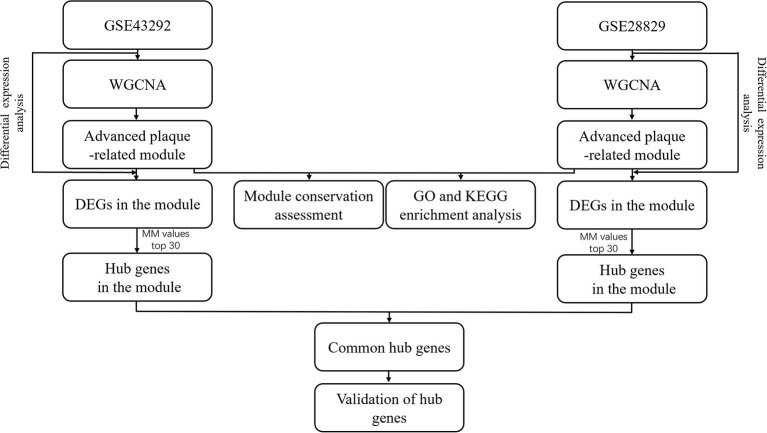
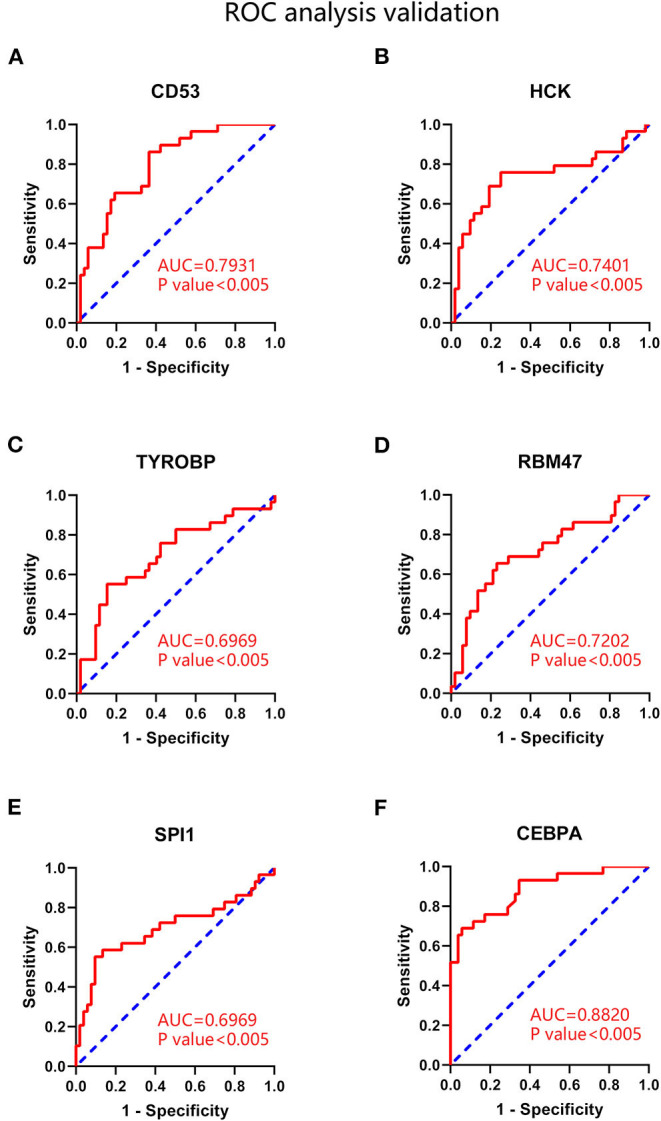
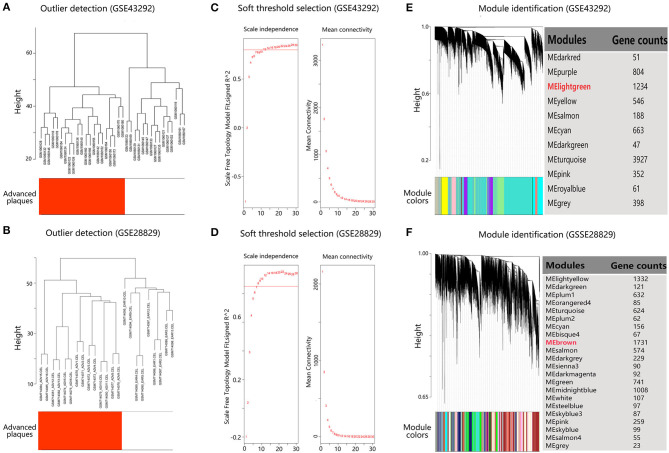
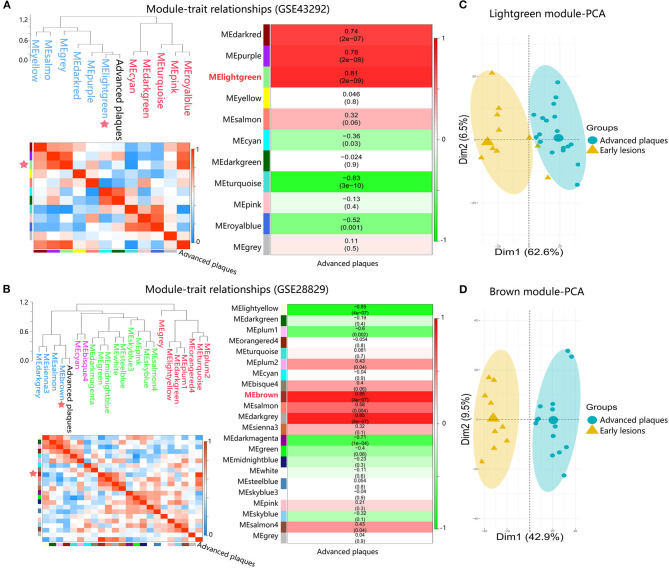
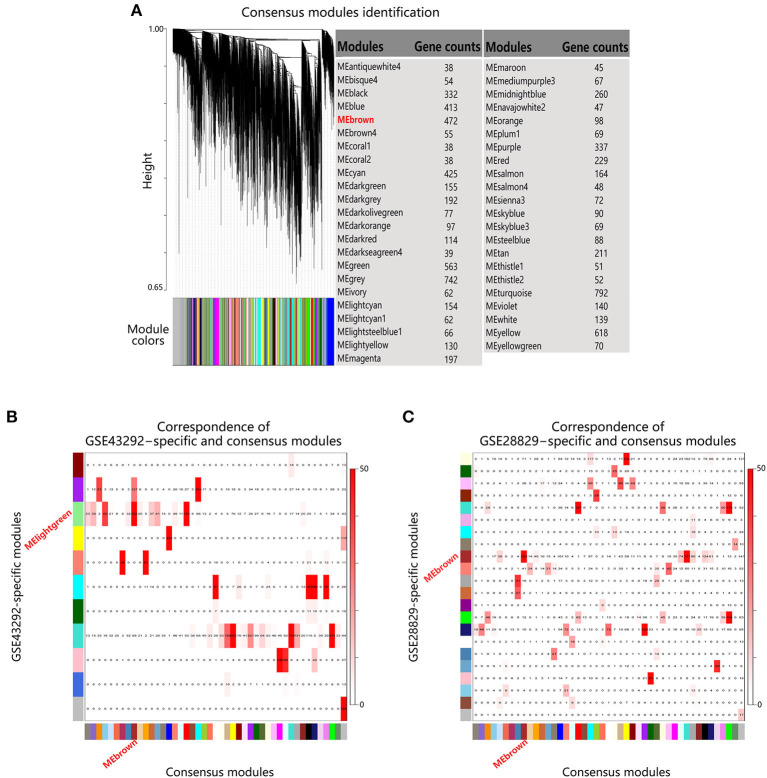
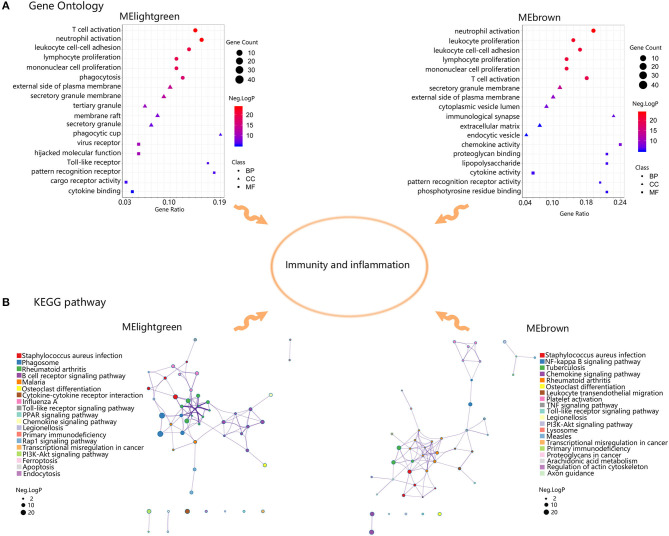
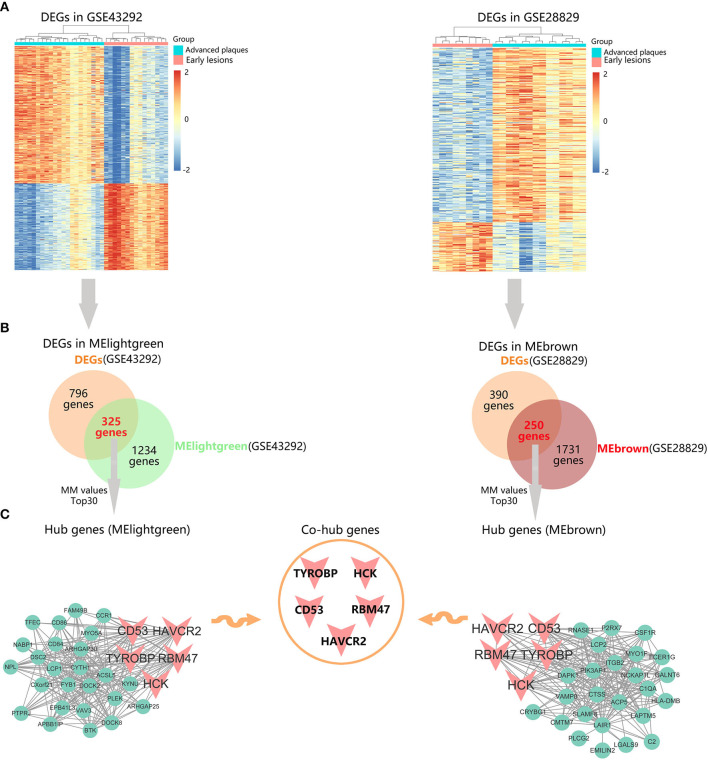
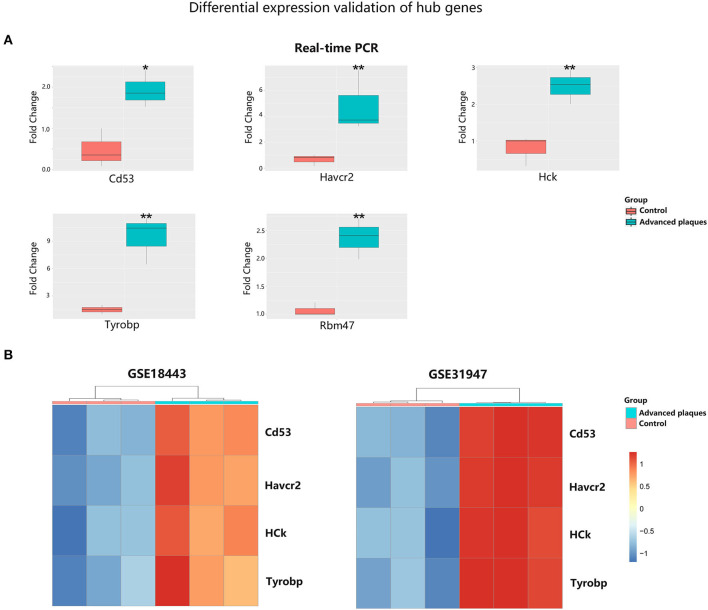
Atherosclerotic cardiovascular diseases accounted for a quarter of global deaths. Most of these fatal diseases like coronary atherosclerotic disease (CAD) and stroke occur in the advanced stage of atherosclerosis, during which candidate therapeutic targets have not been fully established. This study aims to identify hub genes and possible regulatory targets involved in treatment of advanced atherosclerotic plaques. Microarray dataset GSE43292 and GSE28829, both containing advanced atherosclerotic plaques group and early lesions group, were obtained from the Gene Expression Omnibus database. Weighted gene co-expression network analysis (WGCNA) was conducted to identify advanced plaque-related modules. Module conservation analysis was applied to assess the similarity of advanced plaque-related modules between GSE43292 and GSE28829. Gene Ontology (GO) and Kyoto Encyclopedia of Genes and Genomes (KEGG) enrichment analysis of these modules were performed by Metascape. Differentially expressed genes (DEGs) were mapped into advanced plaque-related modules and module membership values of DEGs in each module were calculated to identify hub genes. Hub genes were further validated for expression in atherosclerotic samples, for distinguishing capacity of CAD and for potential functions in advanced atherosclerosis. The lightgreen module (MElightgreen) in GSE43292 and the brown module (MEbrown) in GSE28829 were identified as advanced plaque-related modules. Conservation analysis of these two modules showed high similarity. GO and KEGG enrichment analysis revealed that genes in both MElightgreen and MEbrown were enriched in immune cell activation, secretory granules, cytokine activity, and immunoinflammatory signaling. RBM47, HCK, CD53, TYROBP, and HAVCR2 were identified as common hub genes, which were validated to be upregulated in advanced atherosclerotic plaques, to well distinguish CAD patients from non-CAD people and to regulate immune cell function-related mechanisms in advanced atherosclerosis. We have identified RBM47, HCK, CD53, TYROBP, and HAVCR2 as immune-responsive hub genes related to advanced plaques, which may provide potential intervention targets to treat advanced atherosclerotic plaques.
动脉粥样硬化性心血管疾病占全球死亡人数的四分之一。这些致命疾病大多如冠状动脉粥样硬化性心脏病(CAD)和中风,发生在动脉粥样硬化的晚期,而在此阶段,候选治疗靶点尚未完全确立。本研究旨在识别参与晚期动脉粥样硬化斑块治疗的枢纽基因和可能的调控靶点。从基因表达综合数据库中获取了微阵列数据集GSE43292和GSE28829,二者均包含晚期动脉粥样硬化斑块组和早期病变组。进行加权基因共表达网络分析(WGCNA)以识别与晚期斑块相关的模块。应用模块保守性分析来评估GSE43292和GSE28829之间与晚期斑块相关模块的相似性。通过Metascape对这些模块进行基因本体(GO)和京都基因与基因组百科全书(KEGG)富集分析。将差异表达基因(DEG)映射到与晚期斑块相关的模块中,并计算每个模块中DEG的模块成员值以识别枢纽基因。进一步验证枢纽基因在动脉粥样硬化样本中的表达、区分CAD的能力以及在晚期动脉粥样硬化中的潜在功能。GSE43292中的浅绿色模块(MElightgreen)和GSE28829中的棕色模块(MEbrown)被识别为与晚期斑块相关的模块。对这两个模块的保守性分析显示出高度相似性。GO和KEGG富集分析表明,MElightgreen和MEbrown中的基因均富集于免疫细胞激活、分泌颗粒、细胞因子活性和免疫炎症信号传导。RBM47、HCK、CD53、TYROBP和HAVCR2被识别为共同的枢纽基因,经证实它们在晚期动脉粥样硬化斑块中上调,能够很好地区分CAD患者和非CAD人群,并在晚期动脉粥样硬化中调节免疫细胞功能相关机制。我们已将RBM47、HCK、CD53、TYROBP和HAVCR2识别为与晚期斑块相关的免疫反应性枢纽基因,这可能为治疗晚期动脉粥样硬化斑块提供潜在的干预靶点。