Department of Critical-Care Medicine, Tongji Hospital, Tongji Medical College, Huazhong University of Science and Technology, 1095# Jiefang Ave, Wuhan, 430030, China.
Department of Emergency Medicine, Tongji Hospital, Tongji Medical College, Huazhong University of Science and Technology, Wuhan, China.
Crit Care. 2023 Jul 18;27(1):290. doi: 10.1186/s13054-023-04579-3.
The present study aimed to investigate the correlation between weight status and mortality in mechanically ventilated patients and explore the potential mediators.
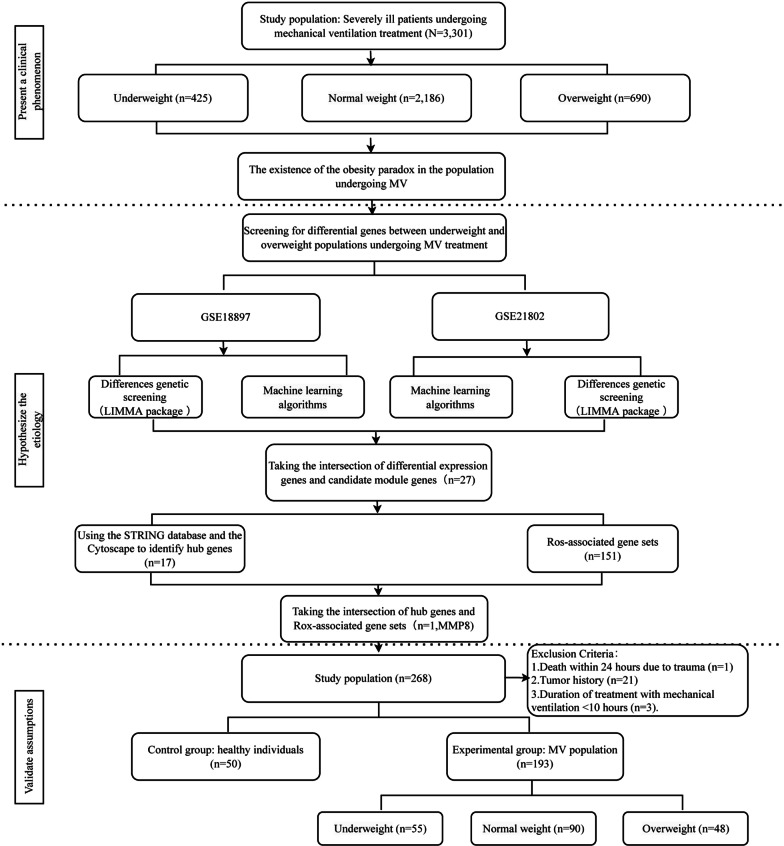
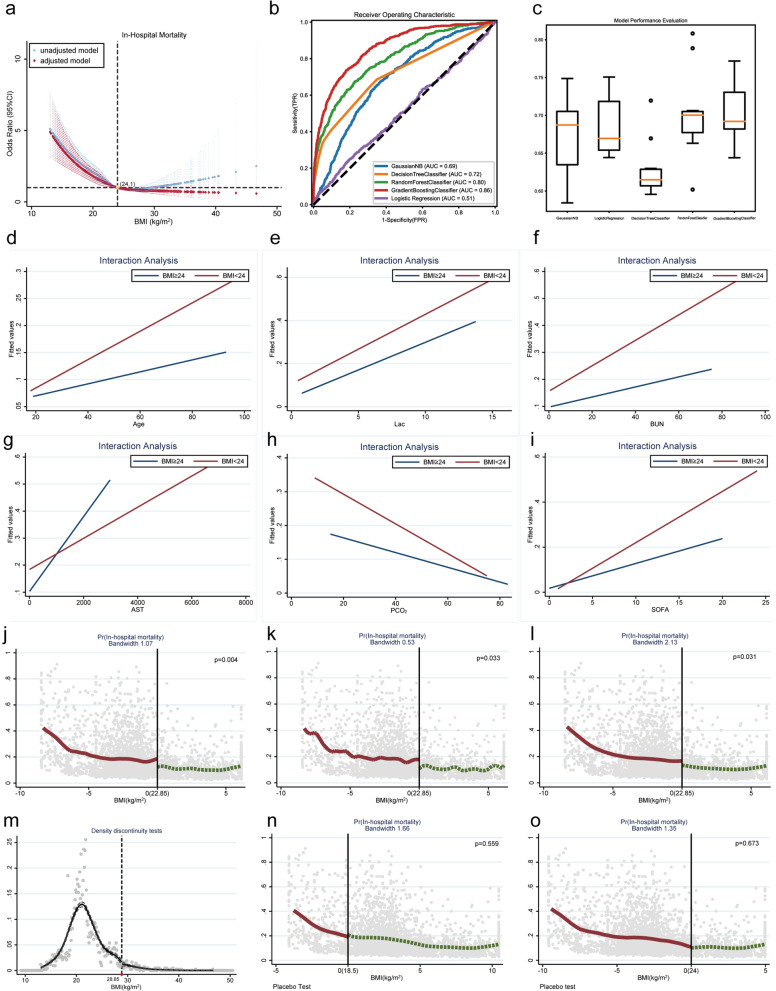
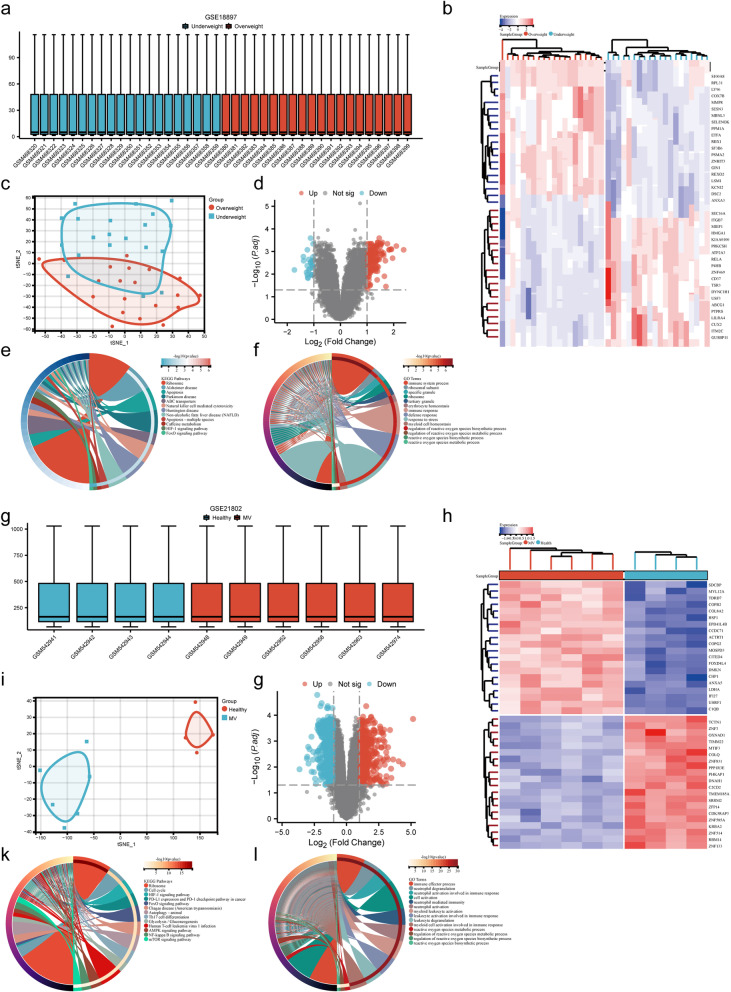
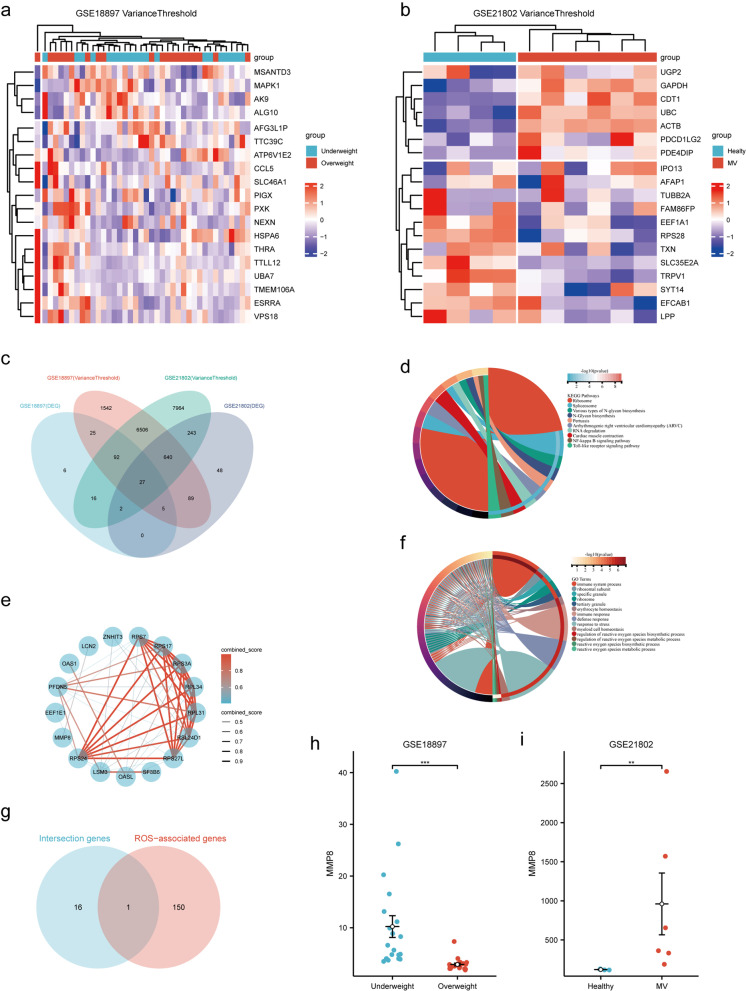
Three medical centers encompassing 3301 critically ill patients receiving mechanical ventilation were assembled for retrospective analysis to compare mortality across various weight categories of patients using machine learning algorithms. Bioinformatics analysis identified genes exhibiting differential expression among distinct weight categories. A prospective study was then conducted on a distinct cohort of 50 healthy individuals and 193 other mechanically ventilated patients. The expression levels of the genes identified through bioinformatics analysis were quantified through enzyme-linked immunosorbent assay (ELISA).
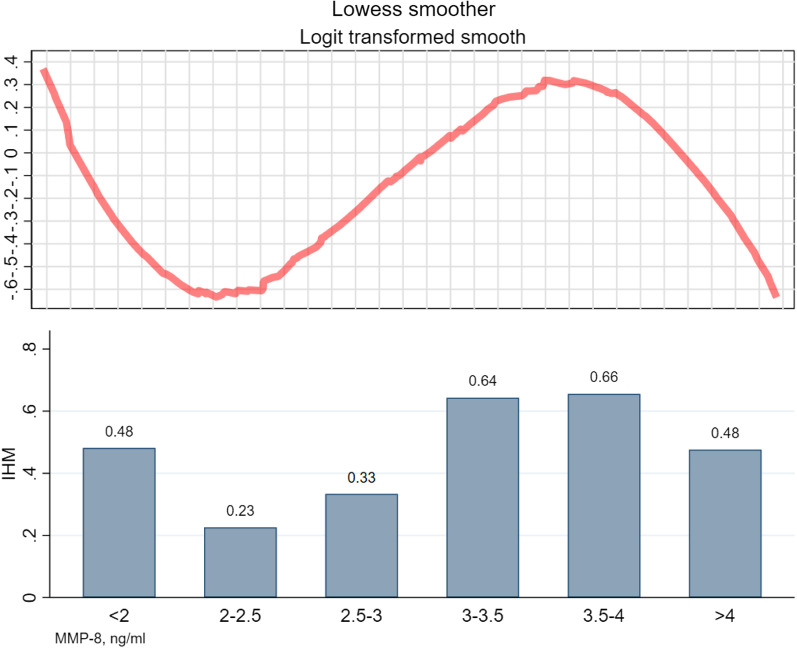
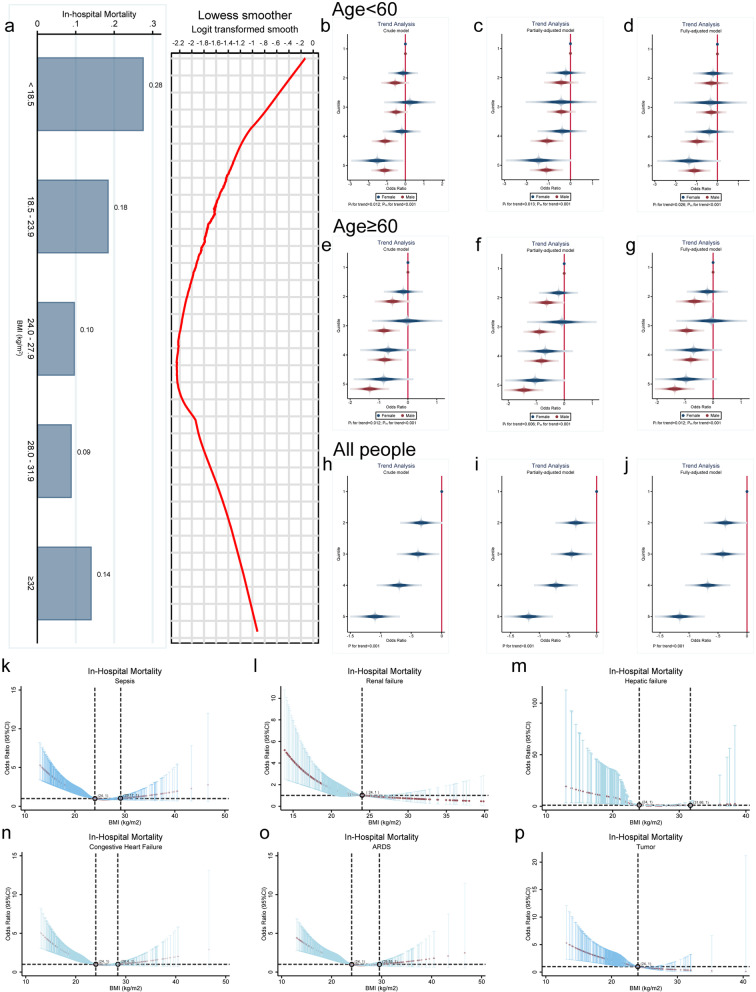
The retrospective analysis revealed that overweight individuals had a lower mortality rate than underweight individuals, and body mass index (BMI) was an independent protective factor. Bioinformatics analysis identified matrix metalloproteinase 8 (MMP-8) as a differentially expressed gene between overweight and underweight populations. The results of further prospective studies showed that overweight patients had significantly lower MMP-8 levels than underweight patients ((3.717 (2.628, 4.191) vs. 2.763 (1.923, 3.753), ng/ml, P = 0.002). High MMP-8 levels were associated with increased mortality risk (OR = 4.249, P = 0.005), indicating that elevated level of MMP-8 predicts the mortality risk of underweight patients receiving mechanical ventilation.
This study provides evidence for a protective effect of obesity in mechanically ventilated patients and highlights the potential role of MMP-8 level as a biomarker for predicting mortality risk in this population.
本研究旨在探讨机械通气患者的体重状况与死亡率之间的相关性,并探讨潜在的介导因素。
我们汇集了三家医疗中心的 3301 例接受机械通气的危重症患者进行回顾性分析,使用机器学习算法比较不同体重组患者的死亡率。生物信息学分析鉴定出在不同体重组之间差异表达的基因。然后对 50 名健康个体和 193 名其他机械通气患者的另一队列进行前瞻性研究。通过酶联免疫吸附试验(ELISA)定量分析通过生物信息学分析鉴定出的基因的表达水平。
回顾性分析显示,超重患者的死亡率低于体重不足患者,体重指数(BMI)是独立的保护因素。生物信息学分析鉴定出基质金属蛋白酶 8(MMP-8)是超重和体重不足人群之间差异表达的基因。进一步前瞻性研究的结果表明,超重患者的 MMP-8 水平明显低于体重不足患者((3.717(2.628,4.191)比 2.763(1.923,3.753),ng/ml,P=0.002)。高 MMP-8 水平与死亡率增加相关(OR=4.249,P=0.005),表明 MMP-8 水平升高预测接受机械通气的体重不足患者的死亡率风险。
本研究为肥胖在机械通气患者中具有保护作用提供了证据,并强调了 MMP-8 水平作为预测该人群死亡率风险的生物标志物的潜在作用。