Neuroscience Interdisciplinary Program, University of Arizona, 1503 E. University Blvd., Tucson, AZ 85719, USA.
Department of Neurosurgery, University of Texas Southwestern Medical School, Dallas, TX, USA.
Neuron. 2023 Oct 4;111(19):3119-3130.e4. doi: 10.1016/j.neuron.2023.06.015. Epub 2023 Jul 18.
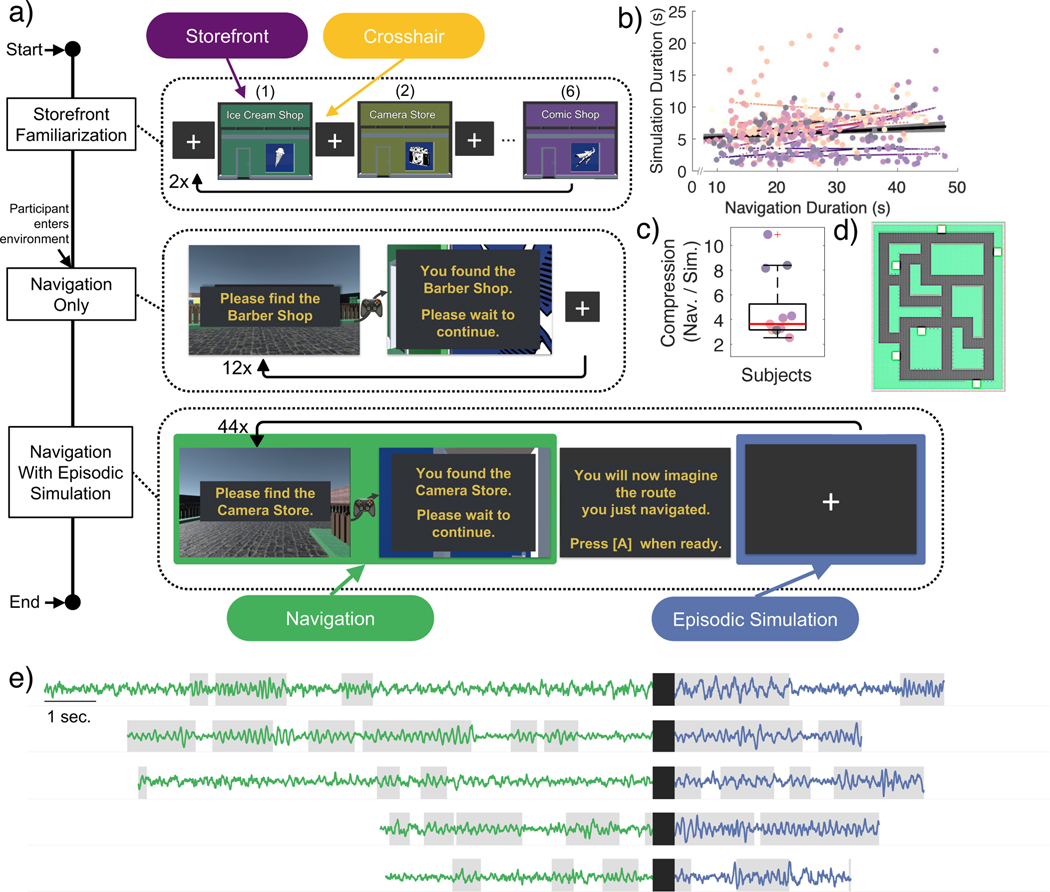
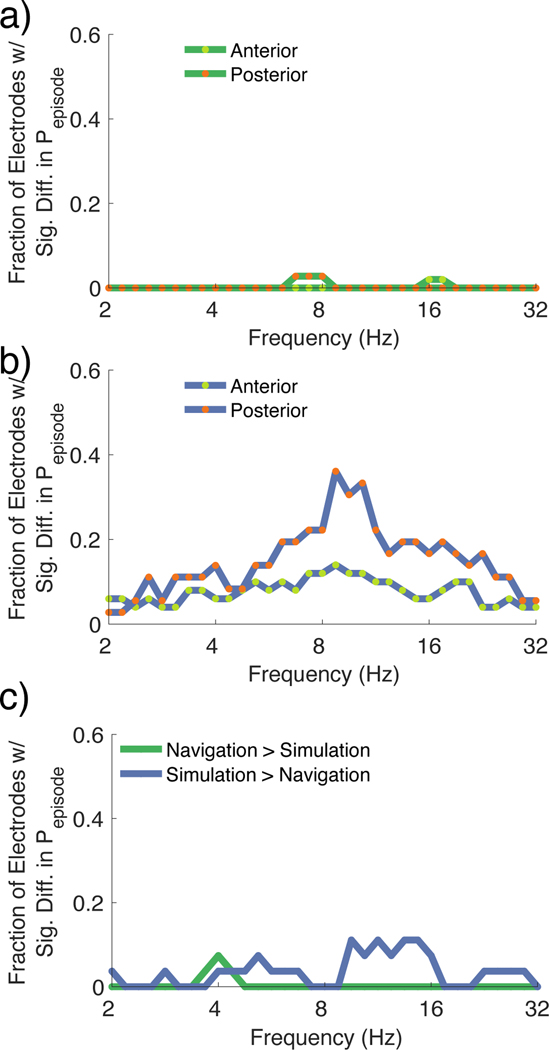
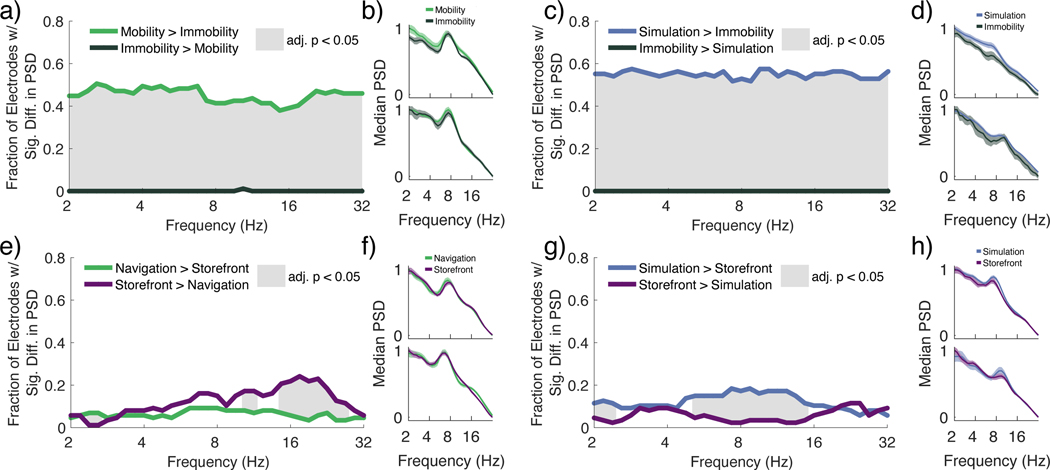
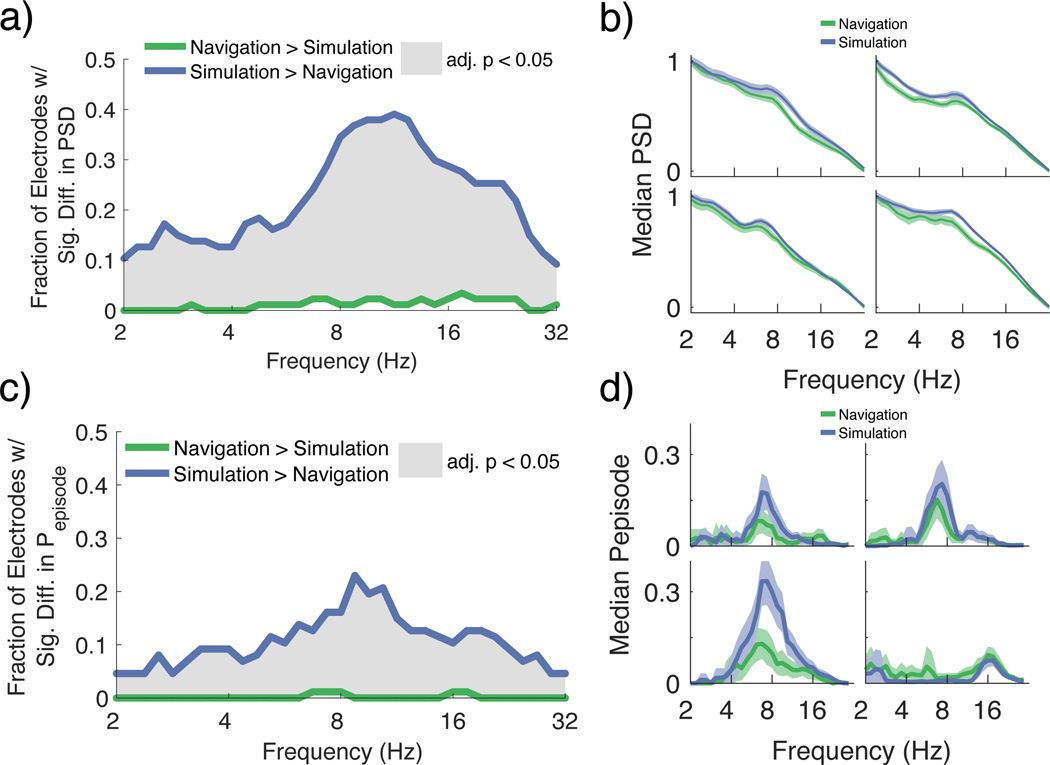
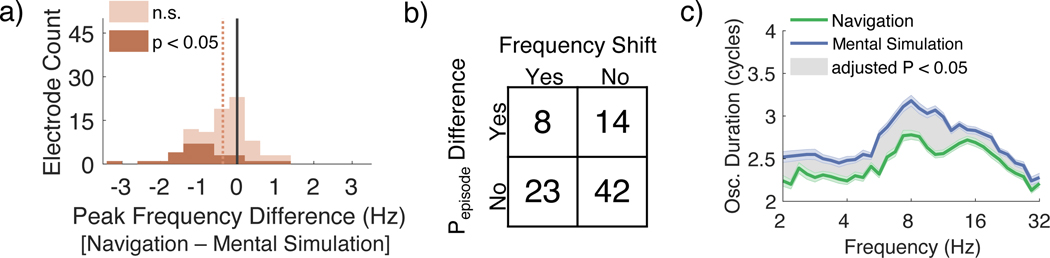
Decades of work in rodents suggest that movement is a powerful driver of hippocampal low-frequency "theta" oscillations. Puzzlingly, such movement-related theta increases in primates are less sustained and of lower frequency, leading to questions about their functional relevance. Verbal memory encoding and retrieval lead to robust increases in low-frequency oscillations in humans, and one possibility is that memory might be a stronger driver of hippocampal theta oscillations in humans than navigation. Here, neurosurgical patients navigated routes and then immediately mentally simulated the same routes while undergoing intracranial recordings. We found that mentally simulating the same route that was just navigated elicited oscillations that were of greater power, higher frequency, and longer duration than those involving navigation. Our findings suggest that memory is a more potent driver of human hippocampal theta oscillations than navigation, supporting models of internally generated theta oscillations in the human hippocampus.
几十年来,啮齿动物的研究表明,运动是海马体低频“θ”振荡的强大驱动力。令人费解的是,灵长类动物的这种与运动相关的θ波增加持续时间较短,频率较低,这引发了关于其功能相关性的问题。言语记忆编码和检索会导致人类低频振荡的剧烈增加,一种可能性是,与导航相比,记忆可能是人类海马体θ波振荡的更强驱动力。在这里,神经外科患者在进行颅内记录的同时,导航路线,然后立即在大脑中模拟相同的路线。我们发现,模拟刚刚导航过的相同路线会引起的振荡,其功率、频率和持续时间都比导航时的振荡更大。我们的发现表明,与导航相比,记忆是人类海马体θ波振荡的更强大驱动力,支持了人类海马体中内源性产生的θ波振荡模型。