Machín Abniel, Cotto María, Ducongé José, Márquez Francisco
Divisionof Natural Sciences and Technology, Universidad Ana G. Méndez-Cupey Campus, San Juan, PR 00926, USA.
Nanomaterials Research Group, Department of Natural Sciences and Technology, Universidad Ana G. Méndez-Gurabo Campus, Gurabo, PR 00778, USA.
Biomimetics (Basel). 2023 Jul 9;8(3):298. doi: 10.3390/biomimetics8030298.
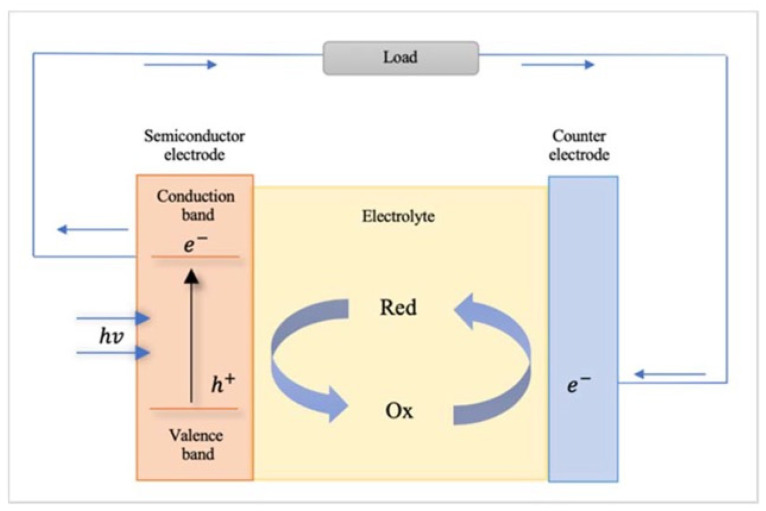
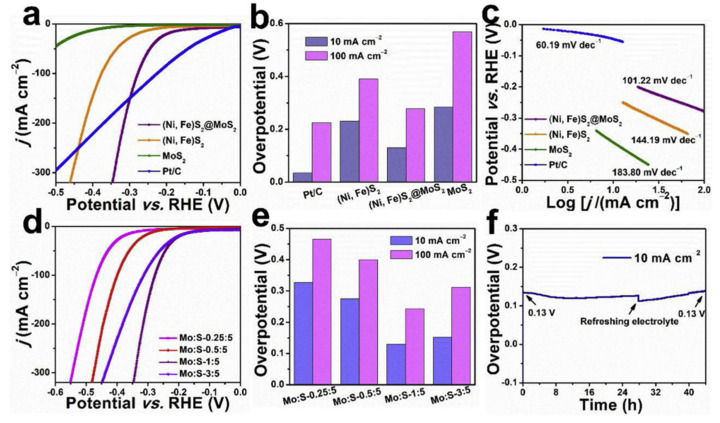
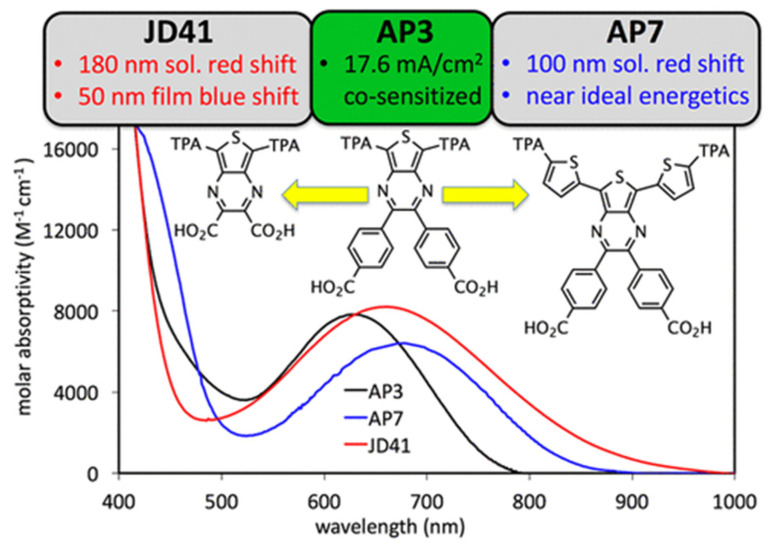
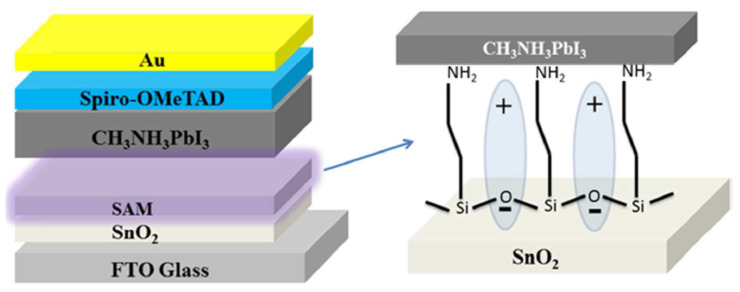
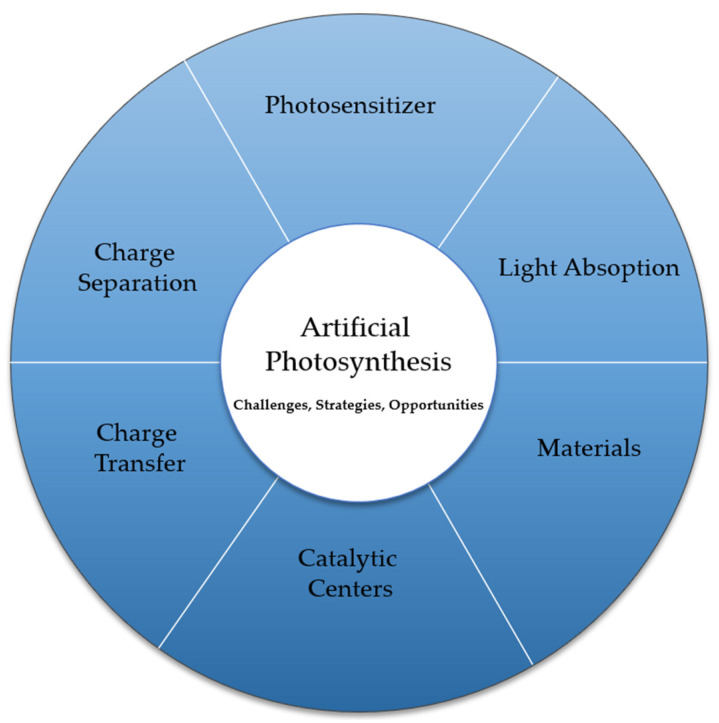
Artificial photosynthesis is a technology with immense potential that aims to emulate the natural photosynthetic process. The process of natural photosynthesis involves the conversion of solar energy into chemical energy, which is stored in organic compounds. Catalysis is an essential aspect of artificial photosynthesis, as it facilitates the reactions that convert solar energy into chemical energy. In this review, we aim to provide an extensive overview of recent developments in the field of artificial photosynthesis by catalysis. We will discuss the various catalyst types used in artificial photosynthesis, including homogeneous catalysts, heterogeneous catalysts, and biocatalysts. Additionally, we will explore the different strategies employed to enhance the efficiency and selectivity of catalytic reactions, such as the utilization of nanomaterials, photoelectrochemical cells, and molecular engineering. Lastly, we will examine the challenges and opportunities of this technology as well as its potential applications in areas such as renewable energy, carbon capture and utilization, and sustainable agriculture. This review aims to provide a comprehensive and critical analysis of state-of-the-art methods in artificial photosynthesis by catalysis, as well as to identify key research directions for future advancements in this field.
人工光合作用是一项具有巨大潜力的技术,旨在模拟自然光合作用过程。自然光合作用过程涉及将太阳能转化为化学能,并将其存储在有机化合物中。催化是人工光合作用的一个重要方面,因为它促进了将太阳能转化为化学能的反应。在本综述中,我们旨在全面概述催化领域人工光合作用的最新进展。我们将讨论人工光合作用中使用的各种催化剂类型,包括均相催化剂、多相催化剂和生物催化剂。此外,我们将探索用于提高催化反应效率和选择性的不同策略,例如纳米材料的利用、光电化学电池和分子工程。最后,我们将研究该技术的挑战和机遇,以及其在可再生能源、碳捕获与利用以及可持续农业等领域的潜在应用。本综述旨在对催化领域人工光合作用的现有方法进行全面而批判性的分析,并确定该领域未来进展的关键研究方向。