Stasiłowicz-Krzemień Anna, Sip Szymon, Szulc Piotr, Cielecka-Piontek Judyta
Department of Pharmacognosy and Biomaterials, Faculty of Pharmacy, Poznan University of Medical Sciences, Rokietnicka 3, 60-806 Poznan, Poland.
Department of Agronomy, Poznań University of Life Sciences, Dojazd 11, 60-632 Poznan, Poland.
Antioxidants (Basel). 2023 Jul 6;12(7):1390. doi: 10.3390/antiox12071390.
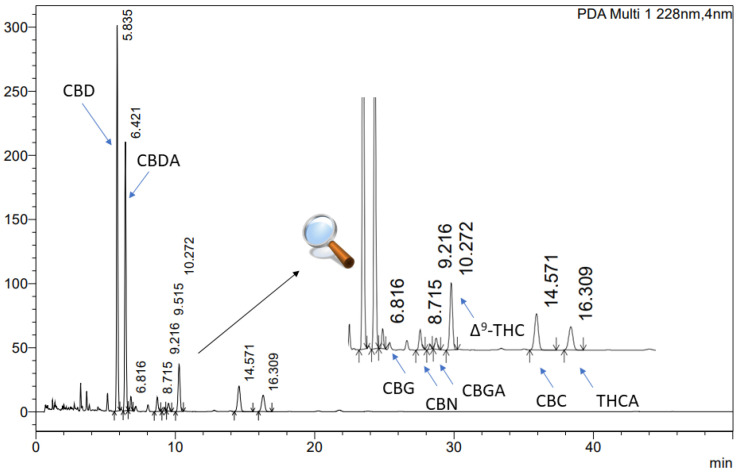
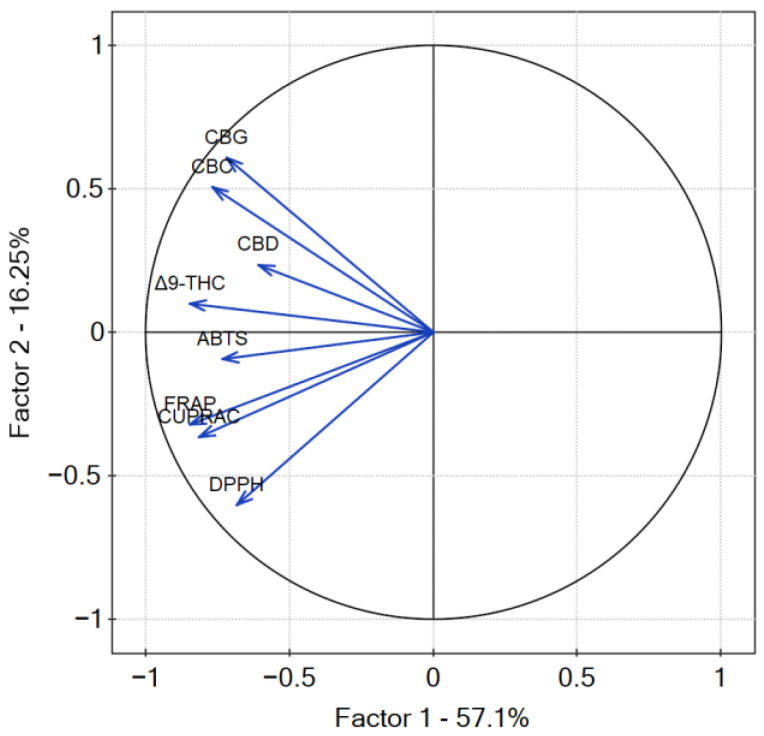
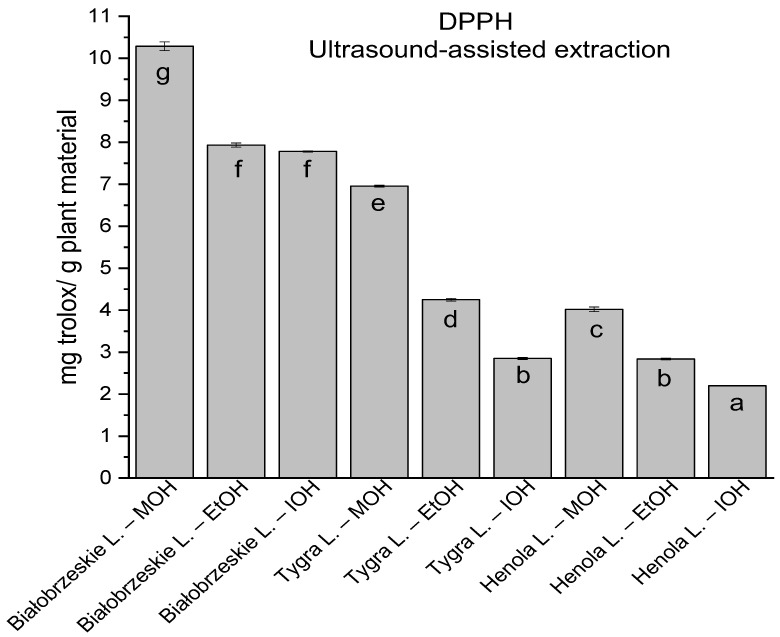
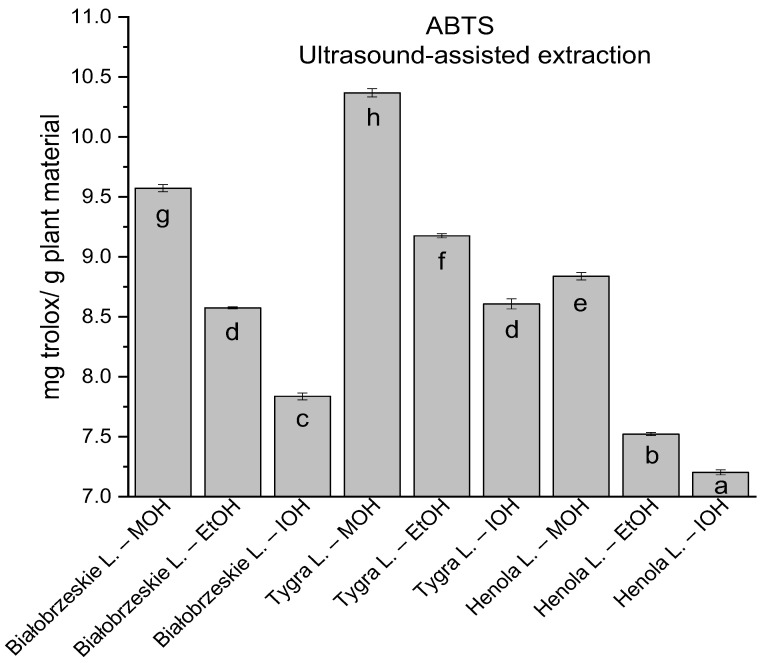
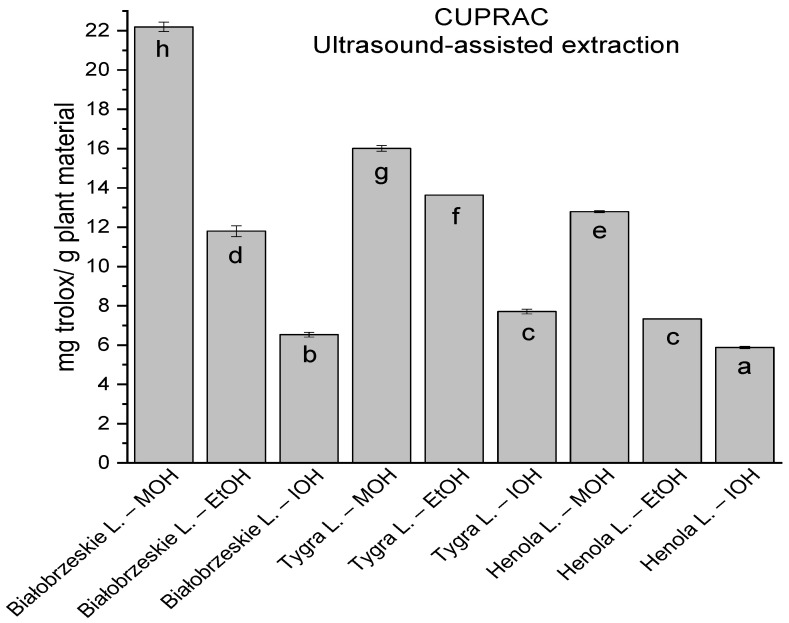
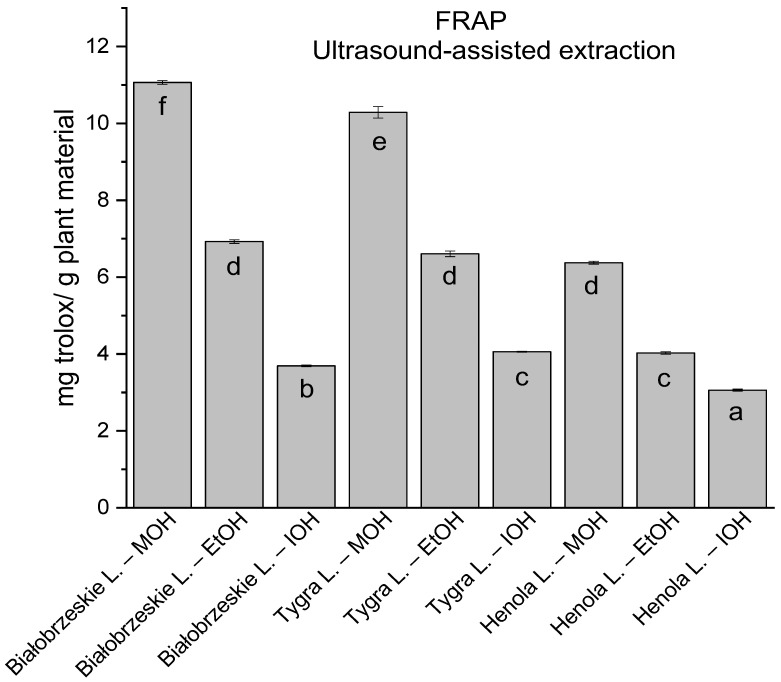
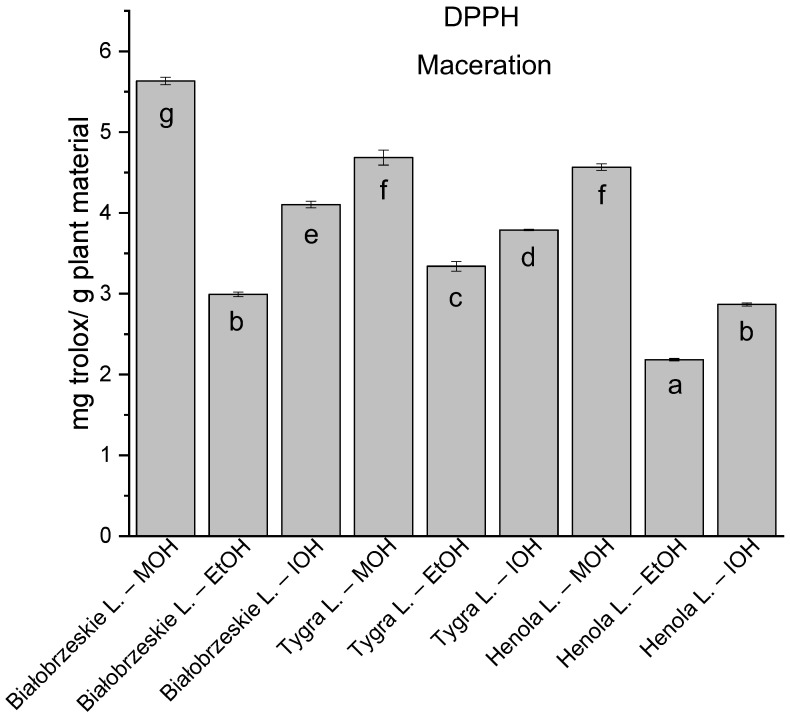
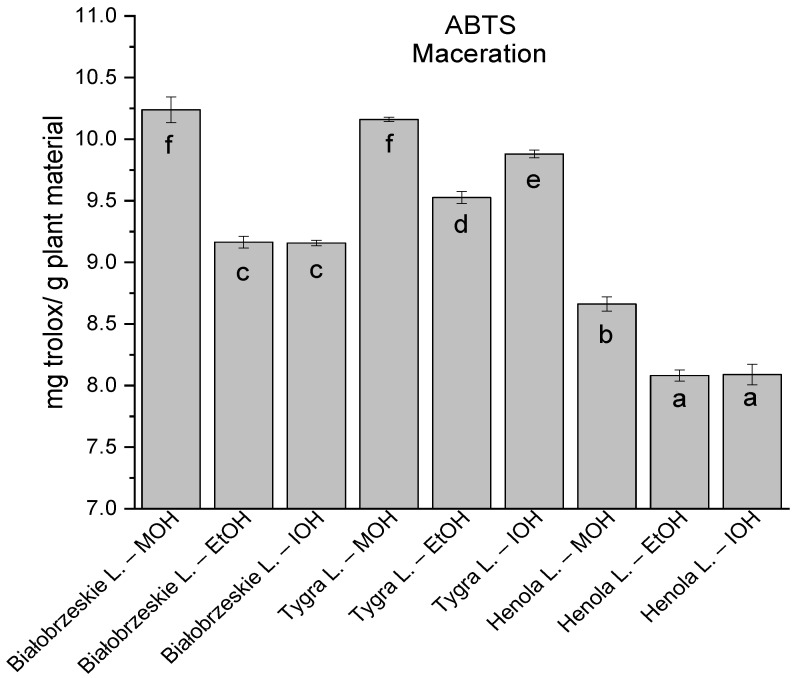
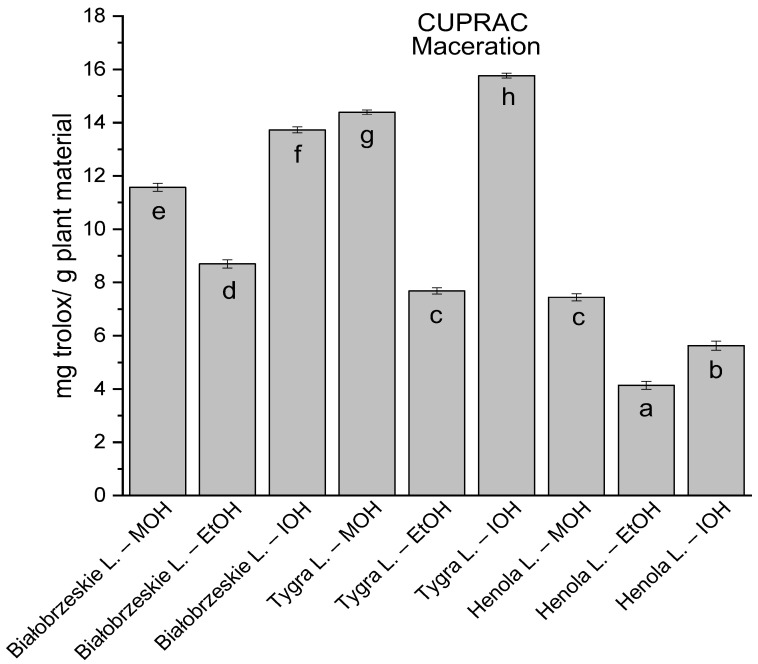
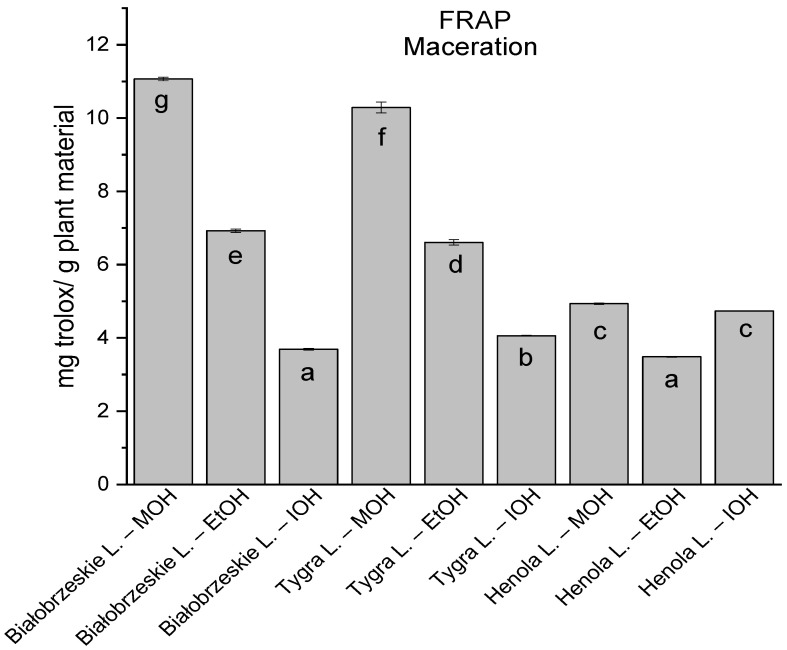
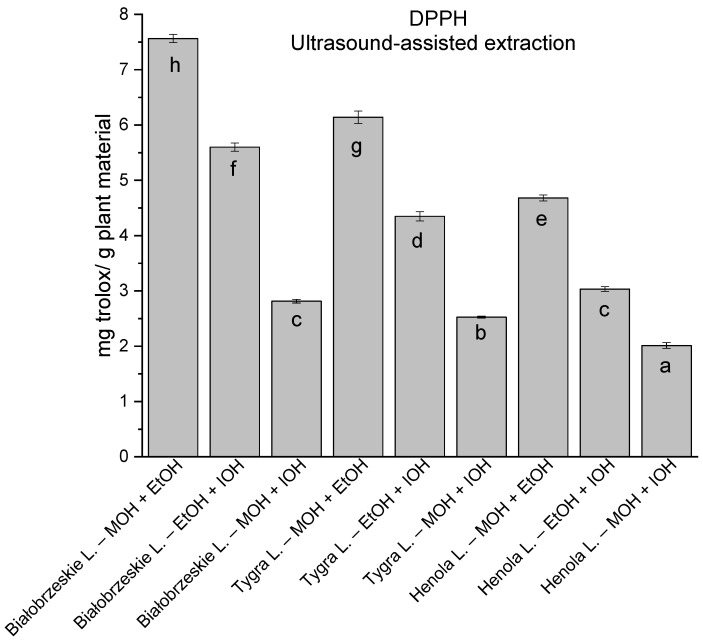
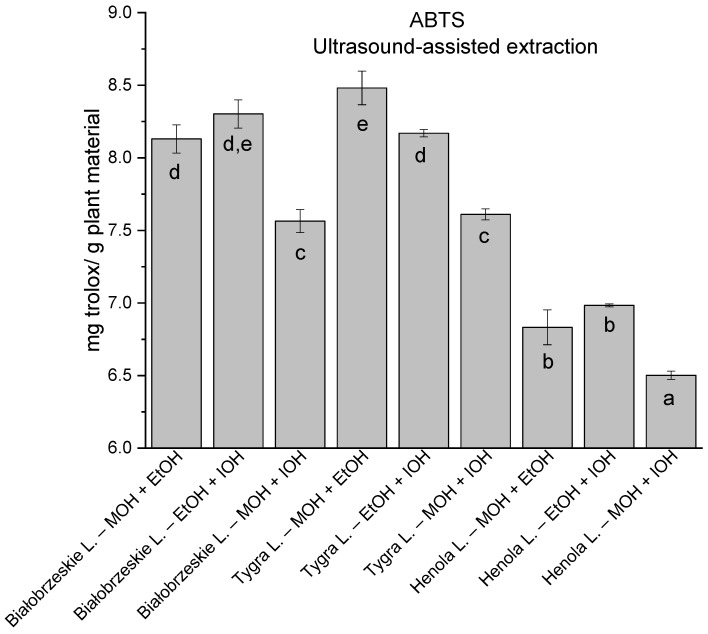
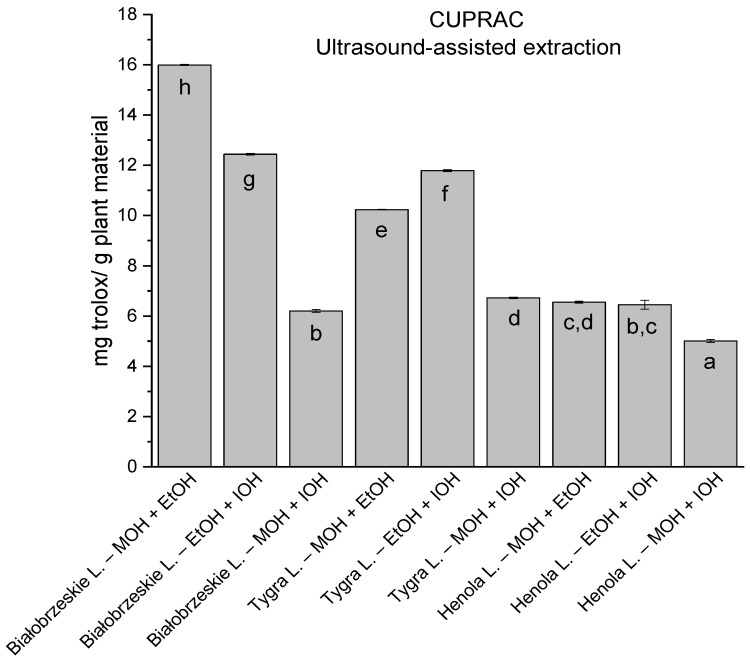
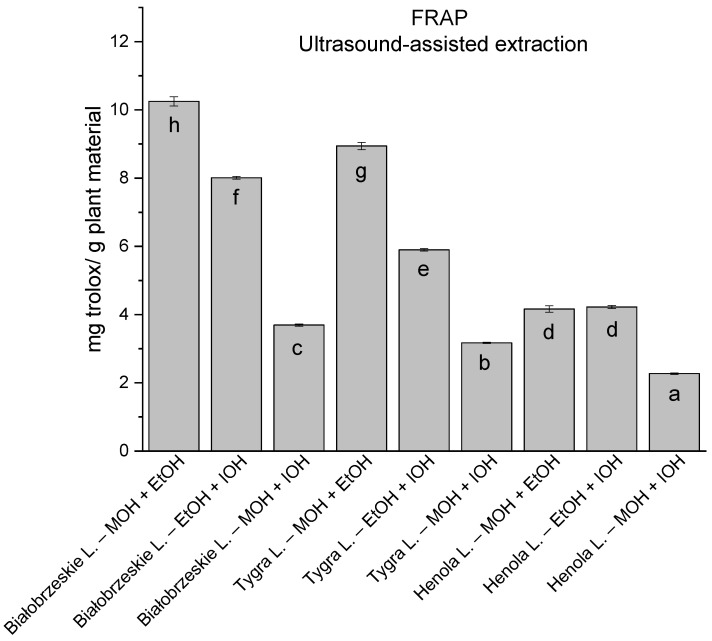
Cannabis leaves contain a diverse range of antioxidants, including cannabinoids, flavonoids, and phenolic compounds, which offer significant health benefits. Utilising cannabis leaves as a source of antioxidants presents a cost-effective approach because they are typically discarded during the cultivation of cannabis plants for their seeds or fibres. Therefore, this presented study aimed to assess the antioxidant activity of the leaves of selected hemp cultivars, such as Białobrzeska, Tygra, and Henola, based on the results obtained with the 2,2'-Azino-bis(3-ethylbenzthiazoline-6-sulfonic acid, ferric reducing antioxidant power, cupric reducing antioxidant capacity, and 2,2-Diphenyl-1-picrylhydrazyl assays. The cannabinoid profile was analysed for the antioxidant activity to the contents of cannabidiol (CBD), cannabigerol (CBG), Δ-tetrahydrocannabinol (Δ-THC), and cannabichromene (CBC), determined based on chromatographic assays. The following variables were tested: the impact of various extractants (methanol, ethanol, and isopropanol), and their mixtures (50:50, , as well as extraction methods (maceration and ultra-sound-assisted extraction) significant in obtaining hemp extracts characterised by different cannabinoid profiles. The results revealed that the selection of extractant and extraction conditions significantly influenced the active compounds' extraction efficiency and antioxidant activity. Among the tested conditions, ultrasound-assisted extraction using methanol yielded the highest cannabinoid profile: CBD = 184.51 ± 5.61; CBG = 6.10 ± 0.21; Δ9-THC = 0.51 ± 0.01; and CBC = 0.71 ± 0.01 μg/g antioxidant potential in Białobrzeska leaf extracts.
大麻叶含有多种抗氧化剂,包括大麻素、黄酮类化合物和酚类化合物,这些物质对健康有显著益处。将大麻叶用作抗氧化剂来源是一种经济有效的方法,因为在种植用于获取种子或纤维的大麻植物过程中,大麻叶通常会被丢弃。因此,本研究旨在根据2,2'-联氮双(3-乙基苯并噻唑啉-6-磺酸)、铁还原抗氧化能力、铜还原抗氧化能力和2,2-二苯基-1-苦基肼测定法的结果,评估选定大麻品种(如比亚沃布热斯卡、泰格拉和赫诺拉)叶片的抗氧化活性。分析了大麻素谱与大麻二酚(CBD)、大麻萜酚(CBG)、Δ-四氢大麻酚(Δ-THC)和大麻色烯(CBC)含量之间的抗氧化活性关系,这些含量是通过色谱测定法确定的。测试了以下变量:各种萃取剂(甲醇、乙醇和异丙醇)及其混合物(50:50)的影响,以及萃取方法(浸渍法和超声辅助萃取法)对获得具有不同大麻素谱特征的大麻提取物的重要性。结果表明,萃取剂和萃取条件的选择显著影响活性化合物的萃取效率和抗氧化活性。在测试条件中,使用甲醇的超声辅助萃取产生了最高的大麻素谱:比亚沃布热斯卡叶提取物中的CBD = 184.51 ± 5.61;CBG = 6.10 ± 0.21;Δ9-THC = 0.51 ± 0.01;CBC = 0.71 ± 0.01 μg/g抗氧化潜力。