Shukla Shikha, Saxena Ankit, Shukla Sanjeev K, Nazir Aamir
Division of Toxicology and Experimental Medicine, CSIR-Central Drug Research Institute, Lucknow 226031, India.
Sophisticated Analytical Instrumentation Facility and Research Division, CSIR-Central Drug Research Institute, Lucknow 226031, India.
Diagnostics (Basel). 2023 Jul 10;13(14):2322. doi: 10.3390/diagnostics13142322.
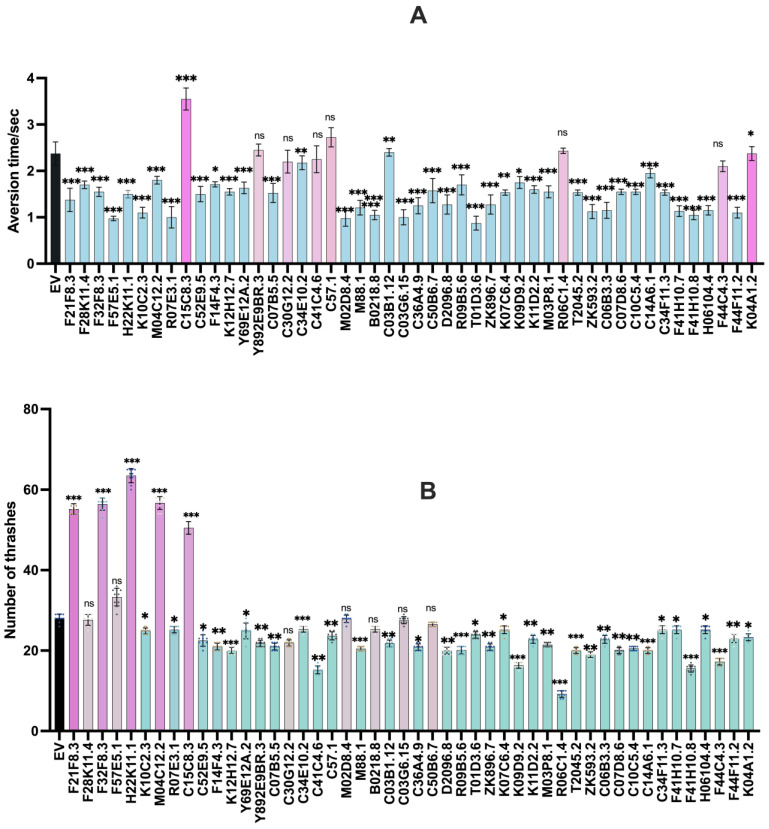
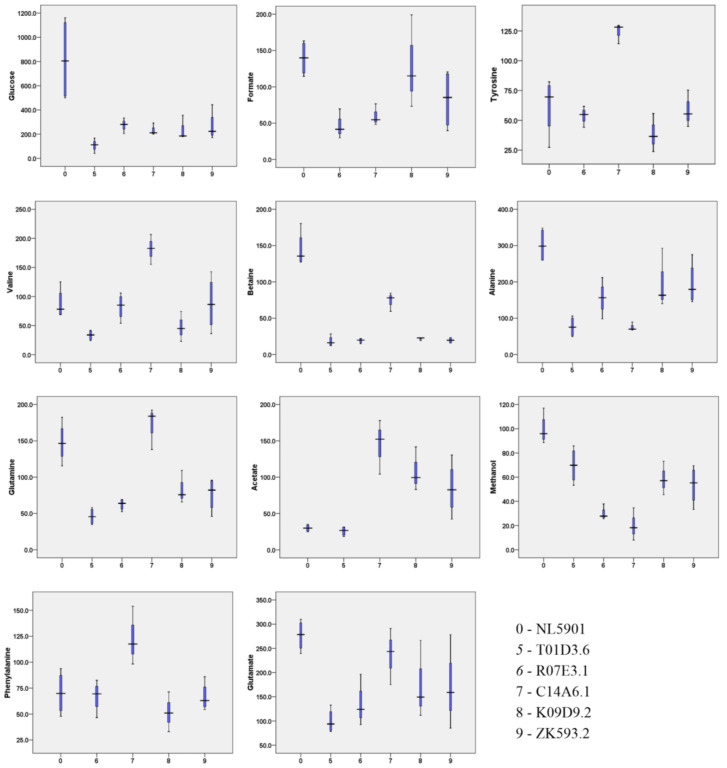
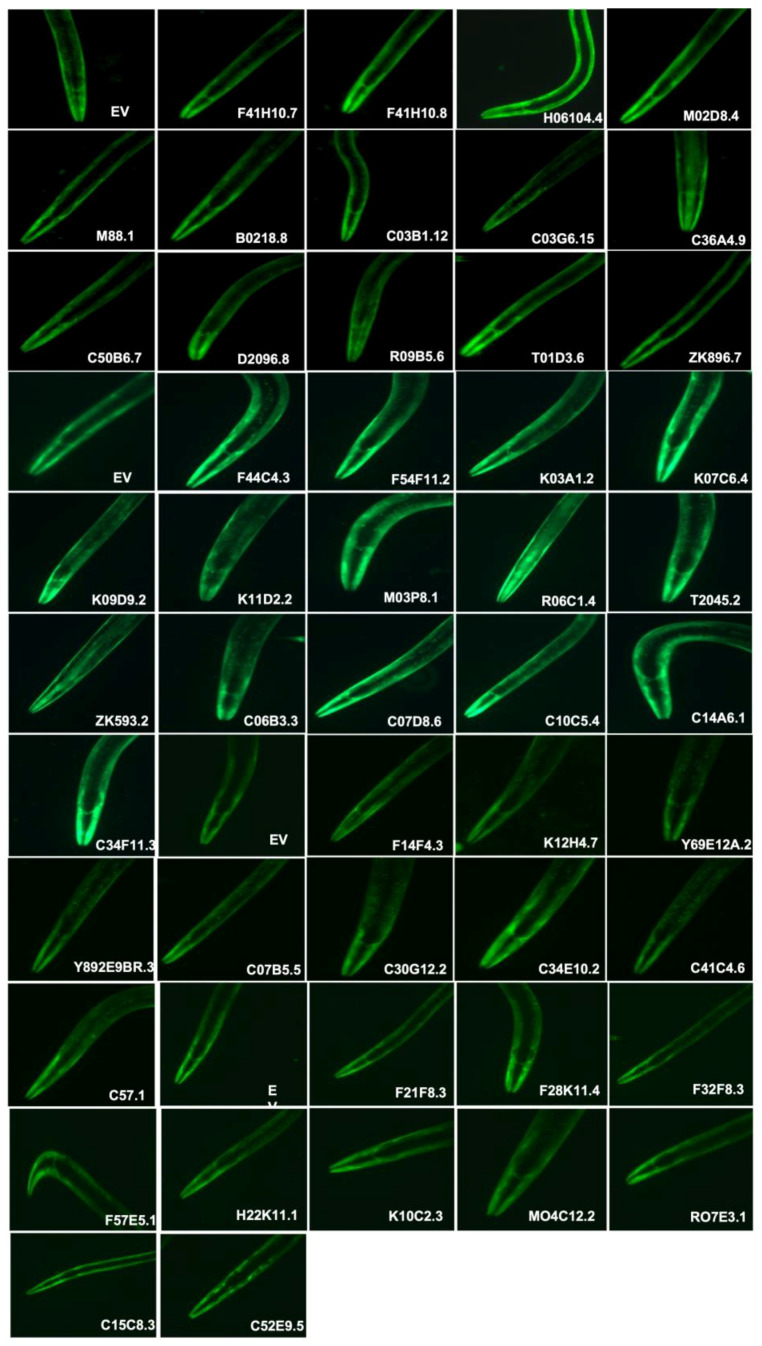
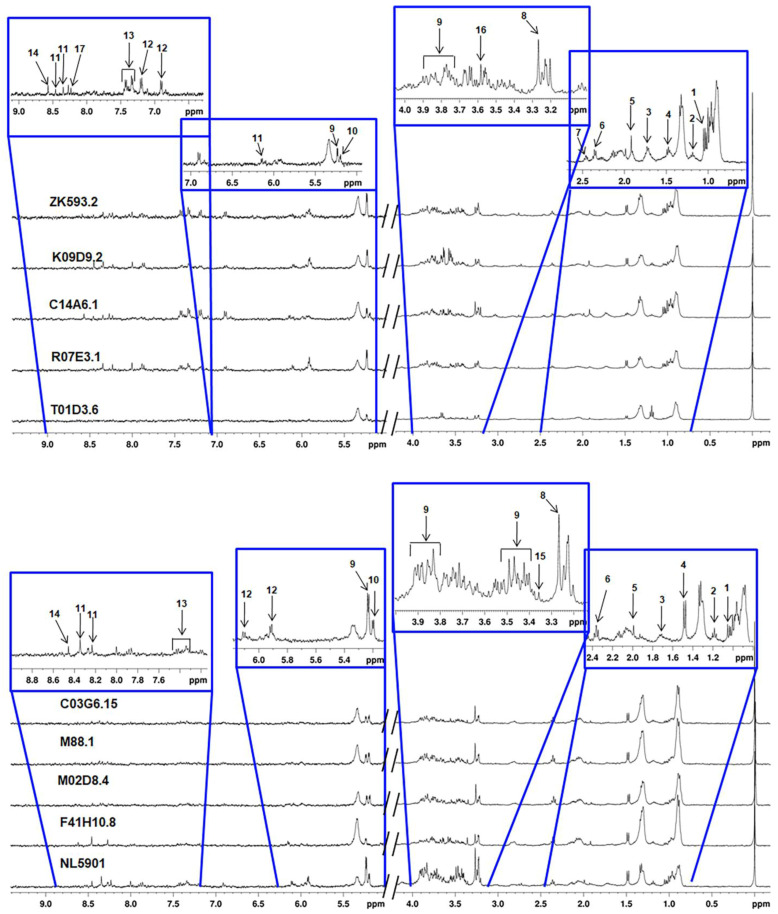
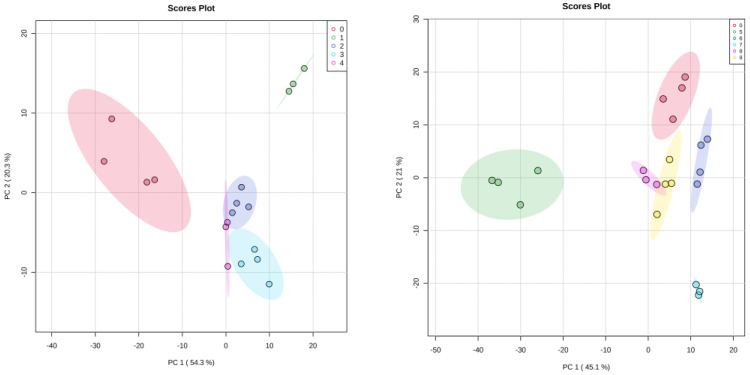
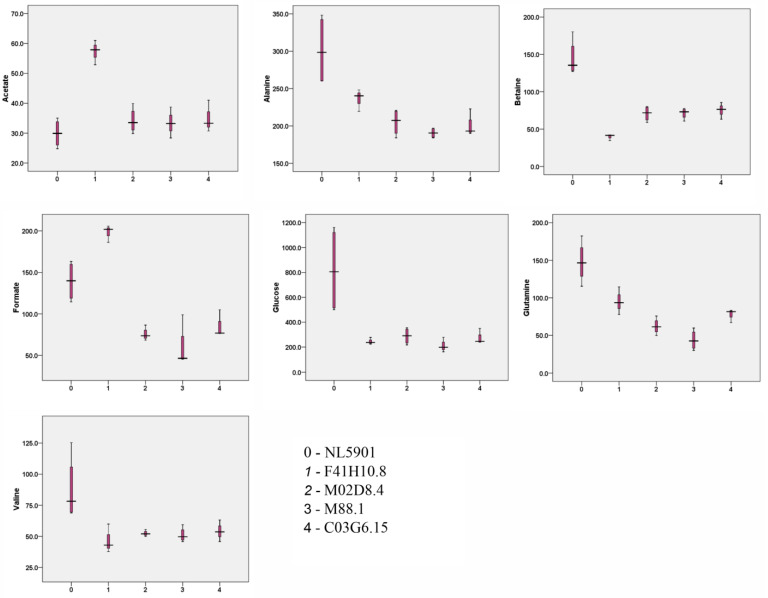
The gut is now recognized as the "second brain" of the human body due to its integral role in neuronal health and functioning. Although we know that the gut communicates with the brain via immunological factors, microbial metabolites, and neurotransmitters, the interplay of these systems remains poorly understood. To investigate this interplay, we silenced 48 genes that are exclusively or primarily expressed in the intestine. We studied the associated effects on various aspects of neurodegeneration, including proteotoxicity induced by α-Syn expression. We also assayed behaviours, such as mobility and cognition, that are governed by various neurotransmitters. We identified nine gut genes that significantly modulated these events. We further performed HR-MAS NMR-based metabolomics to recognize the metabolic variability induced by the respective RNAi conditions of , , , , , , , and . We found that key metabolites such as phenylalanine, tyrosine, inosine, and glutamine showed significant variation among the groups. Gut genes that demonstrated neuroprotective effects (, , , and ) showed elevated levels of inosine, phenylalanine, and tyrosine; whereas, genes that aggravated neurotransmitter levels demonstrated decreased levels of the same metabolites. Our results shed light on the intricate roles of gut genes in the context of neurodegeneration and suggest a new perspective on the reciprocal interrelation of gut genes, neurotransmitters, and associated metabolites. Further studies are needed to decipher the intricate roles of these genes in context of neurodegeneration in greater detail.
由于肠道在神经元健康和功能中发挥着不可或缺的作用,它如今被视为人体的“第二大脑”。尽管我们知道肠道通过免疫因子、微生物代谢产物和神经递质与大脑进行沟通,但这些系统之间的相互作用仍知之甚少。为了研究这种相互作用,我们沉默了48个专门或主要在肠道中表达的基因。我们研究了对神经退行性变各个方面的相关影响,包括由α-突触核蛋白表达诱导的蛋白毒性。我们还检测了由各种神经递质控制的行为,如运动能力和认知能力。我们鉴定出九个对这些事件有显著调节作用的肠道基因。我们进一步进行了基于高分辨魔角旋转核磁共振(HR-MAS NMR)的代谢组学研究,以识别由[此处可能应补充具体基因名称]、[此处可能应补充具体基因名称]、[此处可能应补充具体基因名称]、[此处可能应补充具体基因名称]、[此处可能应补充具体基因名称]、[此处可能应补充具体基因名称]、[此处可能应补充具体基因名称]和[此处可能应补充具体基因名称]各自的RNA干扰条件所诱导的代谢变化。我们发现,苯丙氨酸、酪氨酸、肌苷和谷氨酰胺等关键代谢产物在各组之间表现出显著差异。表现出神经保护作用的肠道基因([此处可能应补充具体基因名称]、[此处可能应补充具体基因名称]、[此处可能应补充具体基因名称]和[此处可能应补充具体基因名称])显示肌苷、苯丙氨酸和酪氨酸水平升高;而那些加剧神经递质水平的基因则显示相同代谢产物水平降低。我们的研究结果揭示了肠道基因在神经退行性变背景下的复杂作用,并为肠道基因、神经递质和相关代谢产物之间的相互关系提供了新的视角。需要进一步研究以更详细地解读这些基因在神经退行性变背景下的复杂作用。