Faculty of Electrical Engineering, University of Ljubljana, 1000 Ljubljana, Slovenia.
Sensors (Basel). 2023 Jul 23;23(14):6618. doi: 10.3390/s23146618.
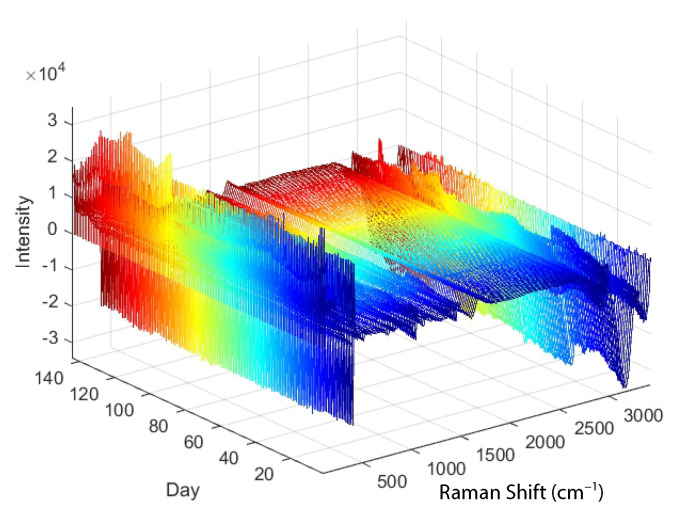
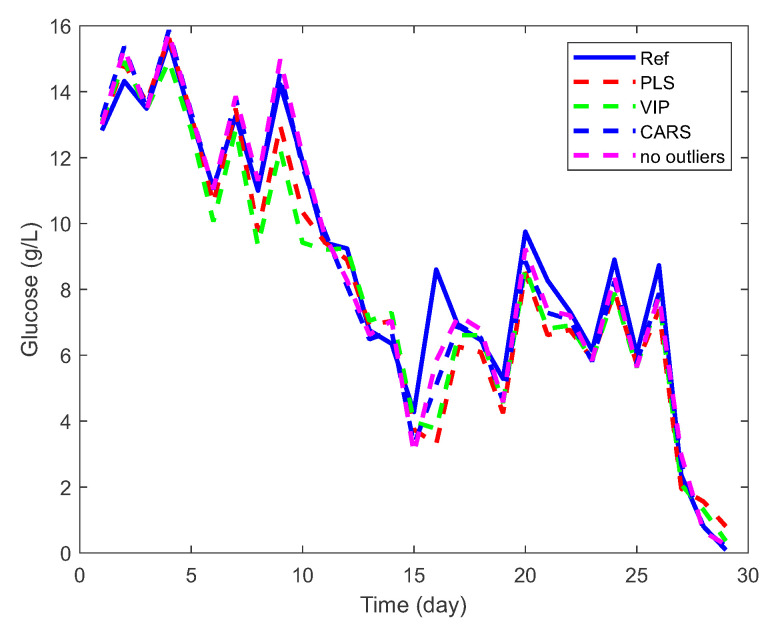
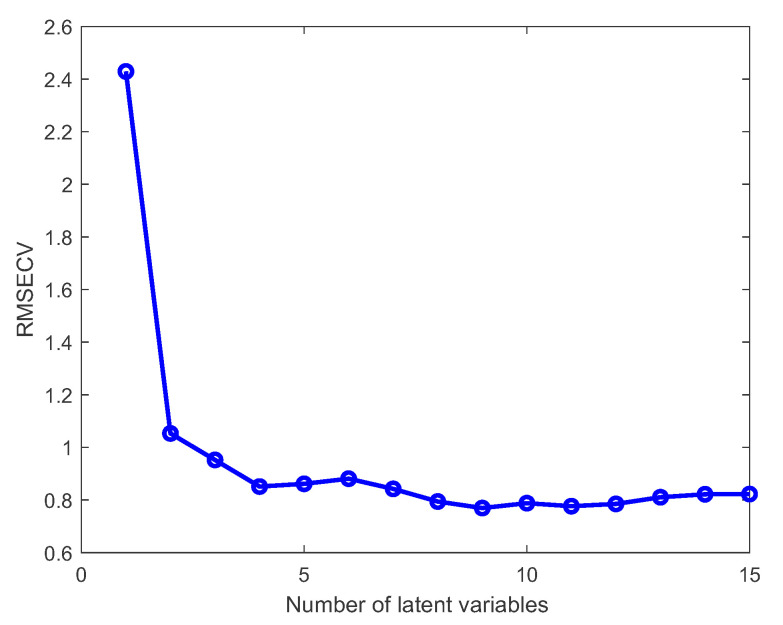
This paper presents a comprehensive study on the development of models and soft sensors required for the implementation of the automated bioreactor feeding of Chinese hamster ovary (CHO) cells using Raman spectroscopy and chemometric methods. This study integrates various methods, such as partial least squares regression and variable importance in projection and competitive adaptive reweighted sampling, and highlights their effectiveness in overcoming challenges such as high dimensionality, multicollinearity and outlier detection in Raman spectra. This paper emphasizes the importance of data preprocessing and the relationship between independent and dependent variables in model construction. It also describes the development of a simulation environment whose core is a model of CHO cell kinetics. The latter allows the development of advanced control algorithms for nutrient dosing and the observation of the effects of different parameters on the growth and productivity of CHO cells. All developed models were validated and demonstrated to have a high robustness and predictive accuracy, which were reflected in a 40% reduction in the root mean square error compared to established methods. The results of this study provide valuable insights into the practical application of these methods in the field of monitoring and automated cell feeding and make an important contribution to the further development of process analytical technology in the bioprocess industry.
本文对基于拉曼光谱和化学计量学方法实现中国仓鼠卵巢(CHO)细胞自动化生物反应器补料的模型和软传感器开发进行了全面研究。该研究综合了偏最小二乘回归、变量重要性投影和竞争性自适应重加权采样等多种方法,并强调了它们在克服拉曼光谱中高维性、多重共线性和异常值检测等挑战方面的有效性。本文强调了数据预处理和模型构建中自变量和因变量之间关系的重要性。它还描述了一个仿真环境的开发,该环境的核心是 CHO 细胞动力学模型。后者允许开发用于营养物投加的先进控制算法,并观察不同参数对 CHO 细胞生长和生产力的影响。所开发的所有模型都经过验证,证明具有很高的稳健性和预测准确性,与已建立的方法相比,均方根误差降低了 40%。本研究的结果为这些方法在监测和自动化细胞补料领域的实际应用提供了有价值的见解,并为生物工艺行业中过程分析技术的进一步发展做出了重要贡献。