Torres Vera Rocío, Bernabé García Antonio José, Carmona Álvarez Francisco José, Martínez Ruiz Jesús, Fernández Martín Félix
R&D Department, Symborg SLU, Murcia, Spain.
Folia Microbiol (Praha). 2024 Feb;69(1):121-131. doi: 10.1007/s12223-023-01078-4. Epub 2023 Aug 1.
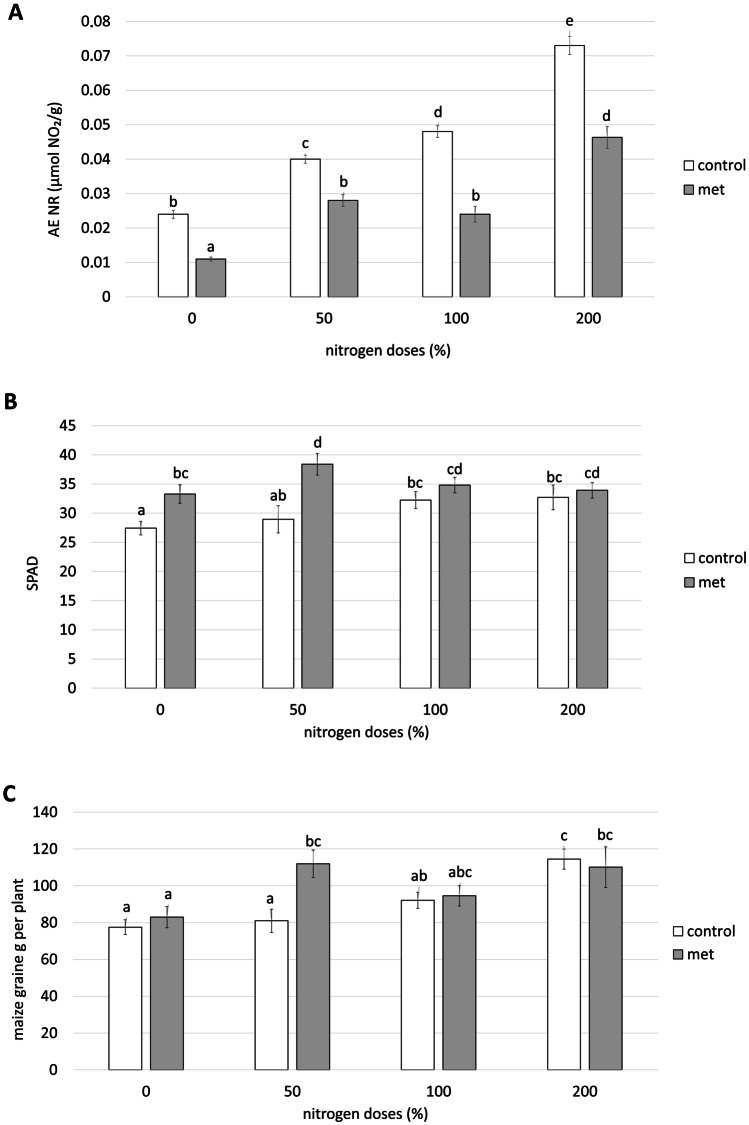
The effectiveness of Methylobacterium symbioticum in maize and strawberry plants was measured under different doses of nitrogen fertilisation. The biostimulant effect of the bacteria was observed in maize and strawberry plants treated with the biological inoculant under different doses of nitrogen fertiliser compared to untreated plants (control). It was found that bacteria allowed a 50 and 25% decrease in the amount of nitrogen applied in maize and strawberry crops, respectively, and the photosynthetic capacity increased compared with the control plant under all nutritional conditions. A decrease in nitrate reductase activity in inoculated maize plants indicated that the bacteria affects the metabolism of the plant. In addition, inoculated strawberry plants grown with a 25% reduction in nitrogen had a higher concentration of nitrogen in leaves than control plants under optimal nutritional conditions. Again, this indicates that Methylobacterium symbioticum provide an additional supply of nitrogen.
在不同氮肥施用量下,测定了共生甲基杆菌对玉米和草莓植株的有效性。与未处理的植株(对照)相比,在不同氮肥施用量下用生物菌剂处理的玉米和草莓植株中观察到了该细菌的生物刺激作用。结果发现,该细菌分别使玉米和草莓作物的施氮量减少了50%和25%,并且在所有营养条件下,与对照植株相比,光合能力均有所提高。接种的玉米植株中硝酸还原酶活性降低,表明该细菌影响了植物的代谢。此外,在最佳营养条件下,施氮量减少25%的接种草莓植株叶片中的氮浓度高于对照植株。这再次表明共生甲基杆菌提供了额外的氮供应。