International Centre for Eye Health, Faculty of Infectious and Tropical Diseases, London School of Hygiene & Tropical Medicine, London, UK
Eye Department, Kilimanjaro Christian Medical Centre, Moshi, United Republic of Tanzania.
BMJ Open Diabetes Res Care. 2023 Aug;11(4). doi: 10.1136/bmjdrc-2023-003424.
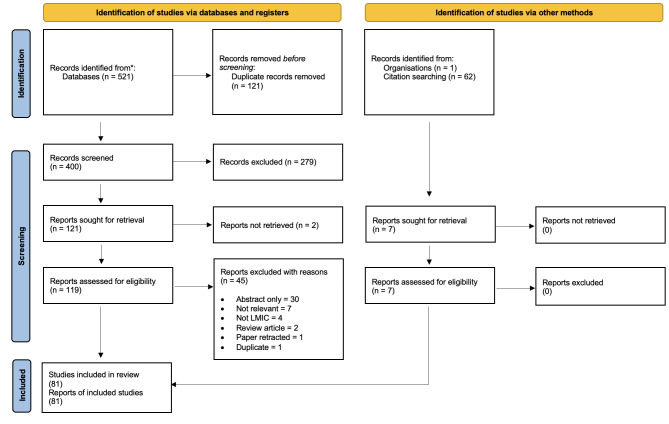
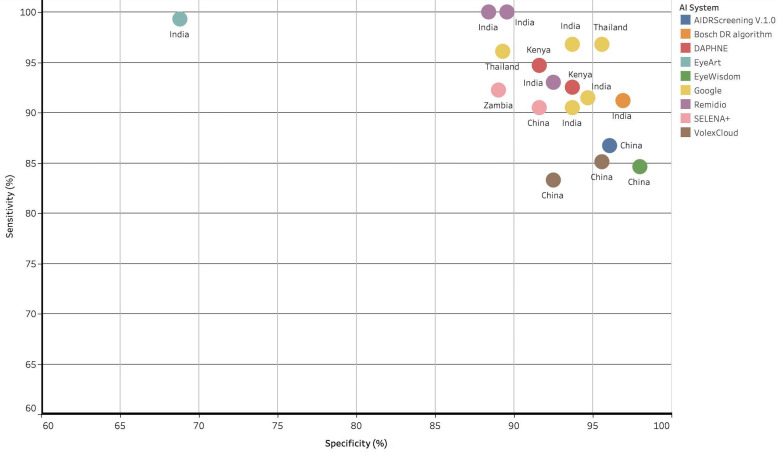
Diabetic retinopathy (DR) is a leading cause of blindness globally. There is growing evidence to support the use of artificial intelligence (AI) in diabetic eye care, particularly for screening populations at risk of sight loss from DR in low-income and middle-income countries (LMICs) where resources are most stretched. However, implementation into clinical practice remains limited. We conducted a scoping review to identify what AI tools have been used for DR in LMICs and to report their performance and relevant characteristics. 81 articles were included. The reported sensitivities and specificities were generally high providing evidence to support use in clinical practice. However, the majority of studies focused on sensitivity and specificity only and there was limited information on cost, regulatory approvals and whether the use of AI improved health outcomes. Further research that goes beyond reporting sensitivities and specificities is needed prior to wider implementation.
糖尿病性视网膜病变(DR)是全球致盲的主要原因。越来越多的证据支持在糖尿病眼病护理中使用人工智能(AI),特别是在资源最紧张的低收入和中等收入国家(LMIC)中,对有 DR 致盲风险的人群进行筛查。然而,将其应用于临床实践仍然受到限制。我们进行了一项范围综述,以确定在 LMIC 中用于 DR 的 AI 工具是什么,并报告其性能和相关特征。共纳入 81 篇文章。报道的敏感性和特异性通常较高,为支持在临床实践中的应用提供了证据。然而,大多数研究仅关注敏感性和特异性,关于成本、监管批准以及 AI 的使用是否改善健康结果的信息有限。在更广泛的实施之前,需要进行超越敏感性和特异性报告的进一步研究。