Cancer Research UK (CRUK) Cambridge Institute, University of Cambridge, Li Ka Shing Centre, Cambridge, Cambridgeshire CB2 0RE, UK.
Science. 2023 Aug 4;381(6657):eabq4964. doi: 10.1126/science.abq4964.
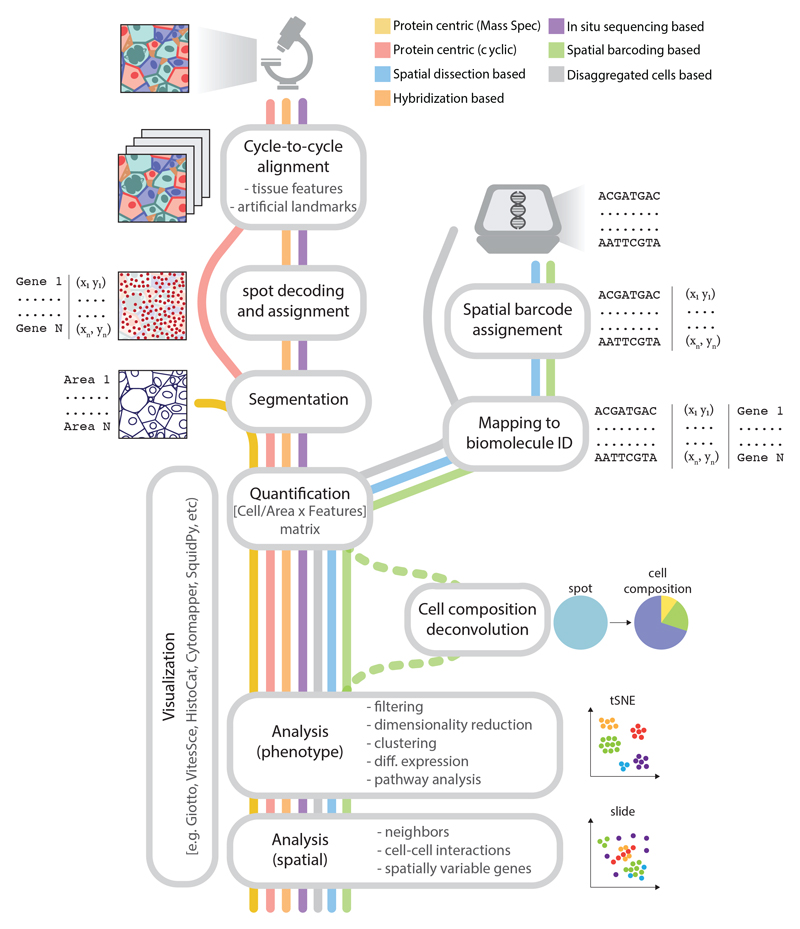
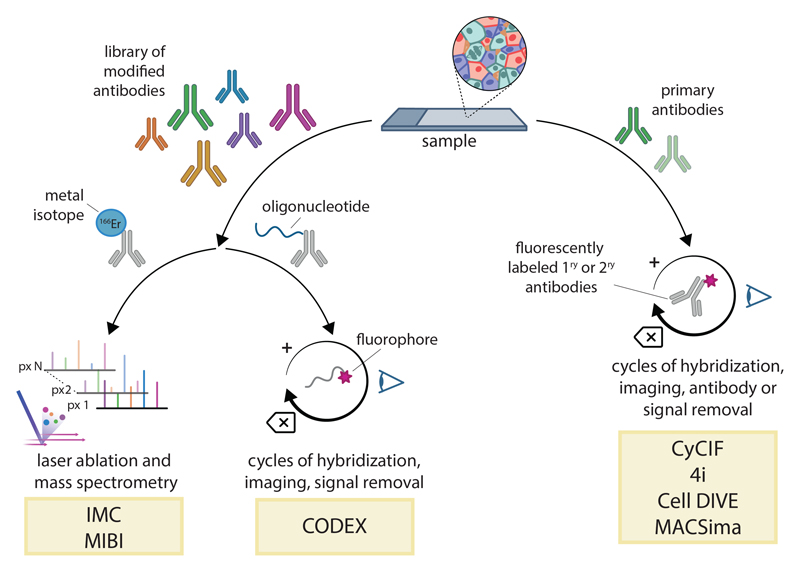
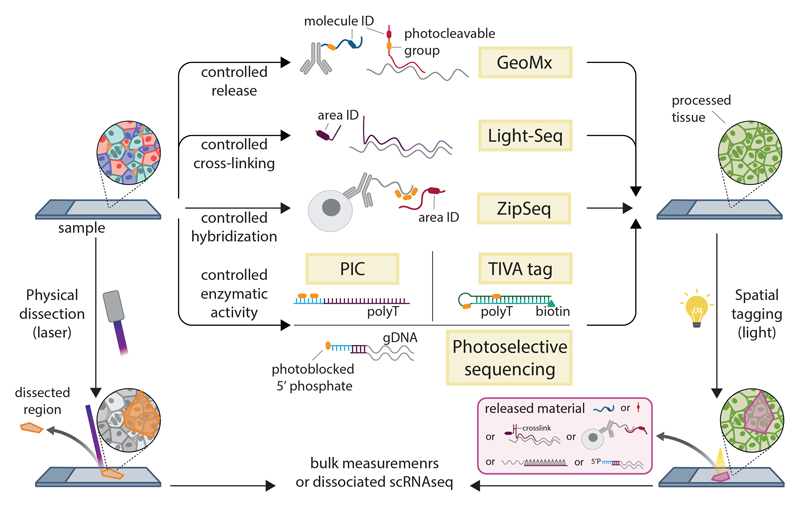
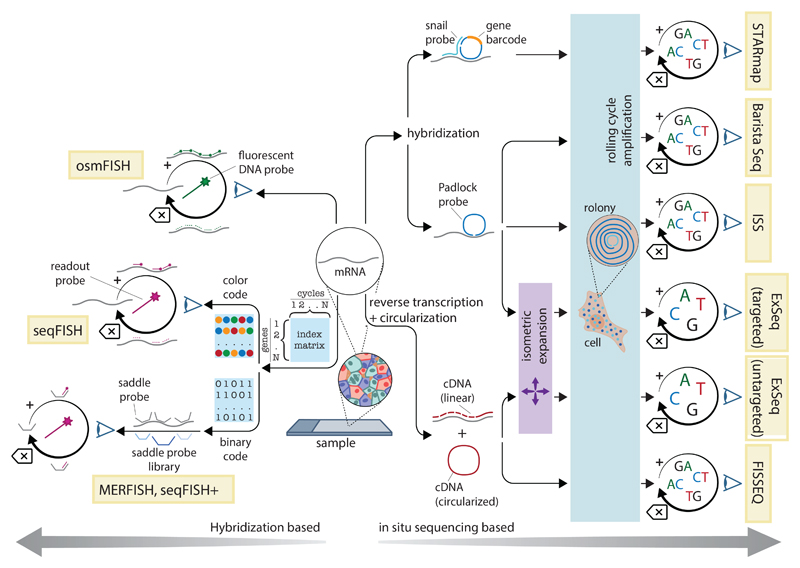
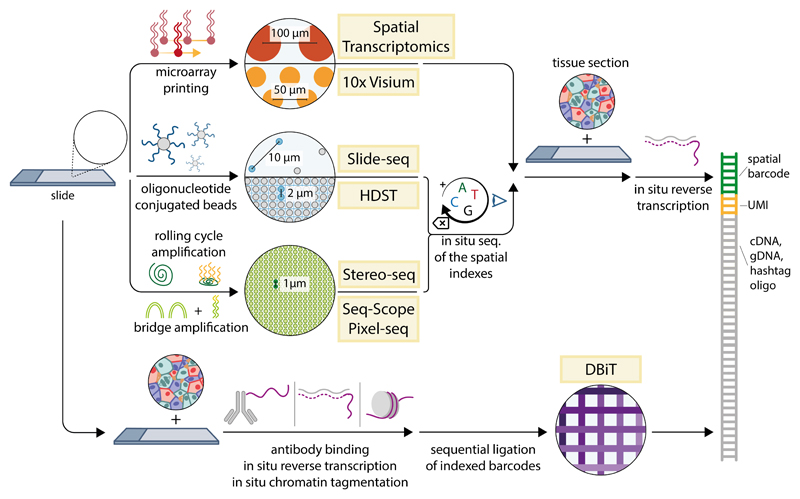
Spatial omics has been widely heralded as the new frontier in life sciences. This term encompasses a wide range of techniques that promise to transform many areas of biology and eventually revolutionize pathology by measuring physical tissue structure and molecular characteristics at the same time. Although the field came of age in the past 5 years, it still suffers from some growing pains: barriers to entry, robustness, unclear best practices for experimental design and analysis, and lack of standardization. In this Review, we present a systematic catalog of the different families of spatial omics technologies; highlight their principles, power, and limitations; and give some perspective and suggestions on the biggest challenges that lay ahead in this incredibly powerful-but still hard to navigate-landscape.
空间组学被广泛誉为生命科学的新前沿。这一术语涵盖了一系列技术,有望通过同时测量物理组织结构和分子特征来改变生物学的许多领域,并最终彻底改变病理学。尽管该领域在过去 5 年中已经成熟,但它仍然存在一些成长的烦恼:进入门槛、稳健性、实验设计和分析的最佳实践尚不清楚,以及缺乏标准化。在这篇综述中,我们系统地列出了不同类型的空间组学技术;强调了它们的原理、优势和局限性;并对这一令人难以置信的强大但仍然难以驾驭的领域所面临的最大挑战提出了一些看法和建议。