Li Xiang, Zeng You-Man, Luo Yu-di, He Juan, Luo Bo-Wen, Lu Xiong-Cai, Zhu Ling-Ling
Reproductive Medicine Center, Yulin Maternal and Child Health Care Hospital, Yulin, Guangxi 537000, China.
Heliyon. 2023 Jul 13;9(7):e18224. doi: 10.1016/j.heliyon.2023.e18224. eCollection 2023 Jul.
Folic acid and zinc supplements have been used to treat male infertility, but their efficacy is still debated.
To systematically evaluate the effects of folic acid and folic acid plus zinc supplements on sperm characteristics and pregnancy outcomes of infertile men.
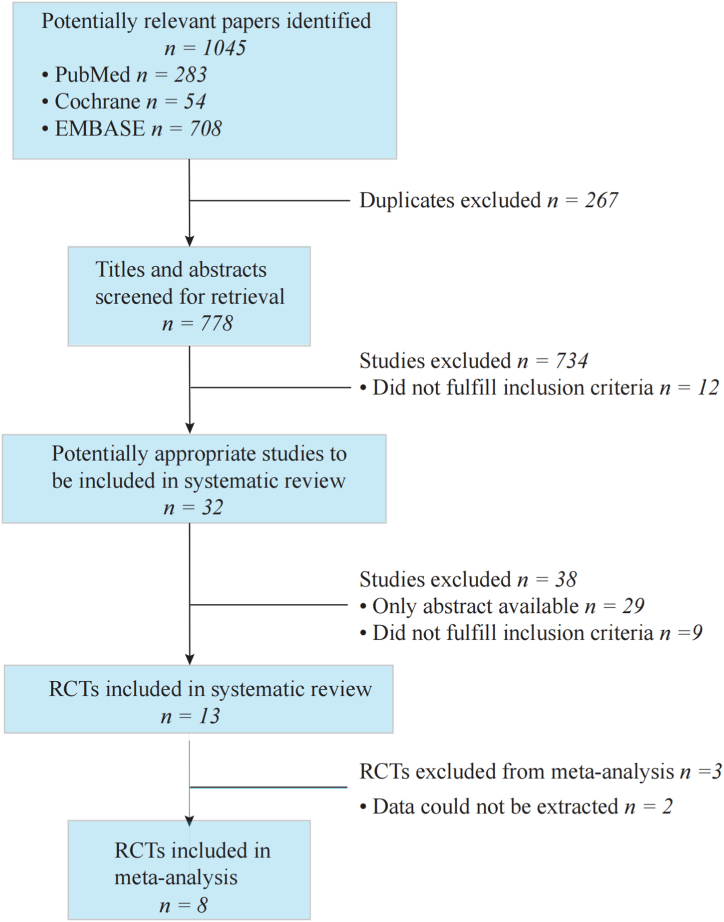
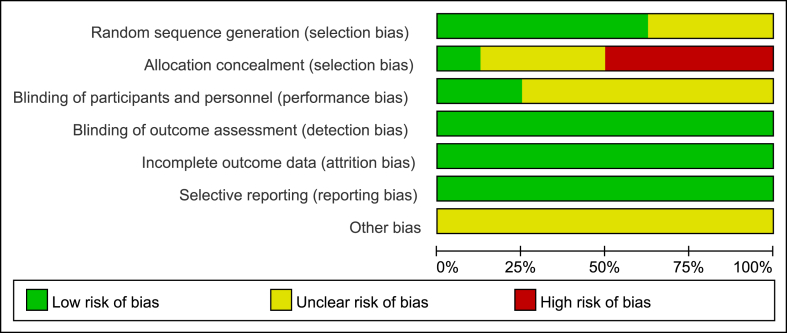
An online systematic search was performed using PubMed, Cochrane Library, and EMBASE databases from inception to August 1, 2022. The goal was to identify randomized controlled trials (RCTs) that used folic acid or folic acid plus zinc to improve sperm characteristics of infertile men. Data were extracted by two investigators who independently screened the literature and assessed for quality according to the criteria. The meta-analysis was performed using RevMan 5.4 software.
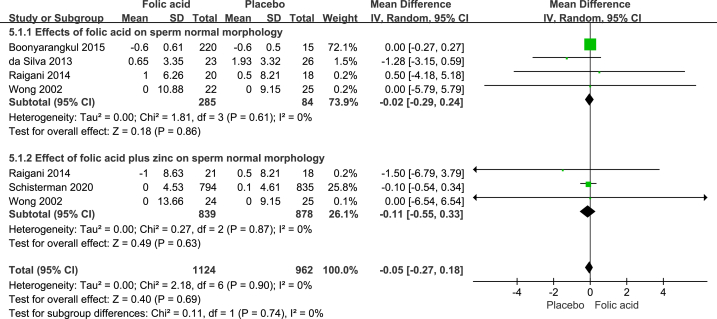
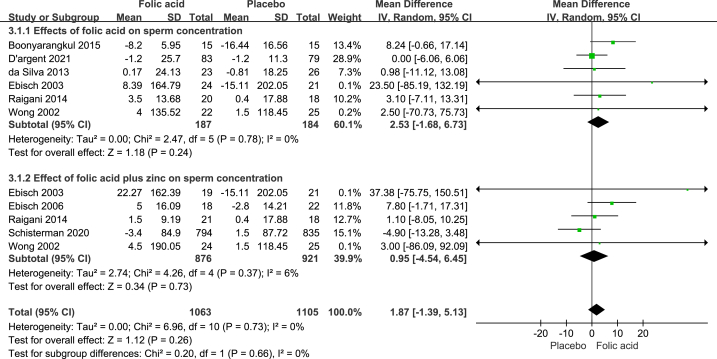
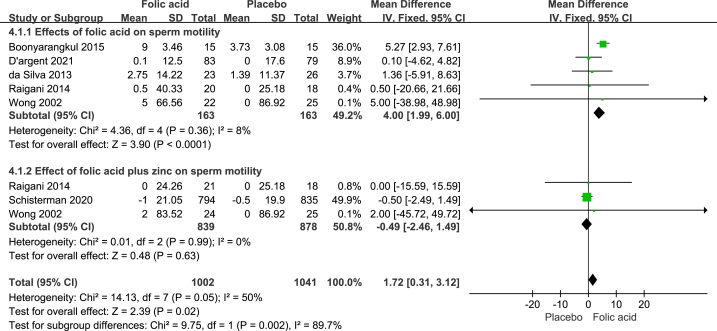
A total of 8 RCT studies involving 2168 patients were included. The results showed that compared with the controls, folic acid significantly increased sperm motility (MD, 3.63; 95% CI, -1.22 to 6.05; = 0.003), but did not affect the sperm concentration (MD, 2.53; 95% CI, -1.68 to 6.73; = 0.24) and sperm morphology (MD, -0.02; 95% CI, -0.29 to 0.24; = 0.86) in infertile men. Folic acid plus zinc did not affect sperm concentration (MD, 1.87; 95% CI, -1.39 to 5.13; = 0.26), motility (MD, 1.67; 95% CI, -1.29 to 4.63; = 0.27), and morphology (MD, -0.05; 95% CI, -0.27 to 0.18; = 0.69) in infertile men. Secondary results showed that compared with a placebo, folic acid alone had a higher rate of pregnancy in transferred embryos (35.6% vs. 20.4%, = 0.082), but the difference was not significant. Folic acid plus zinc did not affect pregnancy outcomes.
Based on the meta-analysis, no significant improvements in sperm characteristics with folic acid plus zinc supplements were seen. However, folic acid alone has demonstrated the potential to improve sperm motility and in vitro fertilization-intracytoplasmic sperm injection (IVF-ICSI) outcomes. This indicates that folic acid supplements alone may be a viable treatment option for male infertility.
叶酸和锌补充剂已被用于治疗男性不育症,但其疗效仍存在争议。
系统评价叶酸及叶酸联合锌补充剂对不育男性精子特征及妊娠结局的影响。
使用PubMed、Cochrane图书馆和EMBASE数据库进行在线系统检索,检索时间从建库至2022年8月1日。目的是识别使用叶酸或叶酸联合锌来改善不育男性精子特征的随机对照试验(RCT)。由两名研究人员提取数据,他们独立筛选文献并根据标准评估质量。使用RevMan 5.4软件进行荟萃分析。
共纳入8项RCT研究,涉及2168例患者。结果显示,与对照组相比,叶酸显著提高了不育男性的精子活力(MD,3.63;95%CI,-1.22至6.05;P = 0.003),但不影响精子浓度(MD,2.53;95%CI,-1.68至6.73;P = 0.24)和精子形态(MD,-0.02;95%CI,-0.29至0.24;P = 0.86)。叶酸联合锌对不育男性的精子浓度(MD,1.87;95%CI,-1.39至5.13;P = 0.26)、活力(MD,1.67;95%CI,-1.29至4.63;P = 0.27)和形态(MD,-0.05;95%CI,-0.27至0.18;P = 0.69)均无影响。次要结果显示,与安慰剂相比,单独使用叶酸时移植胚胎的妊娠率更高(35.6%对20.4%,P = 0.082),但差异不显著。叶酸联合锌不影响妊娠结局。
基于荟萃分析,未观察到叶酸联合锌补充剂能显著改善精子特征。然而,单独使用叶酸已显示出改善精子活力及体外受精-卵胞浆内单精子注射(IVF-ICSI)结局的潜力。这表明单独补充叶酸可能是治疗男性不育症的一种可行选择。