Institute of Applied Health Research, University of Birmingham, Edgbaston, UK.
Department of Respiratory Medicine, St George's NHS Trust, London, UK.
Int J Chron Obstruct Pulmon Dis. 2023 Jul 31;18:1637-1654. doi: 10.2147/COPD.S396317. eCollection 2023.
Pulmonary rehabilitation (PR) is an effective treatment for patients with chronic obstructive pulmonary disease (COPD). However, referral, uptake, and adherence remain low.
To determine effectiveness of interventions to increase patient referral, uptake, and adherence to PR programs for patients with COPD.
Randomized controlled trials (RCTs), non-randomized controlled trials, pre-post studies, and uncontrolled studies were sought from 7 databases and 3 clinical trial registries, to end August 2021. Full articles/conference abstracts were included if a coordinated set of activities was targeted to healthcare professionals (HCPs) caring for COPD patients, adults with COPD or their carers, to increase referral, uptake or adherence to any type of PR program. Two review authors independently screened titles, abstracts and full texts, extracted data and critically appraised studies using standard risk of bias tools.
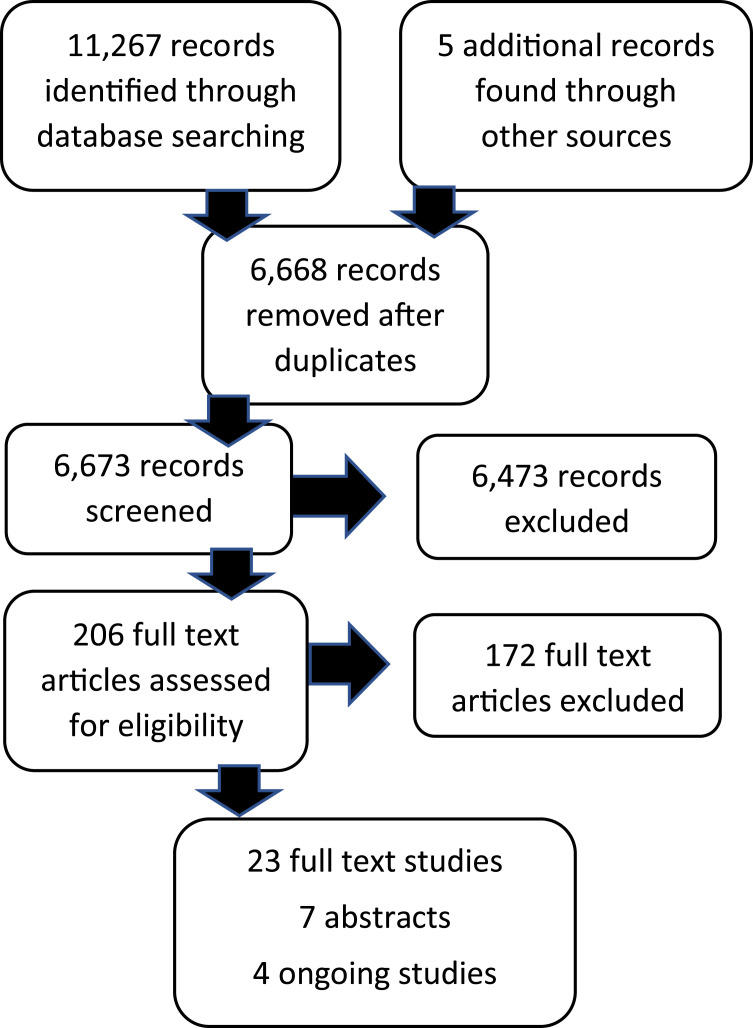
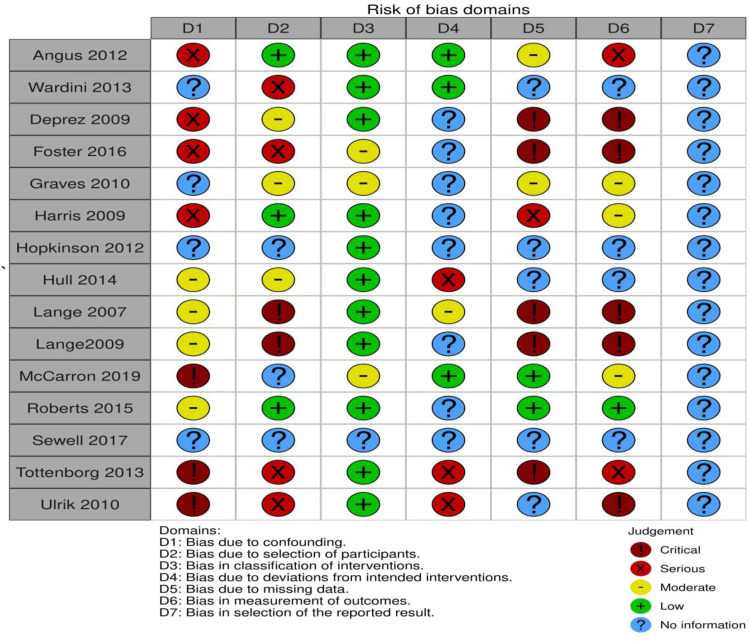
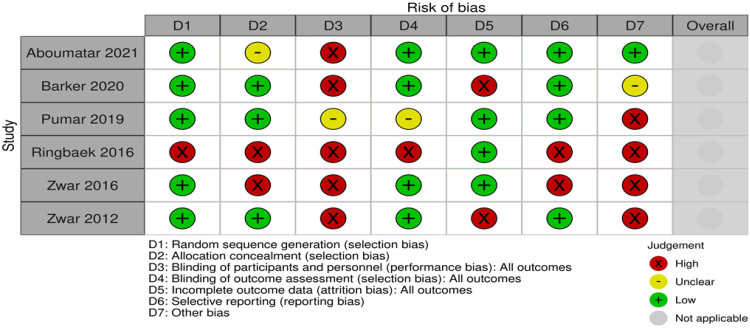
From 11,272 records, 30 studies (23 full-text; 7 abstracts) met inclusion criteria: study interventions and designs were varied and generally low quality, targeting patients (n=13), HCPs (n=14) or both (n=3 studies). A CCT of patient held evidence score cards increased referral by 7.3% compared to 1.3% for usual care (p-0.03). A cluster RCT involving COPD nurse home visits with individualized care plans increased uptake to 31% compared to 10% in usual care (p=0.002). For people with anxiety or depression, one RCT of cognitive behavioral therapy alongside PR increased adherence (mean sessions 14.0 (sd 1.7) compared to 12.4 (sd 2.6)).
Although a small number of studies, the weight of evidence suggested that interventions incorporating partnership working between patients and HCPs appeared to increase referral, uptake, and adherence with greater effectiveness than those targeting single populations. Increasing knowledge and empowering HCPs and patients may be important strategies. Concerns about study design and risk of bias suggest clear need for well-designed trials of interventions to report full pathway outcomes.
肺康复(PR)是治疗慢性阻塞性肺疾病(COPD)患者的有效方法。然而,转诊、参与和坚持率仍然很低。
确定增加 COPD 患者接受 PR 计划转诊、参与和坚持率的干预措施的有效性。
从 7 个数据库和 3 个临床试验注册中心搜索了随机对照试验(RCT)、非随机对照试验、前后研究和未对照研究,截至 2021 年 8 月结束。如果有一套协调的活动针对照顾 COPD 患者的医疗保健专业人员(HCP)、COPD 患者或其照顾者,以增加任何类型的 PR 计划的转诊、参与或坚持率,则纳入全文/会议摘要。两名综述作者独立筛选标题、摘要和全文,使用标准的偏倚风险工具提取数据和批判性评估研究。
从 11272 条记录中,有 30 项研究(23 项全文;7 项摘要)符合纳入标准:研究干预和设计多种多样,通常质量较低,针对患者(n=13)、HCP(n=14)或两者(n=3 项研究)。与常规护理相比,患者持有证据评分卡的 CCT 将转诊率提高了 7.3%(p-0.03)。一项涉及 COPD 护士家访和个体化护理计划的集群 RCT 将参与率提高到 31%,而常规护理为 10%(p=0.002)。对于患有焦虑或抑郁的患者,一项认知行为疗法与 PR 联合治疗的 RCT 提高了坚持率(平均治疗次数为 14.0(标准差 1.7),而常规护理为 12.4(标准差 2.6))。
尽管研究数量较少,但证据的权重表明,将患者和 HCP 之间的合作工作纳入干预措施似乎比针对单一人群的干预措施更能有效增加转诊、参与和坚持率。增加 HCP 和患者的知识和赋权可能是重要的策略。对研究设计和偏倚风险的关注表明,非常需要精心设计的干预措施试验报告完整的途径结果。