Zaheer Sheikh Azka, Ahmed Zubair
Institute of Inflammation and Ageing, University of Birmingham, Edgbaston, Birmingham B15 2TT, UK.
Centre for Trauma Sciences Research, University of Birmingham, Edgbaston, Birmingham B15 2TT, UK.
J Clin Med. 2023 Jul 25;12(15):4888. doi: 10.3390/jcm12154888.
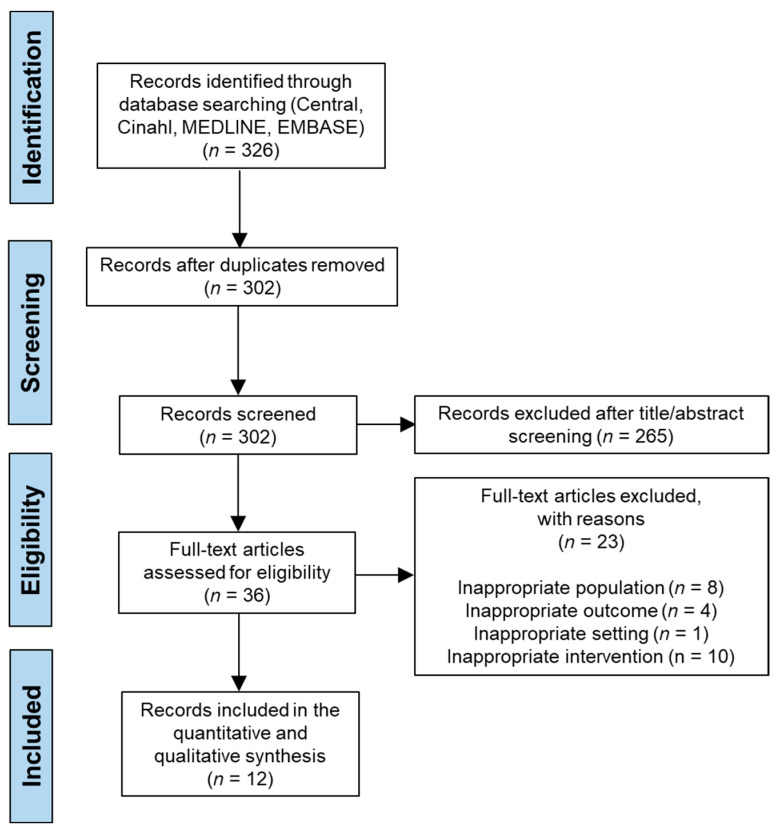
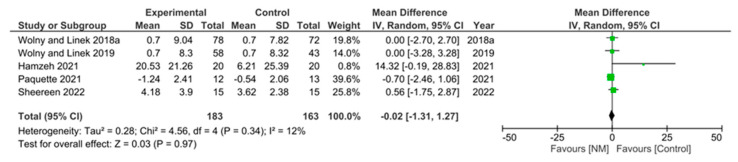
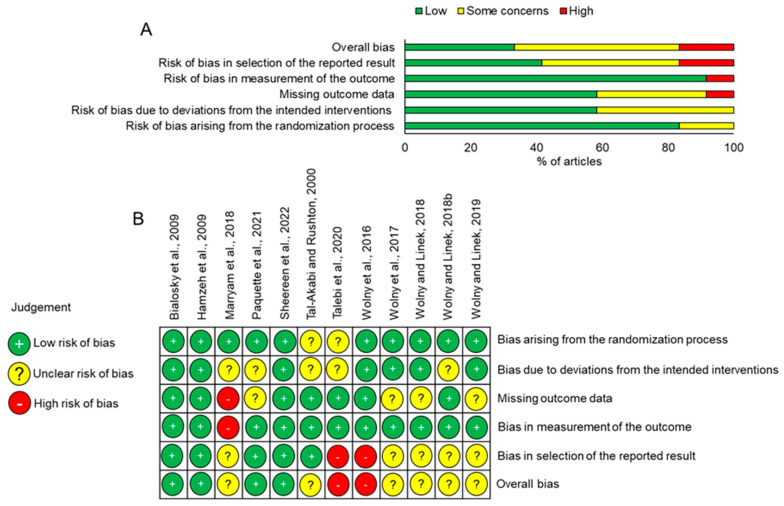
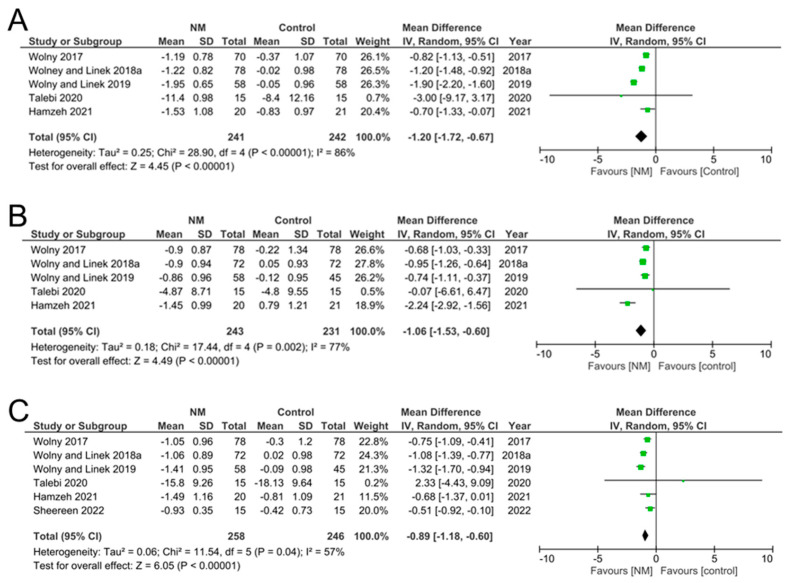
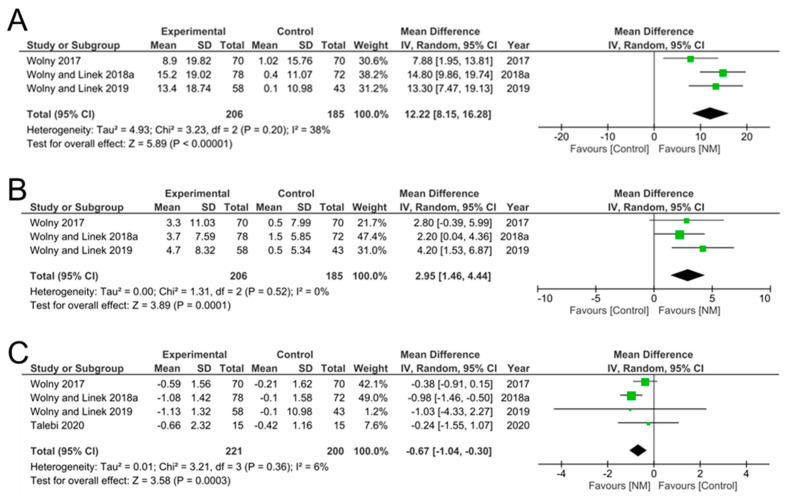
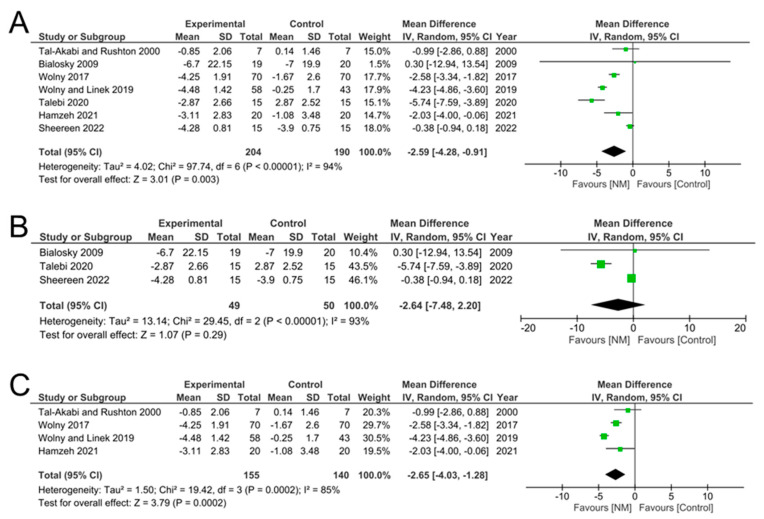
Carpal tunnel syndrome (CTS) is a condition that affects the main nerves in the wrist area that causes numbness, tingling, and weakness in the hand and arm. CTS affects 5% of the general population and results in pain in the wrist due to repetitive use, most commonly affecting women and office workers. Conservative management of CTS includes neurodynamic modulation to promote median nerve gliding during upper limb movements to maintain normal function. However, evidence for the benefits of neurodynamic modulation found disparities, and hence, the effectiveness of neurodynamic modulation remains unclear. This study aimed to systematically review the current evidence from randomized controlled trials (RCTs) to establish the effectiveness of neurodynamic techniques as a non-surgical treatment option for CTS. Using the PRISMA guidelines, two authors searched four electronic databases, and studies were included if they conformed to pre-established eligibility criteria. Primary outcome measures included outcomes from the Boston carpal tunnel syndrome questionnaire, while secondary outcomes included nerve conduction velocity, pain, and grip strength. Quality assessment was completed using the Cochrane RoB2 form, and a meta-analysis was performed to assess heterogeneity. Twelve RCTs met our inclusion/exclusion criteria with assessments on 1003 participants in the treatment and control arms. High heterogeneity and some risks of bias were observed between studies, but the results of the meta-analysis showed a significant reduction in our primary outcome, the Boston carpal tunnel syndrome questionnaire-symptom severity scale (mean difference = -1.20, 95% CI [-1.72, -0.67], < 0.00001) and the Boston carpal tunnel syndrome questionnaire-functional severity scale (mean difference = -1.06, 95% CI [-1.53, -0.60], < 0.00001). Secondary outcomes such as sensory and motor conduction velocity increased significantly, while motor latency was significantly reduced, all positively favoring neurodynamic techniques. Pain was also significantly reduced, but grip strength was not significantly different. Our systematic review demonstrates significant benefits of neurodynamic modulation techniques to treat CTS and specifically that it reduces symptom severity, pain, and motor latency, while at the same time improving nerve conduction velocities. Hence, our study demonstrates a clear benefit of neurodynamic techniques to improve recovery CTS.
腕管综合征(CTS)是一种影响腕部主要神经的疾病,会导致手部和手臂出现麻木、刺痛及无力感。CTS影响着5%的普通人群,因重复性使用导致手腕疼痛,最常影响女性和办公室工作人员。CTS的保守治疗包括神经动力学调节,以在上肢运动期间促进正中神经滑动,从而维持正常功能。然而,关于神经动力学调节益处的证据存在差异,因此,神经动力学调节的有效性仍不明确。本研究旨在系统回顾随机对照试验(RCT)的现有证据,以确定神经动力学技术作为CTS非手术治疗选择的有效性。按照PRISMA指南,两位作者检索了四个电子数据库,符合预先设定的纳入标准的研究被纳入。主要结局指标包括波士顿腕管综合征问卷的结果,次要结局指标包括神经传导速度、疼痛和握力。使用Cochrane RoB2表格完成质量评估,并进行荟萃分析以评估异质性。12项RCT符合我们的纳入/排除标准,对治疗组和对照组的1003名参与者进行了评估。研究之间观察到高度异质性和一些偏倚风险,但荟萃分析结果显示,我们的主要结局指标,即波士顿腕管综合征问卷-症状严重程度量表(平均差=-1.20,95%可信区间[-1.72,-0.67],P<0.00001)和波士顿腕管综合征问卷-功能严重程度量表(平均差=-1.06,95%可信区间[-1.53,-0.60],P<0.00001)有显著降低。感觉和运动传导速度等次要结局指标显著增加,而运动潜伏期显著缩短,所有这些都对神经动力学技术有利。疼痛也显著减轻,但握力没有显著差异。我们的系统评价表明,神经动力学调节技术在治疗CTS方面有显著益处,特别是它能降低症状严重程度、疼痛和运动潜伏期,同时提高神经传导速度。因此,我们的研究表明神经动力学技术在改善CTS恢复方面有明显益处。