Lone Iqbal M, Zohud Osayd, Midlej Kareem, Proff Peter, Watted Nezar, Iraqi Fuad A
Department of Clinical Microbiology and Immunology, Sackler Faculty of Medicine, Tel Aviv University, Tel Aviv 6997801, Israel.
Department of Orthodontics, University Hospital of Regensburg, 93053 Regensburg, Germany.
J Clin Med. 2023 Aug 6;12(15):5148. doi: 10.3390/jcm12155148.
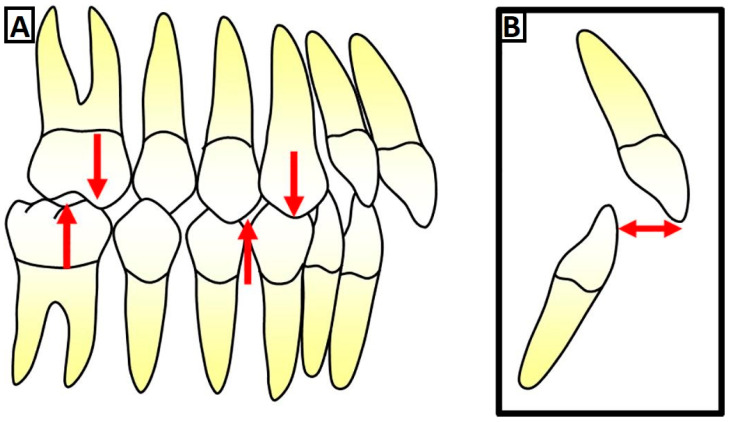
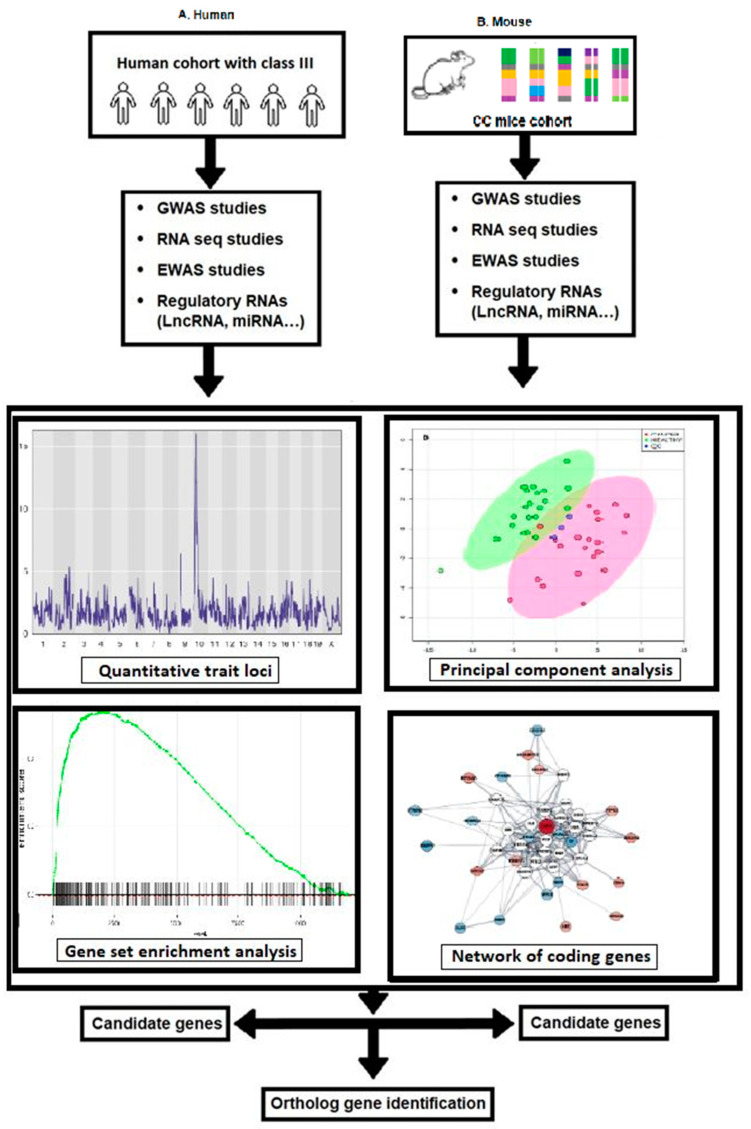
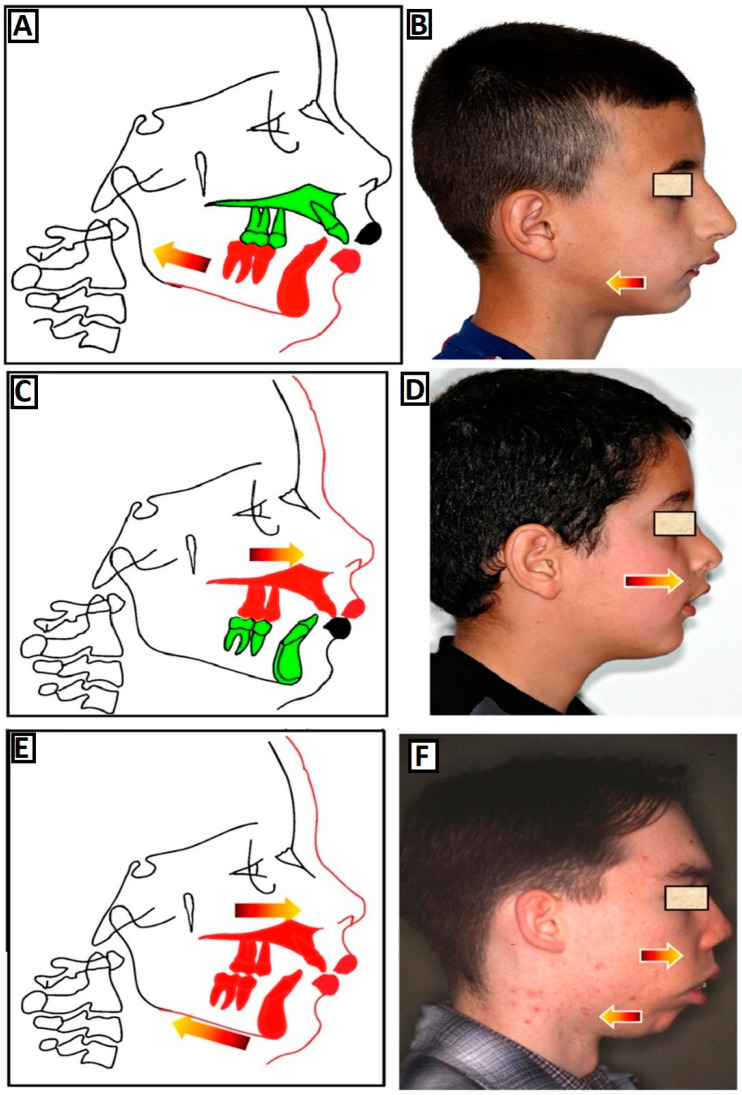
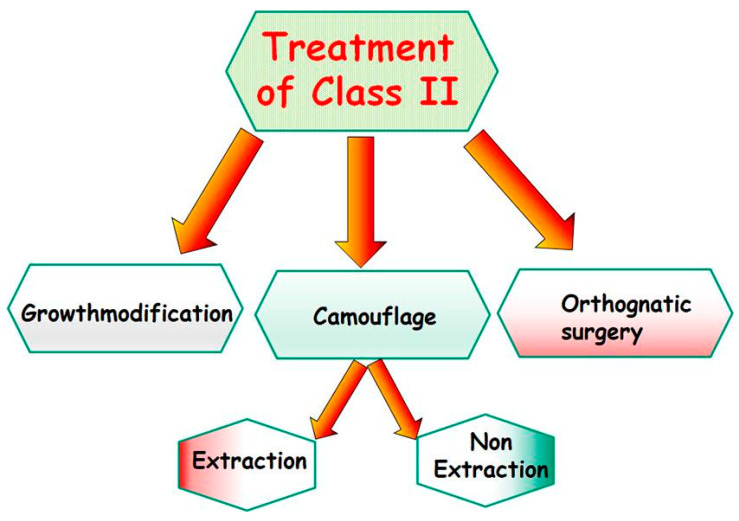
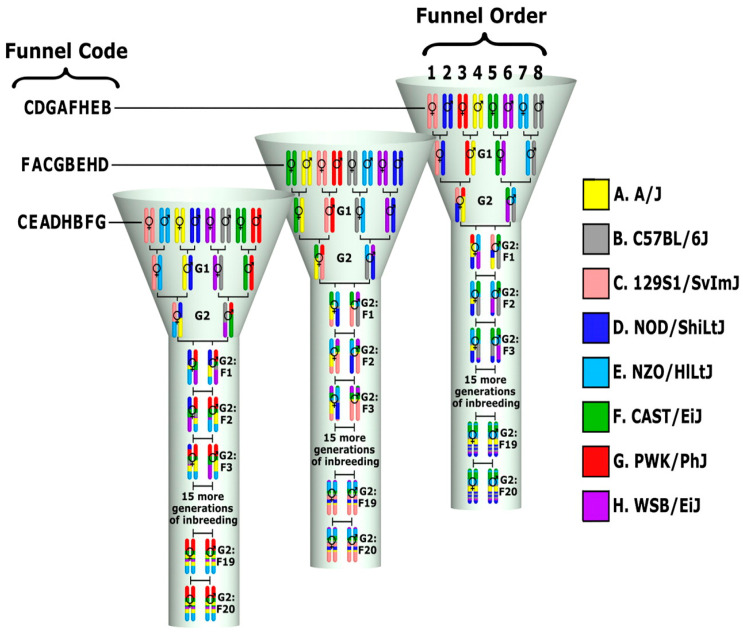
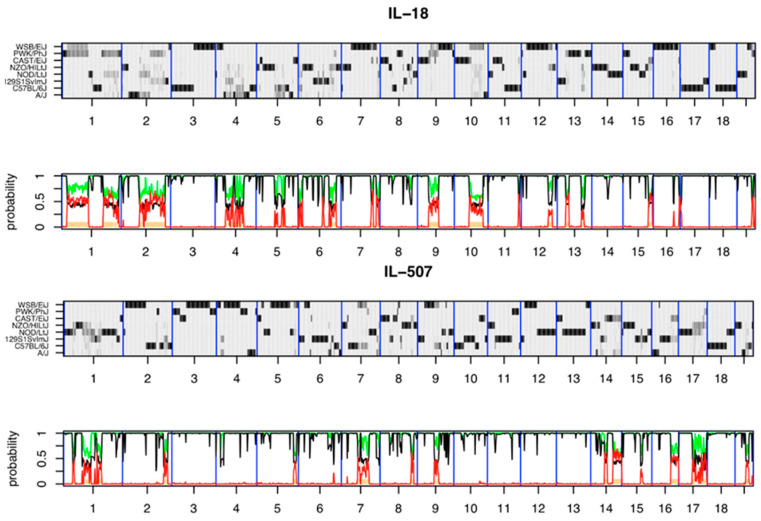
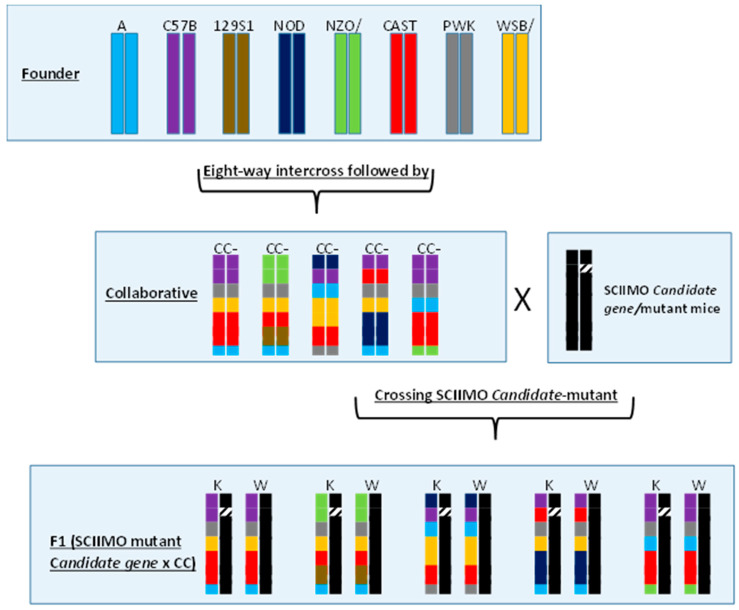
Depending on how severe it is, malocclusion, which may involve misaligned teeth, jaws, or a combination of the two, can hurt a person's overall facial aesthetics. The maxillary molar develops before the mandibular molar in class II malocclusion, which affects 15% of the population in the United States. With a retrusive mandible, patients typically have a convex profile. The goal of this study is to classify the skeletal and dental variability present in class II malocclusion, to reduce heterogeneity, present the current clinical treatment strategies, to summarize the previously published findings of genetic analysis, discuss these findings and their constraints, and finally, propose a comprehensive roadmap to facilitate investigations aimed at determining the genetic bases of malocclusion development using a variety of genomic approaches. To further comprehend the hereditary components involved in the onset and progression of class II malocclusion, a novel animal model for class II malocclusion should be developed while considering the variety of the human population. To overcome the constraints of the previous studies, here, we propose to conduct novel research on humans with the support of mouse models to produce contentious findings. We believe that carrying out a genome-wide association study (GWAS) on a large human cohort to search for significant genes and their modifiers; an epigenetics-wide association study (EWAS); RNA-seq analysis; integrating GWAS and the expression of quantitative trait loci (eQTL); and the testing of microRNAs, small RNAs, and long noncoding RNAs in tissues related to the skeletal class II malocclusion (SCIIMO) phenotype, such as mandibular bone, gum, and jaw in humans and the collaborative cross (CC) mouse model, will identify novel genes and genetic factors affecting this phenotype. We anticipate discovering novel genetic elements to advance our knowledge of how this malocclusion phenotype develops and open the venue for the early identification of patients carrying the susceptible genetic factors so that we can offer early prevention treatment strategies.
错颌畸形的严重程度各异,可能涉及牙齿排列不齐、颌骨问题或两者皆有,会损害一个人的整体面部美观。在美国,15%的人口受II类错颌畸形影响,其中上颌磨牙在下颌磨牙之前发育。下颌后缩的患者通常面部轮廓呈凸形。本研究的目的是对II类错颌畸形中存在的骨骼和牙齿变异性进行分类,以减少异质性,介绍当前的临床治疗策略,总结先前发表的遗传分析结果,讨论这些结果及其局限性,最后提出一个全面的路线图,以促进旨在使用各种基因组方法确定错颌畸形发生的遗传基础的研究。为了进一步理解II类错颌畸形发生和发展过程中涉及的遗传成分,应在考虑人类群体多样性的同时开发一种新型的II类错颌畸形动物模型。为了克服先前研究的局限性,在此,我们建议在小鼠模型的支持下对人类进行新的研究,以得出有争议的结果。我们相信,对大量人类队列进行全基因组关联研究(GWAS)以寻找重要基因及其修饰因子;进行全表观基因组关联研究(EWAS);进行RNA测序分析;整合GWAS和数量性状基因座(eQTL)的表达;以及在与骨骼II类错颌畸形(SCIIMO)表型相关的组织中测试微小RNA、小RNA和长链非编码RNA,如人类的下颌骨、牙龈和颌骨以及协作杂交(CC)小鼠模型,将识别影响该表型的新基因和遗传因素。我们期望发现新的遗传元件,以增进我们对错颌畸形表型如何发展的认识,并为早期识别携带易感遗传因素的患者开辟道路,以便我们能够提供早期预防治疗策略。