Esparza-Moltó Pau B, Nuevo-Tapioles Cristina, Cuezva José M
Departamento de Biología Molecular, Centro de Biología Molecular Severo Ochoa, (CSIC-UAM), Centro de Investigación Biomédica en Red de Enfermedades Raras CIBERER-ISCIII, Instituto de Investigación Hospital 12 de Octubre, Universidad Autónoma de Madrid, 28049, Madrid, Spain.
Cell Mol Life Sci. 2017 Jun;74(12):2151-2166. doi: 10.1007/s00018-017-2462-8. Epub 2017 Feb 6.
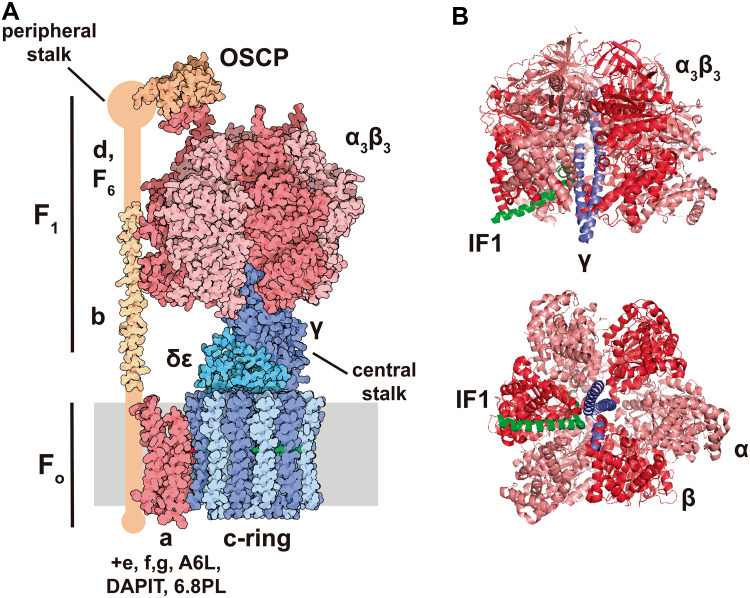
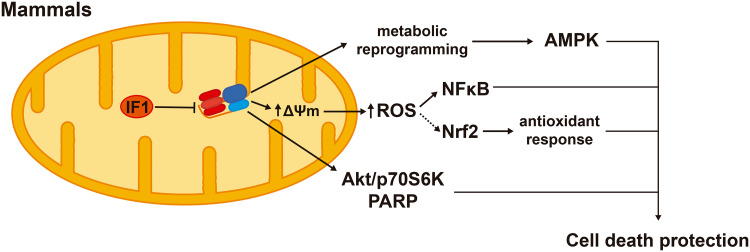
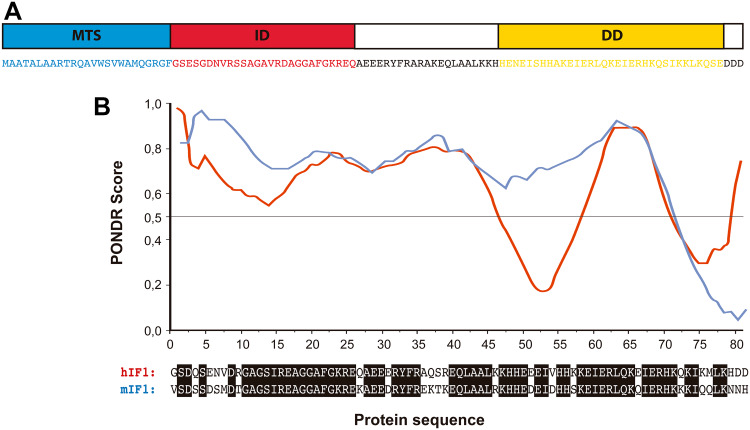
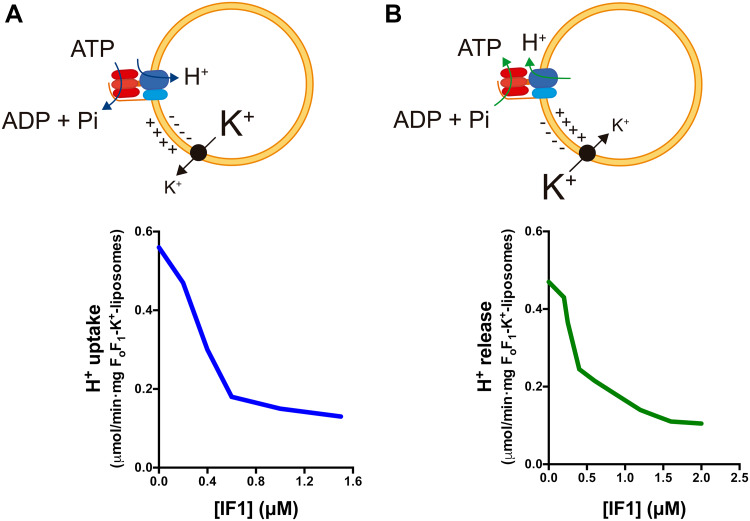
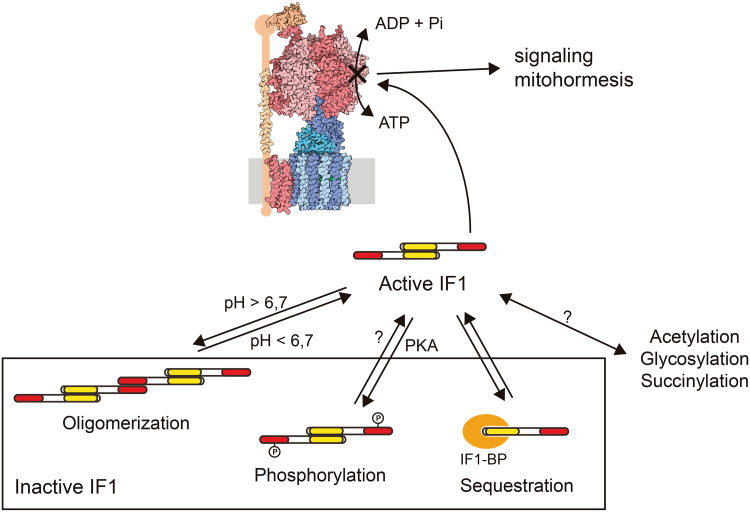
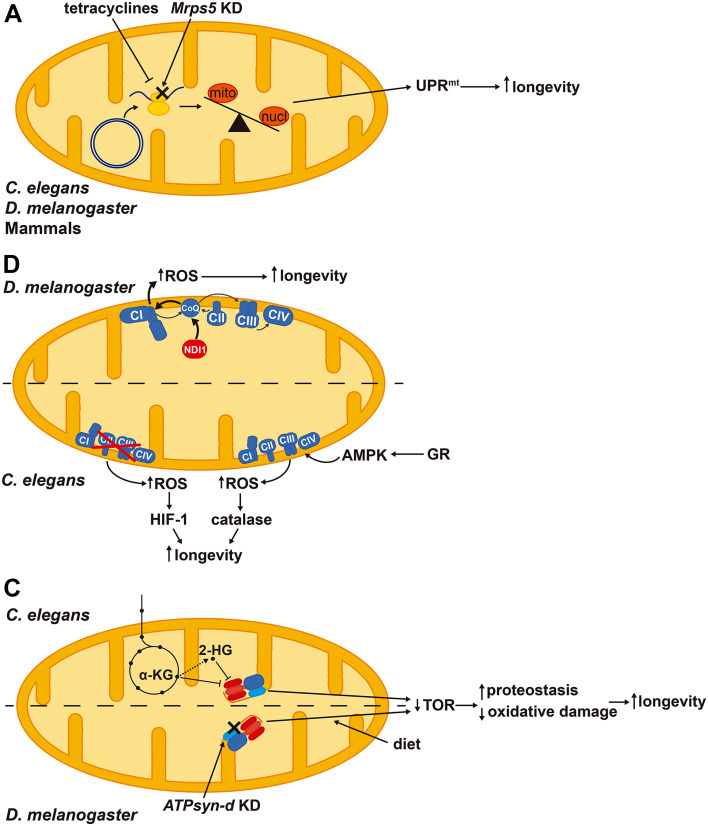
The mitochondrial H-ATP synthase is a primary hub of cellular homeostasis by providing the energy required to sustain cellular activity and regulating the production of signaling molecules that reprogram nuclear activity needed for adaption to changing cues. Herein, we summarize findings regarding the regulation of the activity of the H-ATP synthase by its physiological inhibitor, the ATPase inhibitory factor 1 (IF1) and their functional role in cellular homeostasis. First, we outline the structure and the main molecular mechanisms that regulate the activity of the enzyme. Next, we describe the molecular biology of IF1 and summarize the regulation of IF1 expression and activity as an inhibitor of the H-ATP synthase emphasizing the role of IF1 as a main driver of energy rewiring and cellular signaling in cancer. Findings in transgenic mice in vivo indicate that the overexpression of IF1 is sufficient to reprogram energy metabolism to an enhanced glycolysis and activate reactive oxygen species (ROS)-dependent signaling pathways that promote cell survival. These findings are placed in the context of mitohormesis, a program in which a mild mitochondrial stress triggers adaptive cytoprotective mechanisms that improve lifespan. In this regard, we emphasize the role played by the H-ATP synthase in modulating signaling pathways that activate the mitohormetic response, namely ATP, ROS and target of rapamycin (TOR). Overall, we aim to highlight the relevant role of the H-ATP synthase and of IF1 in cellular physiology and the need of additional studies to decipher their contributions to aging and age-related diseases.
线粒体H-ATP合酶是细胞稳态的主要枢纽,它提供维持细胞活动所需的能量,并调节信号分子的产生,这些信号分子可重新编程适应变化线索所需的核活动。在此,我们总结了关于H-ATP合酶活性受其生理抑制剂——ATP酶抑制因子1(IF1)调控的研究结果,以及它们在细胞稳态中的功能作用。首先,我们概述调节该酶活性的结构和主要分子机制。接下来,我们描述IF1的分子生物学,并总结IF1作为H-ATP合酶抑制剂的表达和活性调控,强调IF1作为癌症中能量重塑和细胞信号传导主要驱动因素的作用。体内转基因小鼠的研究结果表明,IF1的过表达足以将能量代谢重新编程为增强的糖酵解,并激活促进细胞存活的活性氧(ROS)依赖性信号通路。这些发现置于线粒体应激反应的背景下,在该过程中,轻度线粒体应激触发适应性细胞保护机制以延长寿命。在这方面,我们强调H-ATP合酶在调节激活线粒体应激反应的信号通路中的作用,即ATP、ROS和雷帕霉素靶蛋白(TOR)。总体而言,我们旨在强调H-ATP合酶和IF1在细胞生理学中的相关作用,以及需要更多研究来阐明它们对衰老和与年龄相关疾病的贡献。