Department of General, Visceral and Thoracic Surgery, University Medical Center Hamburg-Eppendorf, Hamburg, Germany.
Department of Biochemistry and Molecular Cell Biology, University Medical Center Hamburg-Eppendorf, Hamburg, Germany.
Nat Immunol. 2023 Sep;24(9):1473-1486. doi: 10.1038/s41590-023-01587-x. Epub 2023 Aug 14.
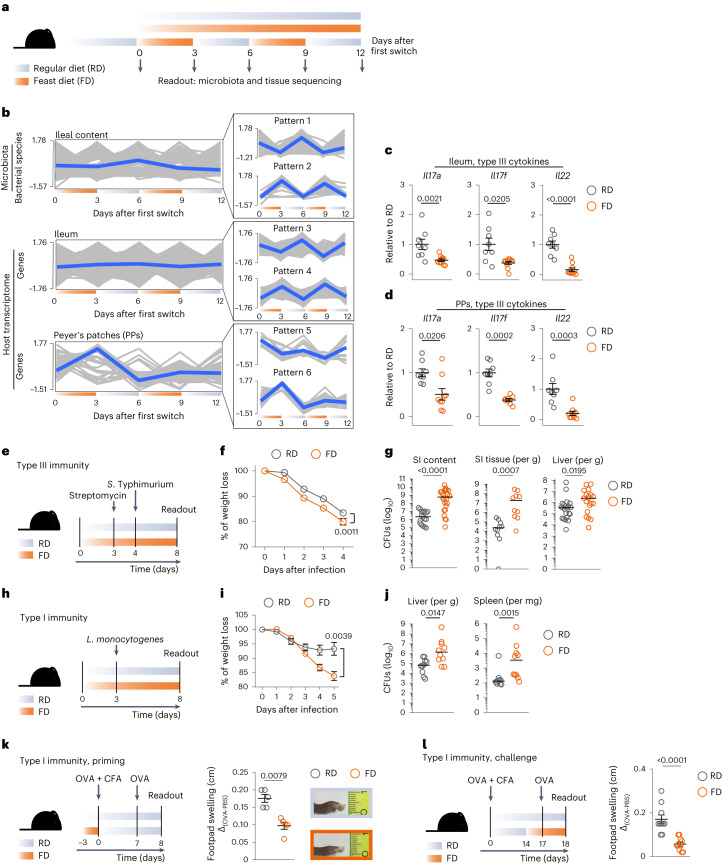
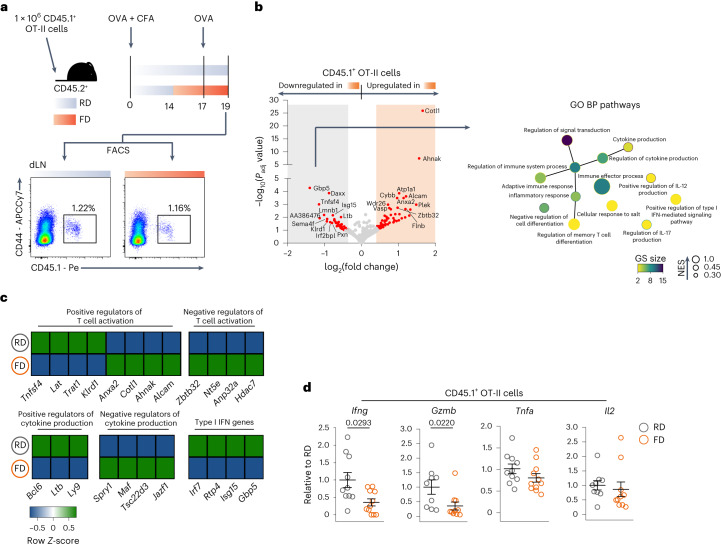
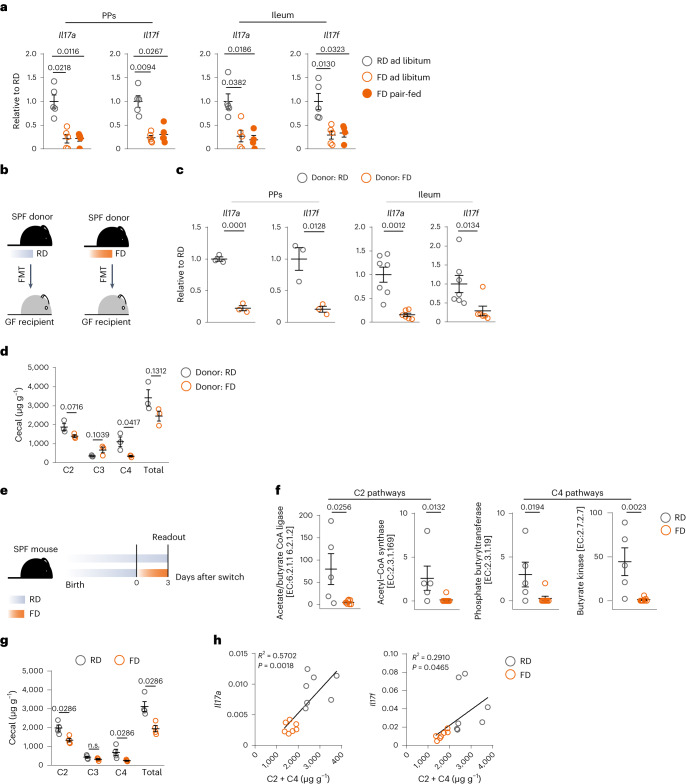
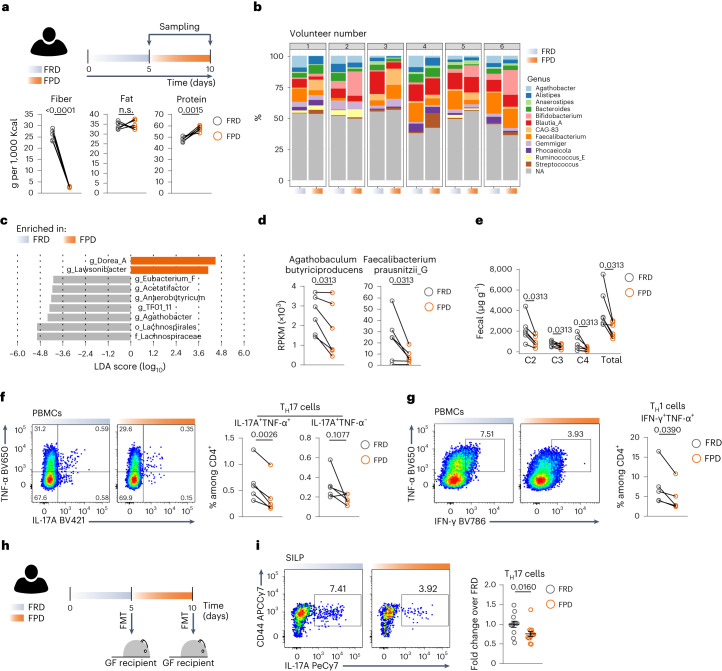
Omnivorous animals, including mice and humans, tend to prefer energy-dense nutrients rich in fat over plant-based diets, especially for short periods of time, but the health consequences of this short-term consumption of energy-dense nutrients are unclear. Here, we show that short-term reiterative switching to 'feast diets', mimicking our social eating behavior, breaches the potential buffering effect of the intestinal microbiota and reorganizes the immunological architecture of mucosa-associated lymphoid tissues. The first dietary switch was sufficient to induce transient mucosal immune depression and suppress systemic immunity, leading to higher susceptibility to Salmonella enterica serovar Typhimurium and Listeria monocytogenes infections. The ability to respond to antigenic challenges with a model antigen was also impaired. These observations could be explained by a reduction of CD4 T cell metabolic fitness and cytokine production due to impaired mTOR activity in response to reduced microbial provision of fiber metabolites. Reintroducing dietary fiber rewired T cell metabolism and restored mucosal and systemic CD4 T cell functions and immunity. Finally, dietary intervention with human volunteers confirmed the effect of short-term dietary switches on human CD4 T cell functionality. Therefore, short-term nutritional changes cause a transient depression of mucosal and systemic immunity, creating a window of opportunity for pathogenic infection.
杂食动物,包括老鼠和人类,往往更喜欢富含脂肪的能量密集型营养素,而不是植物性饮食,尤其是在短时间内,但这种短期摄入能量密集型营养素的健康后果尚不清楚。在这里,我们表明,短期反复切换到“盛宴饮食”,模拟我们的社交进食行为,会破坏肠道微生物群的潜在缓冲作用,并重新组织粘膜相关淋巴组织的免疫结构。第一次饮食切换足以诱导短暂的粘膜免疫抑制和抑制全身免疫,导致沙门氏菌肠炎血清型 Typhimurium 和李斯特菌 monocytogenes 感染的易感性增加。用模型抗原对抗原挑战的反应能力也受到损害。这些观察结果可以用以下方式解释:由于对纤维代谢物的微生物供应减少导致 mTOR 活性受损,CD4 T 细胞的代谢适应性和细胞因子产生减少。重新引入膳食纤维可以重新布线 T 细胞代谢,并恢复粘膜和全身 CD4 T 细胞功能和免疫。最后,对人类志愿者的饮食干预证实了短期饮食变化对人类 CD4 T 细胞功能的影响。因此,短期的营养变化会导致粘膜和全身免疫短暂抑制,为致病性感染创造了一个机会窗口。