Kumar Khushal, Godatwar Pawankumar, Sharma Sanjeev, Narvekar Sangam, Nalawade Megha, Chawda Mukesh B, Verma Pragya, Seetharaman Rajmohan, Tripathi Raakhi K
Pathology and Diagnostic Procedures (Roga Nidana Evum Vikriti Vigyana), National Institute of Ayurveda, Jaipur, IND.
Pathology and Diagnostic ProceduresPathology and Diagnostic Procedures (Roga Nidana Evum Vikriti Vigyana), National Institute of Ayurveda, Jaipur, IND.
Cureus. 2023 Jul 14;15(7):e41862. doi: 10.7759/cureus.41862. eCollection 2023 Jul.
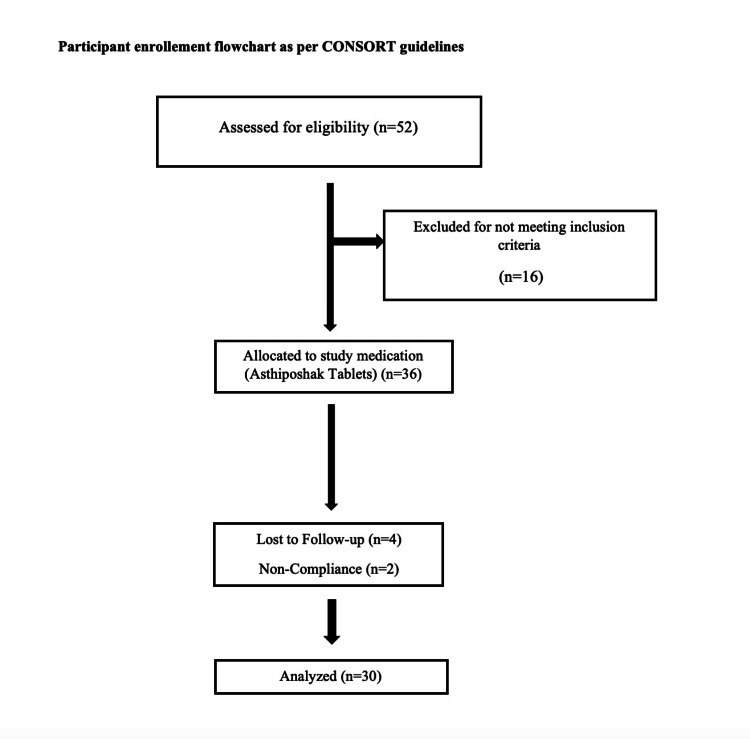
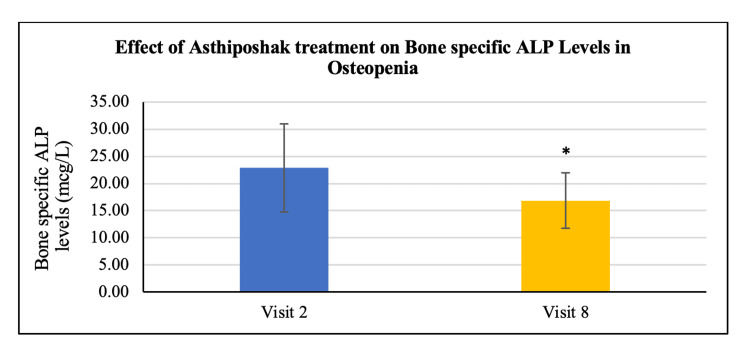
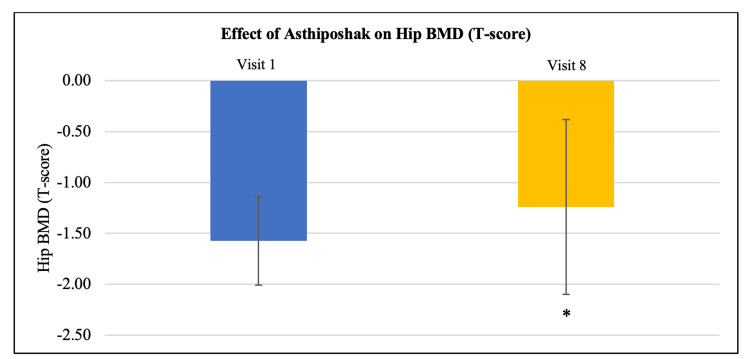
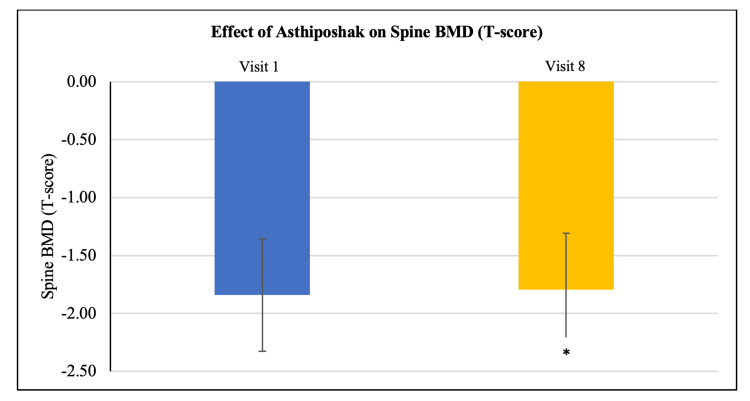
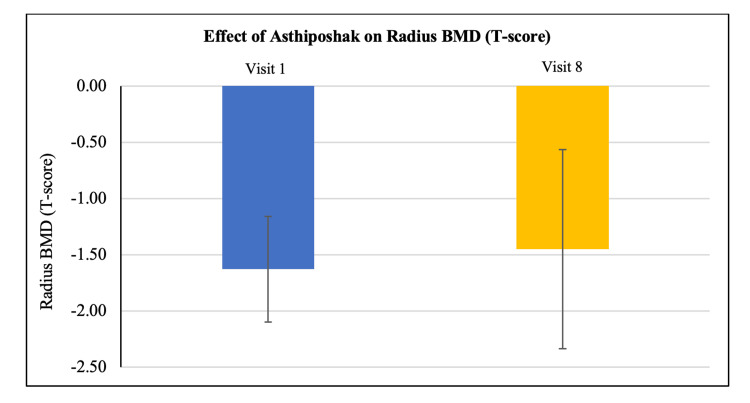
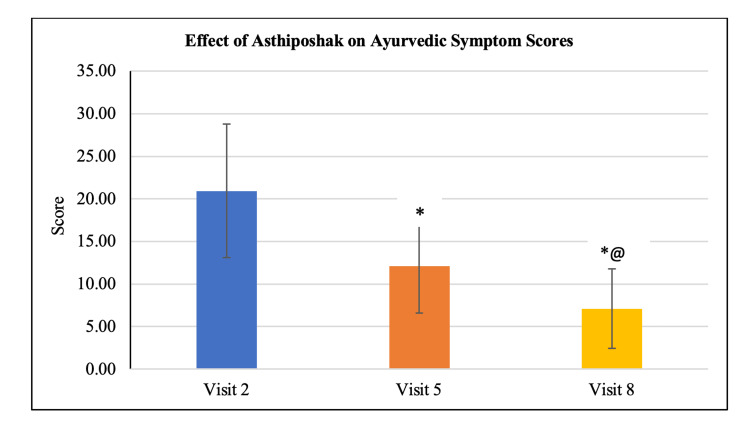
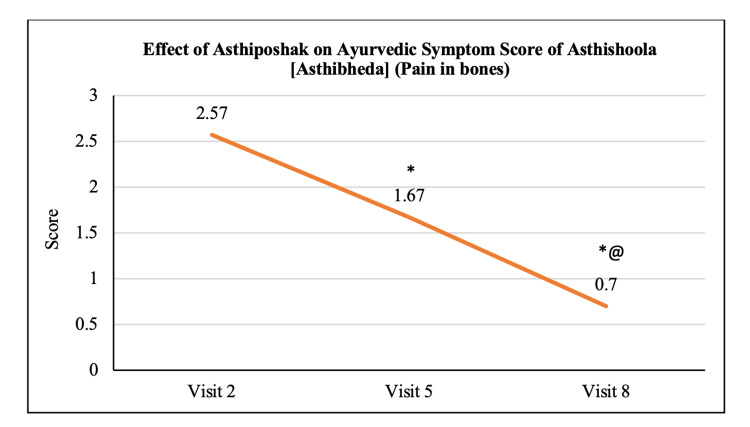
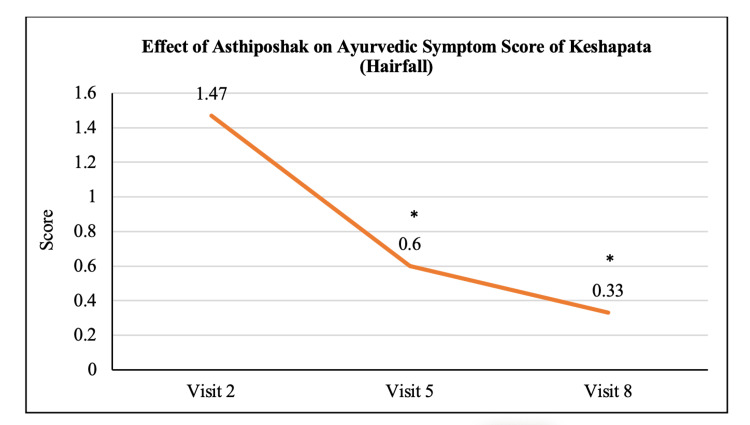
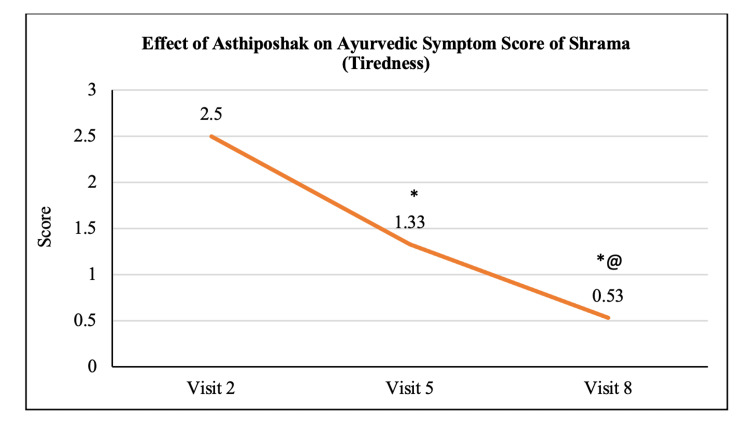
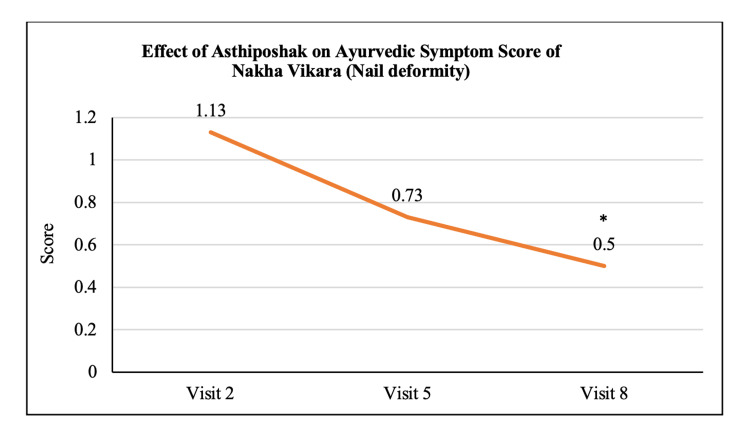
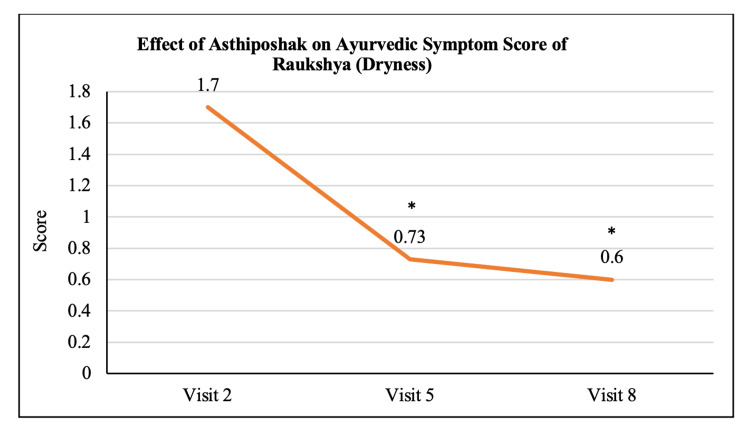
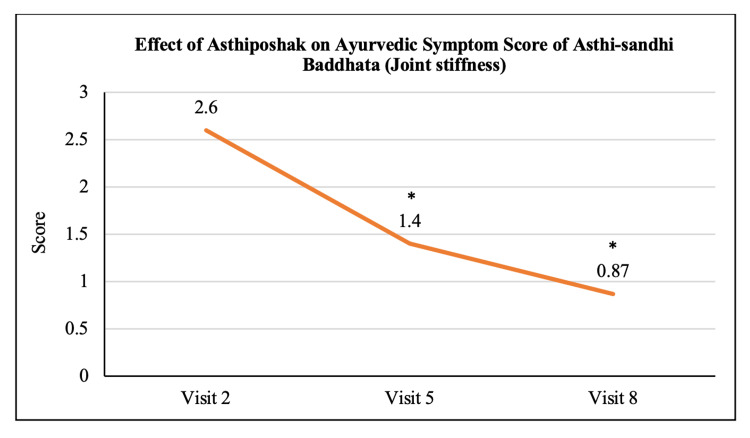
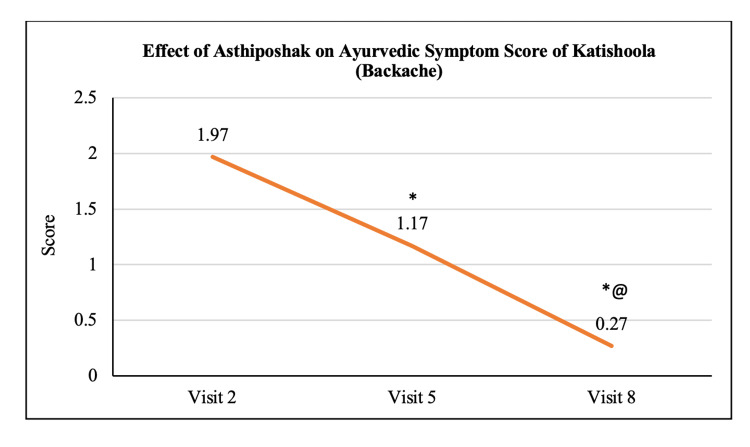
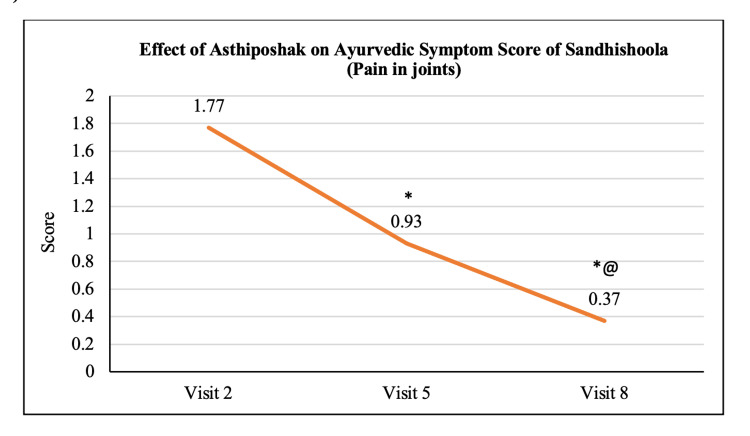
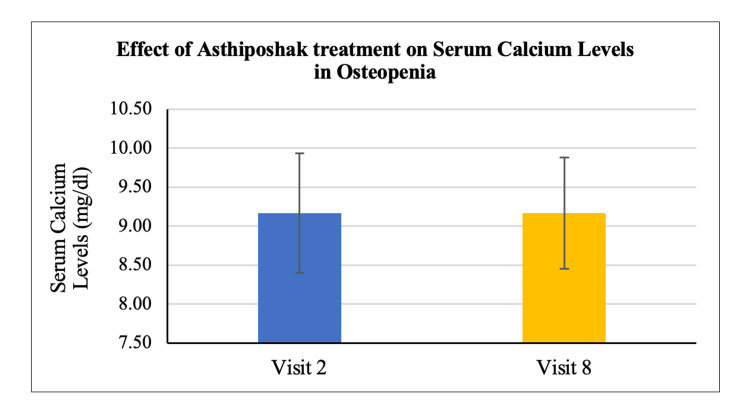
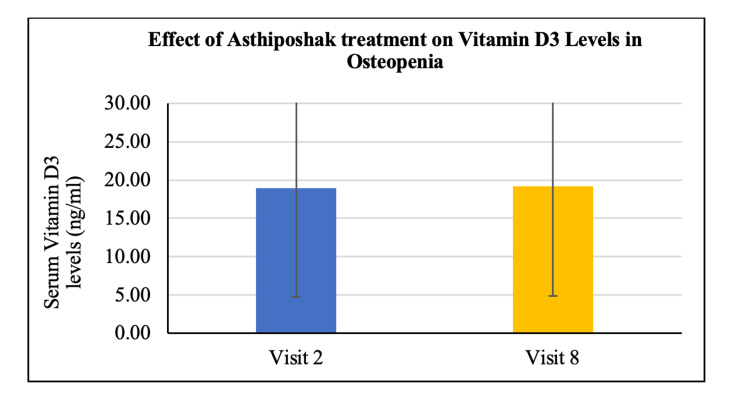
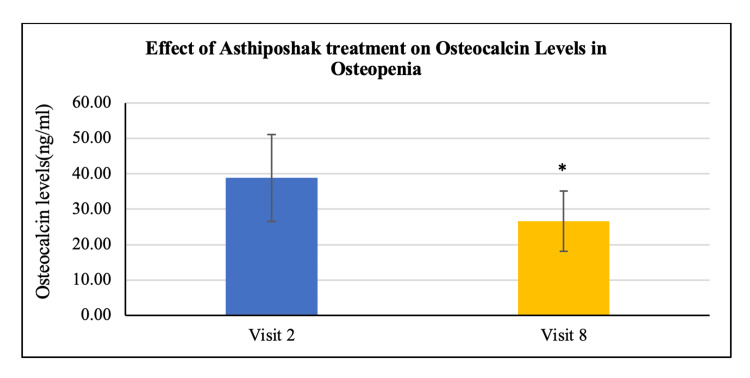
Introduction Both osteoporosis and osteopenia are prevalent public health concerns worldwide and can lead to debilitating bone fractures. This study aimed to assess the efficacy of Asthiposhak® Tablets in individuals with Asthikshaya (osteopenia) by measuring changes in the bone mineral density (BMD) score before and after the intervention, specifically between visit 1 (baseline) and visit 8 (after 180 days of treatment). Methods The single-arm study involved the screening of participants for Asthikshaya (osteopenia) using baseline investigations, which included a bone mineral density (BMD) assessment through a dual-energy X-ray absorptiometry (DEXA) scan. A total of 36 participants were enrolled in the study, who took two Asthiposhak Tablets three times a day with lukewarm water, for a period of 180 days. Safety assessments, along with evaluations of BMD (DEXA Scan), Ayurvedic Symptom Score, and serum biochemical markers, were conducted through blood investigations. Efficacy and safety data were analyzed using 'intention-to-treat' analysis. Descriptive statistics were used to express data in percentages, mean ± SD, or median (IQR). Data at different intervals were compared using paired t-tests or Wilcoxon signed-rank tests. One-way analysis of variance (ANOVA) with Bonferroni correction tested the significance between visits for the Ayurvedic Symptom Score, and Friedman's two-way analysis of variance by ranks measured differences in vital parameters. The significance level used was p<0.05. Results Out of the initially recruited 36 participants, 30 successfully completed the study, consisting of 12 males and 18 females, with an age range of 40 to 70 years and a mean age of 51.33 years. After 180 days of treatment with Asthiposhak Tablets, a statistically significant (p<0.05) improvement in hip and spine BMD (T-score) was observed. Additionally, significant reductions in the mean Total Ayurvedic Symptom Score were noted at both 90 and 180 days of treatment compared to day 0. Moreover, the levels of bone-specific alkaline phosphatase and osteocalcin, serum bone markers, showed statistically significant (p<0.05) reduction after 180 days of treatment compared to day 0. Importantly, all safety variables, including laboratory investigations, remained within the normal range following the 180-day treatment with Asthiposhak Tablets. Conclusion Asthiposhak Tablets exhibited significant efficacy in enhancing both BMD (T-score) and Ayurvedic Symptom Score, thereby substantiating their osteoprotective potential in individuals with Asthikshaya (osteopenia). Furthermore, the tablets were found to reduce the levels of biochemical markers, such as serum bone-specific alkaline phosphatase and osteocalcin, suggesting their anti-resorptive action.
引言
骨质疏松症和骨质减少在全球范围内都是普遍存在的公共卫生问题,并且会导致使人衰弱的骨折。本研究旨在通过测量干预前后骨矿物质密度(BMD)评分的变化,特别是在第1次就诊(基线)和第8次就诊(治疗180天后)之间的变化,来评估阿施蒂波沙克片(Asthiposhak® Tablets)对患有阿施蒂克夏亚(骨质减少)的个体的疗效。
方法
这项单臂研究通过基线调查筛选患有阿施蒂克夏亚(骨质减少)的参与者,基线调查包括通过双能X线吸收法(DEXA)扫描进行骨矿物质密度(BMD)评估。共有36名参与者被纳入研究,他们每天用温水服用两片阿施蒂波沙克片,一日三次,持续180天。通过血液检查进行安全性评估,同时评估BMD(DEXA扫描)、阿育吠陀症状评分和血清生化标志物。使用“意向性分析”对疗效和安全性数据进行分析。描述性统计用于以百分比、均值±标准差或中位数(四分位间距)表示数据。使用配对t检验或Wilcoxon符号秩检验比较不同时间间隔的数据。采用Bonferroni校正的单因素方差分析(ANOVA)检验阿育吠陀症状评分在各次就诊之间的显著性,采用Friedman双向秩方差分析测量生命体征参数的差异。使用的显著性水平为p<0.05。
结果
在最初招募的36名参与者中,30名成功完成了研究,其中包括12名男性和18名女性,年龄范围为40至70岁,平均年龄为51.33岁。在用阿施蒂波沙克片治疗180天后,观察到髋部和脊柱的BMD(T评分)有统计学显著改善(p<0.05)。此外,与第0天相比,在治疗90天和180天时,总阿育吠陀症状评分的平均值显著降低。而且与第0天相比,治疗180天后血清骨标志物骨特异性碱性磷酸酶和骨钙素的水平有统计学显著降低(p<0.05)。重要的是,在用阿施蒂波沙克片进行180天治疗后,所有安全变量,包括实验室检查结果,均保持在正常范围内。
结论
阿施蒂波沙克片在提高BMD(T评分)和阿育吠陀症状评分方面均表现出显著疗效,从而证实了其对患有阿施蒂克夏亚(骨质减少)个体的骨保护潜力。此外,发现该片剂可降低血清骨特异性碱性磷酸酶和骨钙素等生化标志物的水平,表明其具有抗吸收作用。