Manto Mario, Serrao Mariano, Filippo Castiglia Stefano, Timmann Dagmar, Tzvi-Minker Elinor, Pan Ming-Kai, Kuo Sheng-Han, Ugawa Yoshikazu
Service des Neurosciences, Université de Mons, Mons, Belgium.
Service de Neurologie, CHU-Charleroi, Charleroi, Belgium.
Clin Neurophysiol Pract. 2023 Jul 20;8:143-160. doi: 10.1016/j.cnp.2023.07.002. eCollection 2023.
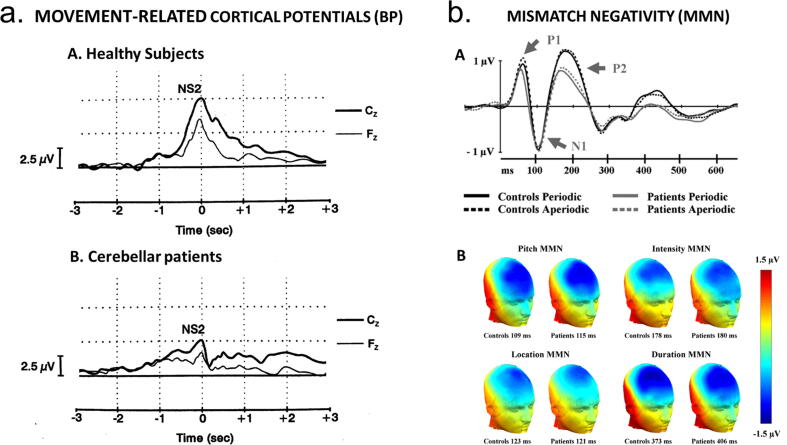
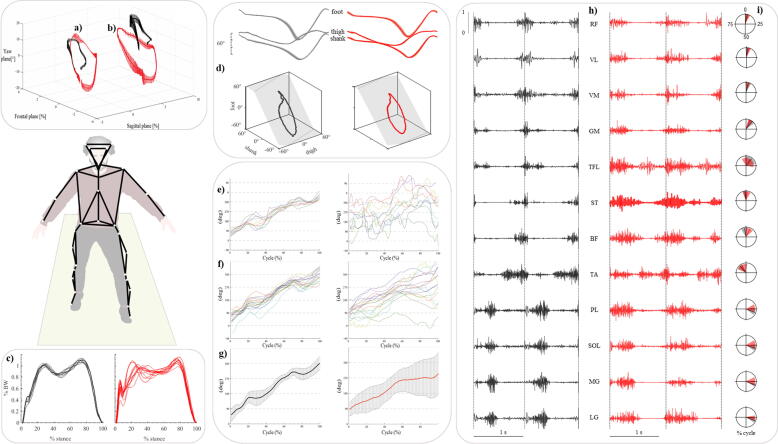
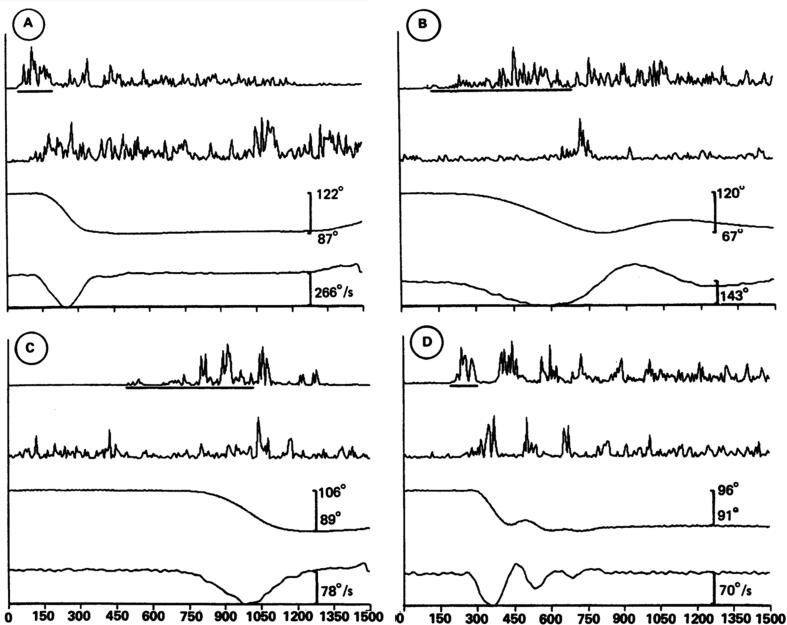
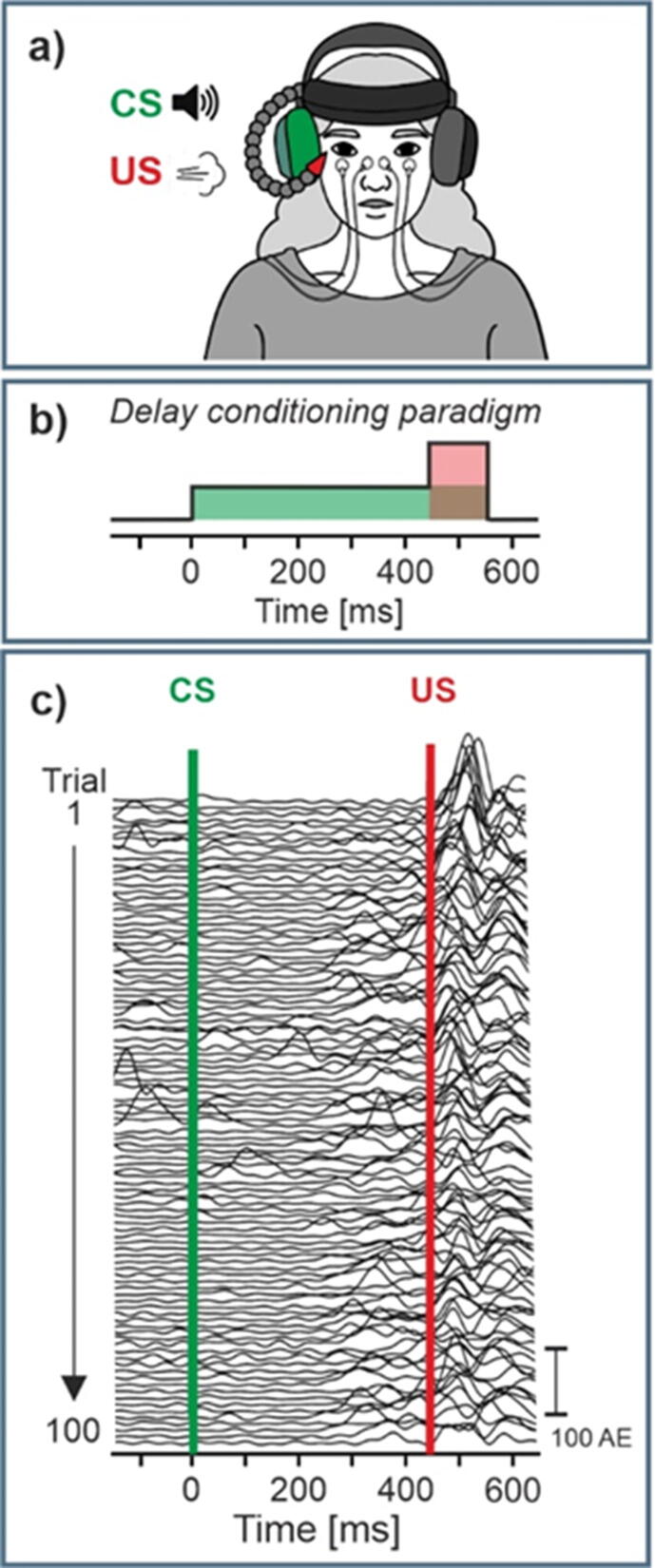
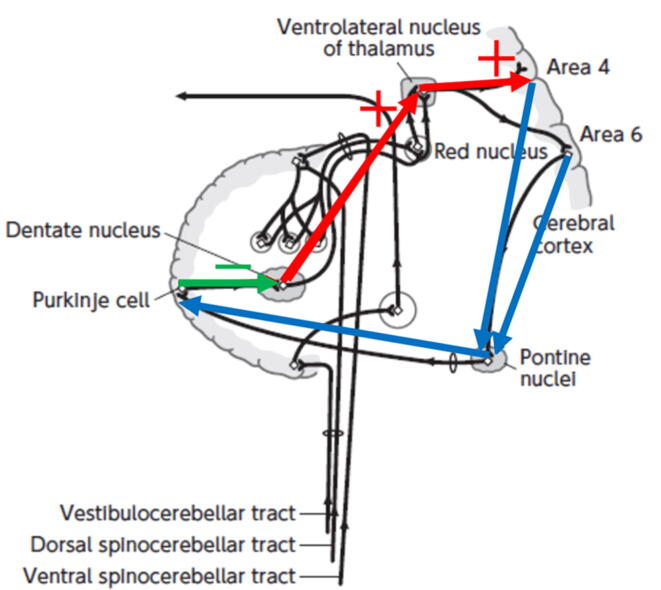
There are numerous forms of cerebellar disorders from sporadic to genetic diseases. The aim of this chapter is to provide an overview of the advances and emerging techniques during these last 2 decades in the neurophysiological tests useful in cerebellar patients for clinical and research purposes. Clinically, patients exhibit various combinations of a vestibulocerebellar syndrome, a cerebellar cognitive affective syndrome and a cerebellar motor syndrome which will be discussed throughout this chapter. Cerebellar patients show abnormal Bereitschaftpotentials (BPs) and mismatch negativity. Cerebellar EEG is now being applied in cerebellar disorders to unravel impaired electrophysiological patterns associated within disorders of the cerebellar cortex. Eyeblink conditioning is significantly impaired in cerebellar disorders: the ability to acquire conditioned eyeblink responses is reduced in hereditary ataxias, in cerebellar stroke and after tumor surgery of the cerebellum. Furthermore, impaired eyeblink conditioning is an early marker of cerebellar degenerative disease. General rules of motor control suggest that optimal strategies are needed to execute voluntary movements in the complex environment of daily life. A high degree of adaptability is required for learning procedures underlying motor control as sensorimotor adaptation is essential to perform accurate goal-directed movements. Cerebellar patients show impairments during online visuomotor adaptation tasks. Cerebellum-motor cortex inhibition (CBI) is a neurophysiological biomarker showing an inverse association between cerebellothalamocortical tract integrity and ataxia severity. Ataxic gait is characterized by increased step width, reduced ankle joint range of motion, increased gait variability, lack of intra-limb inter-joint and inter-segmental coordination, impaired foot ground placement and loss of trunk control. Taken together, these techniques provide a neurophysiological framework for a better appraisal of cerebellar disorders.
小脑疾病有多种形式,从散发性疾病到遗传性疾病。本章旨在概述过去20年中在神经生理学测试方面取得的进展和新兴技术,这些测试对小脑疾病患者的临床和研究具有重要意义。临床上,患者表现出前庭小脑综合征、小脑认知情感综合征和小脑运动综合征的各种组合,本章将对此进行讨论。小脑疾病患者表现出异常的 Bereitschaft 电位(BPs)和失配负波。目前,小脑脑电图正被应用于小脑疾病,以揭示与小脑皮质疾病相关的受损电生理模式。眨眼条件反射在小脑疾病中显著受损:在遗传性共济失调、小脑卒中以及小脑肿瘤手术后,获得条件性眨眼反应的能力会降低。此外,眨眼条件反射受损是小脑退行性疾病的早期标志。运动控制的一般规则表明,在日常生活的复杂环境中执行自主运动需要最佳策略。由于感觉运动适应对于执行准确的目标导向运动至关重要,因此运动控制的学习过程需要高度的适应性。小脑疾病患者在在线视觉运动适应任务中表现出损伤。小脑 - 运动皮层抑制(CBI)是一种神经生理学生物标志物,显示小脑丘脑皮质束完整性与共济失调严重程度之间呈负相关。共济失调步态的特征是步幅增宽、踝关节活动范围减小、步态变异性增加、肢体内部关节间和节段间协调性缺乏、足部着地位置受损以及躯干控制丧失。综上所述,这些技术为更好地评估小脑疾病提供了一个神经生理学框架。