Zoonotic Diseases Department, Veterinary Research Institute, National Research Centre, Dokki-Giza, Egypt.
Parasitology and Animal Diseases Department, Veterinary Research Institute, National Research Centre, Dokki, Giza, Egypt.
BMC Vet Res. 2023 Aug 18;19(1):127. doi: 10.1186/s12917-023-03689-y.
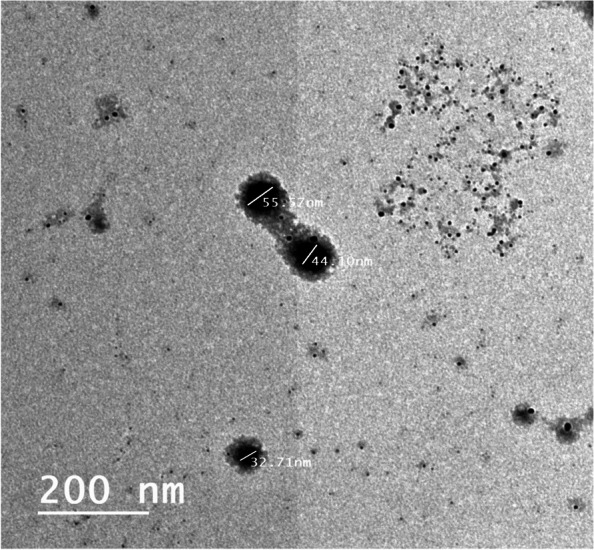
Coccidiosis is a costly and widespread infectious disease that affects mammals and causes huge losses for the global rabbit meat industry. This study evaluated the potency of Egyptian alginate propolis nanoparticles (NPs) in attenuating the infectivity of Eimeria stiedae sporulated oocysts. The gelification method was used to prepare alginate propolis NPs, which were then characterized using a transmission electron microscope and zeta potential analysis.
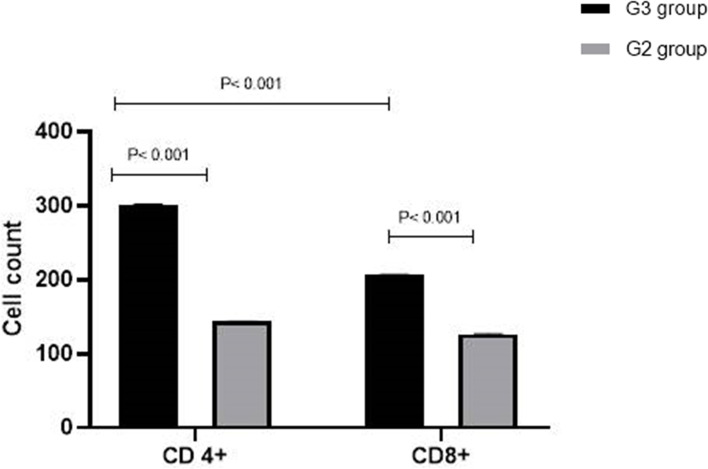
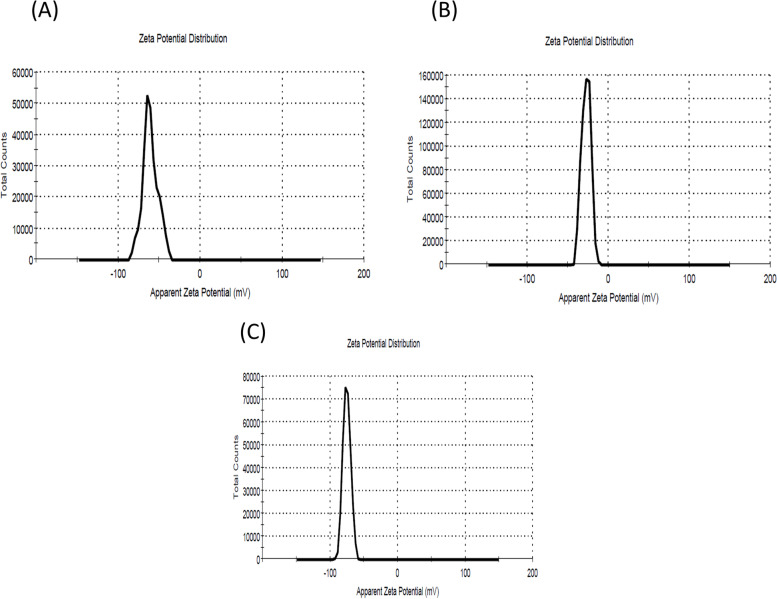
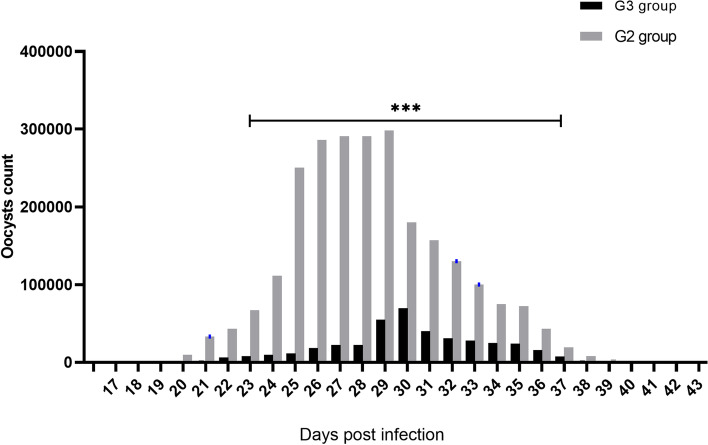
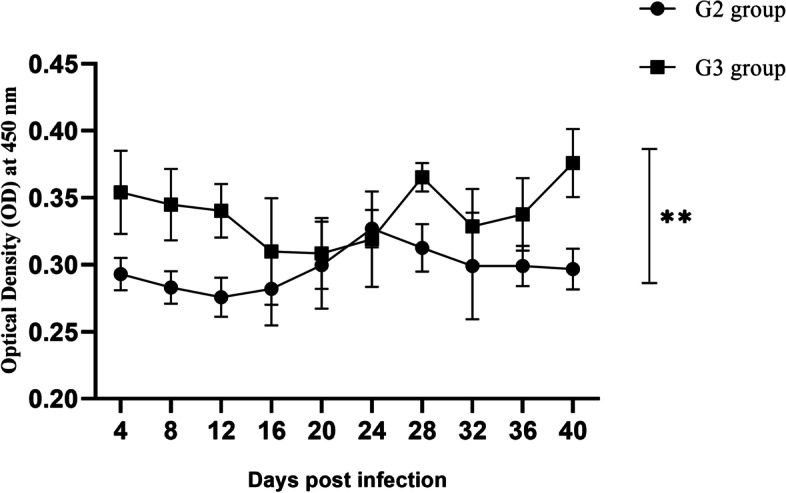
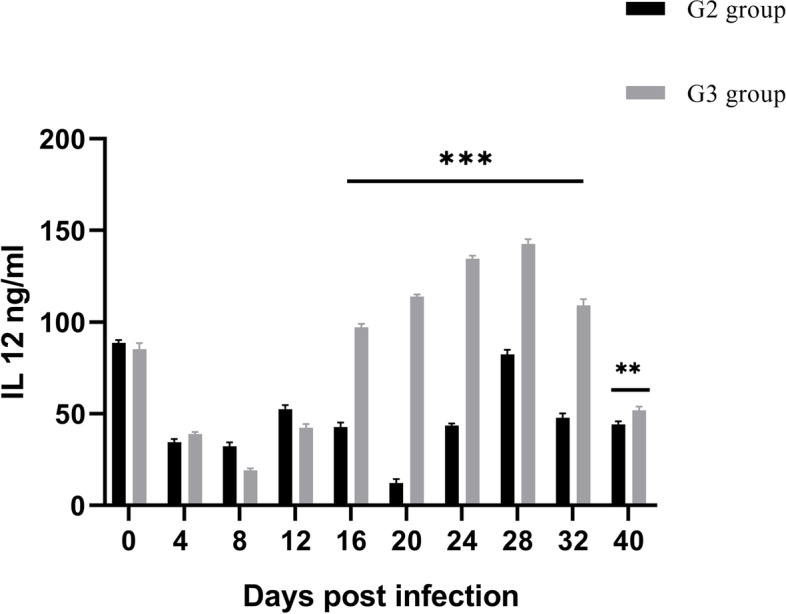
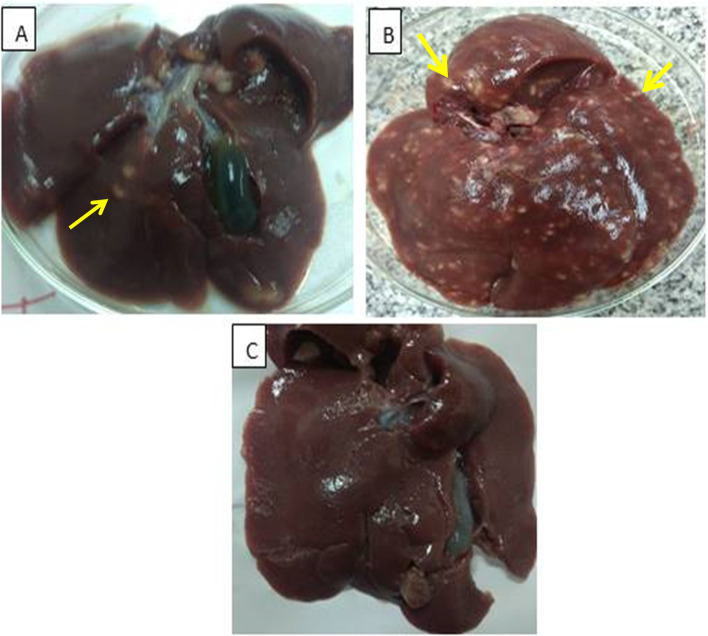
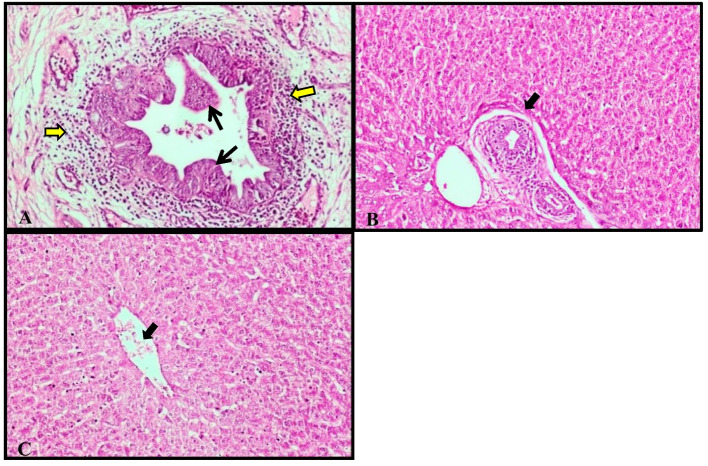
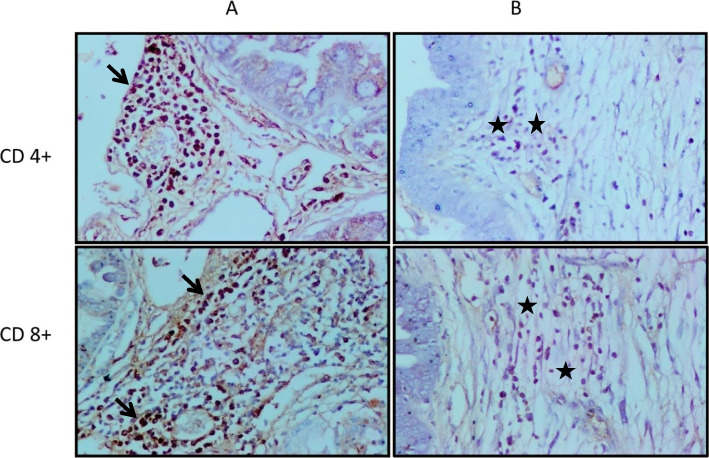
The results revealed that the zeta potential of the prepared alginate propolis NPs increased from - 60.60 ± 9.10 mV to -72.26 ± 6.04 mV. The sporulated oocysts were treated with 50 mg/mL of the alginate propolis NPs. Thereafter, the treated oocysts were tested for their ability to infect rabbits. The rabbits were divided into three groups: the healthy control (G1) group, the infected control (G2) group, and the treated oocyst-infected (G3) group. The rabbits were sacrificed 43 days post-infection (dpi). The infectivity of the oocysts was assessed. The treated oocyst-infected rabbits exhibited slight abdominal distension and dullness symptoms. The G3 group had no oocyst output, with a 100% reduction from 41 dpi until the end of the experiment. Immunologically, the IgG level of the G2 group gradually increased (p ≤ 0.05) much more than that of the G3 group. The IL-12 level in the G3 group significantly increased from 16 dpi until the end of the experiment, nearly reaching the level in healthy animals. Decreased CD4 and CD8 immunolabelling was observed in the liver sections of the group infected with the alginate propolis NP-treated oocysts, and there was a remarkable improvement in the histopathological parameters.
These data indicate that Alg propolis NPs are sufficient to reduce the infectivity of E. stiedae oocysts.
球虫病是一种代价高昂且广泛传播的传染病,影响哺乳动物,给全球兔肉产业造成巨大损失。本研究评估了埃及海藻酸钠蜂胶纳米粒子(NPs)减弱斯氏艾美耳球虫卵囊孢子化感染力的效力。采用凝胶化法制备海藻酸钠蜂胶 NPs,然后使用透射电子显微镜和zeta 电位分析对其进行表征。
结果表明,所制备的海藻酸钠蜂胶 NPs 的 zeta 电位从-60.60±9.10 mV 增加到-72.26±6.04 mV。用 50 mg/mL 的海藻酸钠蜂胶 NPs 处理孢子化卵囊。然后,用处理过的卵囊感染兔子。将兔子分为三组:健康对照组(G1 组)、感染对照组(G2 组)和处理过的卵囊感染组(G3 组)。感染后 43 天(dpi)处死兔子。评估卵囊的感染力。感染的海藻酸钠蜂胶 NPs 处理过的卵囊的兔子表现出轻微的腹胀和呆滞症状。G3 组从 41 dpi 到实验结束均无卵囊排出,减少 100%。免疫学方面,G2 组 IgG 水平逐渐升高(p≤0.05),比 G3 组升高得更多。G3 组的 IL-12 水平从 16 dpi 开始直至实验结束显著升高,几乎达到健康动物的水平。感染用海藻酸钠蜂胶 NP 处理过的卵囊的兔子肝脏切片中 CD4 和 CD8 的免疫标记减少,组织病理学参数有明显改善。
这些数据表明,Alg propolis NPs 足以降低 E. stiedae 卵囊的感染力。