Department of Translational Hematology and Oncology Research, Taussig Cancer Institute, Cleveland Clinic, Cleveland, OH 44195, USA.
Department of Quantitative Health Sciences, Cleveland Clinic, Cleveland, OH 44195, USA.
Cell Rep. 2023 Aug 29;42(8):113016. doi: 10.1016/j.celrep.2023.113016. Epub 2023 Aug 18.
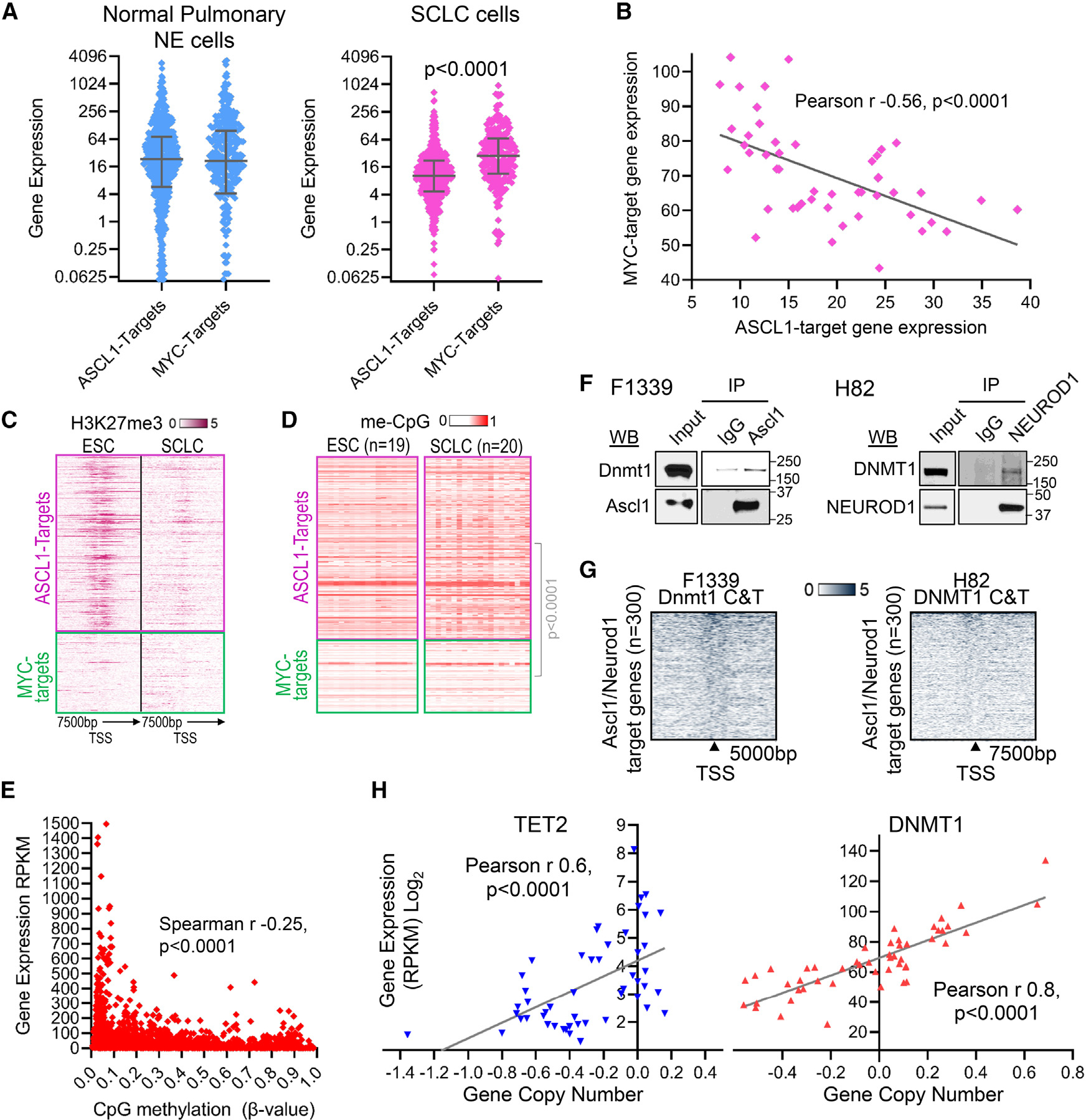
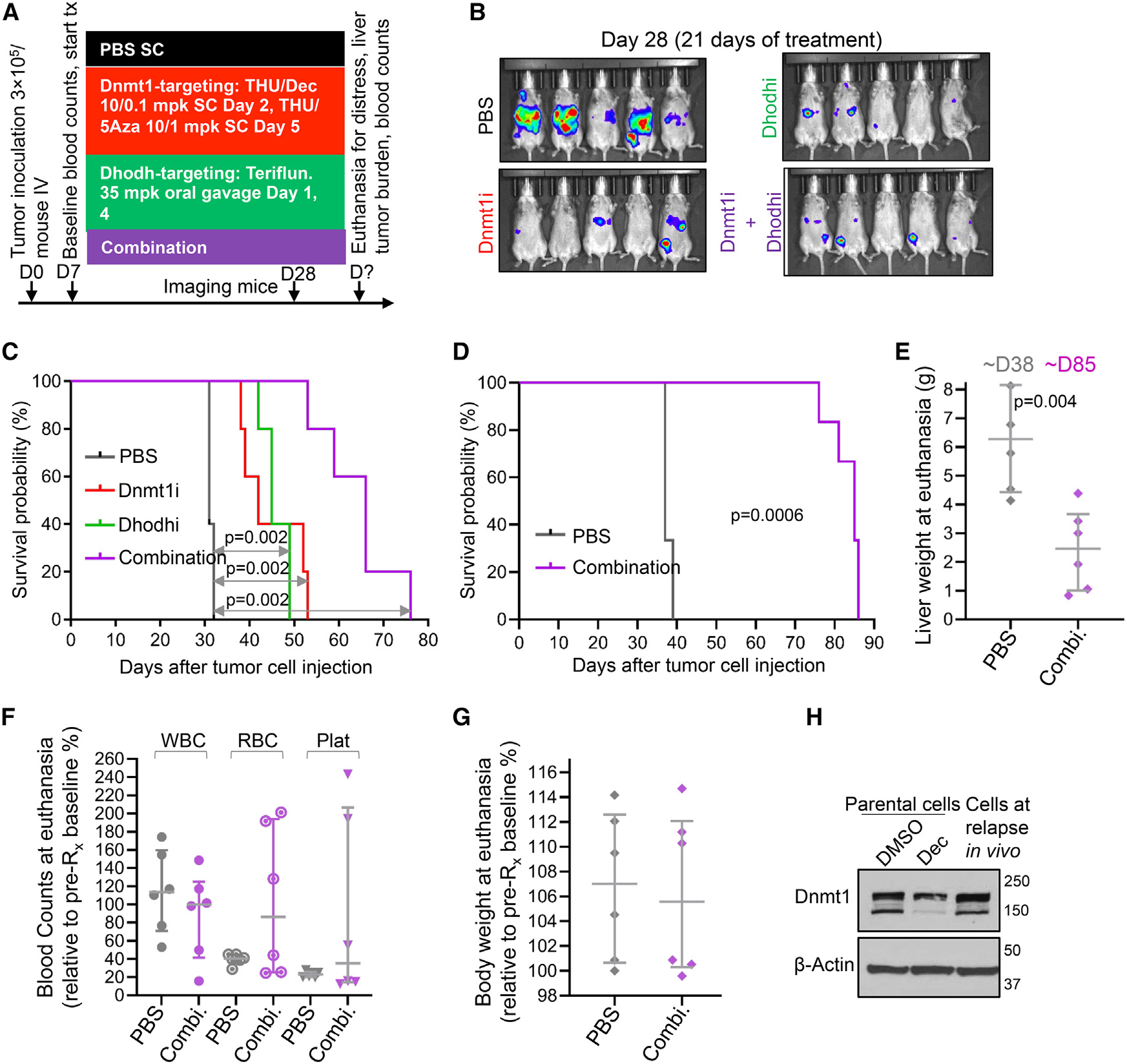
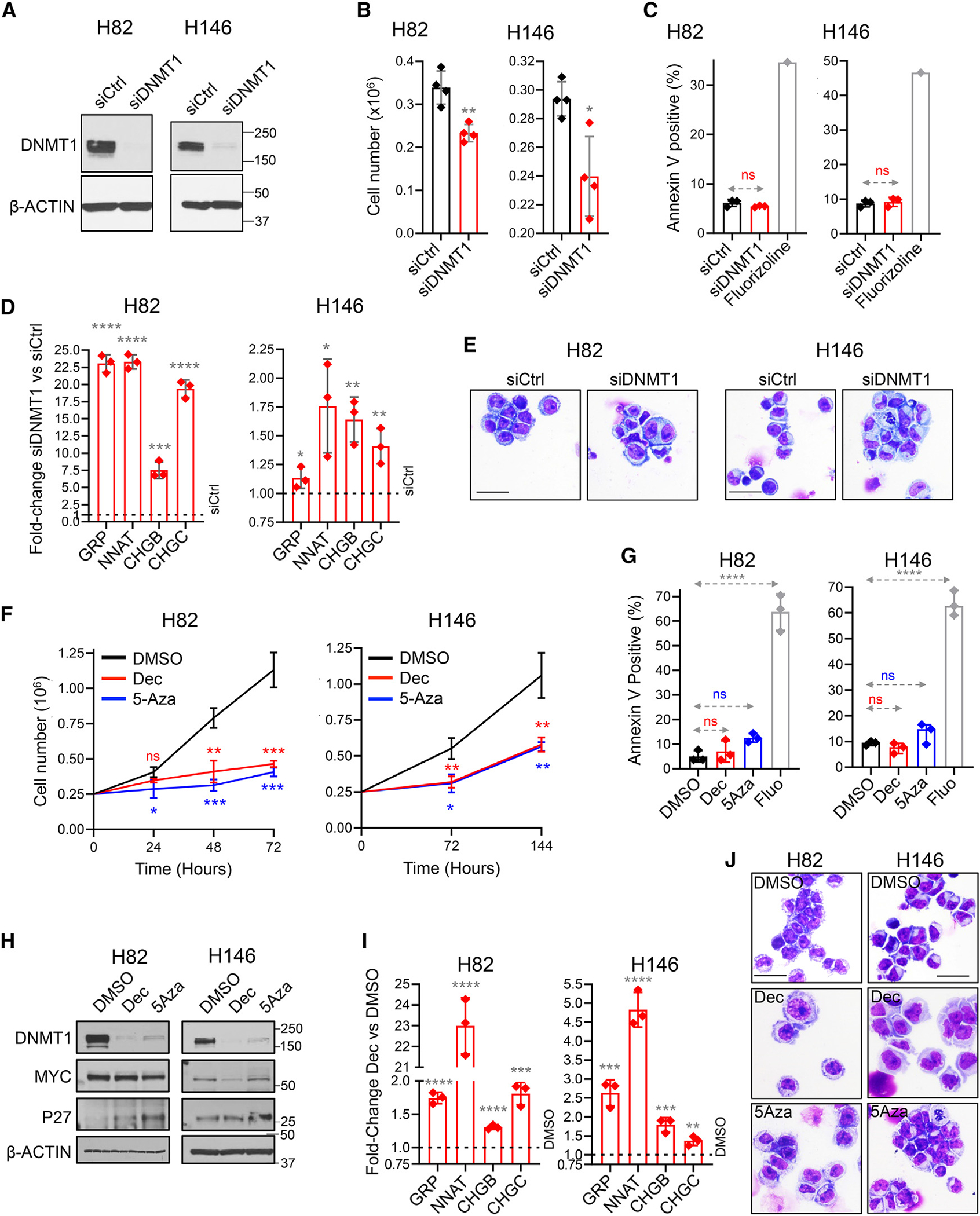
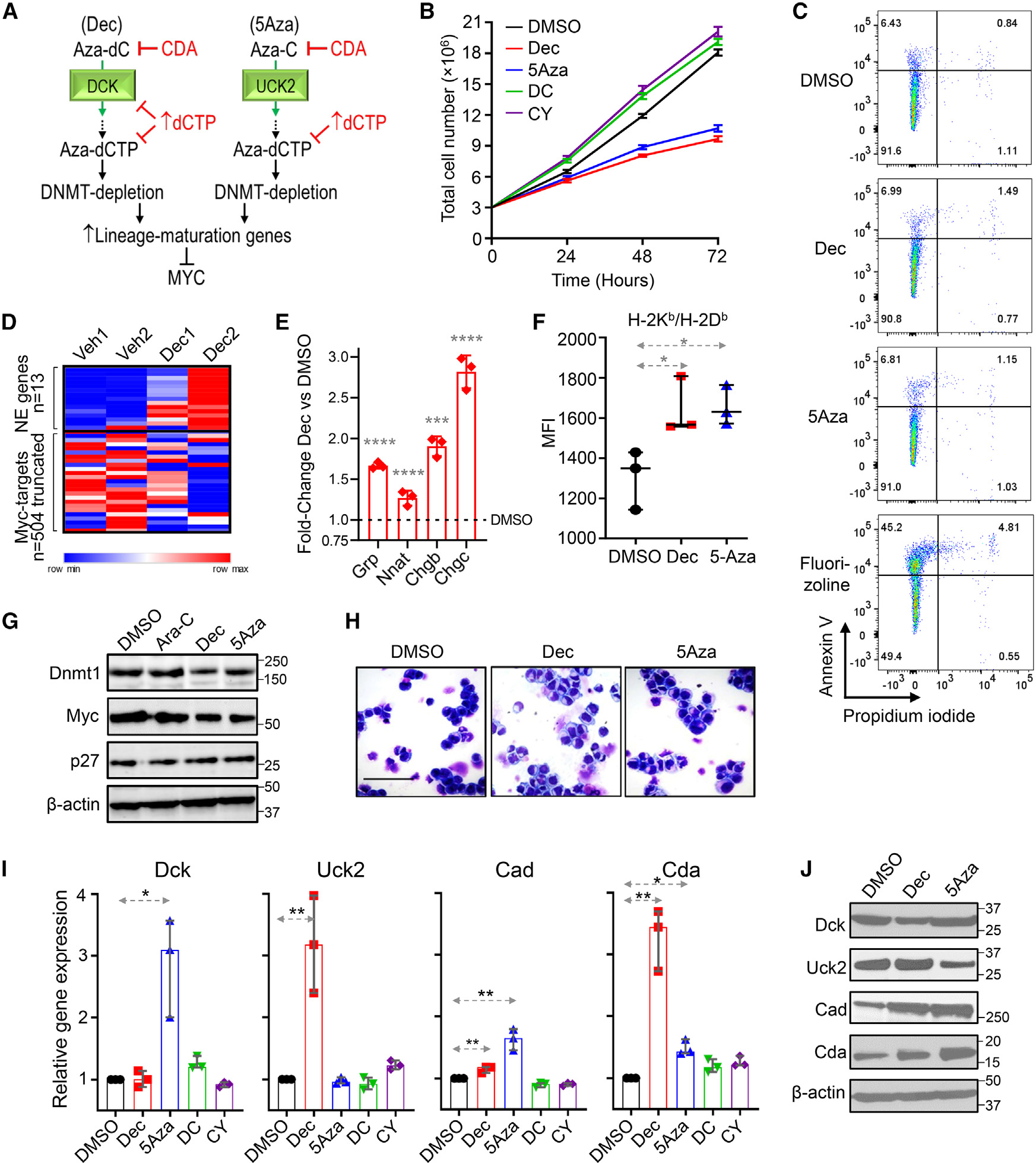
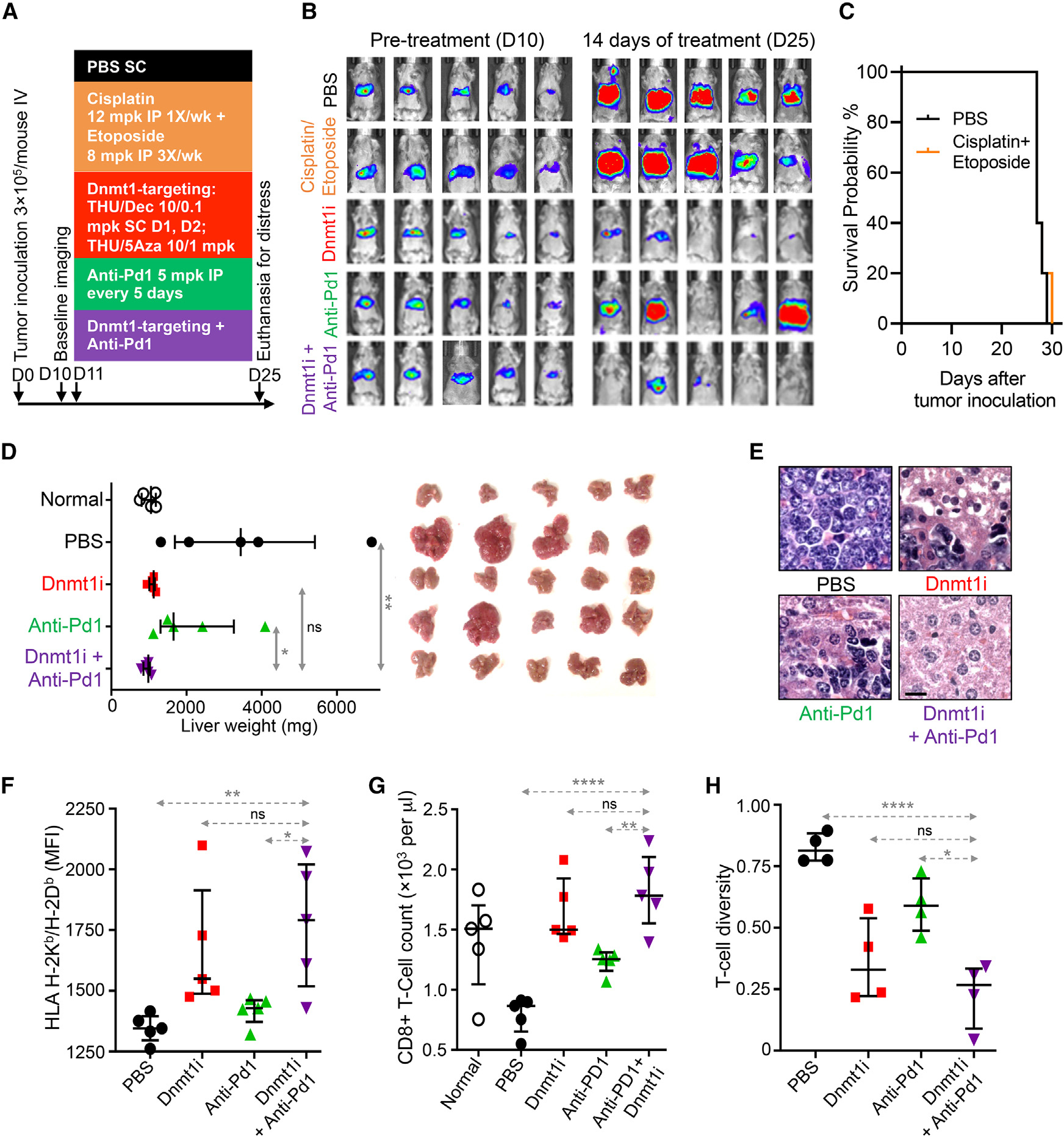
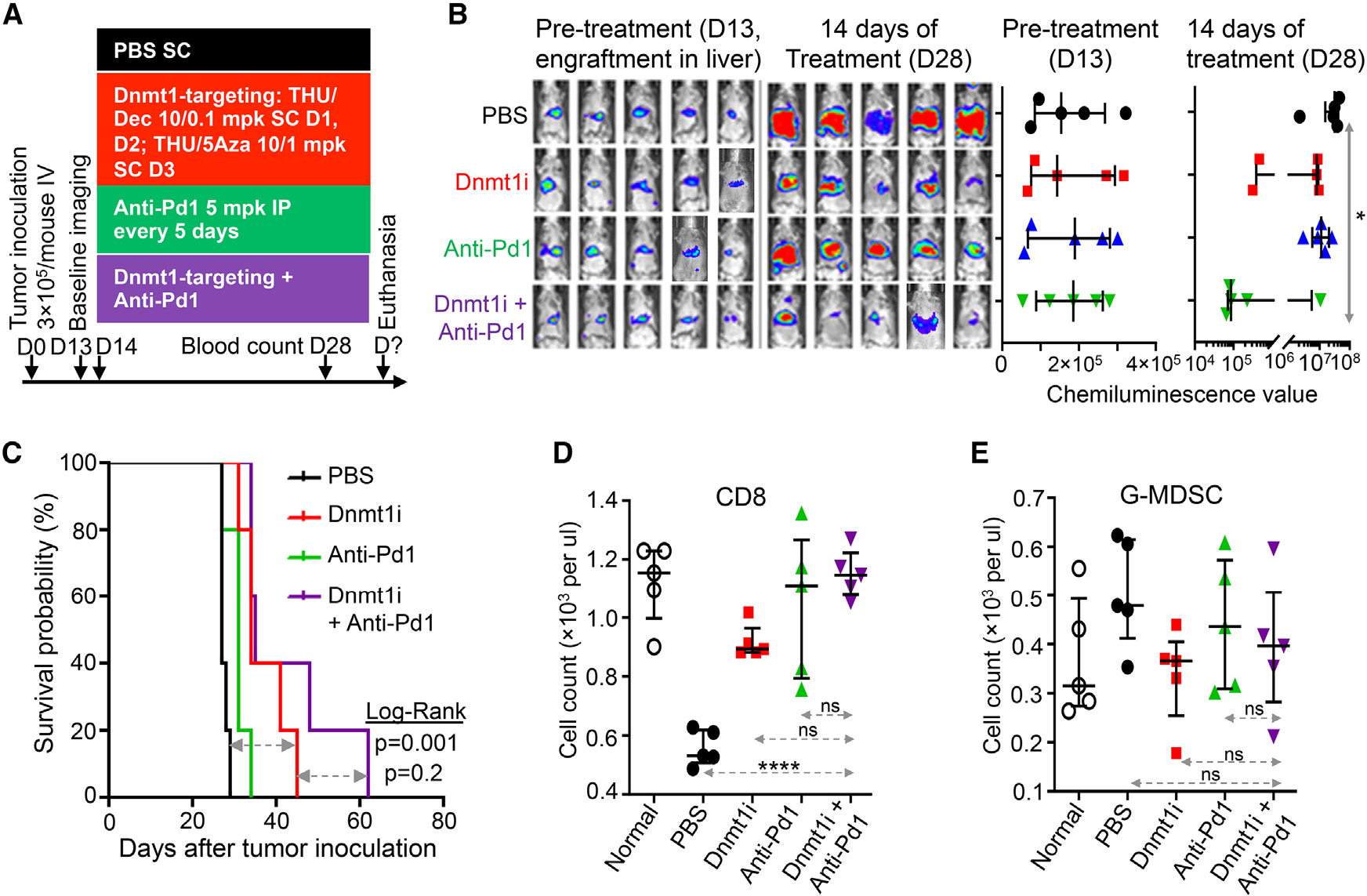
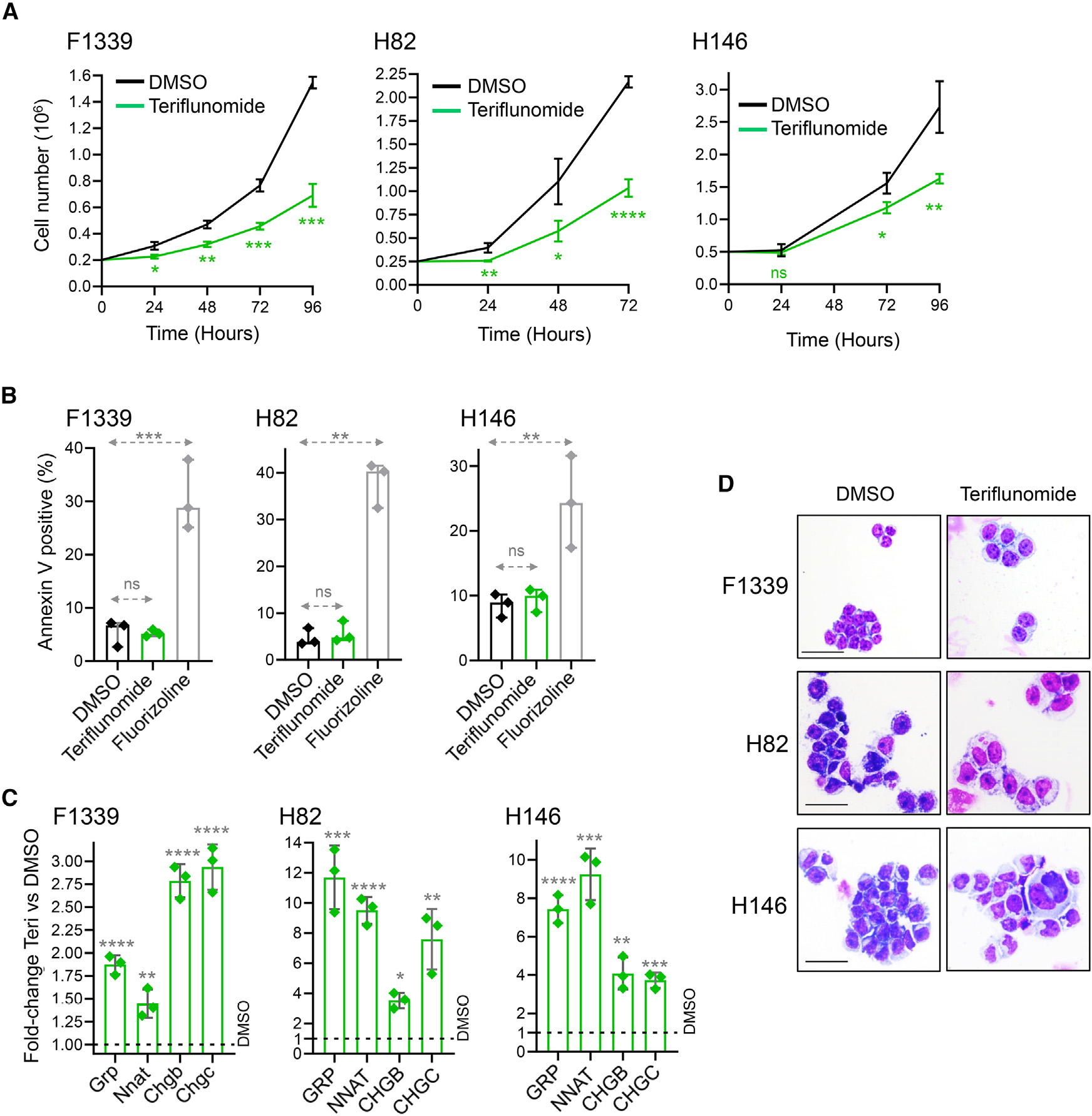
Small cell lung cancers (SCLCs) rapidly resist cytotoxic chemotherapy and immune checkpoint inhibitor (ICI) treatments. New, non-cross-resistant therapies are thus needed. SCLC cells are committed into neuroendocrine lineage then maturation arrested. Implicating DNA methyltransferase 1 (DNMT1) in the maturation arrests, we find (1) the repression mark methylated CpG, written by DNMT1, is retained at suppressed neuroendocrine-lineage genes, even as other repression marks are erased; (2) DNMT1 is recurrently amplified, whereas Ten-Eleven-Translocation 2 (TET2), which functionally opposes DNMT1, is deleted; (3) DNMT1 is recruited into neuroendocrine-lineage master transcription factor (ASCL1, NEUROD1) hubs in SCLC cells; and (4) DNMT1 knockdown activated ASCL1-target genes and released SCLC cell-cycling exits by terminal lineage maturation, which are cycling exits that do not require the p53/apoptosis pathway used by cytotoxic chemotherapy. Inhibiting DNMT1/corepressors with clinical compounds accordingly extended survival of mice with chemorefractory and ICI-refractory, p53-null, disseminated SCLC. Lineage commitment of SCLC cells can hence be leveraged into non-cytotoxic therapy able to treat chemo/ICI-refractory SCLC.
小细胞肺癌(SCLC)迅速对细胞毒性化疗和免疫检查点抑制剂(ICI)治疗产生耐药性。因此,需要新的、非交叉耐药的治疗方法。SCLC 细胞定向到神经内分泌谱系,然后成熟停滞。我们发现 DNA 甲基转移酶 1(DNMT1)参与成熟停滞,(1)DNMT1 书写的抑制性甲基化 CpG 标记保留在受抑制的神经内分泌谱系基因中,即使其他抑制性标记被擦除;(2)DNMT1 经常扩增,而功能上与 DNMT1 相反的 Ten-Eleven-Translocation 2(TET2)缺失;(3)DNMT1 被募集到 SCLC 细胞中的神经内分泌谱系主转录因子(ASCL1、NEUROD1)枢纽中;(4)DNMT1 敲低激活了 ASCL1 靶基因,并通过终末谱系成熟释放了 SCLC 细胞的循环退出,这些循环退出不需要细胞毒性化疗所使用的 p53/凋亡途径。因此,用临床化合物抑制 DNMT1/共抑制因子,延长了对化疗和 ICI 耐药、p53 缺失、播散性 SCLC 的小鼠的生存时间。因此,可以利用 SCLC 细胞的谱系定向作用,开发出能够治疗化疗/ICI 耐药性 SCLC 的非细胞毒性疗法。