
基于机器学习的 AR-HUD 认知负荷预测模型,提高专业驾驶员的 OSH。
Machine learning-based cognitive load prediction model for AR-HUD to improve OSH of professional drivers.
机构信息
School of Mechanical and Electrical Engineering, Lingnan Normal University, Zhanjiang, China.
College of Education, Sehan University, Yeongam, Jeollanam-do, Republic of Korea.
出版信息
Front Public Health. 2023 Aug 3;11:1195961. doi: 10.3389/fpubh.2023.1195961. eCollection 2023.
MOTIVATION
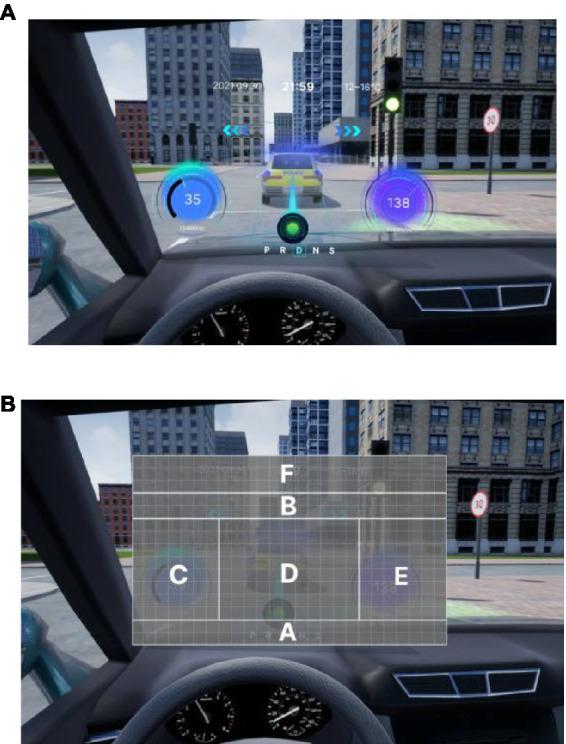
Augmented reality head-up display (AR-HUD) interface design takes on critical significance in enhancing driving safety and user experience among professional drivers. However, optimizing the above-mentioned interfaces poses challenges, innovative methods are urgently required to enhance performance and reduce cognitive load.
DESCRIPTION
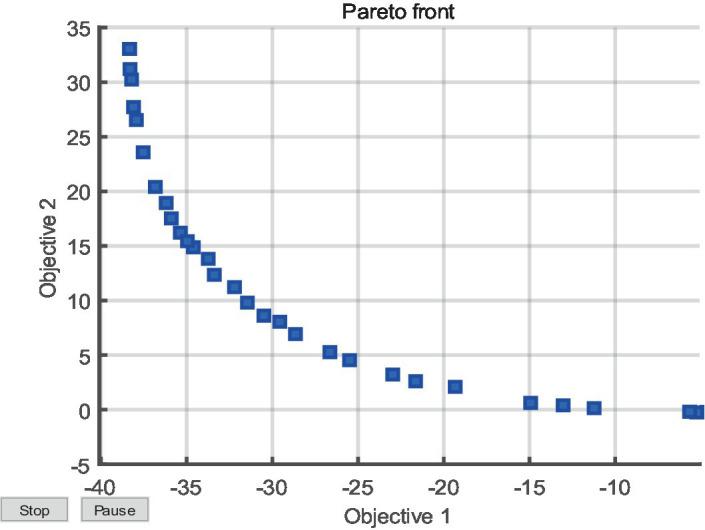
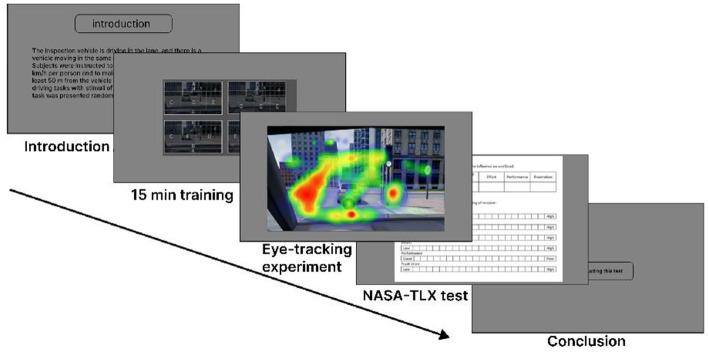
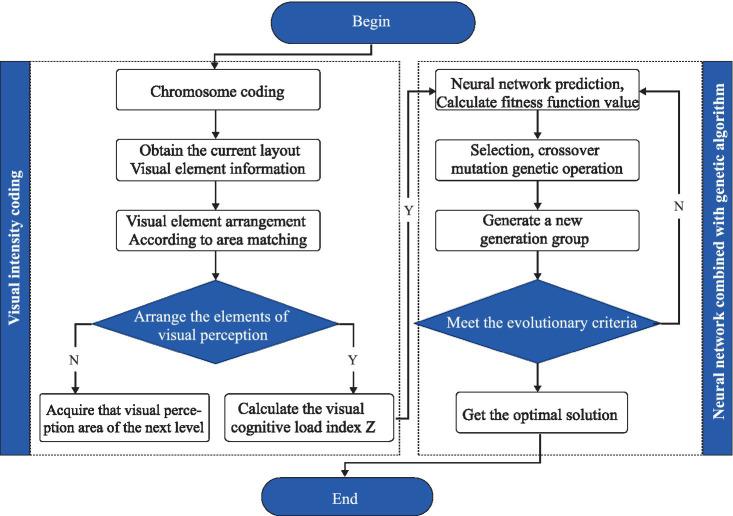
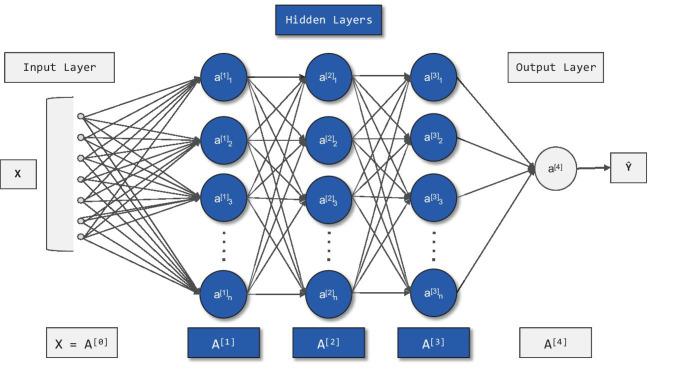
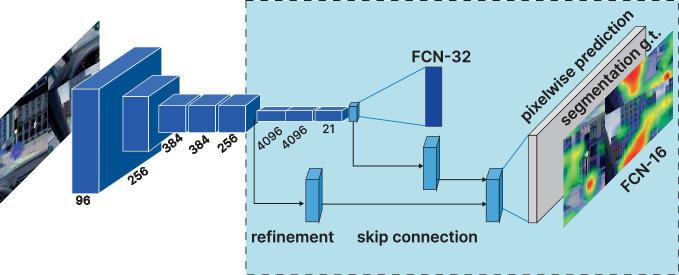
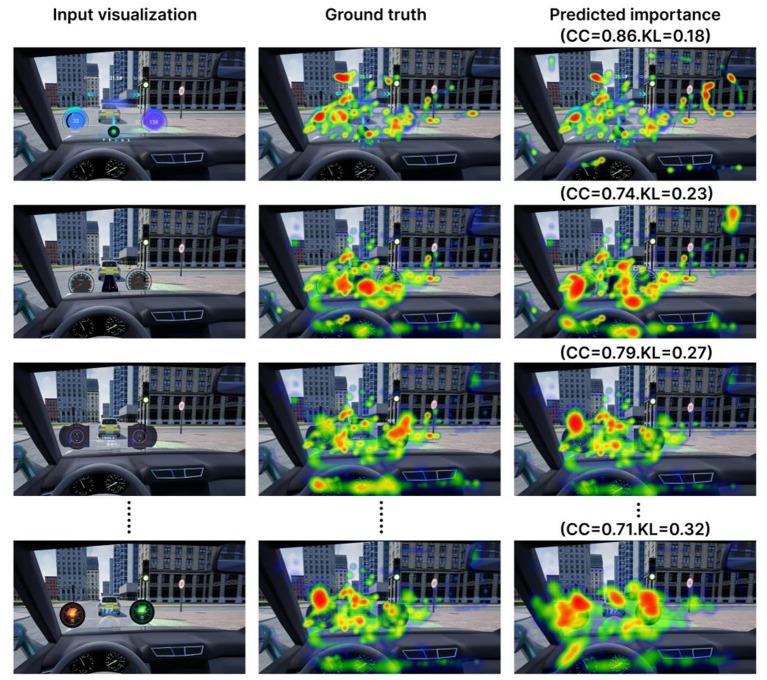
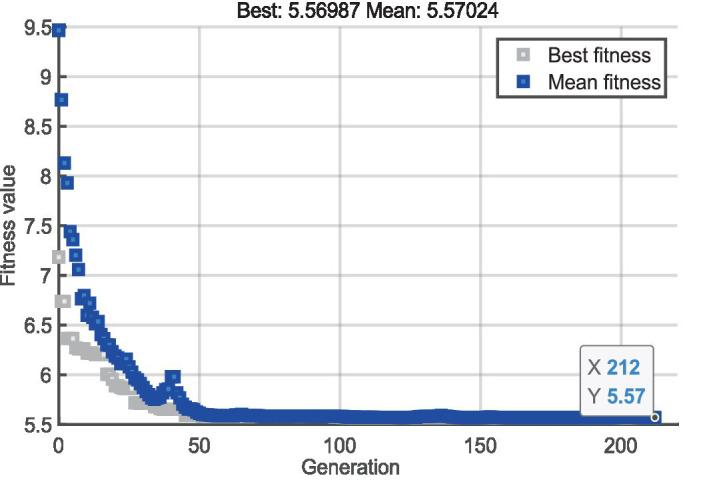
A novel method was proposed, combining the IVPM method with a GA to optimize AR-HUD interfaces. Leveraging machine learning, the IVPM-GA method was adopted to predict cognitive load and iteratively optimize the interface design.
RESULTS
Experimental results confirmed the superiority of IVPM-GA over the conventional BP-GA method. Optimized AR-HUD interfaces using IVPM-GA significantly enhanced the driving performance, and user experience was enhanced since 80% of participants rated the IVPM-GA interface as visually comfortable and less distracting.
CONCLUSION
In this study, an innovative method was presented to optimize AR-HUD interfaces by integrating IVPM with a GA. IVPM-GA effectively reduced cognitive load, enhanced driving performance, and improved user experience for professional drivers. The above-described findings stress the significance of using machine learning and optimization techniques in AR-HUD interface design, with the aim of enhancing driver safety and occupational health. The study confirmed the practical implications of machine learning optimization algorithms for designing AR-HUD interfaces with reduced cognitive load and improved occupational safety and health (OSH) for professional drivers.
动机
增强现实平视显示器 (AR-HUD) 界面设计对于提高专业驾驶员的驾驶安全性和用户体验至关重要。然而,优化上述界面具有挑战性,需要创新方法来提高性能和降低认知负荷。
描述
提出了一种新方法,将 IVPM 方法与 GA 相结合,以优化 AR-HUD 界面。该方法采用机器学习,利用 IVPM-GA 预测认知负荷并迭代优化界面设计。
结果
实验结果证实了 IVPM-GA 优于传统的 BP-GA 方法。使用 IVPM-GA 优化的 AR-HUD 界面显著提高了驾驶性能,并且由于 80%的参与者认为 IVPM-GA 界面视觉舒适且干扰较小,因此用户体验得到了提升。
结论
本研究提出了一种通过将 IVPM 与 GA 相结合来优化 AR-HUD 界面的创新方法。IVPM-GA 有效地降低了认知负荷,提高了驾驶性能,改善了专业驾驶员的用户体验。上述发现强调了在 AR-HUD 界面设计中使用机器学习和优化技术的重要性,以提高驾驶员的安全性和职业健康。研究证实了机器学习优化算法在设计具有降低认知负荷和提高职业安全与健康 (OSH) 的 AR-HUD 界面方面的实际意义。
 Zotero 插件