Radzikowski Daniel, Kalińska Aleksandra, Kot Magdalena, Jaworski Sławomir, Wierzbicki Mateusz, Gołębiewski Marcin
Animal Breeding Department, Warsaw University of Life Sciences, 02-786 Warszawa, Poland.
Department of Nanobiotechnology, Warsaw University of Life Sciences, 02-786 Warszawa, Poland.
Biomedicines. 2023 Aug 17;11(8):2291. doi: 10.3390/biomedicines11082291.
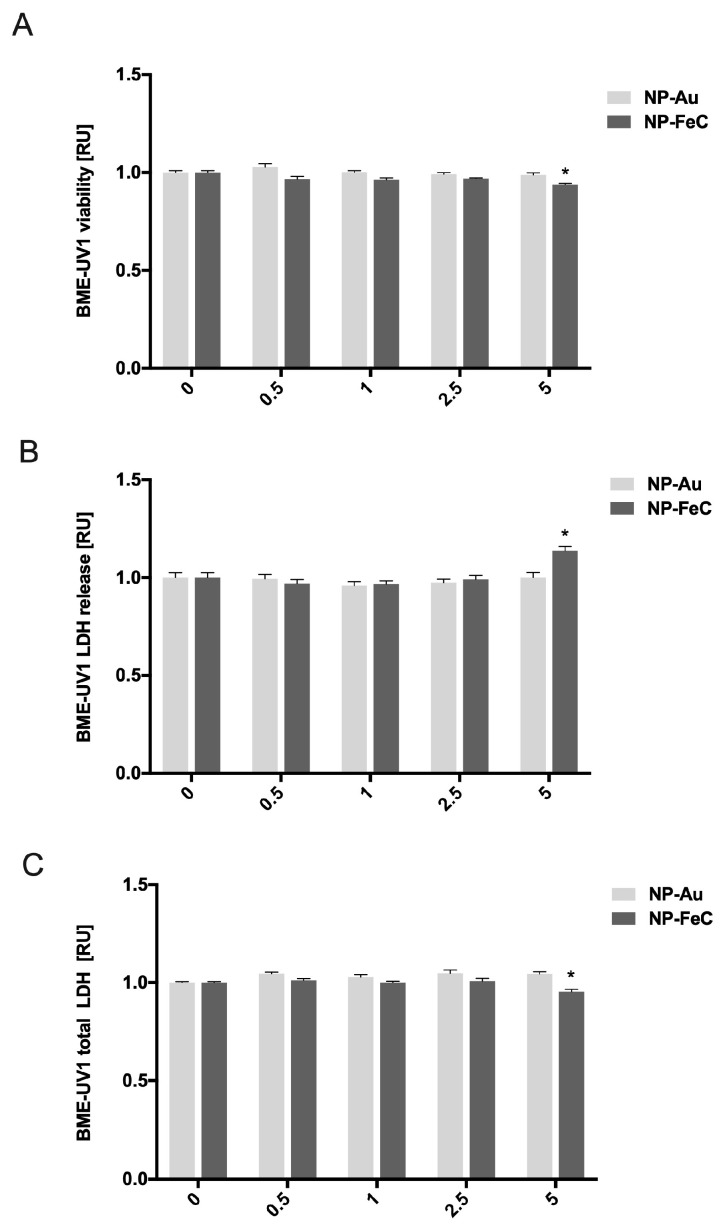
Mastitis prevention and treatment in dry cows are complex issues with limited solutions. The most common is intramammary antibiotic treatment. However, the effectiveness of this treatment varies among countries and even within herds in the same region. Therefore, it is necessary to develop new strategies for dry cow therapy. Metal nanoparticles (NPs), which have strong biocidal properties for treating diseases caused by bacteria, fungi, and algae, are increasingly used to reduce antibiotic use. In this study, AuNPs, CuNPs, AgNPs, PtNPs, NP-FeCs, and their triple complexes were used at different concentrations to evaluate their practical use in treating cows during their dry period. The nanoparticles were in hydrocolloid form and were added separately to form a mixture with beeswax, a mixture with oil, or a mixture based on vegetable glycerin and propylene glycol. The NPs' concentrations were 0.5, 1, 2, and 5 ppm. Gram-positive and Gram-negative bacteria, and fungi isolated from cows diagnosed with mastitis were used to determine pathogen viability. The results indicated that AuNPs, CuNPs, AgNPs, and their complexes show biocidal properties against mastitis pathogens. AgNPs at 5 ppm had the strongest biocidal properties and reduced 's survival rate by 50%; however, the nanoparticle complexes showed poor synergism. The strongest biocidal properties of NPs in wax and in glycerin mixed with glycol were shown against . Additionally, low nanoparticle concentrations showed no cytotoxicity for BME-UV1 bovine cells, suggesting that these mixtures might be used for further in vivo testing.
干奶牛乳腺炎的预防和治疗是复杂的问题,解决方案有限。最常见的是乳房内抗生素治疗。然而,这种治疗的有效性在不同国家甚至同一地区的牛群中都有所不同。因此,有必要开发新的干奶牛治疗策略。金属纳米颗粒(NPs)对治疗由细菌、真菌和藻类引起的疾病具有很强的杀菌特性,越来越多地被用于减少抗生素的使用。在本研究中,不同浓度的金纳米颗粒(AuNPs)、铜纳米颗粒(CuNPs)、银纳米颗粒(AgNPs)、铂纳米颗粒(PtNPs)、纳米铁铈(NP-FeCs)及其三元复合物被用于评估它们在干奶牛治疗中的实际应用。纳米颗粒呈水胶体形式,分别添加以与蜂蜡形成混合物、与油形成混合物或与植物甘油和丙二醇形成混合物。纳米颗粒的浓度分别为0.5、1、2和5 ppm。从被诊断患有乳腺炎的奶牛中分离出的革兰氏阳性菌、革兰氏阴性菌和真菌被用于测定病原体的活力。结果表明,AuNPs、CuNPs、AgNPs及其复合物对乳腺炎病原体具有杀菌特性。5 ppm的AgNPs具有最强的杀菌特性,使[病原体名称未提及]的存活率降低了50%;然而,纳米颗粒复合物的协同作用较差。纳米颗粒在蜡中以及在与二醇混合的甘油中对[病原体名称未提及]表现出最强的杀菌特性。此外,低浓度的纳米颗粒对BME-UV1牛细胞没有细胞毒性,这表明这些混合物可能用于进一步的体内试验。