Sharma Parul, Lakra Nita, Goyal Alisha, Ahlawat Yogesh K, Zaid Abbu, Siddique Kadambot H M
Department of Botany and Plant Physiology, Chaudhary Charan Singh Haryana Agricultural University, Hisar, Haryana, India.
Department of Molecular Biology, Biotechnology and Bioinformatics, Chaudhary Charan Singh (CCS) Haryana Agricultural University, Hisar, India.
Front Plant Sci. 2023 Aug 10;14:1216835. doi: 10.3389/fpls.2023.1216835. eCollection 2023.
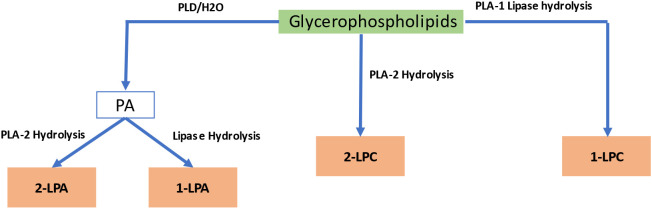
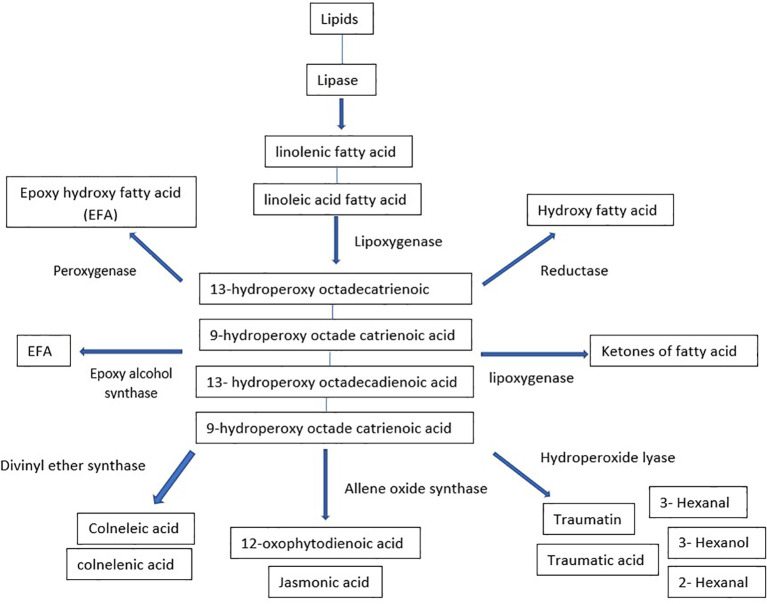
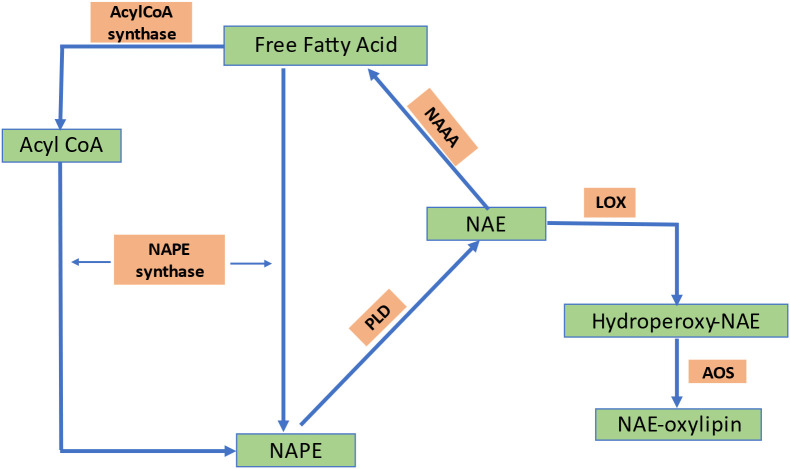
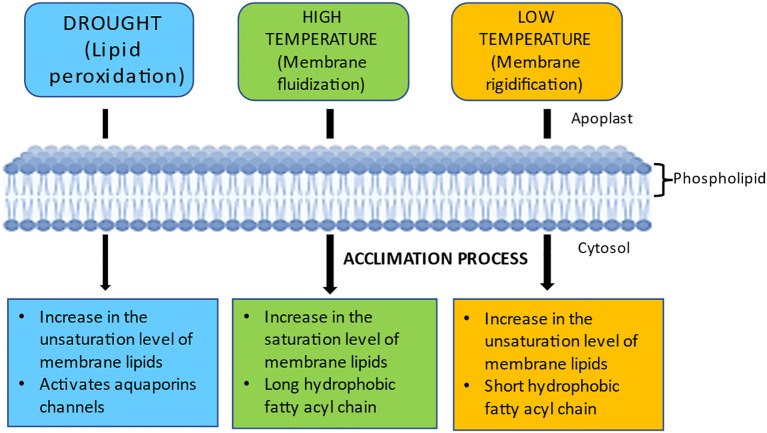
Lipids are a principal component of plasma membrane, acting as a protective barrier between the cell and its surroundings. Abiotic stresses such as drought and temperature induce various lipid-dependent signaling responses, and the membrane lipids respond differently to environmental challenges. Recent studies have revealed that lipids serve as signal mediators forreducing stress responses in plant cells and activating defense systems. Signaling lipids, such as phosphatidic acid, phosphoinositides, sphingolipids, lysophospholipids, oxylipins, and N-acylethanolamines, are generated in response to stress. Membrane lipids are essential for maintaining the lamellar stack of chloroplasts and stabilizing chloroplast membranes under stress. However, the effects of lipid signaling targets in plants are not fully understood. This review focuses on the synthesis of various signaling lipids and their roles in abiotic stress tolerance responses, providing an essential perspective for further investigation into the interactions between plant lipids and abiotic stress.
脂质是质膜的主要成分,在细胞与其周围环境之间起到保护屏障的作用。干旱和温度等非生物胁迫会引发各种依赖脂质的信号反应,膜脂对环境挑战的反应各不相同。最近的研究表明,脂质作为信号介质可减轻植物细胞中的应激反应并激活防御系统。信号脂质,如磷脂酸、磷酸肌醇、鞘脂、溶血磷脂、氧脂和N-酰基乙醇胺,是在应激反应中产生的。膜脂对于维持叶绿体的片层堆叠以及在胁迫下稳定叶绿体膜至关重要。然而,脂质信号靶点在植物中的作用尚未完全了解。本文综述聚焦于各种信号脂质的合成及其在非生物胁迫耐受性反应中的作用,为进一步研究植物脂质与非生物胁迫之间的相互作用提供了重要视角。