
脂质杂交细胞衍生的仿生功能材料:对抗肿瘤的前沿多功能武器。
Lipid-hybrid cell-derived biomimetic functional materials: A state-of-the-art multifunctional weapon against tumors.
作者信息
Liu Wen-Shang, Wu Li-Li, Chen Cui-Min, Zheng Hao, Gao Jie, Lu Zheng-Mao, Li Meng
机构信息
Department of Dermatology, Shanghai Ninth People's Hospital, Shanghai Jiaotong University, Shanghai, 200011, China.
Changhai Clinical Research Unit, Shanghai Changhai Hospital, Naval Medical University, Shanghai, 200433, China.
出版信息
Mater Today Bio. 2023 Aug 3;22:100751. doi: 10.1016/j.mtbio.2023.100751. eCollection 2023 Oct.
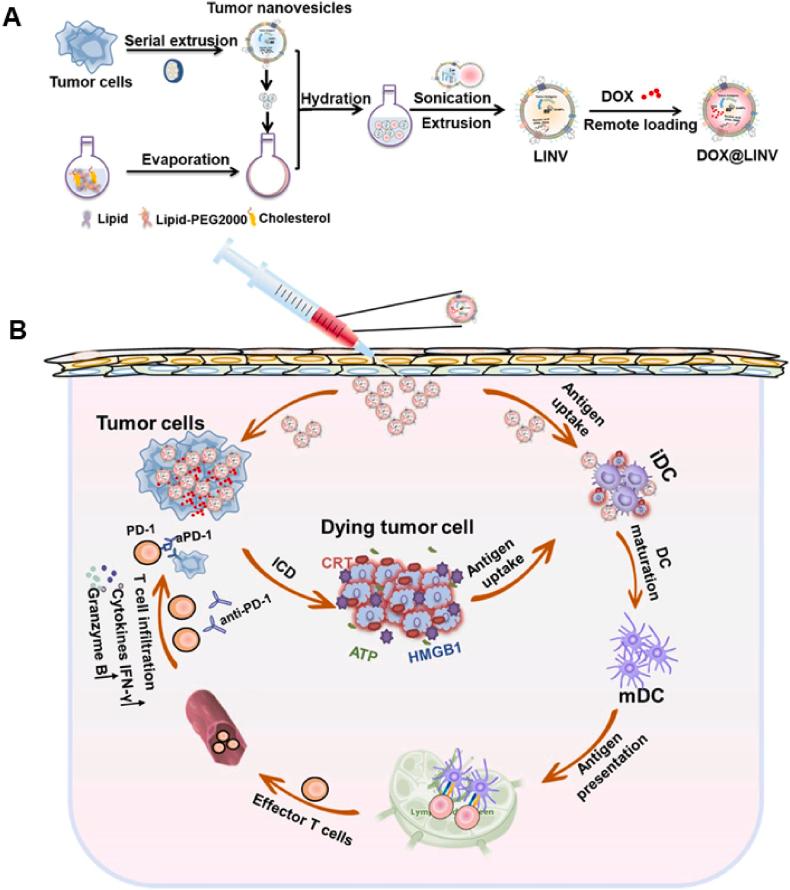
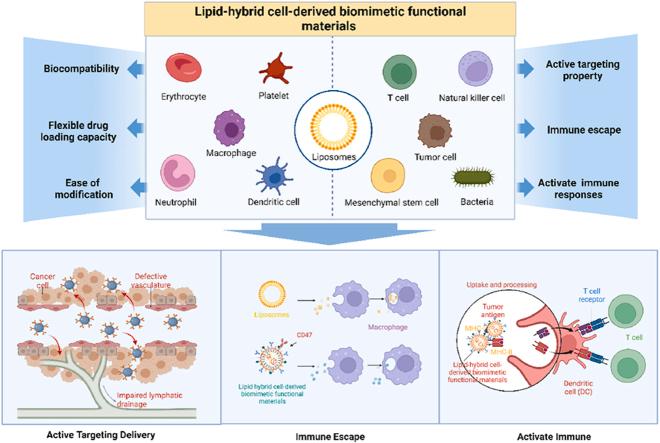
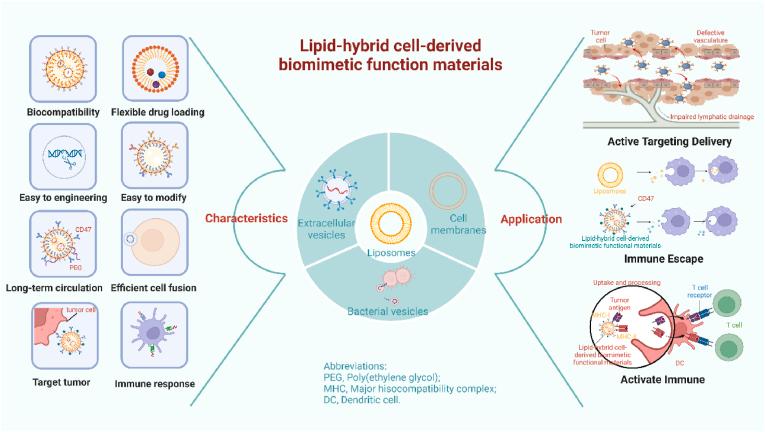
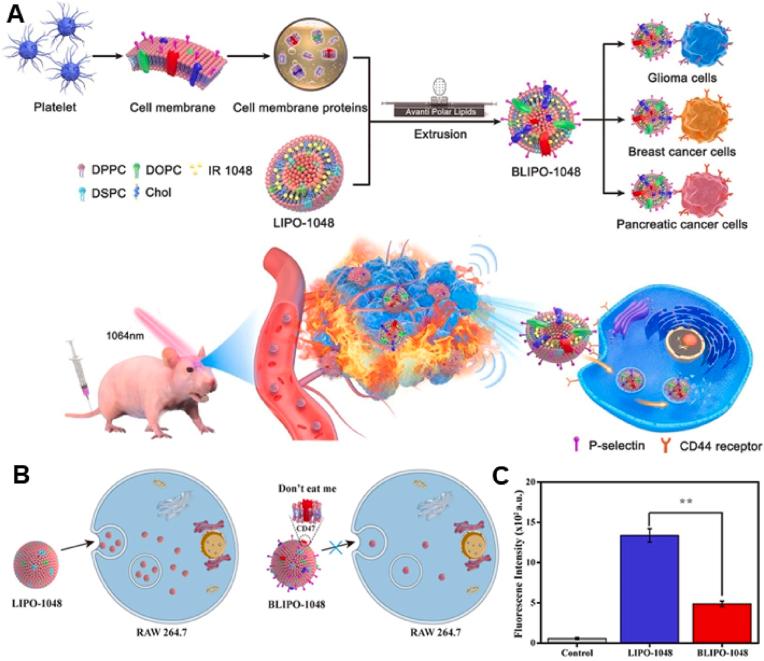
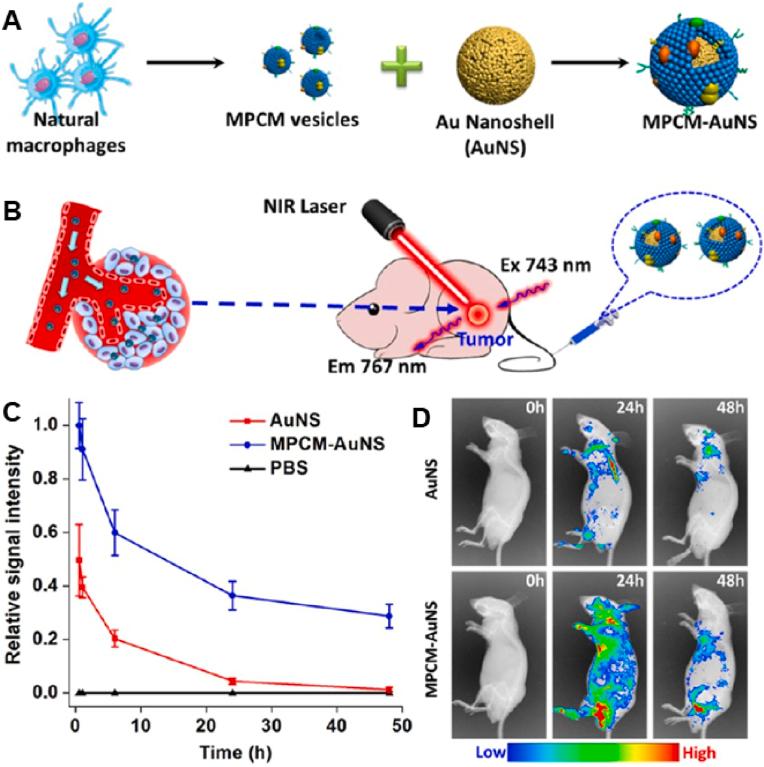
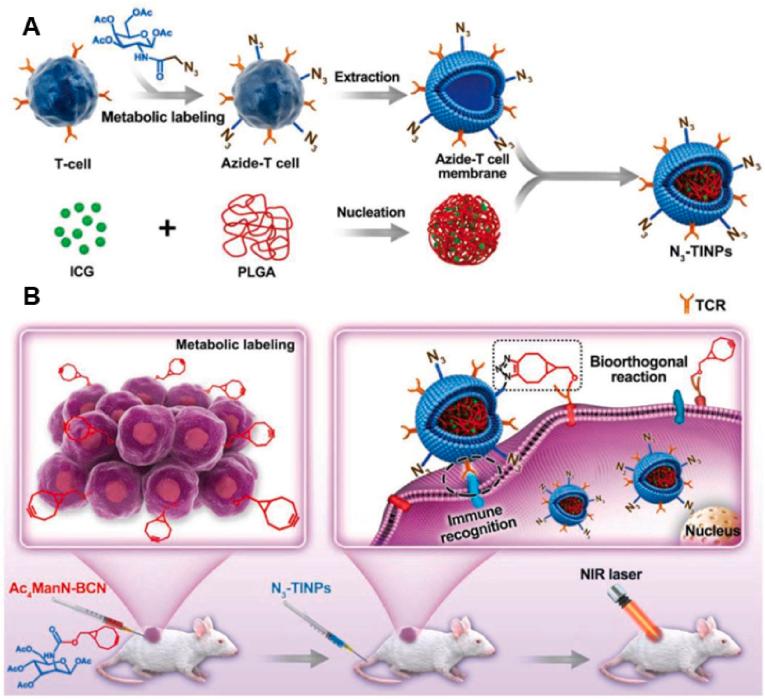
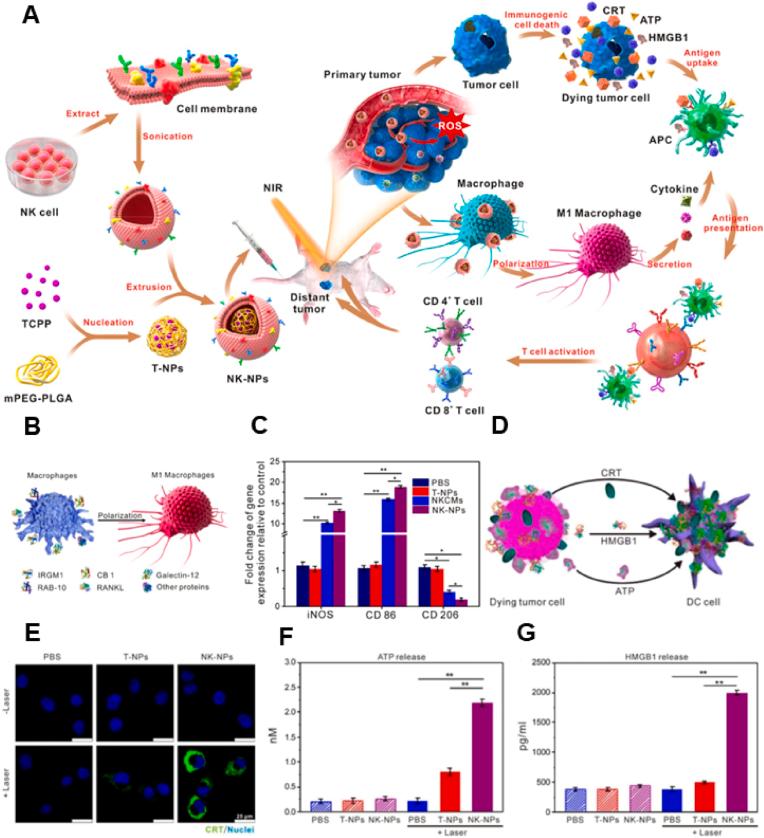
Tumors are among the leading causes of death worldwide. Cell-derived biomimetic functional materials have shown great promise in the treatment of tumors. These materials are derived from cell membranes, extracellular vesicles and bacterial outer membrane vesicles and may evade immune recognition, improve drug targeting and activate antitumor immunity. However, their use is limited owing to their low drug-loading capacity and complex preparation methods. Liposomes are artificial bionic membranes that have high drug-loading capacity and can be prepared and modified easily. Although they can overcome the disadvantages of cell-derived biomimetic functional materials, they lack natural active targeting ability. Lipids can be hybridized with cell membranes, extracellular vesicles or bacterial outer membrane vesicles to form lipid-hybrid cell-derived biomimetic functional materials. These materials negate the disadvantages of both liposomes and cell-derived components and represent a promising delivery platform in the treatment of tumors. This review focuses on the design strategies, applications and mechanisms of action of lipid-hybrid cell-derived biomimetic functional materials and summarizes the prospects of their further development and the challenges associated with it.
肿瘤是全球主要的死亡原因之一。细胞衍生的仿生功能材料在肿瘤治疗中显示出巨大的潜力。这些材料来源于细胞膜、细胞外囊泡和细菌外膜囊泡,可能逃避免疫识别,提高药物靶向性并激活抗肿瘤免疫。然而,由于其低载药能力和复杂的制备方法,它们的应用受到限制。脂质体是具有高载药能力且易于制备和修饰的人工仿生膜。虽然它们可以克服细胞衍生的仿生功能材料的缺点,但缺乏天然的主动靶向能力。脂质可以与细胞膜、细胞外囊泡或细菌外膜囊泡杂交,形成脂质杂交细胞衍生的仿生功能材料。这些材料消除了脂质体和细胞衍生成分的缺点,是肿瘤治疗中有前景的递送平台。本文综述了脂质杂交细胞衍生的仿生功能材料的设计策略、应用和作用机制,并总结了其进一步发展的前景和相关挑战。
 Zotero 插件