Coutinho Bruna M C, Anunciação Luis F C, Landeira-Fernandez Jesus, Krahe Thomas E
Department of Psychology, Pontifical Catholic University of Rio de Janeiro, Rua Marquês de São Vicente 225 Gávea, Rio de Janeiro, RJ CEP: 22451-900, Brazil.
Psicol Reflex Crit. 2023 Aug 29;36(1):22. doi: 10.1186/s41155-023-00264-0.
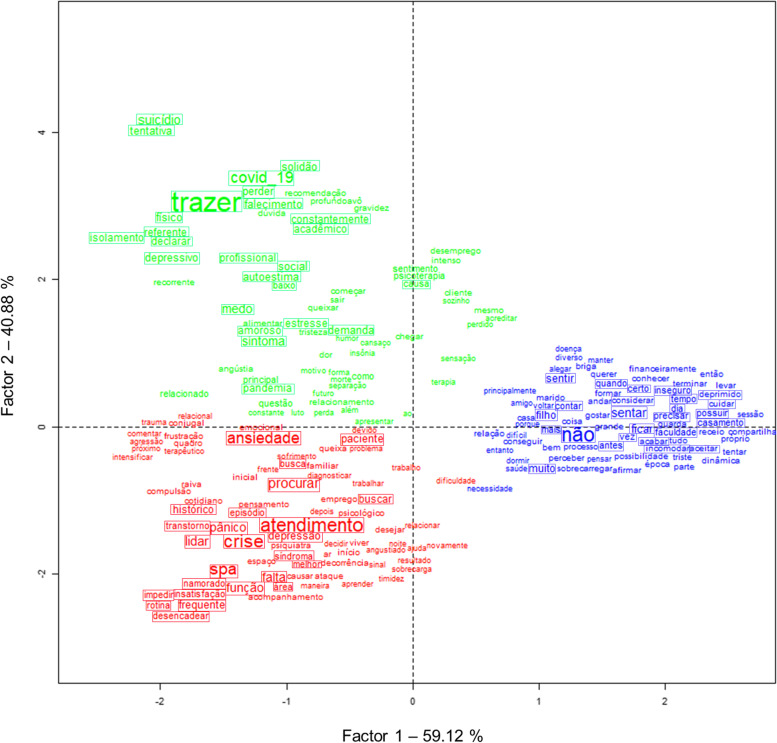
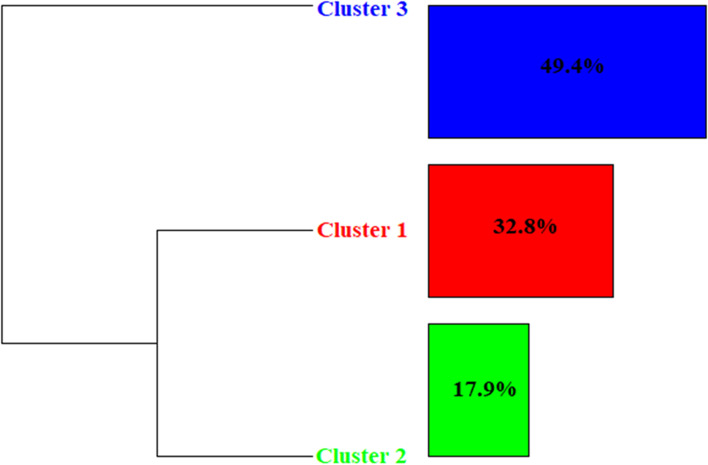
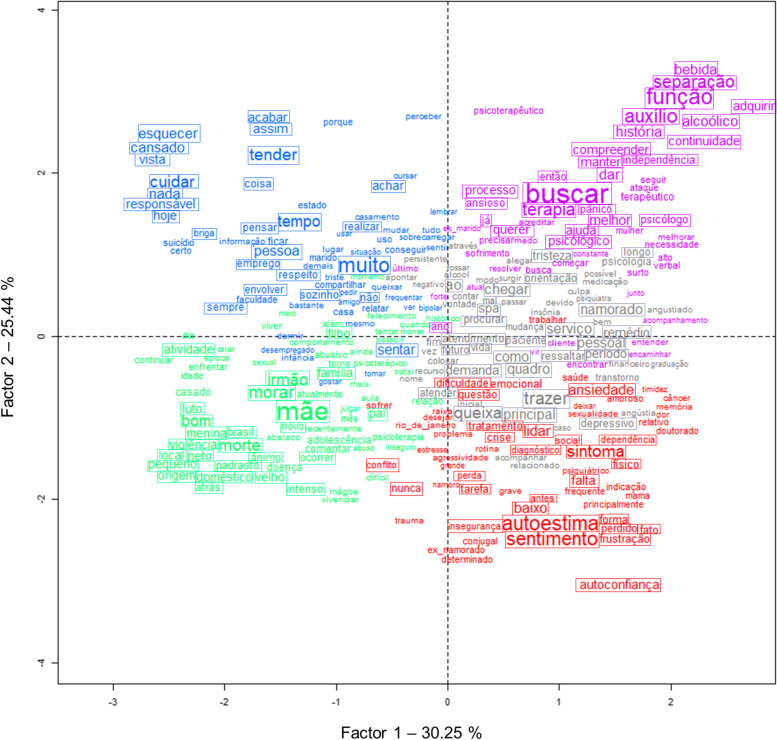
The COVID-19 pandemic has placed unprecedented burdens on individuals and communities around the world. The isolation, fear, and uncertainty caused by the virus has led to increased rates of anxiety, depression, and other mental health issues. The pandemic has also had a disproportionate impact on individuals and communities with low income and socioeconomic status.ObjectiveTo shed light on the consequences of the pandemic on individuals from minorities and low-income areas, we investigate the main reasons that led patients who were referred to a social clinic of a private university in Rio de Janeiro to seek psychological treatment before (2019) and during the pandemic (2020 and 2021).MethodsWe conducted a quanti-qualitative study with a lexical analysis that evaluated 549 complaint forms of patients seeking treatment in these two distinct periods. Our analyses included descending hierarchical analysis (DHA) and correspondence factor analysis (CFA).ResultsFamily dynamics and communication factors play a dominant role in the reason for seeking therapy and psychological treatment. Additionally, our study suggested an increase in anxiety and panic attacks among other mental health issues associated with grief and losses during the pandemic years.ConclusionBased on these analyses, we can begin to identify a few changes in the main demand and redirection of complaints of patients during the period of COVID-19.
新冠疫情给全球个人和社区带来了前所未有的负担。病毒造成的隔离、恐惧和不确定性导致焦虑、抑郁及其他心理健康问题的发生率上升。疫情对低收入和社会经济地位较低的个人及社区也产生了不成比例的影响。目的为了阐明疫情对少数族裔和低收入地区个人的影响,我们调查了导致里约热内卢一所私立大学社会诊所的患者在疫情之前(2019年)以及疫情期间(2020年和2021年)寻求心理治疗的主要原因。方法我们进行了一项定量定性研究,并采用词汇分析,评估了这两个不同时期549份患者的就诊申请表。我们的分析包括降序层次分析(DHA)和对应因子分析(CFA)。结果家庭动态和沟通因素在寻求治疗和心理治疗的原因中起主导作用。此外,我们的研究表明,在疫情期间,与悲伤和损失相关的其他心理健康问题中,焦虑和恐慌症发作有所增加。结论基于这些分析,我们可以开始确定在新冠疫情期间患者主要诉求和投诉方向的一些变化。