Hollingworth Samantha A, Leaupepe Glory-Anne, Nonvignon Justice, Fenny Ama Pokuaa, Odame Emmanuel A, Ruiz Francis
School of Pharmacy, University of Queensland, Brisbane, Australia.
School of Public Health, University of Ghana, Accra, Ghana.
Cost Eff Resour Alloc. 2023 Aug 28;21(1):57. doi: 10.1186/s12962-023-00471-7.
Policymakers in sub-Saharan Africa (SSA) face challenging decisions regarding the allocation of health resources. Economic evaluations can help decision makers to determine which health interventions should be funded and or included in their benefits package. A major problem is whether the evaluations incorporated data from sources that are reliable and relevant to the country of interest. We aimed to review the quality of the data sources used in all published economic evaluations for cardiovascular disease and diabetes in SSA.
We systematically searched selected databases for all published economic evaluations for CVD and diabetes in SSA. We modified a hierarchy of data sources and used a reference case to measure the adherence to reporting and methodological characteristics, and descriptively analysed author statements.
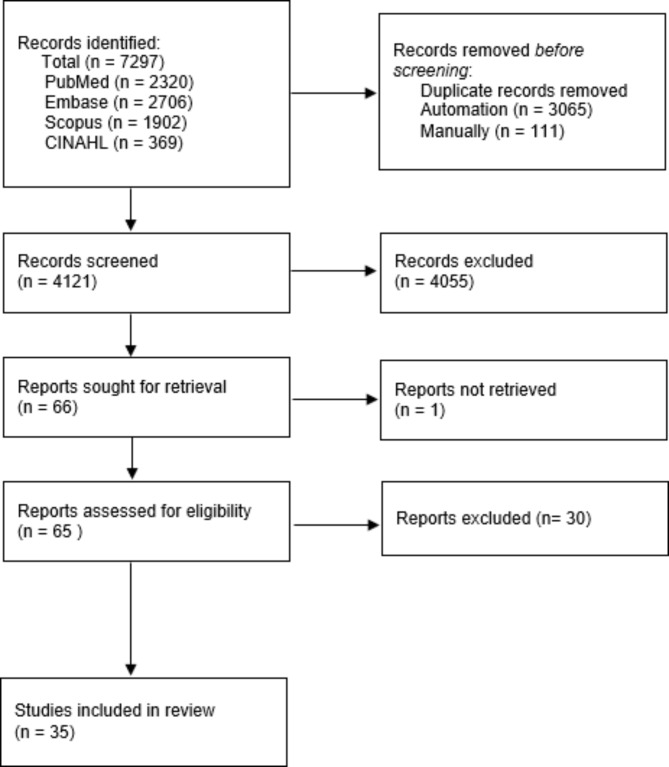
From 7,297 articles retrieved from the search, we selected 35 for study inclusion. Most were modelled evaluations and almost all focused on pharmacological interventions. The studies adhered to the reporting standards but were less adherent to the methodological standards. The quality of data sources varied. The quality level of evidence in the data domains of resource use and costs were generally considered of high quality, with studies often sourcing information from reliable databases within the same jurisdiction. The authors of most studies referred to data sources in the discussion section of the publications highlighting the challenges of obtaining good quality and locally relevant data.
The data sources in some domains are considered high quality but there remains a need to make substantial improvements in the methodological adherence and overall quality of data sources to provide evidence that is sufficiently robust to support decision making in SSA within the context of UHC and health benefits plans. Many SSA governments will need to strengthen and build their capacity to conduct economic evaluations of interventions and health technology assessment for improved priority setting. This capacity building includes enhancing local infrastructures for routine data production and management. If many of the policy makers are using economic evaluations to guide resource allocation, it is imperative that the evidence used is of the feasibly highest quality.
撒哈拉以南非洲(SSA)的政策制定者在卫生资源分配方面面临具有挑战性的决策。经济评估有助于决策者确定应资助哪些卫生干预措施和/或将其纳入福利套餐。一个主要问题是评估是否纳入了来自可靠且与目标国家相关来源的数据。我们旨在审查SSA所有已发表的心血管疾病和糖尿病经济评估中所使用数据源的质量。
我们系统地在选定数据库中搜索SSA所有已发表的心血管疾病和糖尿病经济评估。我们修改了数据源层次结构,并使用参考案例来衡量对报告和方法学特征的遵循情况,并对作者陈述进行描述性分析。
从搜索中检索到的7297篇文章中,我们选择了35篇纳入研究。大多数是模型评估,几乎所有评估都集中在药物干预上。这些研究遵循报告标准,但对方法学标准的遵循程度较低。数据源的质量各不相同。资源使用和成本数据领域的证据质量水平通常被认为较高,研究通常从同一司法管辖区内可靠的数据库获取信息。大多数研究的作者在出版物的讨论部分提到了数据源,强调了获取高质量和本地相关数据的挑战。
某些领域的数据源被认为质量较高,但仍需要在方法学遵循情况和数据源的整体质量方面做出重大改进,以提供足够有力的证据,支持在全民健康覆盖(UHC)和健康福利计划背景下的SSA决策制定。许多SSA国家政府需要加强并建设其对干预措施进行经济评估和卫生技术评估的能力,以改进优先级设定。这种能力建设包括加强本地常规数据生产和管理的基础设施。如果许多政策制定者使用经济评估来指导资源分配,那么所使用的证据必须具有可行的最高质量。