Department of Cardiology, Faculty of Medicine and University Hospital Cologne, University of Cologne, Kerpener Str. 62, 50937, Cologne, Germany.
Center for Molecular Medicine Cologne (CMMC), University of Cologne, Cologne, Germany.
Basic Res Cardiol. 2023 Sep 1;118(1):36. doi: 10.1007/s00395-023-01006-0.
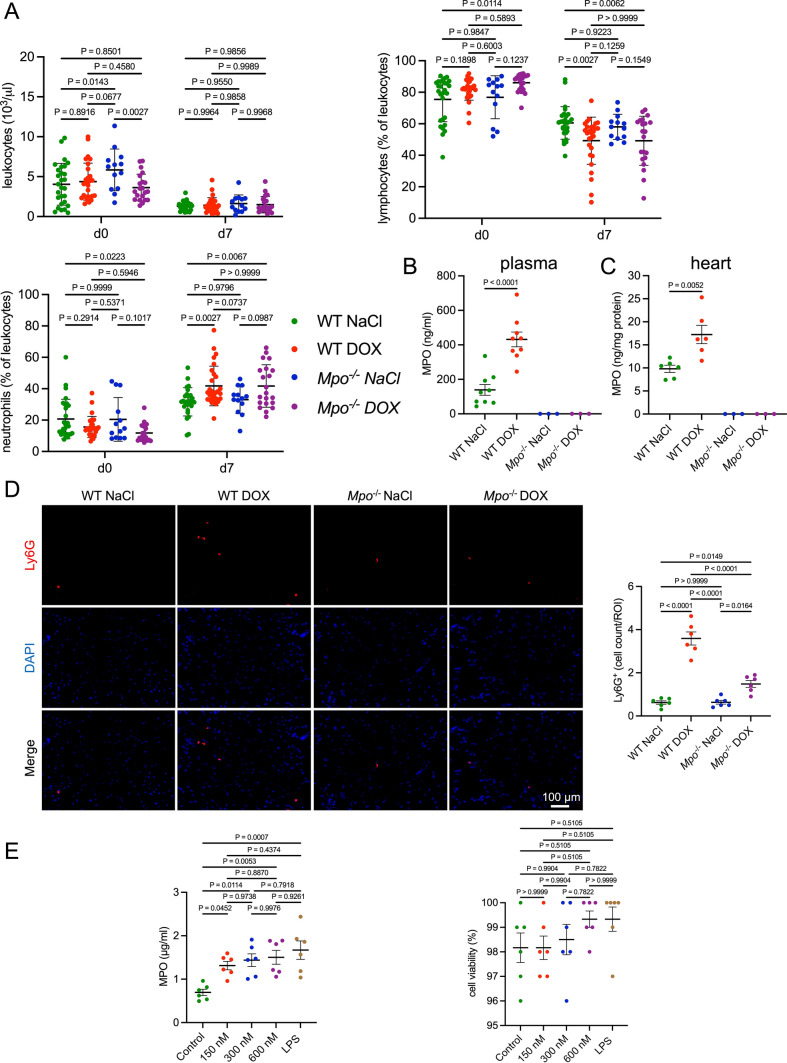
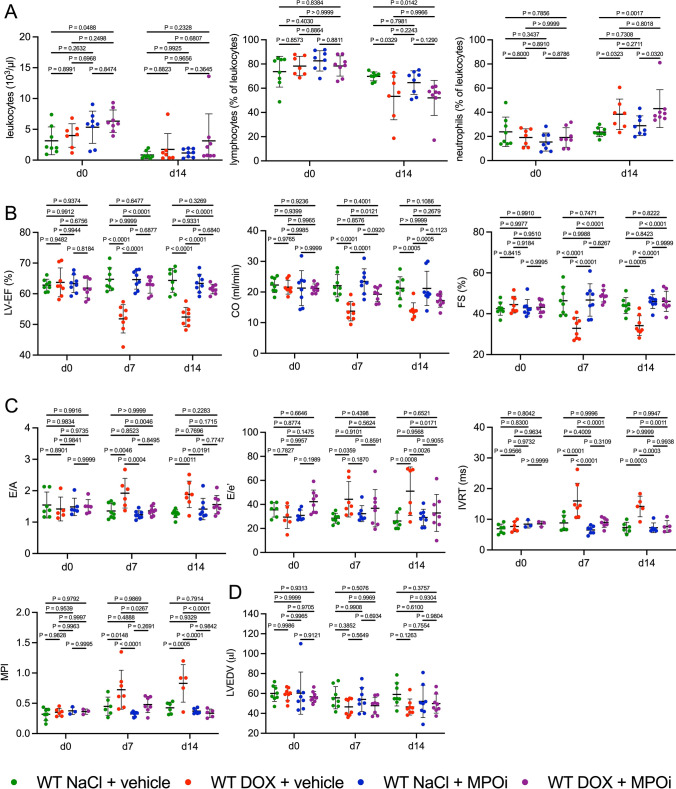
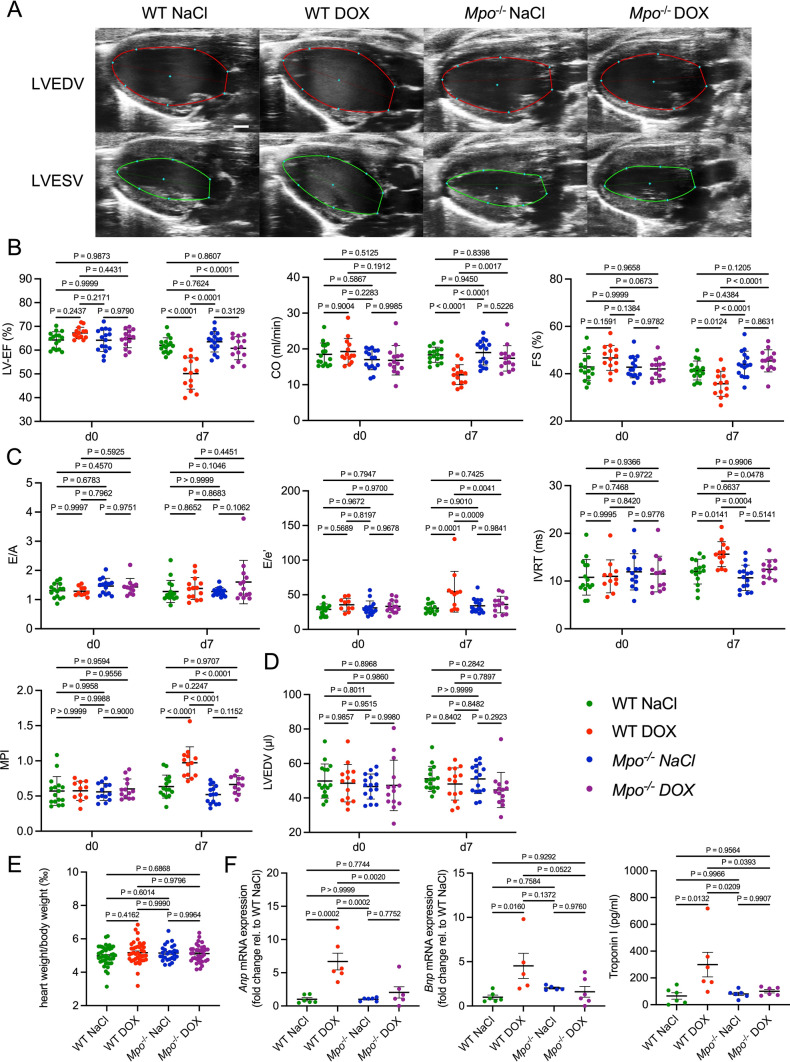
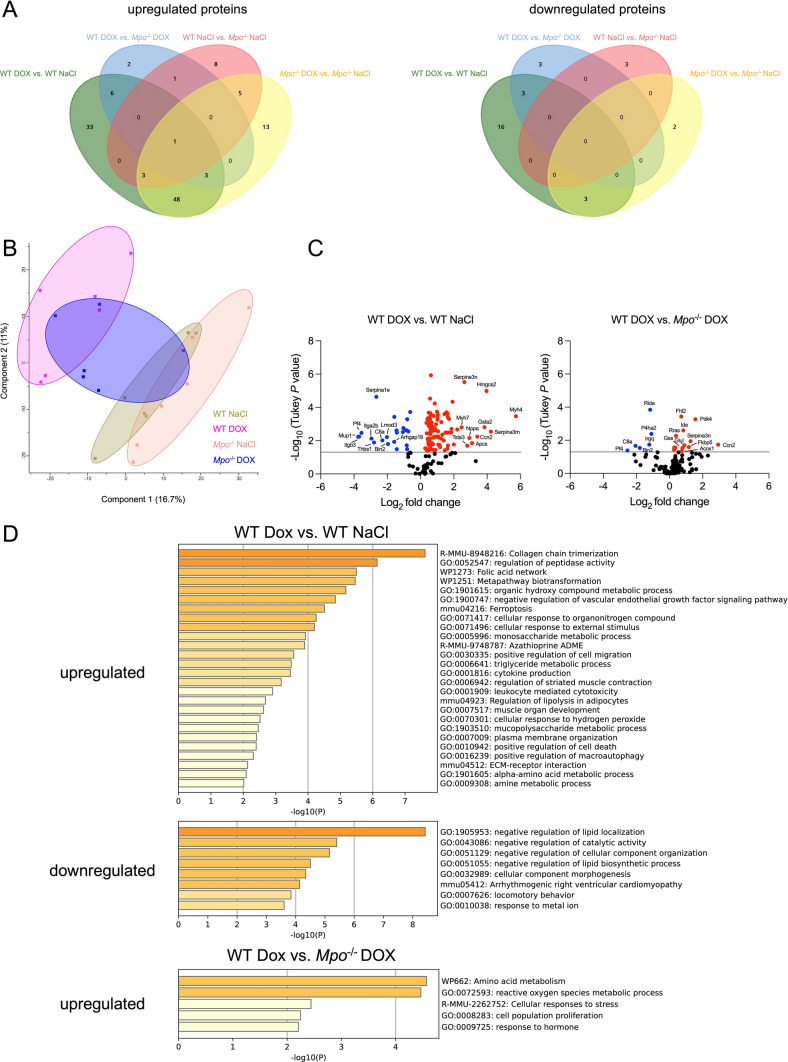
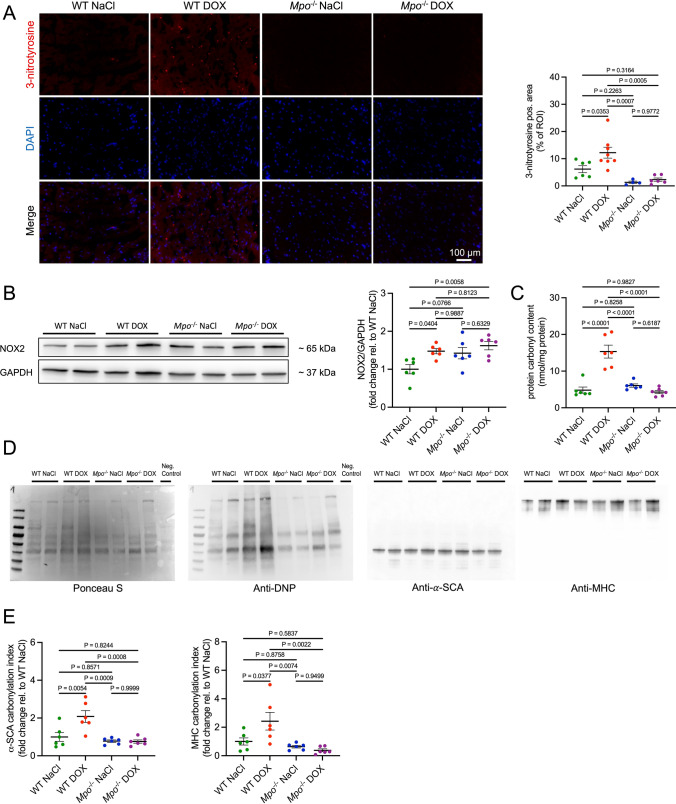
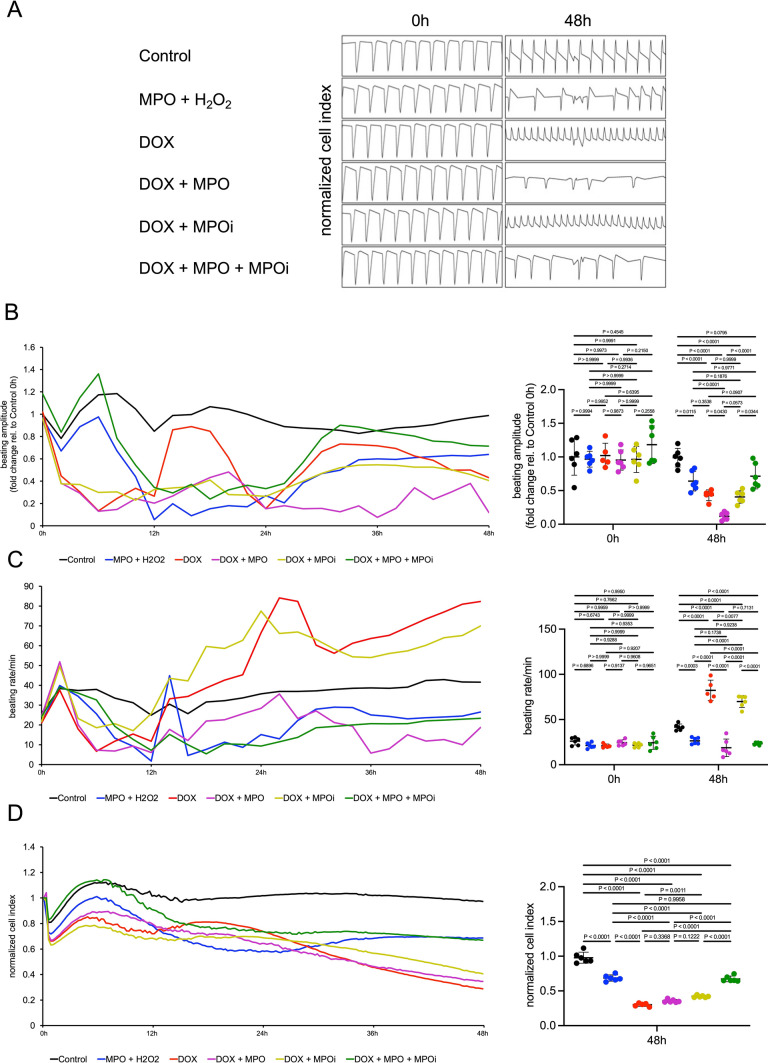
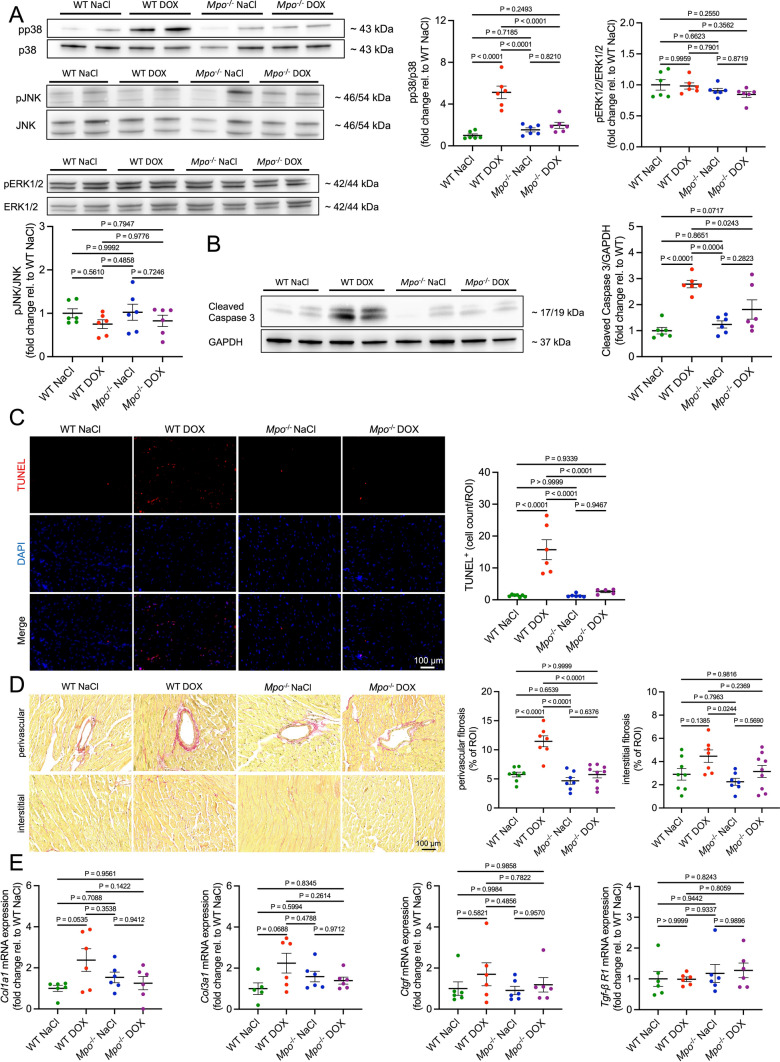
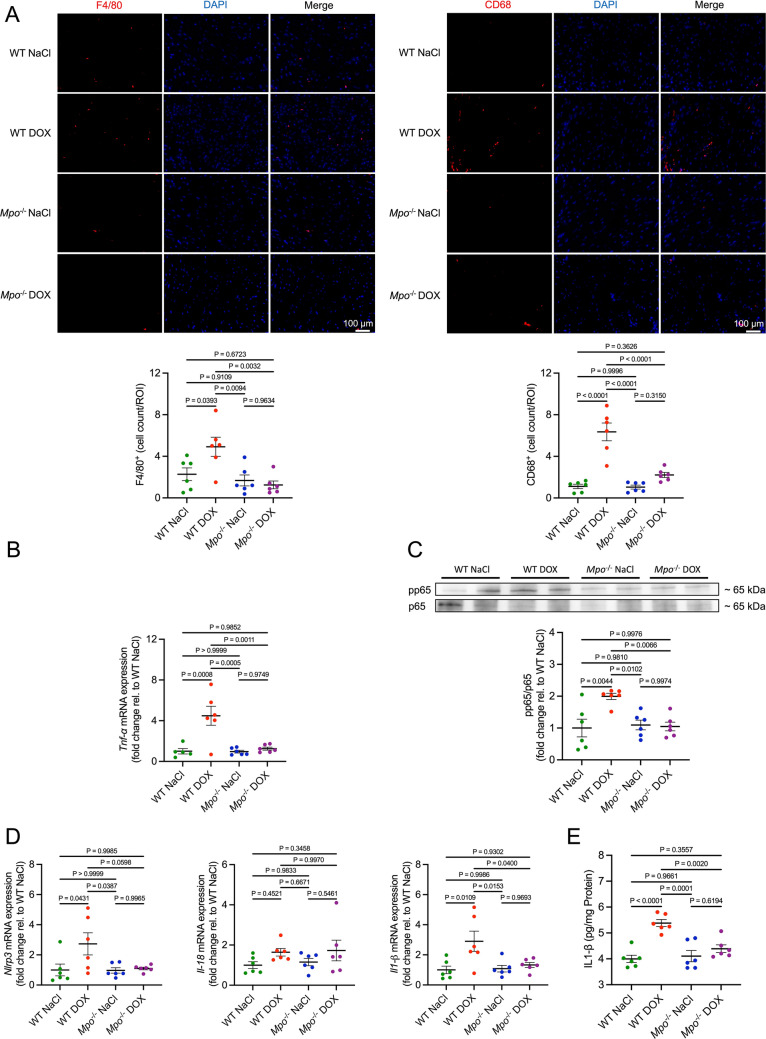
Cardiotoxicity is a major complication of anthracycline therapy that negatively impacts prognosis. Effective pharmacotherapies for prevention of anthracycline-induced cardiomyopathy (AICM) are currently lacking. Increased plasma levels of the neutrophil-derived enzyme myeloperoxidase (MPO) predict occurrence of AICM in humans. We hypothesized that MPO release causally contributes to AICM. Mice intravenously injected with the anthracycline doxorubicin (DOX) exhibited higher neutrophil counts and MPO levels in the circulation and cardiac tissue compared to saline (NaCl)-treated controls. Neutrophil-like HL-60 cells exhibited increased MPO release upon exposition to DOX. DOX induced extensive nitrosative stress in cardiac tissue alongside with increased carbonylation of sarcomeric proteins in wildtype but not in Mpo mice. Accordingly, co-treatment of human induced pluripotent stem cell-derived cardiomyocytes (hiPSC-CMs) with DOX and MPO aggravated loss of hiPSC-CM-contractility compared to DOX treatment alone. DOX-treated animals exhibited pronounced cardiac apoptosis and inflammation, which was attenuated in MPO-deficient animals. Finally, genetic MPO deficiency and pharmacological MPO inhibition protected mice from the development of AICM. The anticancer efficacy of DOX was unaffected by MPO deficiency. Herein we identify MPO as a critical mediator of AICM. We demonstrate that DOX induces cardiac neutrophil infiltration and release of MPO, which directly impairs cardiac contractility through promoting oxidation of sarcomeric proteins, cardiac inflammation and cardiomyocyte apoptosis. MPO thus emerges as a promising pharmacological target for prevention of AICM.
心脏毒性是蒽环类药物治疗的主要并发症,对预后有负面影响。目前缺乏预防蒽环类药物诱导性心肌病(AICM)的有效药物治疗方法。中性粒细胞衍生酶髓过氧化物酶(MPO)的血浆水平升高可预测人类 AICM 的发生。我们假设 MPO 的释放是导致 AICM 的原因。与生理盐水(NaCl)处理的对照组相比,静脉注射蒽环类药物阿霉素(DOX)的小鼠循环和心脏组织中的中性粒细胞计数和 MPO 水平更高。中性粒细胞样 HL-60 细胞在暴露于 DOX 时表现出更高的 MPO 释放。DOX 在心脏组织中诱导广泛的硝化应激,同时增加肌球蛋白蛋白的羰基化,而在 Mpo 小鼠中则没有。因此,与 DOX 单独处理相比,DOX 和 MPO 共同处理人诱导多能干细胞衍生的心肌细胞(hiPSC-CMs)会加剧 hiPSC-CM 收缩力的丧失。与 MPO 缺陷型动物相比,DOX 处理的动物表现出明显的心脏细胞凋亡和炎症,而 MPO 缺陷型动物的这些反应则减弱。最后,MPO 的遗传缺失和药理学抑制保护了小鼠免受 AICM 的发展。DOX 的抗癌疗效不受 MPO 缺乏的影响。在此,我们确定 MPO 是 AICM 的关键介质。我们证明 DOX 诱导心脏中性粒细胞浸润和 MPO 释放,通过促进肌球蛋白蛋白的氧化、心脏炎症和心肌细胞凋亡,直接损害心脏收缩力。因此,MPO 作为预防 AICM 的有前途的药物靶点出现。