Gour Neha, Hassan Taimur, Owais Muhammad, Ganapathi Iyyakutti Iyappan, Khanna Pritee, Seghier Mohamed L, Werghi Naoufel
Khalifa University Center for Autonomous Robotic System and Cyber-Physical Security System Center, Department of Electrical Engineering and Computer Science, Khalifa University, Abu Dhabi, United Arab Emirates.
Departement of Electrical and Computer Engineering, Abu Dhabi University, Abu Dhabi, United Arab Emirates.
Brain Inform. 2023 Sep 9;10(1):25. doi: 10.1186/s40708-023-00201-y.
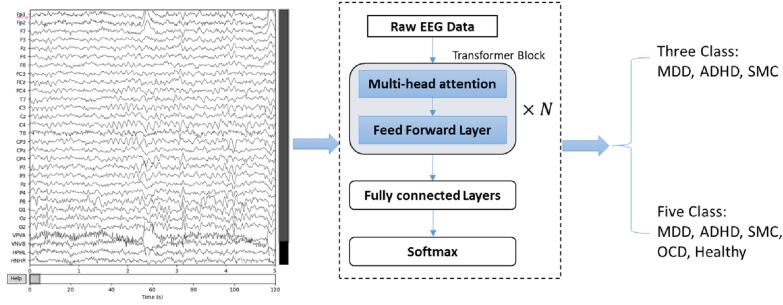
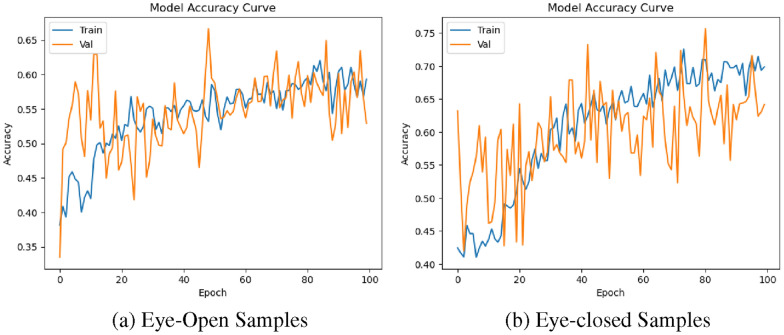
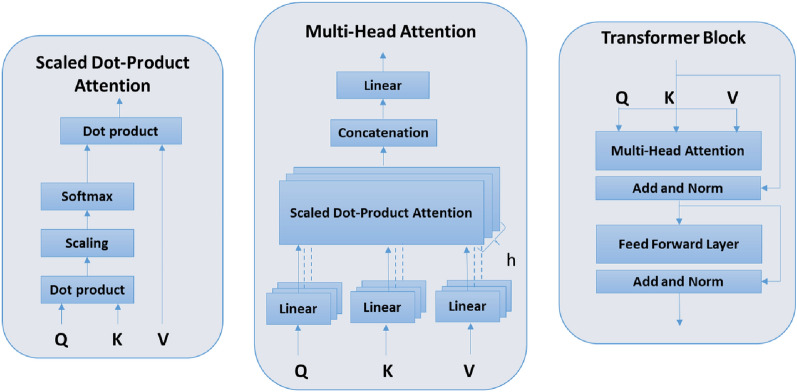
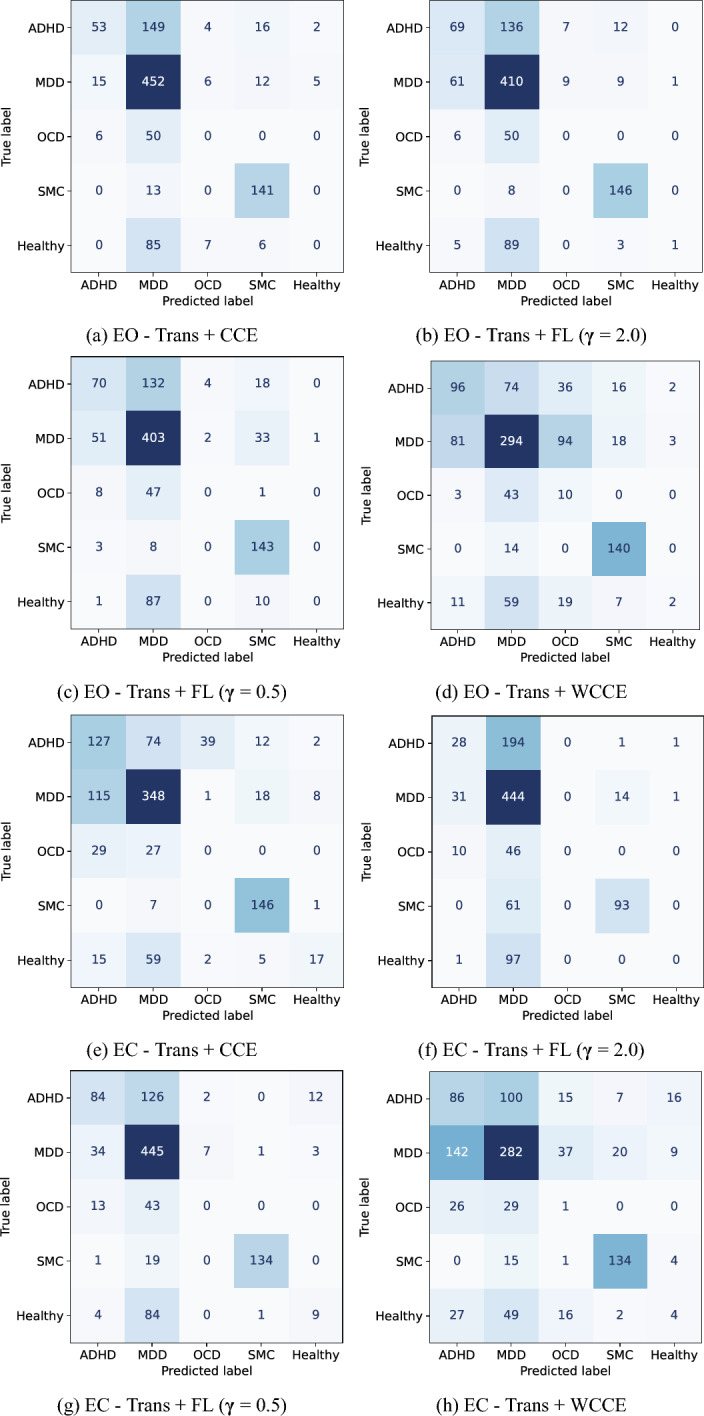
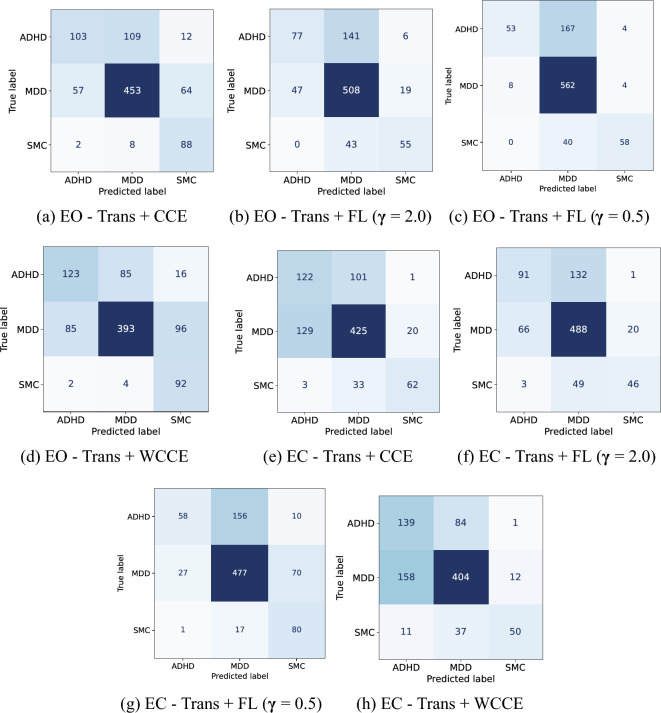
Early identification of mental disorders, based on subjective interviews, is extremely challenging in the clinical setting. There is a growing interest in developing automated screening tools for potential mental health problems based on biological markers. Here, we demonstrate the feasibility of an AI-powered diagnosis of different mental disorders using EEG data. Specifically, this work aims to classify different mental disorders in the following ecological context accurately: (1) using raw EEG data, (2) collected during rest, (3) during both eye open, and eye closed conditions, (4) at short 2-min duration, (5) on participants with different psychiatric conditions, (6) with some overlapping symptoms, and (7) with strongly imbalanced classes. To tackle this challenge, we designed and optimized a transformer-based architecture, where class imbalance is addressed through focal loss and class weight balancing. Using the recently released TDBRAIN dataset (n= 1274 participants), our method classifies each participant as either a neurotypical or suffering from major depressive disorder (MDD), attention deficit hyperactivity disorder (ADHD), subjective memory complaints (SMC), or obsessive-compulsive disorder (OCD). We evaluate the performance of the proposed architecture on both the window-level and the patient-level. The classification of the 2-min raw EEG data into five classes achieved a window-level accuracy of 63.2% and 65.8% for open and closed eye conditions, respectively. When the classification is limited to three main classes (MDD, ADHD, SMC), window level accuracy improved to 75.1% and 69.9% for eye open and eye closed conditions, respectively. Our work paves the way for developing novel AI-based methods for accurately diagnosing mental disorders using raw resting-state EEG data.
在临床环境中,基于主观访谈对精神障碍进行早期识别极具挑战性。人们越来越有兴趣开发基于生物标志物的潜在心理健康问题自动筛查工具。在此,我们展示了使用脑电图(EEG)数据通过人工智能进行不同精神障碍诊断的可行性。具体而言,这项工作旨在在以下生态背景下准确分类不同的精神障碍:(1)使用原始EEG数据,(2)在休息期间收集,(3)在睁眼和闭眼两种条件下,(4)在短2分钟时长内,(5)针对患有不同精神疾病的参与者,(6)存在一些重叠症状,以及(7)类别严重不平衡。为应对这一挑战,我们设计并优化了一种基于Transformer的架构,通过焦点损失和类别权重平衡来解决类别不平衡问题。使用最近发布的TDBRAIN数据集(n = 1274名参与者),我们的方法将每个参与者分类为神经典型或患有重度抑郁症(MDD)、注意力缺陷多动障碍(ADHD)、主观记忆主诉(SMC)或强迫症(OCD)。我们在窗口级别和患者级别评估了所提出架构的性能。将2分钟的原始EEG数据分类为五类,在睁眼和闭眼条件下,窗口级准确率分别达到了63.2%和65.8%。当分类限于三个主要类别(MDD、ADHD、SMC)时,在睁眼和闭眼条件下,窗口级准确率分别提高到了75.1%和69.9%。我们的工作为开发基于人工智能的新方法以使用原始静息态EEG数据准确诊断精神障碍铺平了道路。