Satasia Mansi, Sutaria Amita H
Dermatology, Venereology and Leprology, B.J. Medical College and Civil Hospital, Ahmedabad, IND.
Cureus. 2023 Sep 11;15(9):e45007. doi: 10.7759/cureus.45007. eCollection 2023 Sep.
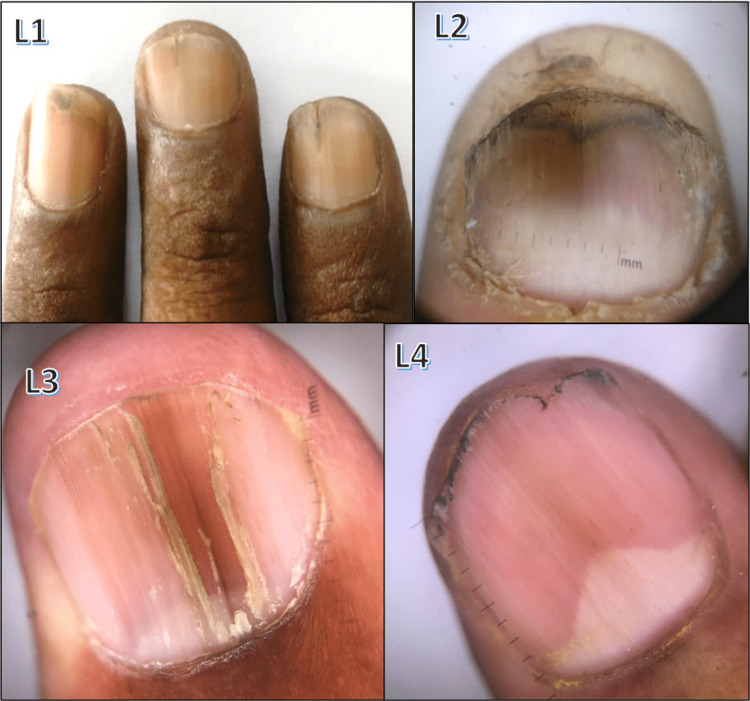
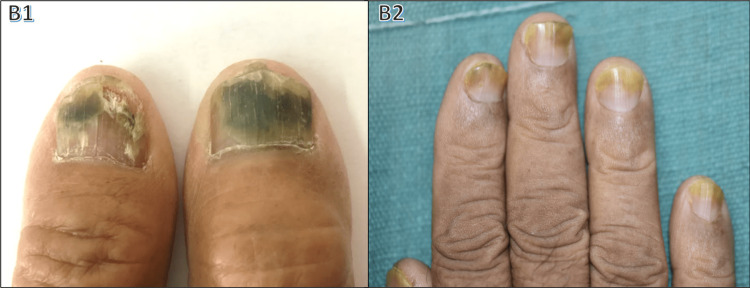
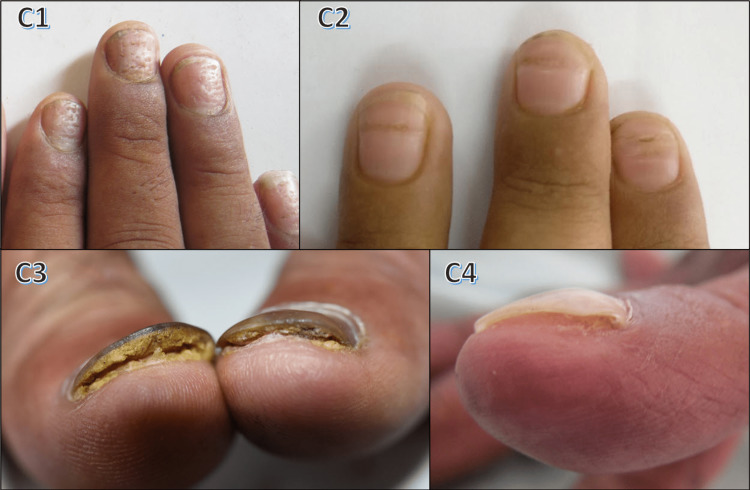
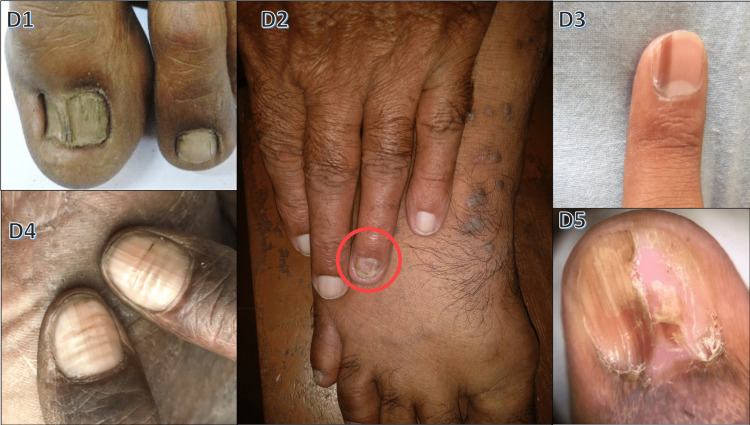
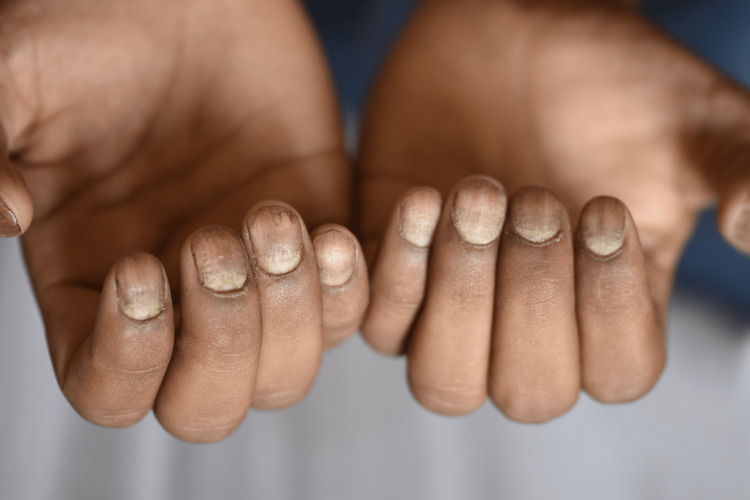
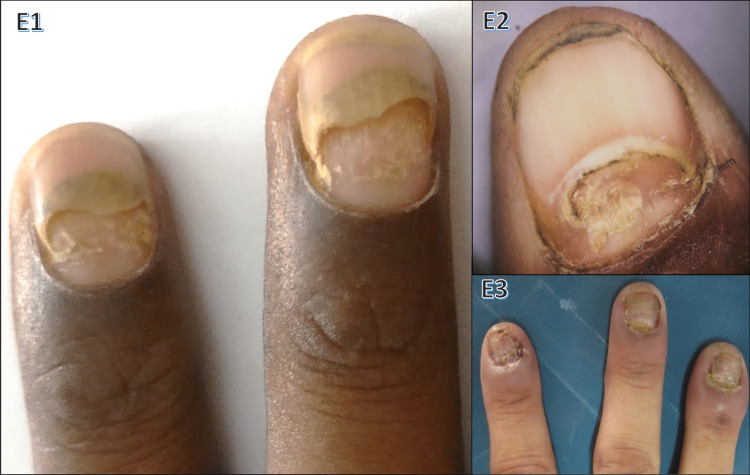
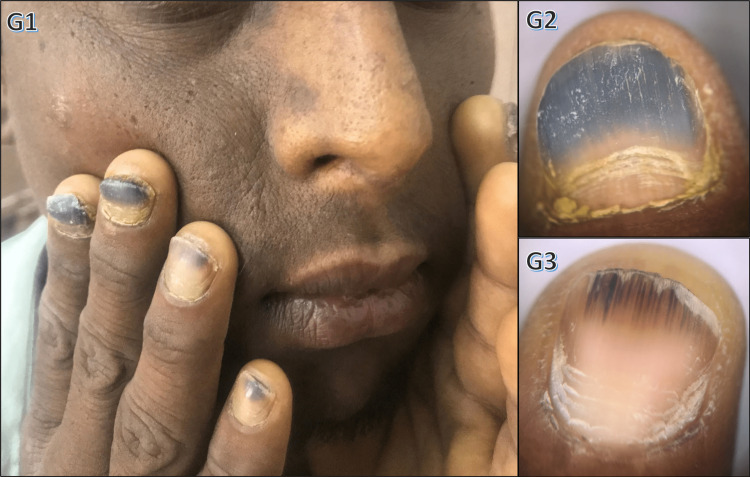
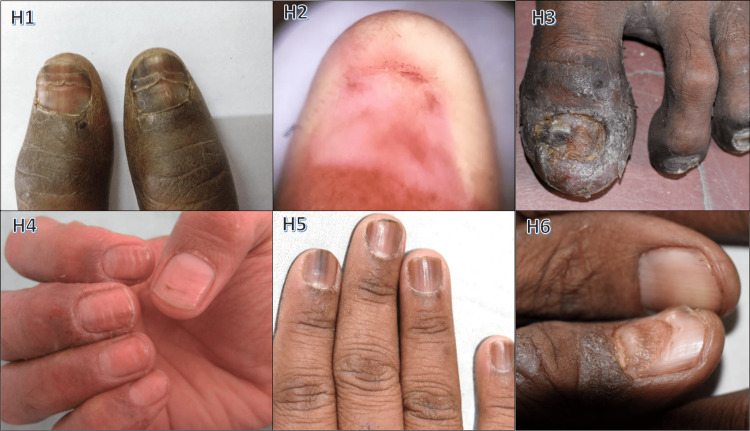
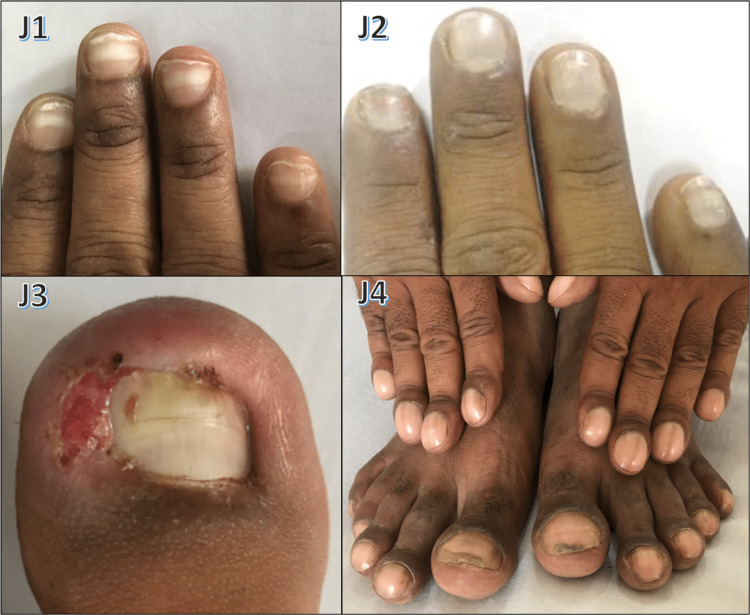
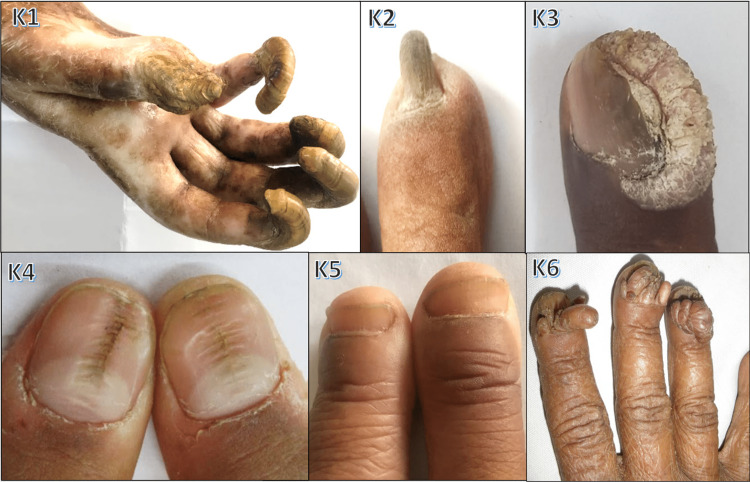
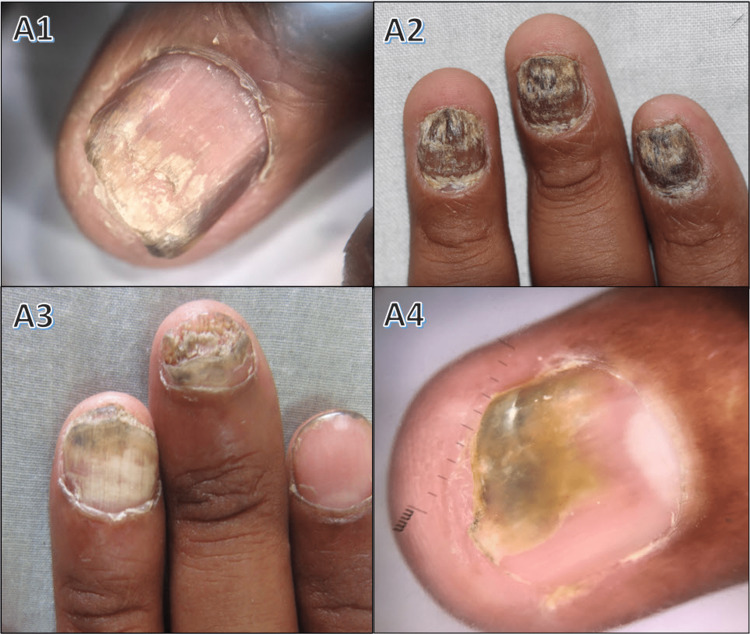
Background and objective Nail disorders encompass a wide spectrum of conditions, spanning congenital, developmental, infectious, neoplastic, degenerative, dermatological, and systemic diseases. A comprehensive exploration of their clinical manifestations, incidence, and associations is crucial for precise diagnosis and effective management. Methods This observational cross-sectional study conducted at B.J. Medical College and Civil Hospital, Ahmedabad involved 300 consecutive patients with nail changes from July 2017 to June 2019 reporting diverse dermatological and systemic conditions. The inclusion criteria involved patients of both genders and all age groups displaying nail changes associated with dermatological and systemic diseases. Data collection entailed a comprehensive clinical history, systemic and dermatological examinations, nail assessment using Dermoscope (DermLite 3, 10x), and supplementary tests. Analyses were performed on Microsoft Excel 2007 software. The study was approved by the Institute Ethics Committee. Results Among the 300 cases, females had a higher prevalence of nail involvement (57%), with a female-to-male ratio of 1.3:1. The most affected age group was 21-40 years, with 6-10 nails typically affected. Notably, housewives showed a higher prevalence. The most frequent nail condition was onychomycosis (24.33%) followed by psoriatic nail changes (20%). Less frequent nail changes involved eczema (5.7%), paronychia (5%), drug-induced (4.3%), lichen planus (3.7%), trauma-induced (3%), twenty nail dystrophy (2.33%), Darier's disease (2%), pemphigus vulgaris (2%), alopecia areata (1.67%), median Heller dystrophy (1.33%), atopic dermatitis (1%), epidermolysis bullosa (1%), racquet nail (1%), leprosy (1%), pityriasis rubra pilaris (0.67%), vitiligo (0.67%), secondary syphilis (0.67%), pachyonychia congenita (0.67%), as well as a case each of total leukonychia, subungual warts, Koenen tumor, and periungual fibroma(0.33%). Systemic autoimmune connective tissue disorders (CTD) accounted for 9%; the most common nail finding observed was nail fold erythema (48.1%) followed by nail fold telangiectasis (44.4%). In systemic sclerosis (SS), the most common finding was nail fold telangiectasia, and in systemic lupus erythematosus (SLE), the most common was nail fold erythema. Scleroderma capillary pattern on nail fold capillaroscopy was found in seven patients with SS, two patients with dermatomyositis, and only one patient with SLE. Nail changes observed in systemic diseases include onychomycosis in diabetes mellitus and chronic renal failure patients, splinter hemorrhages in ischemic heart disease and hypertension, longitudinal melanonychia in HIV, and koilonychia and platynychia in iron deficiency anemia. Other systemic diseases, such as Addison's disease and renal failure, also exhibited various nail changes. Conclusions Beyond their cosmetic importance, nails hold a vital pathologic role. Proficiency in nail terminology and classification is key for skillful evaluation. Understanding normal and abnormal nail variants, along with their disease associations, benefits diagnosis and tailored management. Nails, often overlooked but accessible, serve as a window into patients' general health and should be an integral part of thorough examinations. This study highlights an intricate clinical panorama of nail disorders, highlighting their significant role in both dermatological and systemic contexts.
背景与目的 指甲疾病涵盖多种病症,包括先天性、发育性、感染性、肿瘤性、退行性、皮肤病学及全身性疾病。全面探究其临床表现、发病率及关联因素对于准确诊断和有效管理至关重要。方法 本观察性横断面研究于艾哈迈达巴德的B.J.医学院和市民医院开展,纳入了2017年7月至2019年6月期间300例连续出现指甲变化且患有各种皮肤病和全身性疾病的患者。纳入标准为所有性别和年龄组中出现与皮肤病和全身性疾病相关指甲变化的患者。数据收集包括全面的临床病史、全身和皮肤病学检查、使用皮肤镜(DermLite 3,10倍)进行指甲评估以及补充检查。分析在Microsoft Excel 2007软件上进行。本研究经机构伦理委员会批准。结果 在300例病例中,女性指甲受累的患病率更高(57%),男女比例为1.3:1。受影响最严重的年龄组为21 - 40岁,通常有6 - 10个指甲受累。值得注意的是,家庭主妇的患病率更高。最常见的指甲病症是甲癣(24.33%),其次是银屑病性指甲改变(20%)。较少见的指甲改变包括湿疹(5.7%)、甲沟炎(5%)、药物性(4.3%)、扁平苔藓(3.7%)、创伤性(3%)、二十甲营养不良(2.33%)、毛囊角化病(2%)、寻常型天疱疮(2%)、斑秃(1.67%)、遗传性对称性色素异常症(1.33%)、特应性皮炎(1%)、大疱性表皮松解症(1%)、球拍状指甲(1%)、麻风(1%)、毛发红糠疹(0.67%)、白癜风(0.67%)、二期梅毒(0.67%)、先天性厚甲症(0.67%),以及全白甲、甲下疣、科恩瘤和甲周纤维瘤各1例(0.33%)。全身性自身免疫性结缔组织病(CTD)占9%;观察到的最常见指甲表现是甲襞红斑(48.1%),其次是甲襞毛细血管扩张(44.4%)。在系统性硬化症(SS)中,最常见的表现是甲襞毛细血管扩张,在系统性红斑狼疮(SLE)中,最常见的是甲襞红斑。在7例SS患者中、2例皮肌炎患者中以及仅1例SLE患者中发现了甲襞毛细血管镜检查的硬皮病毛细血管模式。在全身性疾病中观察到的指甲变化包括糖尿病和慢性肾衰竭患者的甲癣、缺血性心脏病和高血压患者的裂片样出血、HIV患者的纵向黑甲,以及缺铁性贫血患者的匙状甲和平甲。其他全身性疾病,如艾迪生病和肾衰竭,也表现出各种指甲变化。结论 指甲除了具有美容重要性外,还具有重要的病理作用。精通指甲术语和分类是进行熟练评估的关键。了解正常和异常指甲变异及其与疾病的关联有助于诊断和针对性管理。指甲常常被忽视但易于检查,是了解患者整体健康状况的窗口,应成为全面检查的组成部分。本研究突出了指甲疾病复杂的临床全貌及其在皮肤病学和全身性疾病中的重要作用。