Department of Medical Biotechnology, Faculty of Medicine, Semnan University of Medical Sciences, Semnan, Iran.
Department of Chemistry, Faculty of Science, University of Qom, P.O. Box 37185-359, Qom, Iran.
Sci Rep. 2023 Sep 19;13(1):15494. doi: 10.1038/s41598-023-42844-1.
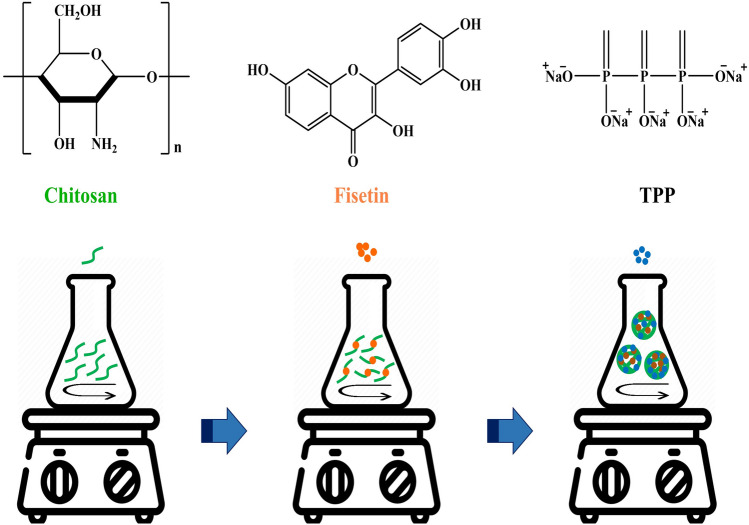
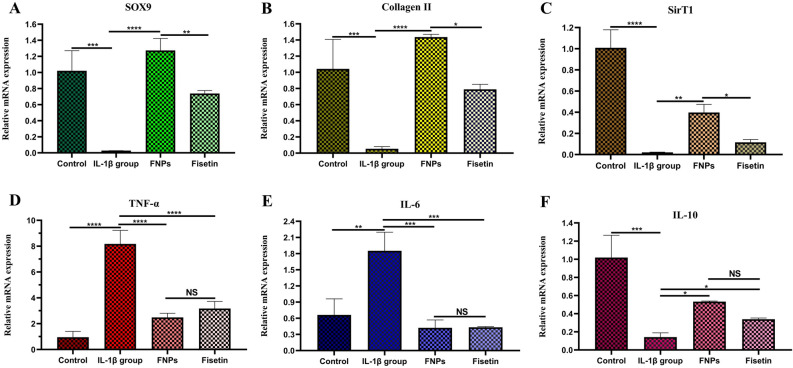
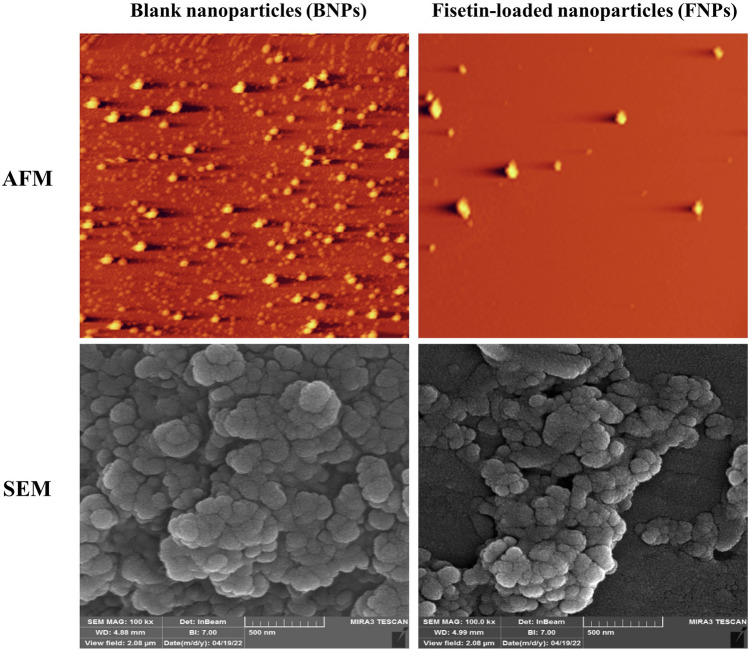
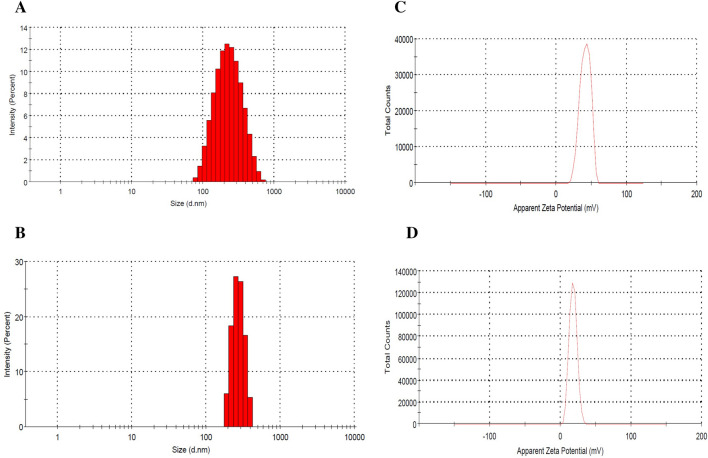
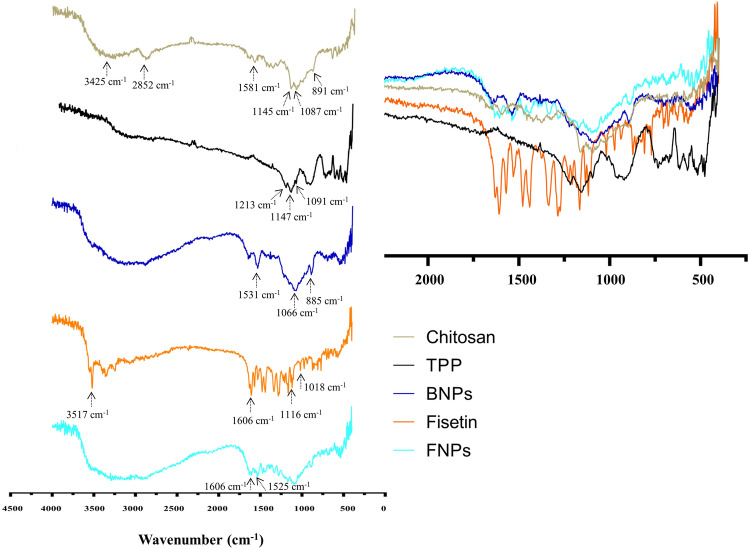
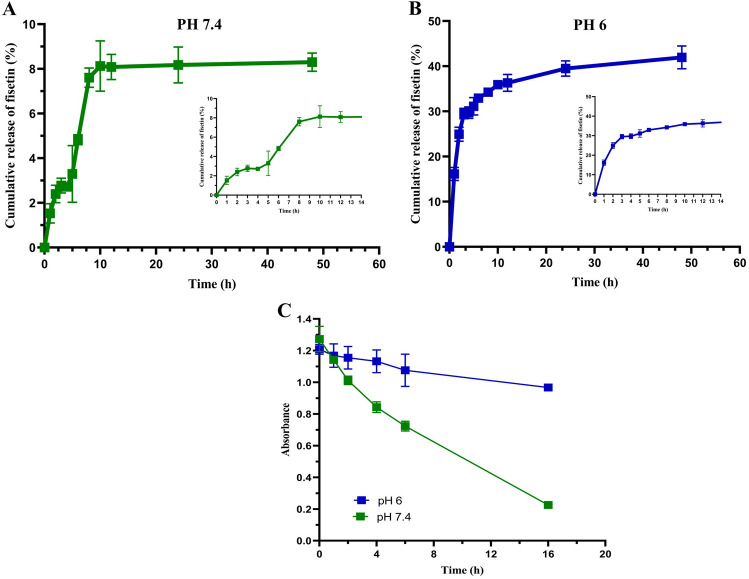
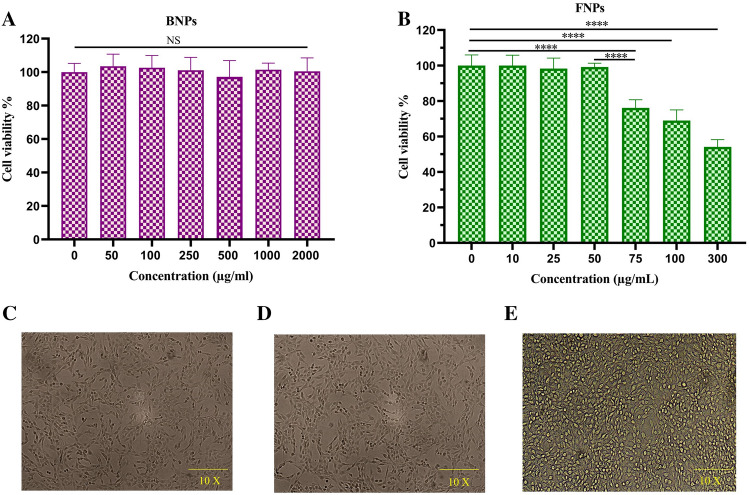
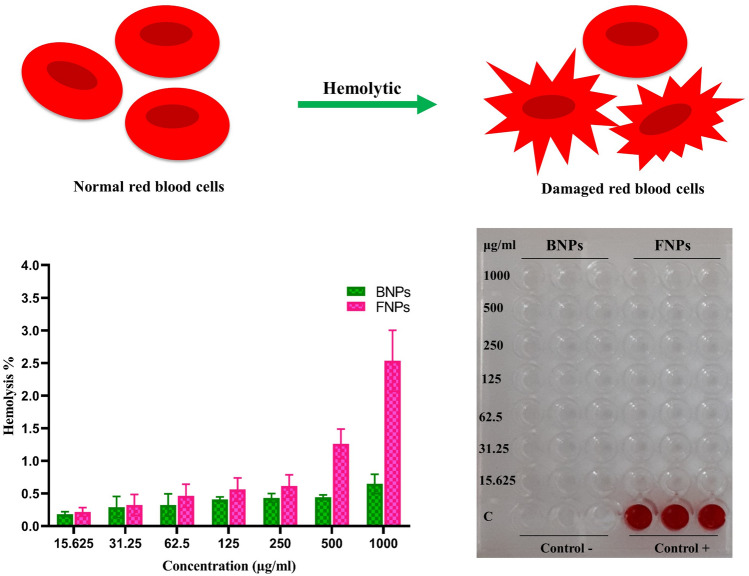
Cartilage lesions, especially osteoarthritis (OA), are a common health problem, causing pain and disability in various age groups, principally in older adults and athletes. One of the main challenges to be considered in cartilage tissue repair is the regeneration of cartilage tissue in an active inflammatory environment. Fisetin has various biological effects including anti-inflammatory, antioxidant, apoptotic, and antiproliferative activities. The only disadvantages of fisetin in the pharmaceutical field are its instability and low solubility in aqueous media. This study is aimed at preparing chitosan (CS)-based nanoparticles to yield fisetin with improved bioavailability features. Then, the effect of fisetin-loaded nanoparticles (FNPs) on inflammatory responses in interleukin-1β (IL-1β) pretreated human chondrocytes has also been investigated. FNPs presented an average size of 363.1 ± 17.2 nm and a zeta potential of + 17.7 ± 0.1 mV with encapsulation efficiency (EE) and loading capacity (LC) of 78.79 ± 7.7% and 37.46 ± 6.6%, respectively. The viability of human chondrocytes was not affected by blank nanoparticles (BNPs) up to a concentration of 2000 μg/mL. In addition, the hemolysis results clearly showed that FNPs did not damage the red blood cells (RBCs) and had good hemocompatibility within the range investigated. FNPs, similar to fisetin, were able to inhibit the inflammatory responses induced by IL-1β such as the expression of interleukin-6 (IL-6) and tumor necrosis factor-α (TNF-α) while increasing the production of an anti-inflammatory cytokine such as interleukin-10 (IL-10). Overall, the in vitro evaluation results of the anti-inflammatory activity showed that FNPs can serve as delivery systems to transfer fisetin to treat inflammation in OA.
软骨损伤,特别是骨关节炎(OA),是一种常见的健康问题,会在各个年龄段引起疼痛和残疾,主要发生在老年人和运动员中。在软骨组织修复中需要考虑的主要挑战之一是在活跃的炎症环境中再生软骨组织。漆黄素具有多种生物学作用,包括抗炎、抗氧化、凋亡和抗增殖作用。漆黄素在药物领域的唯一缺点是其在水介质中的不稳定性和低溶解度。本研究旨在制备壳聚糖(CS)基纳米粒,以提高生物利用度特征的漆黄素。然后,还研究了负载漆黄素的纳米粒(FNPs)对白细胞介素-1β(IL-1β)预处理的人软骨细胞炎症反应的影响。FNPs 的平均粒径为 363.1 ± 17.2nm,zeta 电位为+17.7 ± 0.1mV,包封效率(EE)和载药量(LC)分别为 78.79 ± 7.7%和 37.46 ± 6.6%。空白纳米粒(BNPs)的浓度高达 2000μg/mL 时,对人软骨细胞的活力没有影响。此外,溶血结果清楚地表明,FNPs 在研究范围内不会破坏红细胞(RBCs),并且具有良好的血液相容性。FNPs 与漆黄素相似,能够抑制由 IL-1β诱导的炎症反应,如白细胞介素-6(IL-6)和肿瘤坏死因子-α(TNF-α)的表达,同时增加抗炎细胞因子如白细胞介素-10(IL-10)的产生。总的来说,抗炎活性的体外评价结果表明,FNPs 可以作为输送系统将漆黄素输送到 OA 炎症的治疗中。