Nabizadeh Zahra, Nasrollahzadeh Mahmoud, Daemi Hamed, Baghaban Eslaminejad Mohamadreza, Shabani Ali Akbar, Dadashpour Mehdi, Mirmohammadkhani Majid, Nasrabadi Davood
Department of Medical Biotechnology, School of Medicine, Semnan University of Medical Sciences, Semnan, Iran.
Biotechnology Research Center, Semnan University of Medical Sciences, Semnan, Iran.
Beilstein J Nanotechnol. 2022 Apr 11;13:363-389. doi: 10.3762/bjnano.13.31. eCollection 2022.
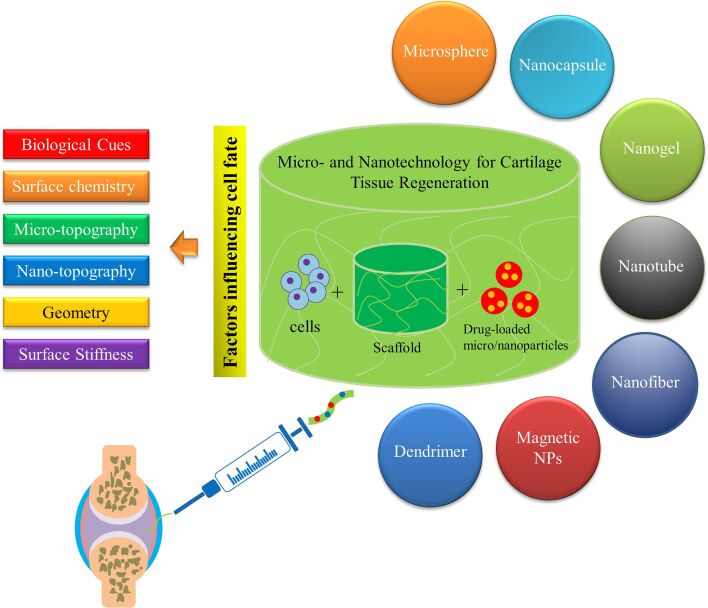
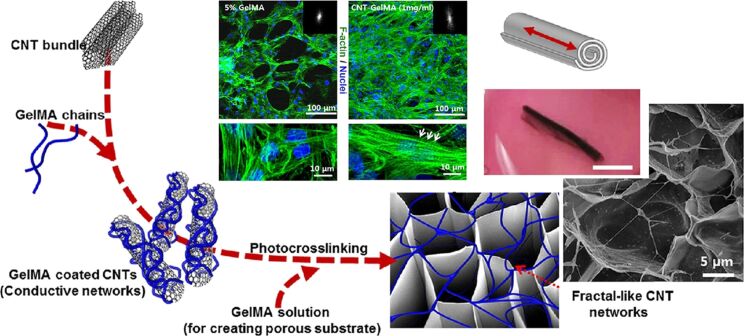
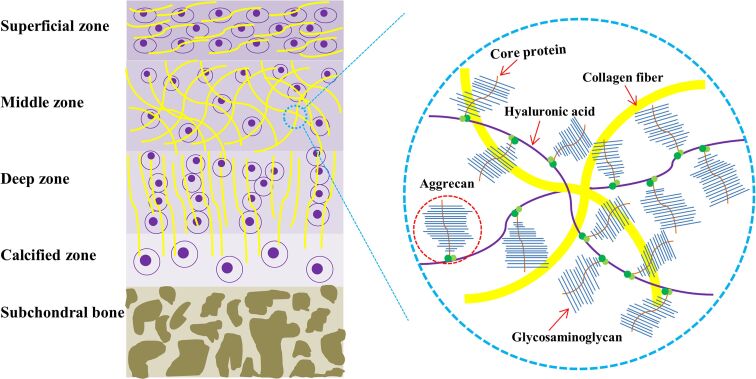
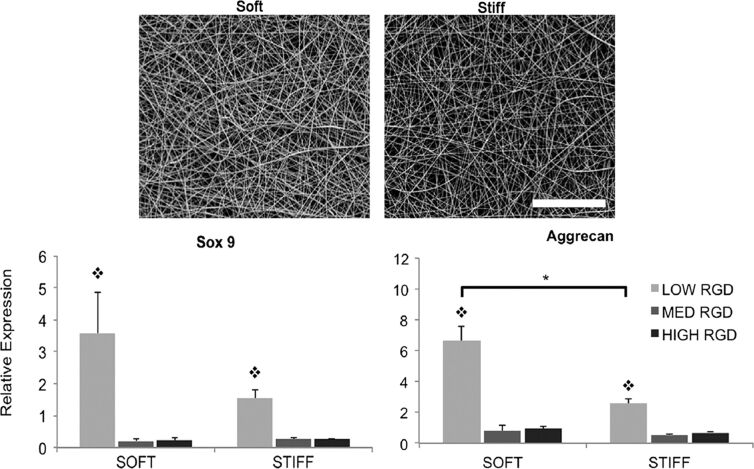
Osteoarthritis, which typically arises from aging, traumatic injury, or obesity, is the most common form of arthritis, which usually leads to malfunction of the joints and requires medical interventions due to the poor self-healing capacity of articular cartilage. However, currently used medical treatment modalities have reported, at least in part, disappointing and frustrating results for patients with osteoarthritis. Recent progress in the design and fabrication of tissue-engineered microscale/nanoscale platforms, which arises from the convergence of stem cell research and nanotechnology methods, has shown promising results in the administration of new and efficient options for treating osteochondral lesions. This paper presents an overview of the recent advances in osteochondral tissue engineering resulting from the application of micro- and nanotechnology approaches in the structure of biomaterials, including biological and microscale/nanoscale topographical cues, microspheres, nanoparticles, nanofibers, and nanotubes.
骨关节炎通常由衰老、创伤性损伤或肥胖引起,是最常见的关节炎形式,通常会导致关节功能障碍,由于关节软骨的自我修复能力较差,需要进行医学干预。然而,目前使用的医学治疗方式,至少在一定程度上,对骨关节炎患者来说效果令人失望且沮丧。组织工程微尺度/纳米尺度平台的设计与制造方面的最新进展源于干细胞研究与纳米技术方法的融合,在为治疗骨软骨损伤提供新的有效选择方面已显示出有前景的结果。本文概述了在生物材料结构中应用微纳技术方法所带来的骨软骨组织工程的最新进展,包括生物和微尺度/纳米尺度的形貌线索、微球、纳米颗粒、纳米纤维和纳米管。