Abdallah Hossam M, Koshak Abdulrahman E, Farag Mohamed A, El Sayed Nesrine S, Badr-Eldin Shaimaa M, Ahmed Osama A A, Algandaby Mardi M, Abdel-Naim Ashraf B, Ibrahim Sabrin R M, Mohamed Gamal A, Proksch Peter, Abbas Haidy
Department of Natural Products and Alternative Medicine, Faculty of Pharmacy, King Abdulaziz University, Jeddah 21589, Saudi Arabia.
Department of Pharmacognosy, Faculty of Pharmacy, Cairo University, Giza 11562, Egypt.
ACS Omega. 2023 Sep 7;8(37):33943-33954. doi: 10.1021/acsomega.3c04756. eCollection 2023 Sep 19.
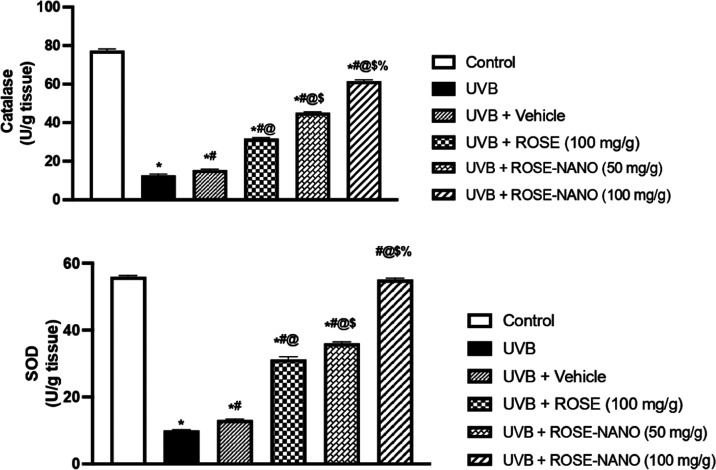
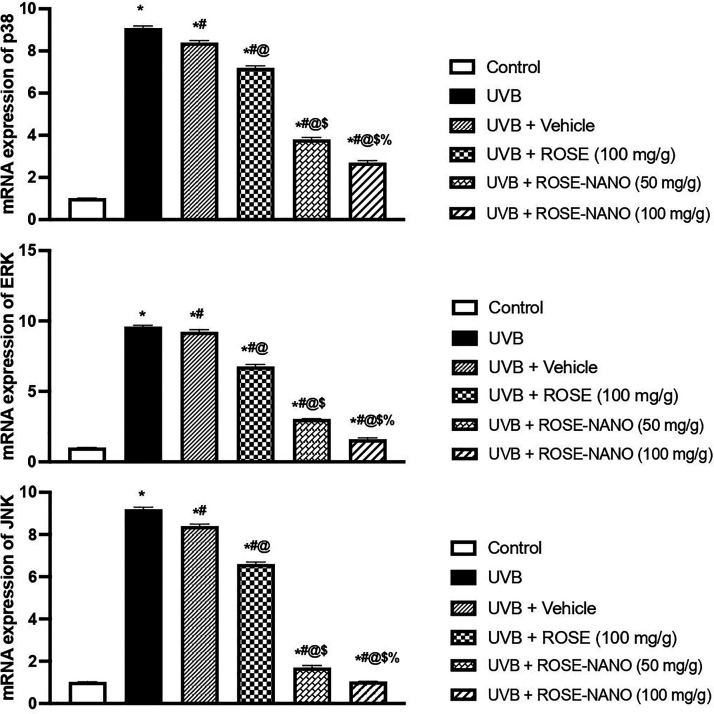
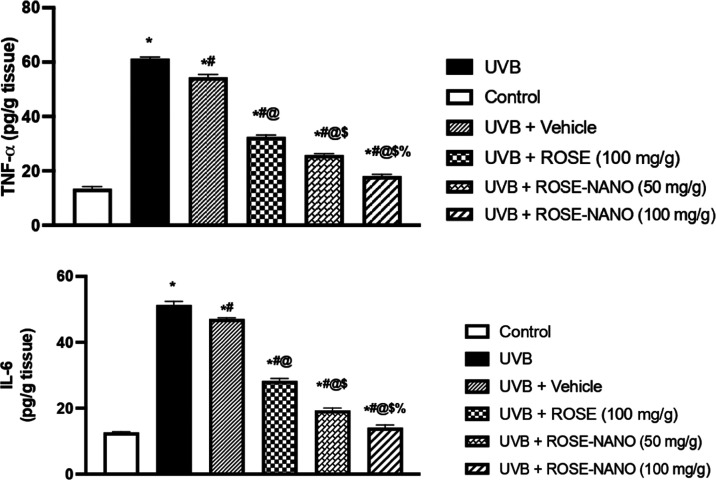
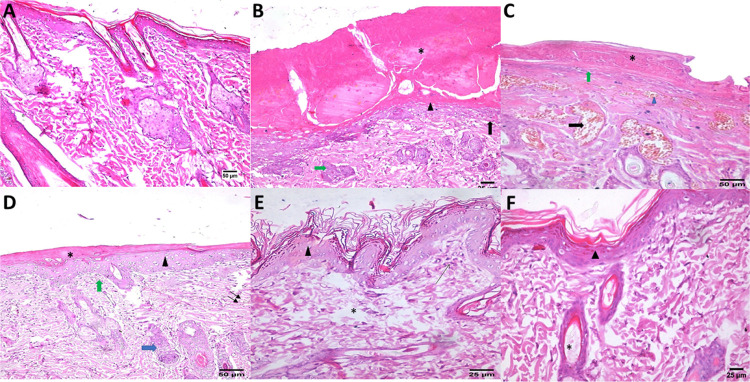
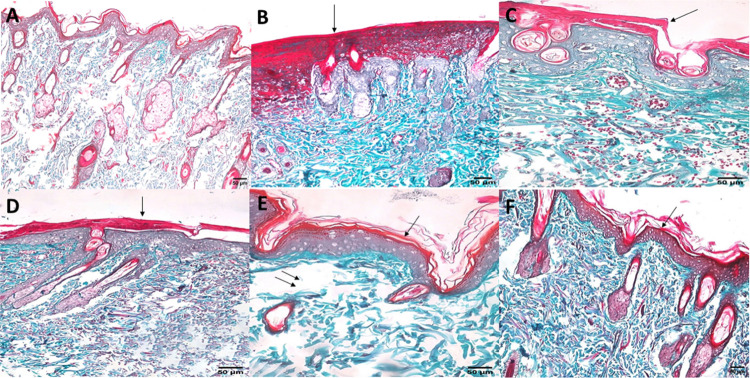
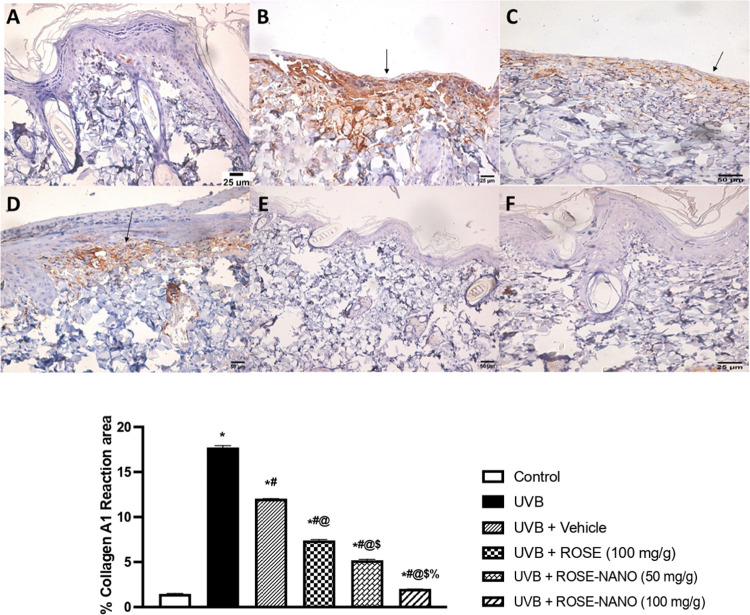
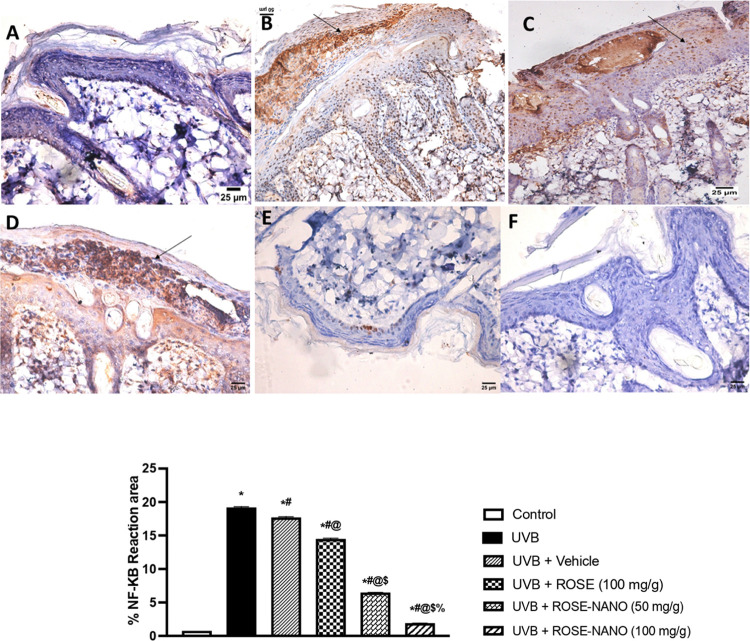
Short-wave UVB (ultraviolet B) causes rapid oxidative damage to the skin. Rose water is obtained mainly from the petals of Mill. (Rosaceae) and used traditionally to hydrate dry skin and reduce signs of aging. This work aimed at evaluating the possible protective potential of the prepared eco-friendly Taif rose oil nanoemulsion (ROSE-NANO) against UVB-induced photoaging in adult male Wistar rats. Taif rose oil (ROSE) was obtained from by classical steam distillation and formulated in emulgel (100 mg/g). In addition, the oil was formulated in ROSE-NANO-loaded emulgel (50 and 100 mg/g) to enhance the effect of ROSE. All prepared formulas were tested topically for their potential protective effect in UV-induced skin photoaging. The obtained results demonstrated that application of ROSE-NANO-loaded emulgel resulted in superior antiaging potency over ROSE emulgel based on histological studies as well as biochemical evaluations via amendment in CAT and SOD activities, decreasing the concentration of the inflammatory markers and preventing collagen fragmentation through reduction of MMP-9 content in fibroblasts. Moreover, a significant decrease in mRNA expression of NF-KB, JNK, ERK1/2, and p38 MAPK genes was observed. In conclusion, the current study provides scientific evidence for the traditional use of rose oil in skin aging. Moreover, the NANO formula showed promising efficacy as a skin photoprotector against UV-induced oxidative damage and skin aging.
短波紫外线B(UVB)会对皮肤造成快速的氧化损伤。玫瑰水主要从蔷薇科植物玫瑰的花瓣中提取,传统上用于滋润干性皮肤并减少衰老迹象。本研究旨在评估制备的环保型塔伊夫玫瑰油纳米乳剂(ROSE-NANO)对成年雄性Wistar大鼠紫外线B诱导的光老化的潜在保护作用。塔伊夫玫瑰油(ROSE)通过经典水蒸气蒸馏法从玫瑰中提取,并制成乳凝胶(100毫克/克)。此外,将该油制成负载ROSE-NANO的乳凝胶(50和100毫克/克)以增强ROSE的效果。所有制备的配方均进行局部测试,以评估其在紫外线诱导的皮肤光老化中的潜在保护作用。所得结果表明,基于组织学研究以及通过修正CAT和SOD活性进行的生化评估,负载ROSE-NANO的乳凝胶的抗衰老效力优于ROSE乳凝胶,降低了炎症标志物的浓度,并通过降低成纤维细胞中MMP-9的含量防止胶原蛋白断裂。此外,观察到NF-KB、JNK、ERK1/2和p38 MAPK基因的mRNA表达显著降低。总之,本研究为玫瑰油在皮肤老化方面的传统用途提供了科学证据。此外,纳米配方作为一种皮肤光保护剂,在抵抗紫外线诱导的氧化损伤和皮肤老化方面显示出有前景 的疗效。