Department of Medicine and Life Sciences, Universitat Pompeu Fabra, Barcelona, Spain.
Quantitative Biology Center, University of Tuebingen, Tuebingen, Baden-Württemberg, Germany.
Sci Rep. 2023 Sep 25;13(1):16058. doi: 10.1038/s41598-023-43354-w.
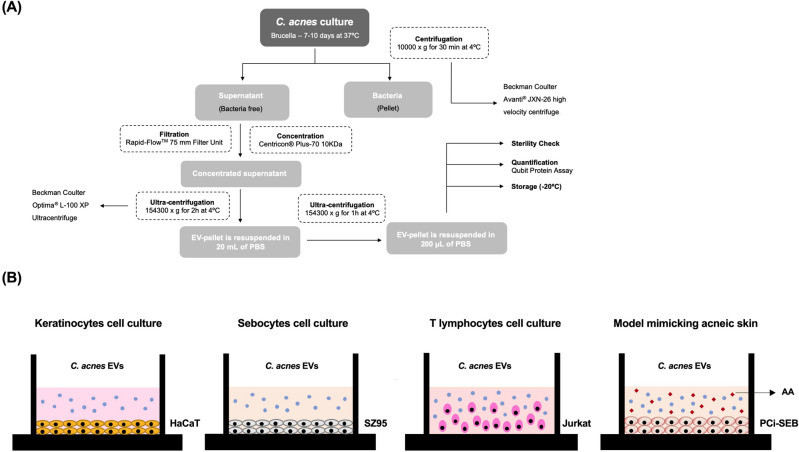
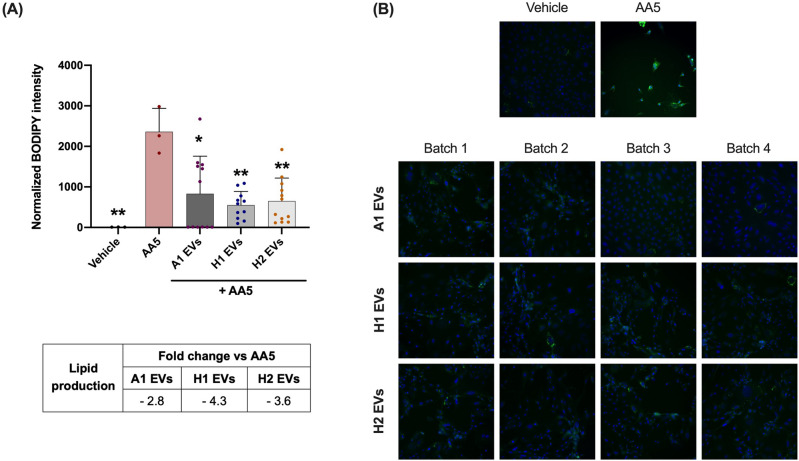
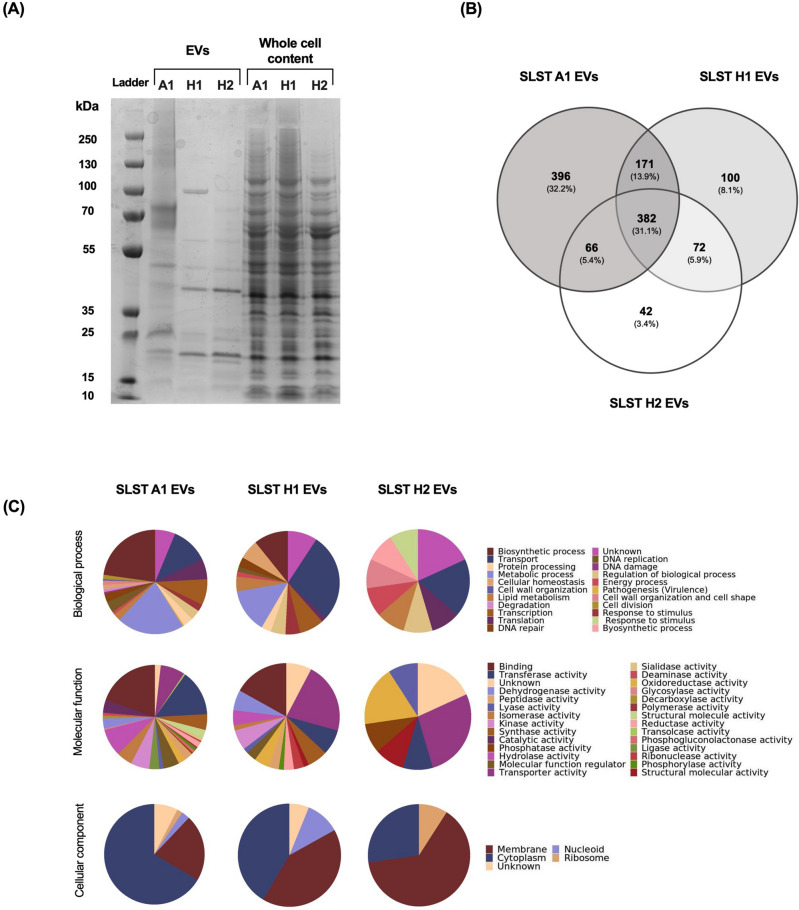
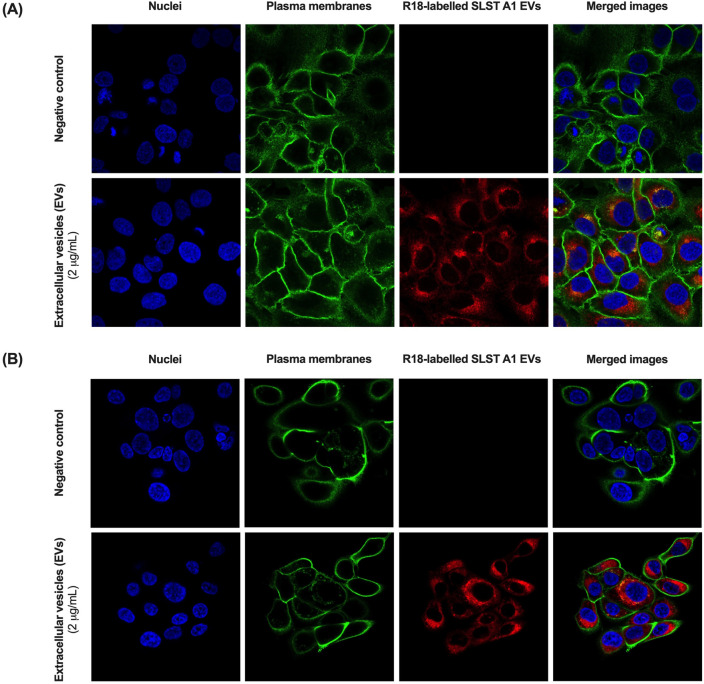
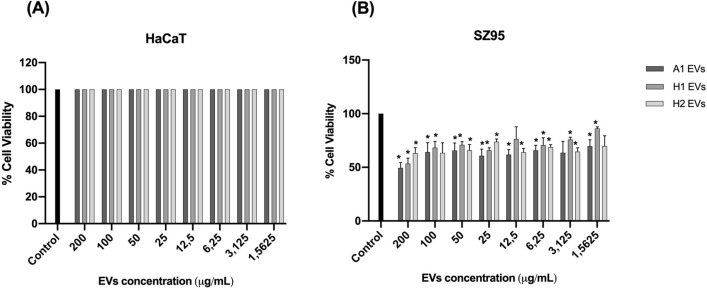
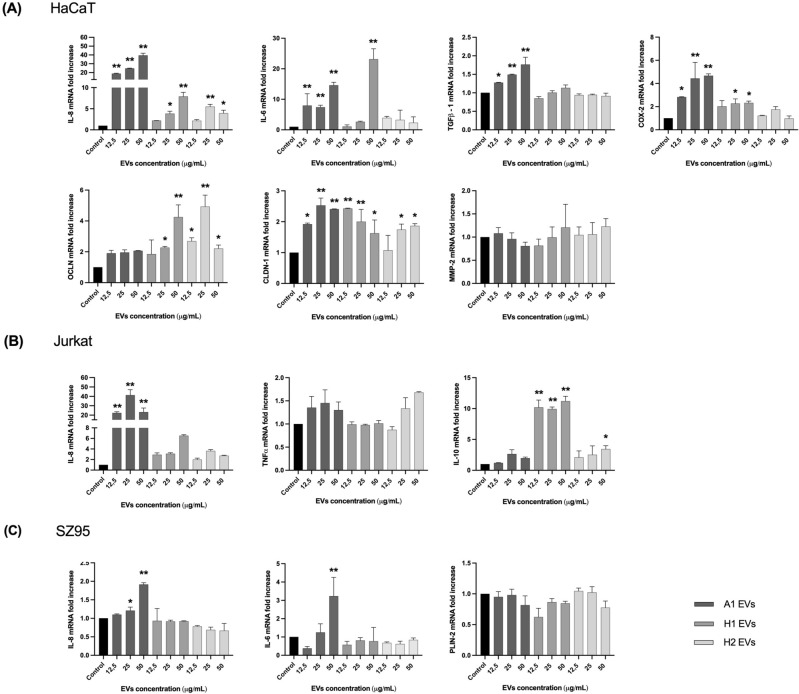
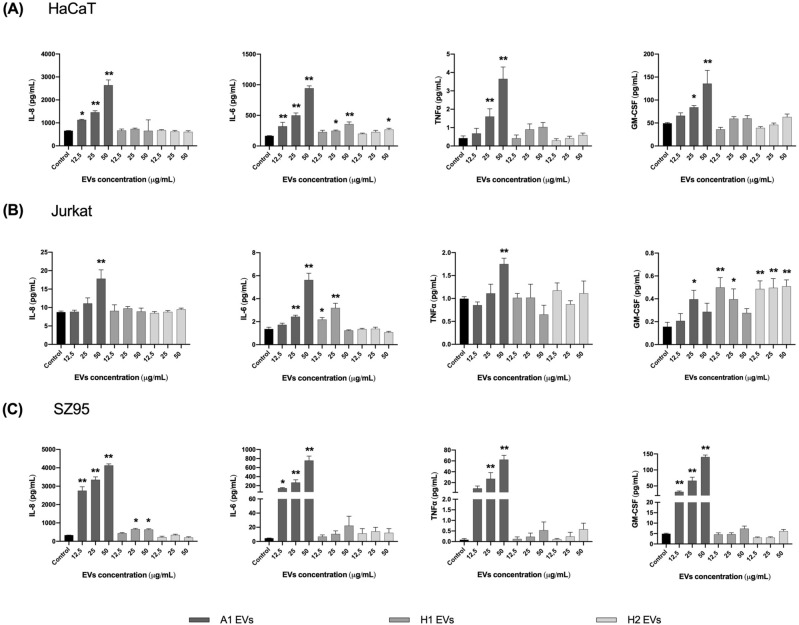
Cutibacterium acnes (C. acnes) is one of the most prevalent bacteria that forms the human skin microbiota. Specific phylotypes of C. acnes have been associated with the development of acne vulgaris, while other phylotypes have been linked to healthy skin. In this scenario, bacterial extracellular vesicles (EVs) play a role in the interkingdom communication role with the human host. The purpose of this study was to examine the impact of EVs generated by various phylotypes of C. acnes on inflammation and sebum production using different in vitro skin cell types. The main findings of this study reveal that the proteomic profile of the cargo embodied in the EVs reflects distinct characteristics of the different C. acnes phylotypes in terms of life cycle, survival, and virulence. The in vitro skin cell types showed an extended pro-inflammatory modulation of SLST A1 EVs consistently triggering the activation of the inflammation-related factors IL-8, IL-6, TNFα and GM-CSF, in comparison to SLST H1 and SLST H2. Additionally, an acne-prone skin model utilizing PCi-SEB and arachidonic acid as a sebum inducer, was employed to investigate the impact of C. acnes EVs on sebum regulation. Our findings indicated that all three types of EVs significantly inhibited sebum production after a 24-h treatment period, with SLST H1 EVs exhibiting the most pronounced inhibitory effect when compared to the positive control. The results of this study highlight the protective nature of C. acnes SLST H1 EVs and their potential use as a natural treatment option for alleviating symptoms associated with inflammation and oily skin.
痤疮丙酸杆菌(C. acnes)是形成人类皮肤微生物群的最普遍细菌之一。特定的 C. acnes 菌型与寻常痤疮的发展有关,而其他菌型则与健康的皮肤有关。在这种情况下,细菌细胞外囊泡(EVs)在与人类宿主的种间通讯中发挥作用。本研究的目的是使用不同的体外皮肤细胞类型,研究不同 C. acnes 菌型产生的 EVs 对炎症和皮脂产生的影响。这项研究的主要发现揭示了 EVs 中包含的货物的蛋白质组特征反映了不同 C. acnes 菌型在生命周期、生存和毒力方面的明显特征。体外皮肤细胞类型表现出持续的促炎调节,SLST A1 EVs 一致触发与炎症相关的因素 IL-8、IL-6、TNFα 和 GM-CSF 的激活,与 SLST H1 和 SLST H2 相比。此外,还利用 PCi-SEB 和花生四烯酸作为皮脂诱导剂建立了一种易患痤疮的皮肤模型,以研究 C. acnes EVs 对皮脂调节的影响。我们的研究结果表明,所有三种类型的 EVs 在 24 小时处理后均显著抑制皮脂产生,与阳性对照相比,SLST H1 EVs 的抑制作用最为显著。这项研究的结果强调了 C. acnes SLST H1 EVs 的保护性质及其作为减轻与炎症和油性皮肤相关症状的天然治疗选择的潜力。