AriBnC Co., Ltd., Yongin 16914, Republic of Korea.
Department of Veterinary Surgery, College of Veterinary Medicine, Kyungpook National University, Daegu 41566, Republic of Korea.
Mar Drugs. 2023 Aug 30;21(9):479. doi: 10.3390/md21090479.
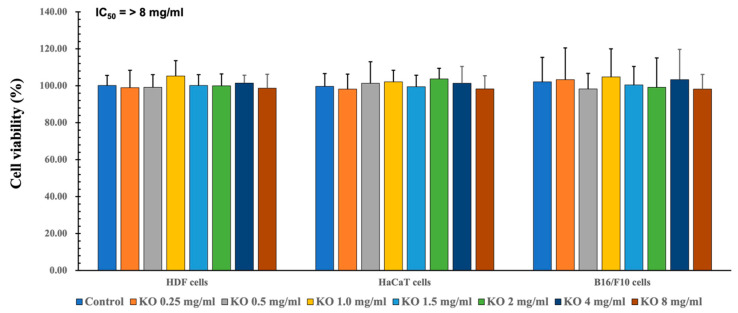
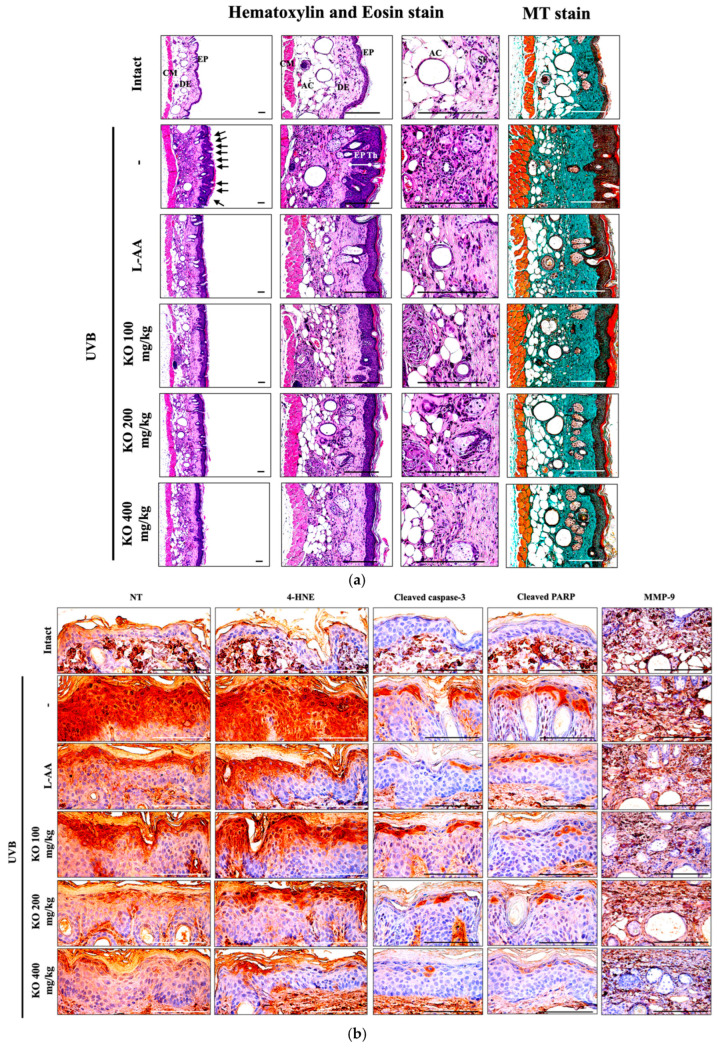
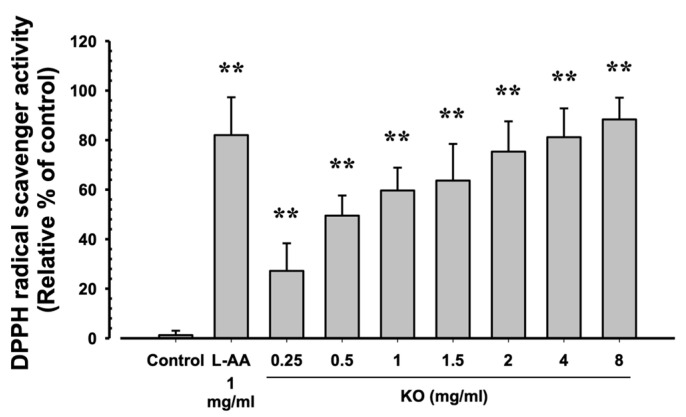
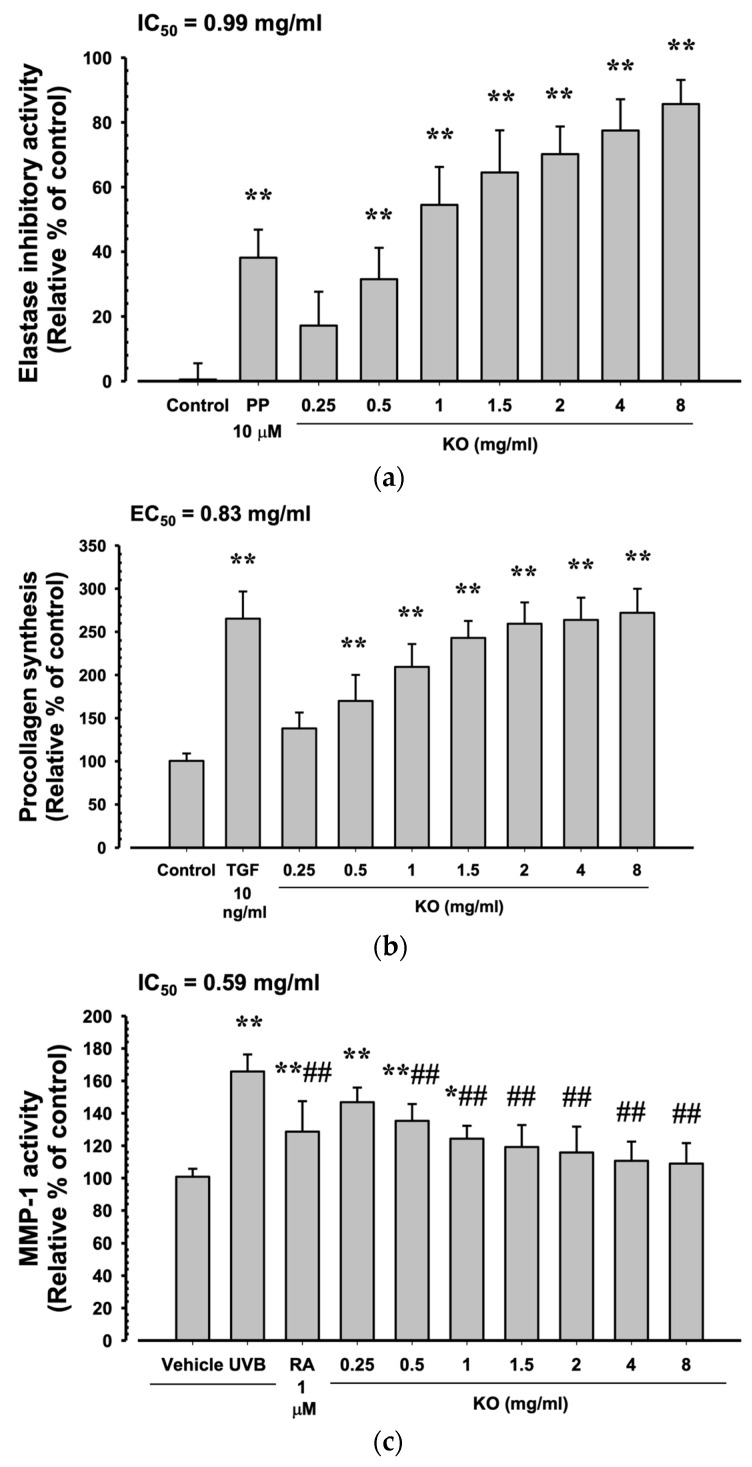
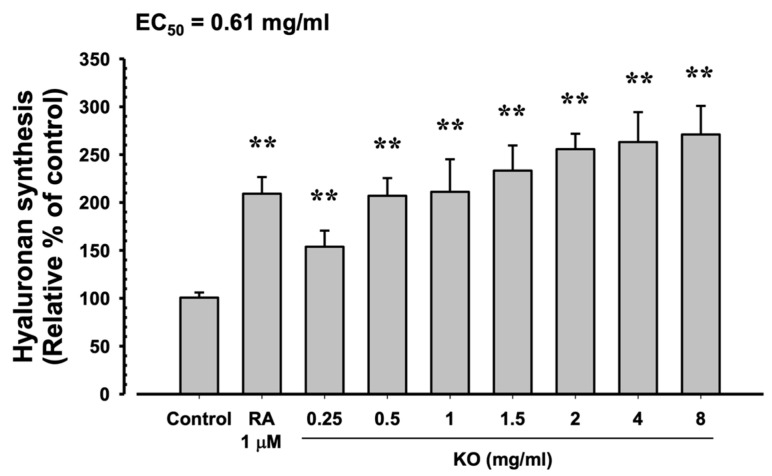
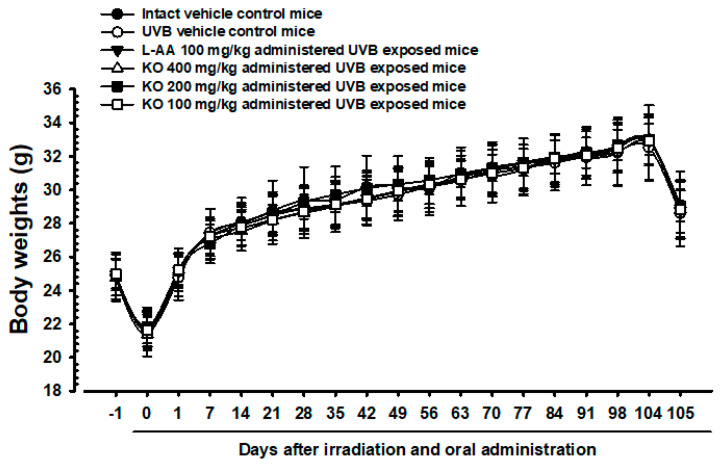
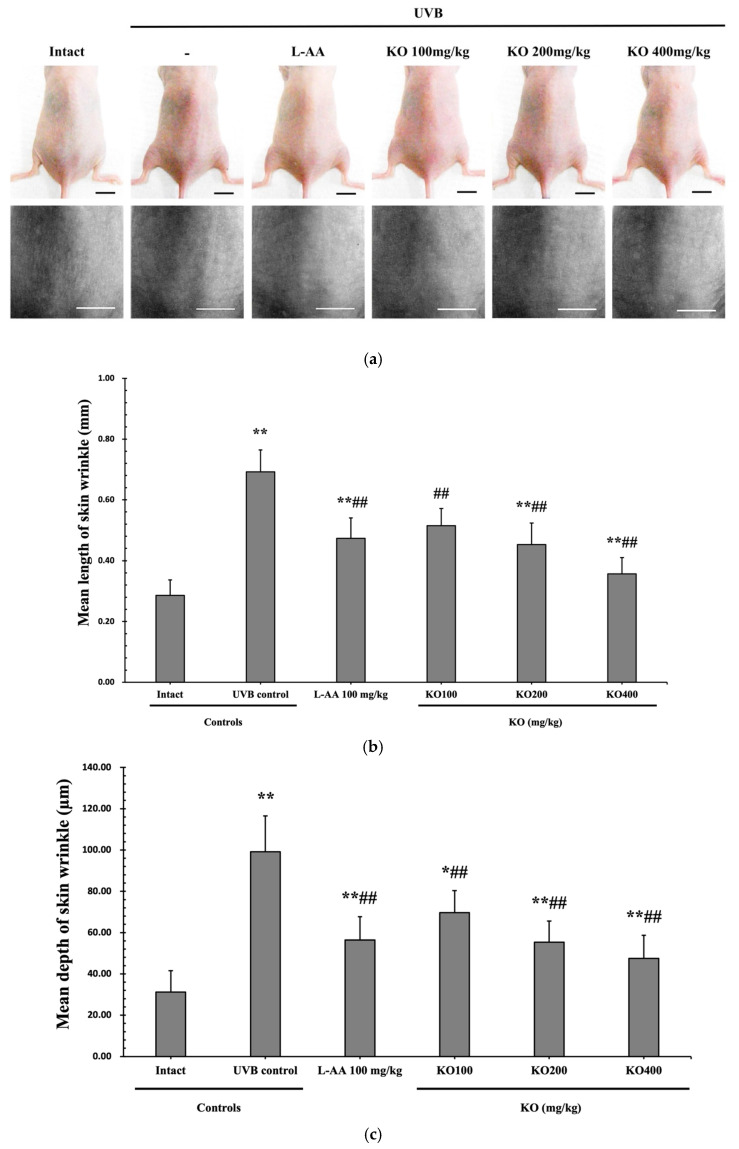
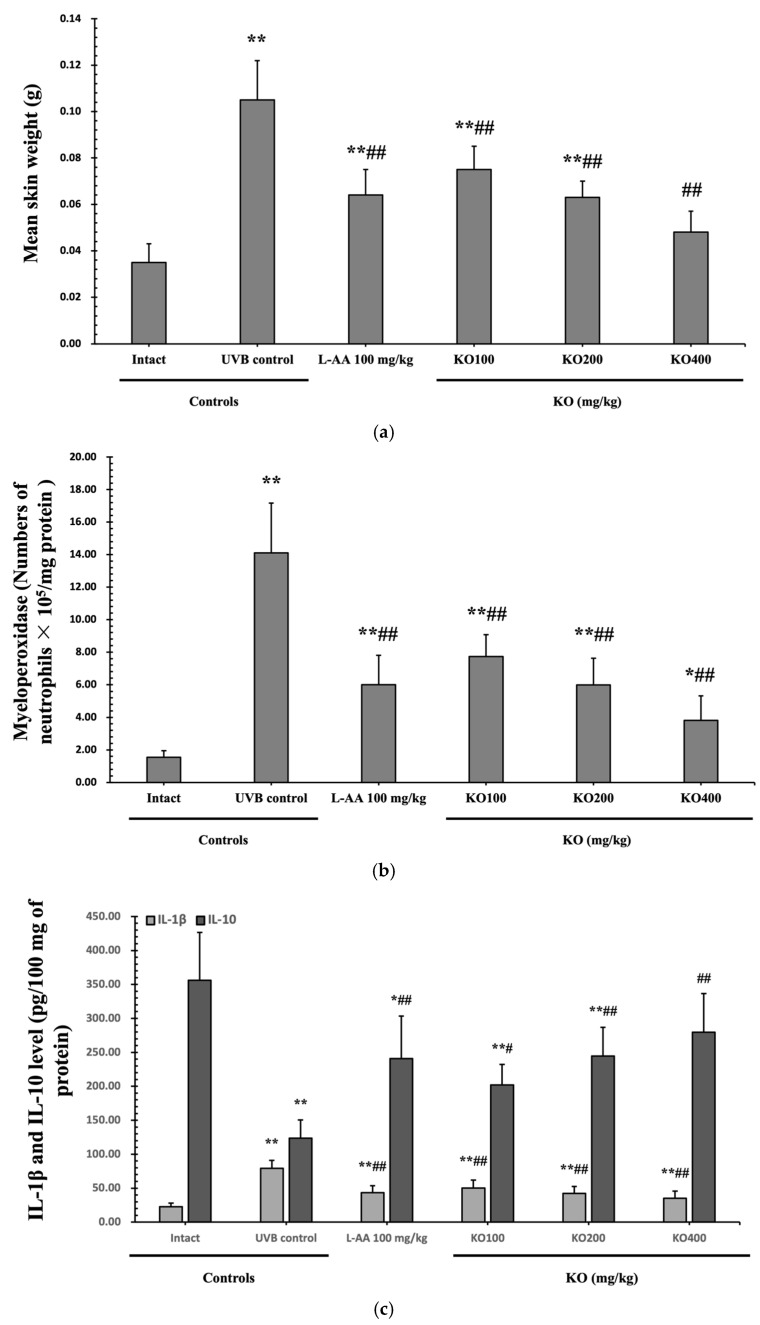
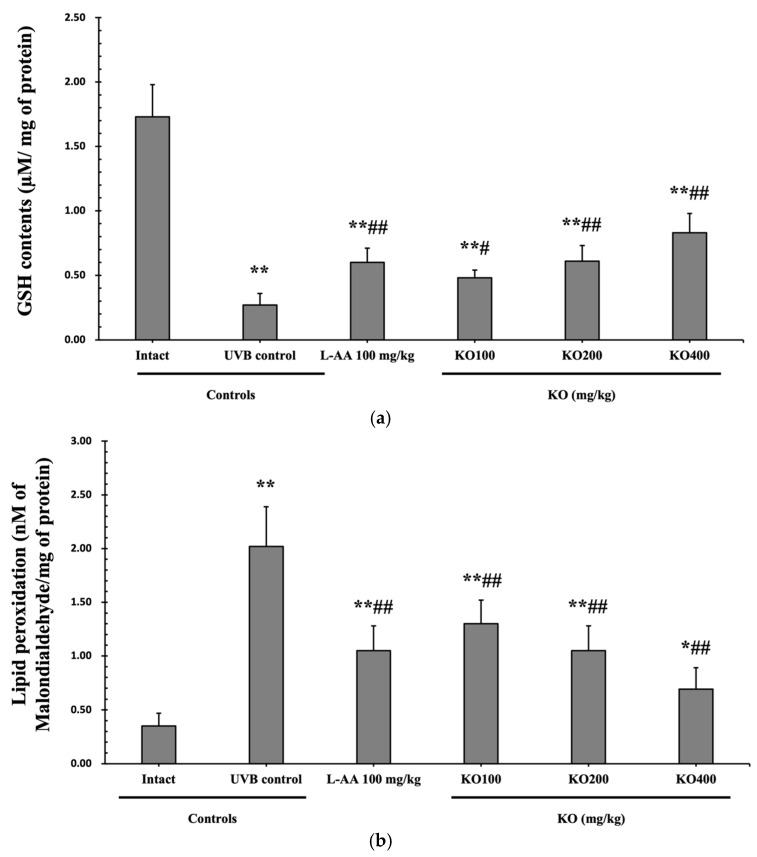
Krill oil (KO) shows promise as a natural marine-derived ingredient for improving skin health. This study investigated its antioxidant, anti-inflammatory, anti-wrinkle, and moisturizing effects on skin cells and UVB-induced skin photoaging in hairless mice. In vitro assays on HDF, HaCaT, and B16/F10 cells, as well as in vivo experiments on 60 hairless mice were conducted. A cell viability assay, diphenyl-1-picryhydrazyl (DPPH) radical scavenging activity test, elastase inhibition assay, procollagen content test, MMP-1 inhibition test, and hyaluronan production assay were used to experiment on in vitro cell models. Mice received oral KO administration (100, 200, or 400 mg/kg) once a day for 15 weeks and UVB radiation three times a week. L-Ascorbic acid (L-AA) was orally administered at 100 mg/kg once daily for 15 weeks, starting from the initial ultraviolet B (UVB) exposures. L-AA administration followed each UVB session (0.18 J/cm) after one hour. In vitro, KO significantly countered UVB-induced oxidative stress, reduced wrinkles, and prevented skin water loss by enhancing collagen and hyaluronic synthesis. In vivo, all KO dosages showed dose-dependent inhibition of oxidative stress-induced inflammatory photoaging-related skin changes. Skin mRNA expressions for hyaluronan synthesis and collagen synthesis genes also increased dose-dependently after KO treatment. Histopathological analysis confirmed that krill oil (KO) ameliorated the damage caused by UVB-irradiated skin tissues. The results imply that KO could potentially act as a positive measure in diminishing UVB-triggered skin photoaging and address various skin issues like wrinkles and moisturization when taken as a dietary supplement.
磷虾油(KO)作为一种天然的海洋衍生成分,有望改善皮肤健康。本研究探讨了其对皮肤细胞的抗氧化、抗炎、抗皱和保湿作用,以及对无毛小鼠 UVB 诱导的皮肤光老化的影响。在 HDF、HaCaT 和 B16/F10 细胞上进行了体外试验,在 60 只无毛小鼠上进行了体内试验。采用细胞活力测定法、二苯基-1-苦基肼基(DPPH)自由基清除活性试验、弹性蛋白酶抑制试验、原胶原蛋白含量试验、MMP-1 抑制试验和透明质酸产生试验对体外细胞模型进行了试验。小鼠每天口服 KO(100、200 或 400mg/kg)一次,连续 15 周,并每周接受 3 次 UVB 辐射。从最初的紫外线 B(UVB)暴露开始,每天口服 L-抗坏血酸(L-AA)100mg/kg,连续 15 周。每次 UVB 照射后 1 小时,L-AA 口服给药。在体外,KO 显著对抗 UVB 诱导的氧化应激,减少皱纹,并通过增强胶原蛋白和透明质酸的合成来防止皮肤水分流失。在体内,所有 KO 剂量均表现出对氧化应激诱导的炎症性光老化相关皮肤变化的剂量依赖性抑制作用。KO 治疗后,皮肤透明质酸合成和胶原蛋白合成基因的皮肤 mRNA 表达也呈剂量依赖性增加。组织病理学分析证实,磷虾油(KO)改善了 UVB 照射皮肤组织造成的损伤。结果表明,KO 可能作为一种积极的措施,减少 UVB 触发的皮肤光老化,并在作为膳食补充剂时解决皱纹和保湿等各种皮肤问题。