Minibayeva Farida, Mazina Anastasia, Gazizova Natalia, Dmitrieva Svetlana, Ponomareva Anastasia, Rakhmatullina Daniya
Kazan Institute of Biochemistry and Biophysics, FRC Kazan Scientific Center, Russian Academy of Sciences, 420111 Kazan, Russia.
Antioxidants (Basel). 2023 Aug 22;12(9):1655. doi: 10.3390/antiox12091655.
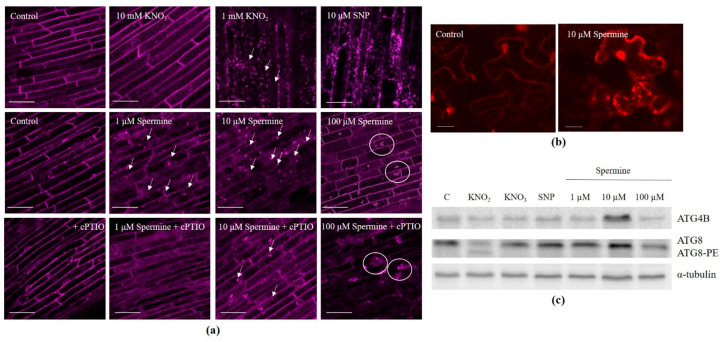
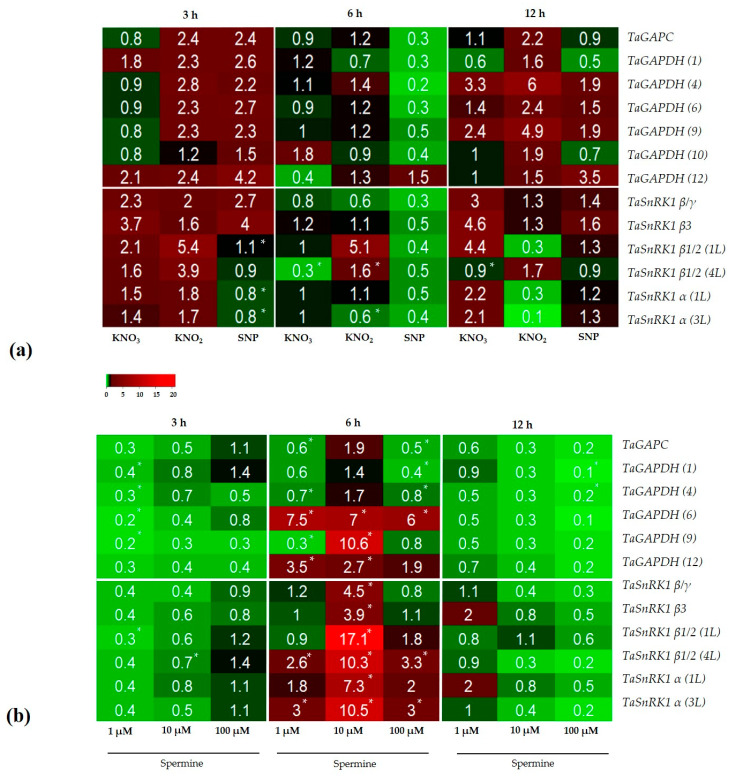
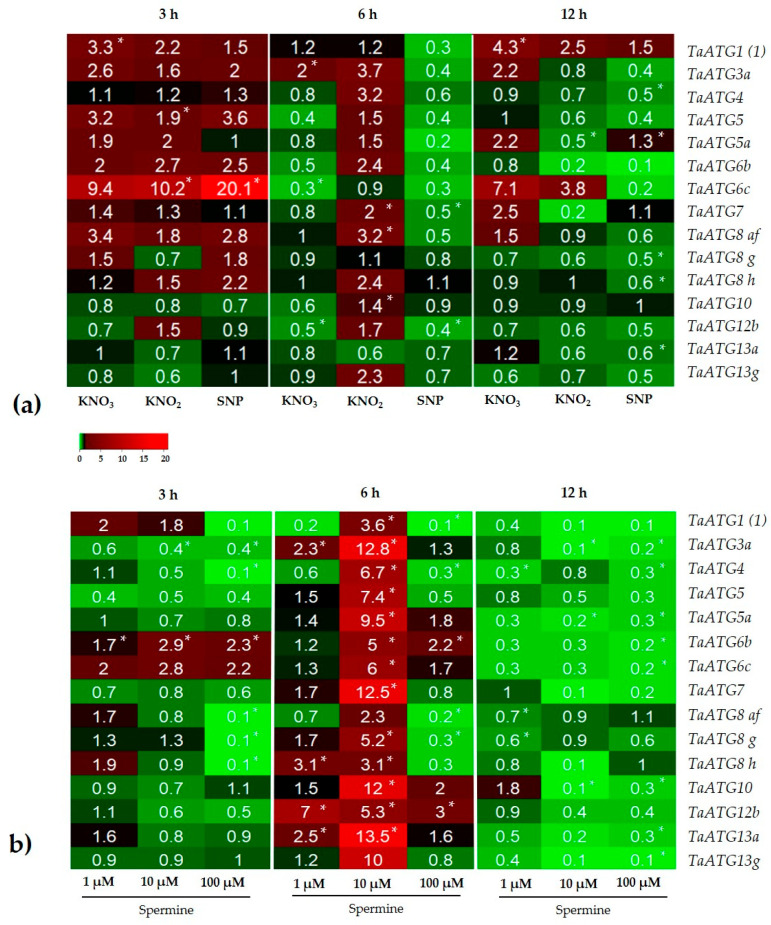
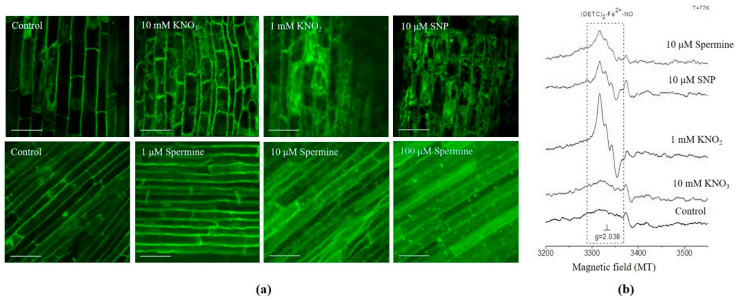
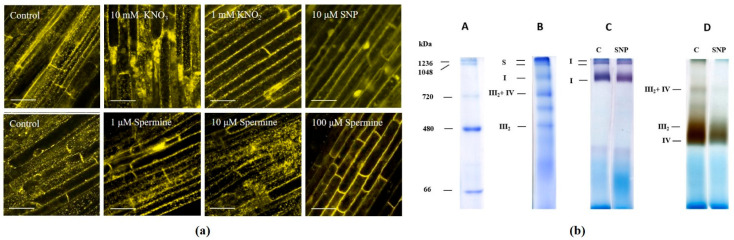
Autophagy is a highly conserved process that degrades damaged macromolecules and organelles. Unlike animals, only scant information is available regarding nitric oxide (NO)-induced autophagy in plants. Such lack of information prompted us to study the roles of the NO donors' nitrate, nitrite, and sodium nitroprusside in this catabolic process in wheat roots. Furthermore, spermine, a polyamine that is found in all eukaryotic cells, was also tested as a physiological NO donor. Here, we show that in wheat roots, NO donors and spermine can trigger autophagy, with NO and reactive oxygen species (ROS) playing signaling roles based on the visualization of autophagosomes, analyses of the levels of NO, ROS, mitochondrial activity, and the expression of autophagic () genes. Treatment with nitrite and nitroprusside causes an energy deficit, a typical prerequisite of autophagy, which is indicated by a fall in mitochondrial potential, and the activity of mitochondrial complexes. On the contrary, spermine sustains energy metabolism by upregulating the activity of appropriate genes, including those that encode glyceraldehyde 3-phosphate dehydrogenase GAPDH and SNF1-related protein kinase 1 SnRK1. Taken together, our data suggest that one of the key roles for NO in plants may be to trigger autophagy via diverse mechanisms, thus facilitating the removal of oxidized and damaged cellular constituencies.
自噬是一个高度保守的过程,可降解受损的大分子和细胞器。与动物不同,关于一氧化氮(NO)诱导植物自噬的信息非常有限。这种信息的缺乏促使我们研究NO供体硝酸盐、亚硝酸盐和硝普钠在小麦根这种分解代谢过程中的作用。此外,精胺是一种存在于所有真核细胞中的多胺,也作为一种生理性NO供体进行了测试。在这里,我们表明在小麦根中,NO供体和精胺可以触发自噬,基于自噬体的可视化、NO、活性氧(ROS)水平分析、线粒体活性以及自噬()基因的表达,NO和ROS发挥着信号传导作用。亚硝酸盐和硝普钠处理会导致能量不足,这是自噬的一个典型先决条件,表现为线粒体电位下降和线粒体复合物活性降低。相反,精胺通过上调包括编码甘油醛-3-磷酸脱氢酶GAPDH和SNF1相关蛋白激酶1 SnRK1在内的相关基因的活性来维持能量代谢。综上所述,我们的数据表明,NO在植物中的关键作用之一可能是通过多种机制触发自噬,从而促进清除氧化和受损的细胞成分。