Fernández-Regueras María, Carbonell Cristina, Salete-Granado Daniel, García Juan-Luis, Gragera Marcos, Pérez-Nieto María-Ángeles, Morán-Plata Francisco-Javier, Mayado Andrea, Torres Jorge-Luis, Corchete Luis-Antonio, Usategui-Martín Ricardo, Bueno-Martínez Elena, Rojas-Pirela Maura, Sabio Guadalupe, González-Sarmiento Rogelio, Orfao Alberto, Laso Francisco-Javier, Almeida Julia, Marcos Miguel
Hospital Universitario de Burgos, 09006 Burgos, Spain.
Hospital Universitario de Salamanca, 37007 Salamanca, Spain.
Antioxidants (Basel). 2023 Sep 1;12(9):1708. doi: 10.3390/antiox12091708.
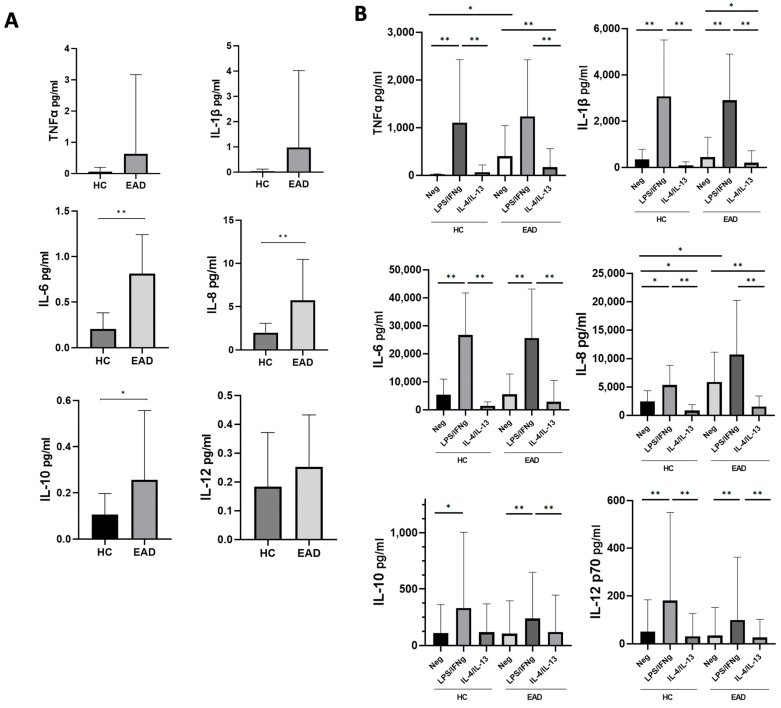
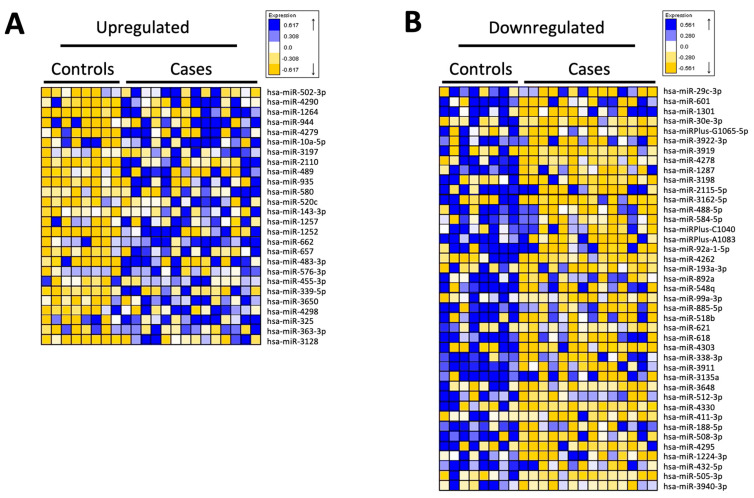
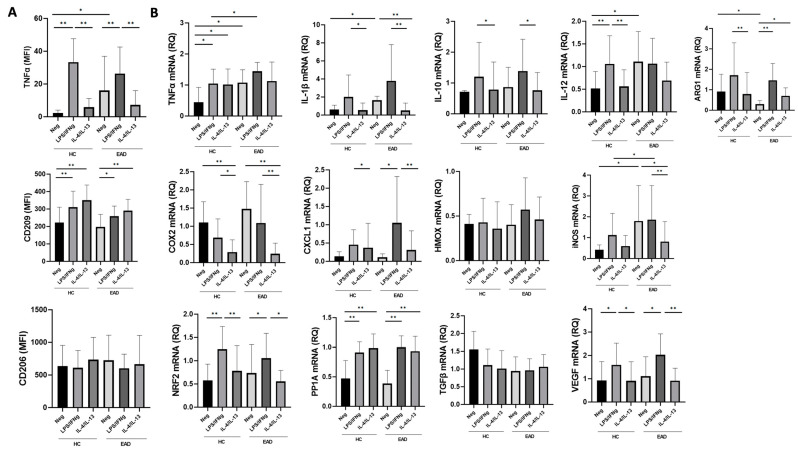
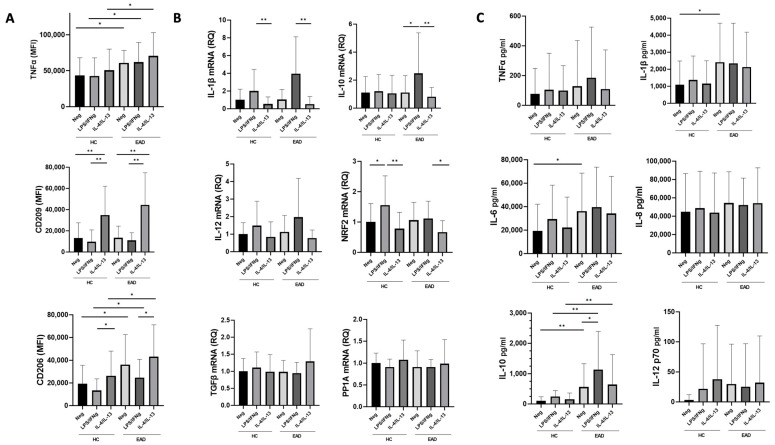
Excessive alcohol consumption impairs the immune system, induces oxidative stress, and triggers the activation of peripheral blood (PB) monocytes, thereby contributing to alcoholic liver disease (ALD). We analyzed the M1/M2 phenotypes of circulating classical monocytes and macrophage-derived monocytes (MDMs) in excessive alcohol drinkers (EADs). PB samples from 20 EADs and 22 healthy controls were collected for isolation of CD14+ monocytes and short-term culture with LPS/IFNγ, IL4/IL13, or without stimulation. These conditions were also used to polarize MDMs into M1, M2, or M0 phenotypes. Cytokine production was assessed in the blood and culture supernatants. M1/M2-related markers were analyzed using mRNA expression and surface marker detection. Additionally, the miRNA profile of CD14+ monocytes was analyzed. PB samples from EADs exhibited increased levels of pro-inflammatory cytokines. Following short-term culture, unstimulated blood samples from EADs showed higher levels of soluble TNF-α and IL-8, whereas monocytes expressed increased levels of surface TNF-α and elevated mRNA expression of pro-inflammatory cytokines and inducible nitric oxide synthase. MDMs from EADs showed higher levels of TNF-α and CD206 surface markers and increased IL-10 production. LPS/IFNγ induced higher mRNA expression of Nrf2 only in the controls. miRNA analysis revealed a distinctive miRNA profile that is potentially associated with liver carcinogenesis and ALD through inflammation and oxidative stress. This study confirms the predominantly pro-inflammatory profile of PB monocytes among EADs and suggests immune exhaustion features in MDMs.
过量饮酒会损害免疫系统,诱导氧化应激,并触发外周血(PB)单核细胞的激活,从而导致酒精性肝病(ALD)。我们分析了过量饮酒者(EAD)循环中的经典单核细胞和巨噬细胞衍生单核细胞(MDM)的M1/M2表型。收集了20名EAD和22名健康对照的PB样本,用于分离CD14+单核细胞,并分别用LPS/IFNγ、IL4/IL13进行短期培养,或不进行刺激。这些条件也用于将MDM极化为M1、M2或M0表型。评估血液和培养上清液中的细胞因子产生情况。使用mRNA表达和表面标志物检测分析M1/M2相关标志物。此外,还分析了CD14+单核细胞的miRNA谱。EAD的PB样本中促炎细胞因子水平升高。短期培养后,EAD未受刺激的血液样本中可溶性TNF-α和IL-8水平较高,而单核细胞表面TNF-α水平升高,促炎细胞因子和诱导型一氧化氮合酶的mRNA表达升高。EAD的MDM显示出较高水平的TNF-α和CD206表面标志物以及IL-10产生增加。LPS/IFNγ仅在对照组中诱导更高的Nrf2 mRNA表达。miRNA分析揭示了一种独特的miRNA谱,其可能通过炎症和氧化应激与肝癌发生和ALD相关。本研究证实了EAD中PB单核细胞主要具有促炎特征,并提示MDM存在免疫耗竭特征。