Li Hao, Zhang Qi
The Basic Medical College, Shaanxi University of Chinese Medicine, Xianyang 712046, China.
Pharmaceuticals (Basel). 2023 Aug 23;16(9):1201. doi: 10.3390/ph16091201.
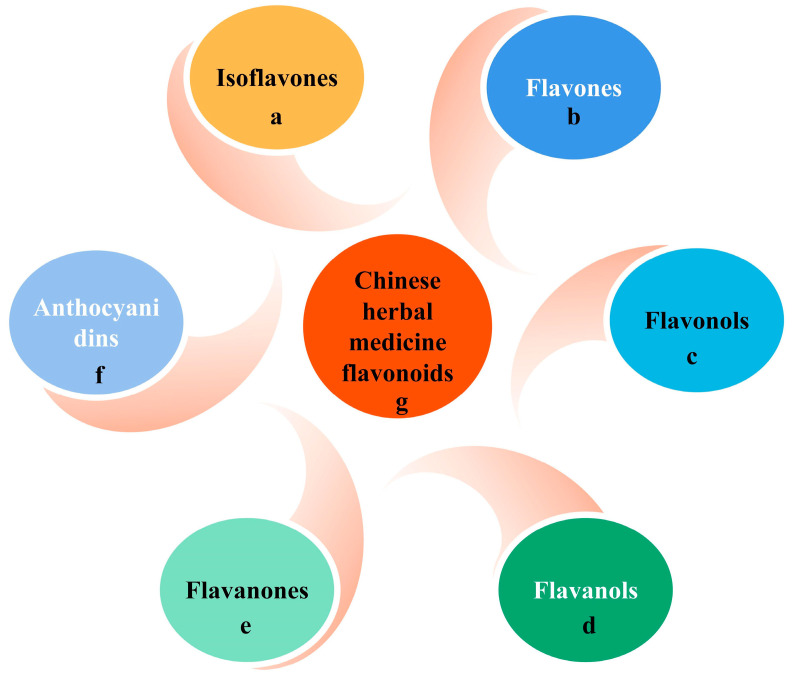
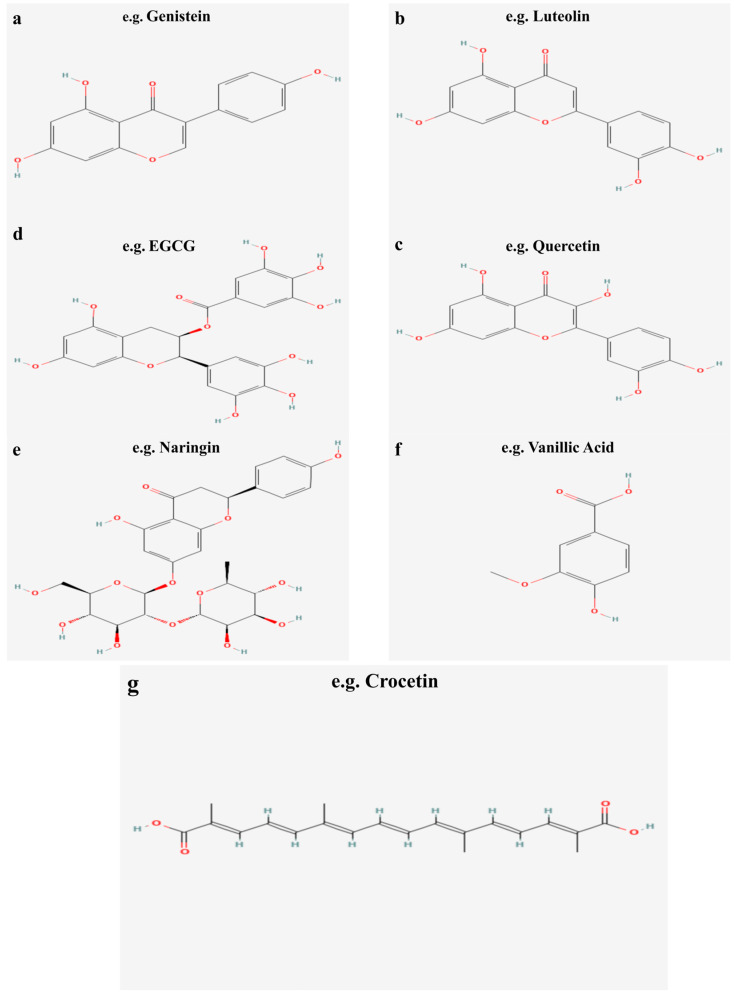
The endothelium, as the guardian of vascular homeostasis, is closely related to the occurrence and development of cardiovascular diseases (CVDs). As an early marker of the development of a series of vascular diseases, endothelial dysfunction is often accompanied by oxidative stress and inflammatory response. Natural flavonoids in fruits, vegetables, and Chinese herbal medicines have been shown to induce and regulate endothelial cells and exert anti-inflammatory, anti-oxidative stress, and anti-aging effects in a large number of in vitro models and in vivo experiments so as to achieve the prevention and improvement of cardiovascular disease. Focusing on endothelial mediation, this paper introduces the signaling pathways involved in the improvement of endothelial dysfunction by common dietary and flavonoids in traditional Chinese medicine and describes them based on their metabolism in the human body and their relationship with the intestinal flora. The aim of this paper is to demonstrate the broad pharmacological activity and target development potential of flavonoids as food supplements and drug components in regulating endothelial function and thus in the prevention and treatment of cardiovascular diseases. This paper also introduces the application of some new nanoparticle carriers in order to improve their bioavailability in the human body and play a broader role in vascular protection.
内皮作为血管稳态的守护者,与心血管疾病(CVDs)的发生发展密切相关。作为一系列血管疾病发展的早期标志物,内皮功能障碍常伴有氧化应激和炎症反应。水果、蔬菜和中草药中的天然黄酮类化合物已被证明在大量体外模型和体内实验中可诱导和调节内皮细胞,并发挥抗炎、抗氧化应激和抗衰老作用,从而实现对心血管疾病的预防和改善。本文聚焦于内皮介导作用,介绍了常见饮食和中药黄酮类化合物改善内皮功能障碍所涉及的信号通路,并根据它们在人体中的代谢及其与肠道菌群的关系进行描述。本文旨在证明黄酮类化合物作为食品补充剂和药物成分在调节内皮功能以及预防和治疗心血管疾病方面具有广泛的药理活性和靶点开发潜力。本文还介绍了一些新型纳米颗粒载体的应用,以提高其在人体中的生物利用度,并在血管保护中发挥更广泛的作用。