Dahmani Widad, Elaouni Nabia, Abousalim Abdelhadi, Akissi Zachée Louis Evariste, Legssyer Abdelkhaleq, Ziyyat Abderrahim, Sahpaz Sevser
Laboratory of Bioresources, Biotechnologies, Ethnopharmacology and Health, Department of Biology, Faculty of Sciences, University Mohammed First, Oujda 60000, Morocco.
Plant Tissue Culture Laboratory, Horticultural and Local Products Unit, Plant Production, Protection and Biotechnology Department, Hassan II Institute of Agronomy and Veterinary Medicine, 6202 Rabat-Instituts, Rabat 10112, Morocco.
Plants (Basel). 2023 Sep 18;12(18):3303. doi: 10.3390/plants12183303.
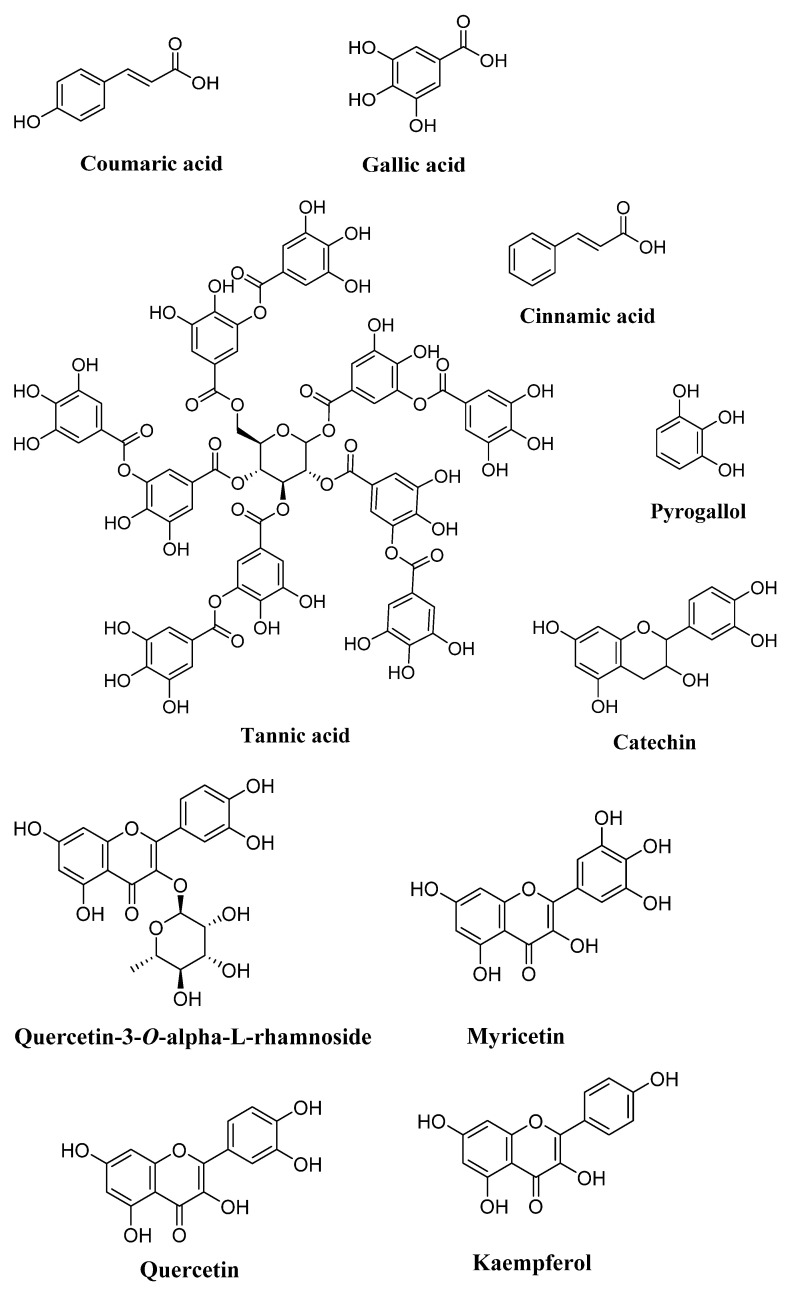
The carob tree ( L.) is currently considered one of the most valuable fruit and forest trees in various fields and sectors of activity. It is a versatile plant, belonging to the Fabaceae family. It is widely used in traditional medicine to treat many diseases such as diabetes, hypertension, and gastrointestinal disorders, given that all its parts (leaves, flowers, pods, seeds, wood, bark, and roots) are useful and hold value in many areas. Its importance has increased significantly in recent years. Originating from the Middle East, it is recognized for its ecological and industrial significance. Previous studies conducted on L. have revealed the presence of several compounds, including polyphenols, flavonoids, carbohydrates, minerals, and proteins. The carob tree demonstrates antihypertensive, antidepressant, anti-obesity, and antihyperglycemic activities. This plant is known for its medicinal and therapeutic virtues. Moreover, it is particularly interesting to consider the pharmacological activities of the major phytochemical compounds present in the different extracts of this plant, such as phenolic acids, for example, coumaric and gallic acids, as well as flavonoids such as kaempferol and quercetin. Therefore, this review aims to analyze some aspects of this plant, especially the taxonomy, cytogeography, traditional uses, phytochemical constituents, and pharmacological activities of L., in addition to its biological properties.
角豆树(L.)目前被认为是各个领域和行业中最有价值的果树和林木之一。它是一种用途广泛的植物,属于豆科。鉴于其所有部分(叶子、花朵、豆荚、种子、木材、树皮和根部)都有用且在许多领域具有价值,它在传统医学中被广泛用于治疗多种疾病,如糖尿病、高血压和胃肠道疾病。近年来,它的重要性显著增加。它原产于中东,以其生态和工业意义而闻名。之前对L.进行的研究已经揭示了几种化合物的存在,包括多酚、黄酮类化合物、碳水化合物、矿物质和蛋白质。角豆树具有抗高血压、抗抑郁、抗肥胖和降血糖活性。这种植物以其药用和治疗功效而闻名。此外,考虑这种植物不同提取物中存在的主要植物化学化合物的药理活性,例如酚酸,如香豆酸和没食子酸,以及黄酮类化合物,如山奈酚和槲皮素,特别有趣。因此,本综述旨在分析这种植物的一些方面,特别是L.的分类学、细胞地理学、传统用途、植物化学成分、药理活性以及其生物学特性。