Department of Pathology, Microbiology, and Immunology, Vanderbilt University Medical Center, Nashville, TN 37232, USA.
Department of Pathology, Microbiology, and Immunology, Vanderbilt University Medical Center, Nashville, TN 37232, USA; Department of Life Sciences, Pohang University of Science and Technology (POSTECH), Pohang 37673, Republic of Korea.
Cell Host Microbe. 2023 Oct 11;31(10):1604-1619.e10. doi: 10.1016/j.chom.2023.09.002. Epub 2023 Oct 3.
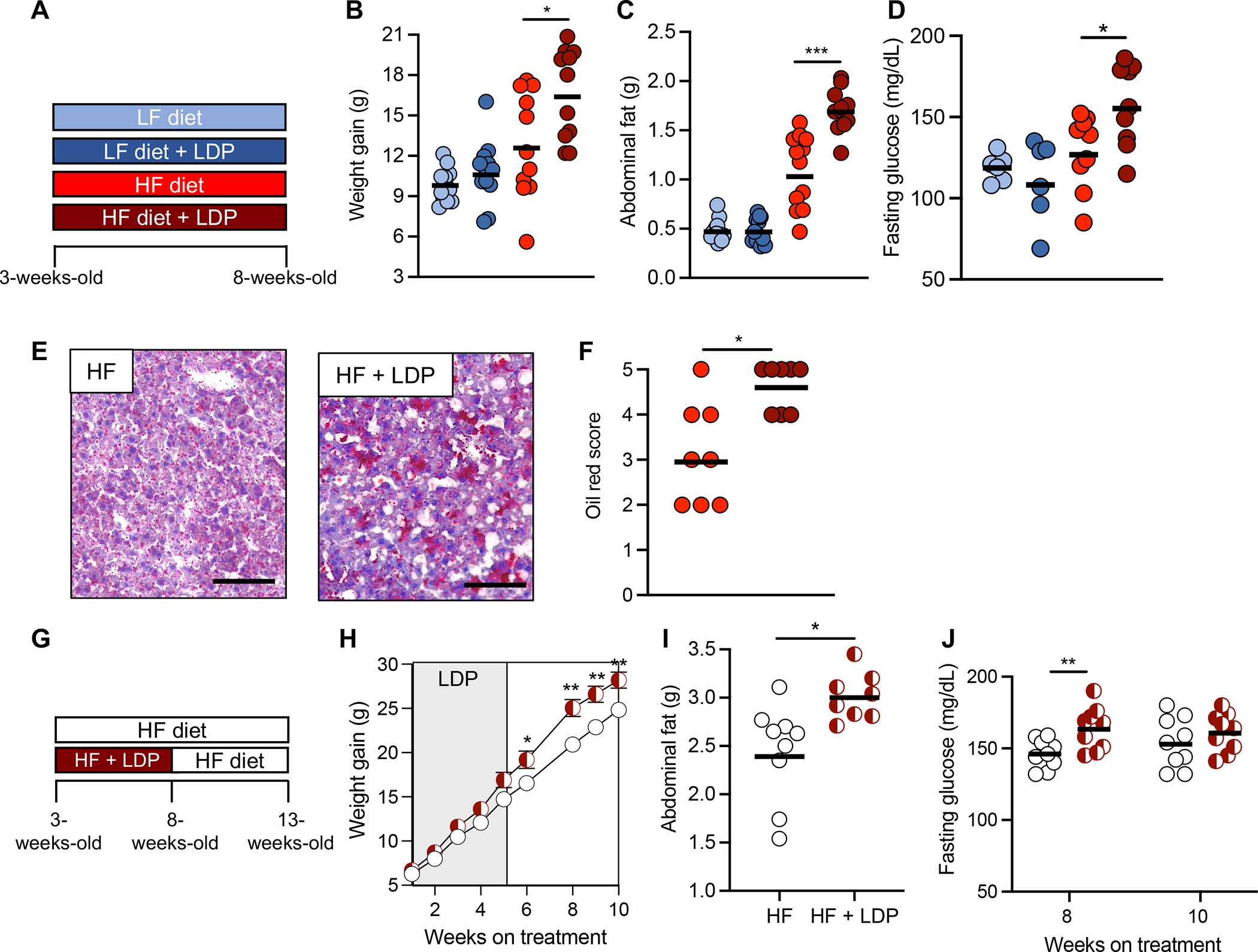
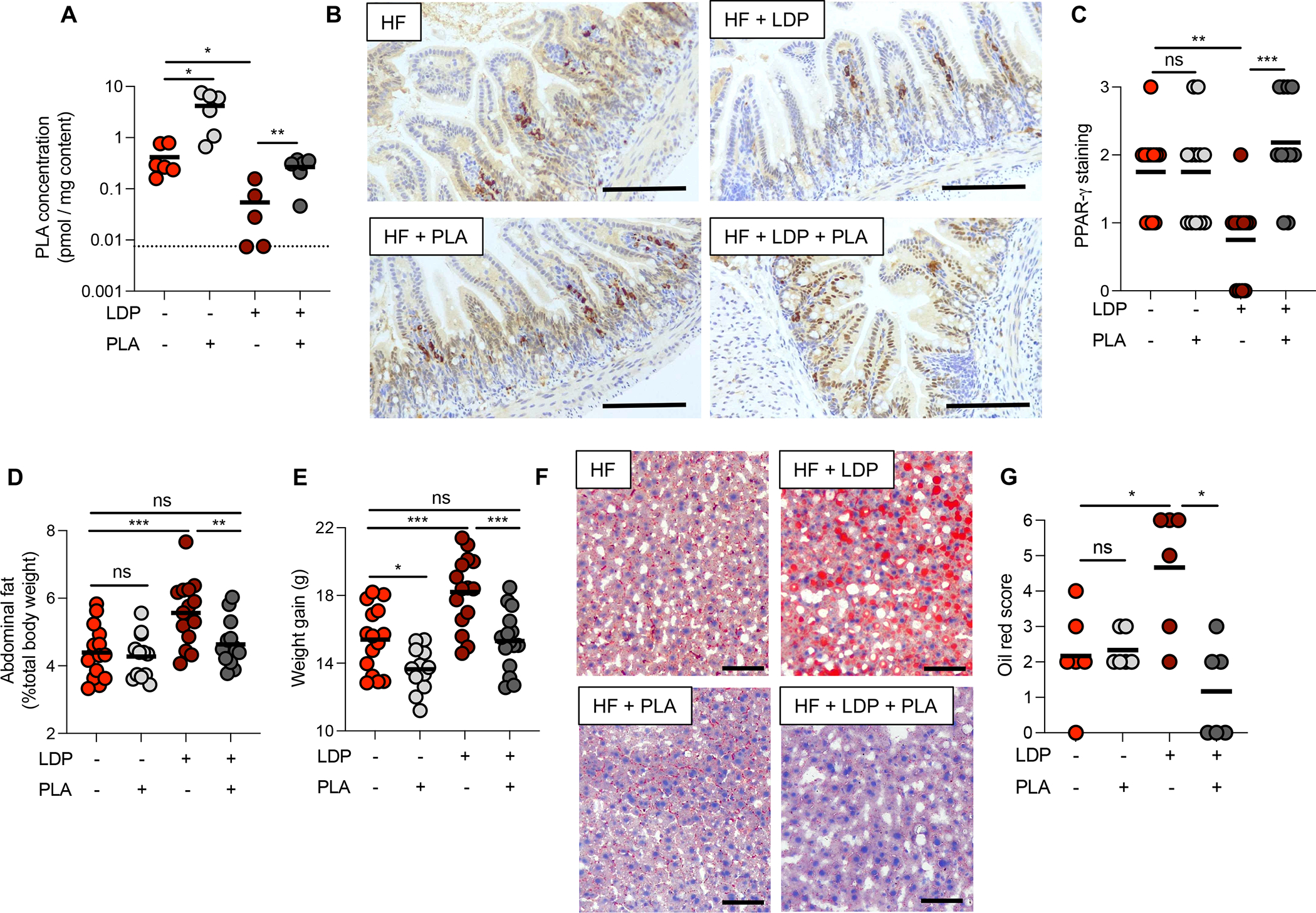
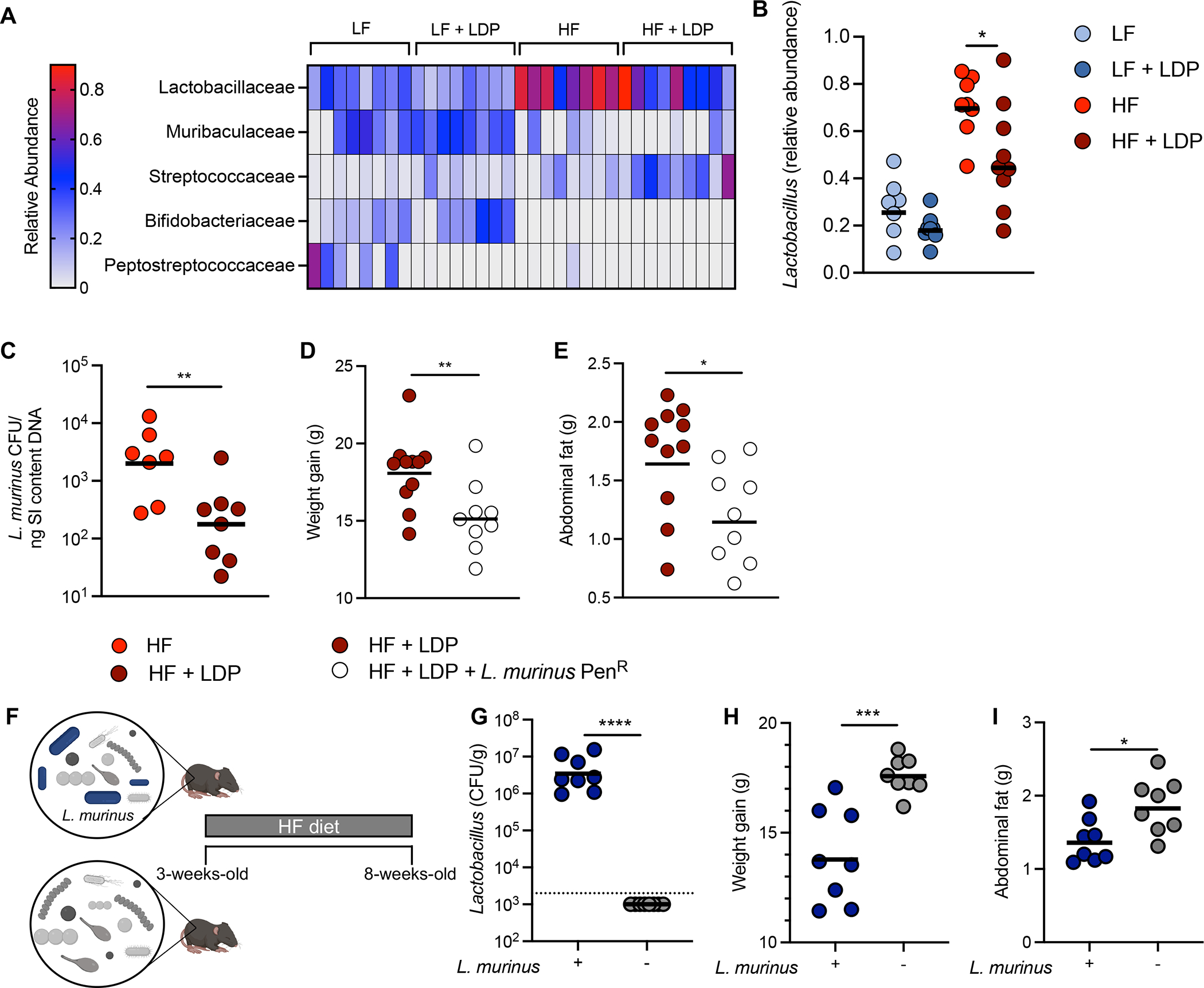
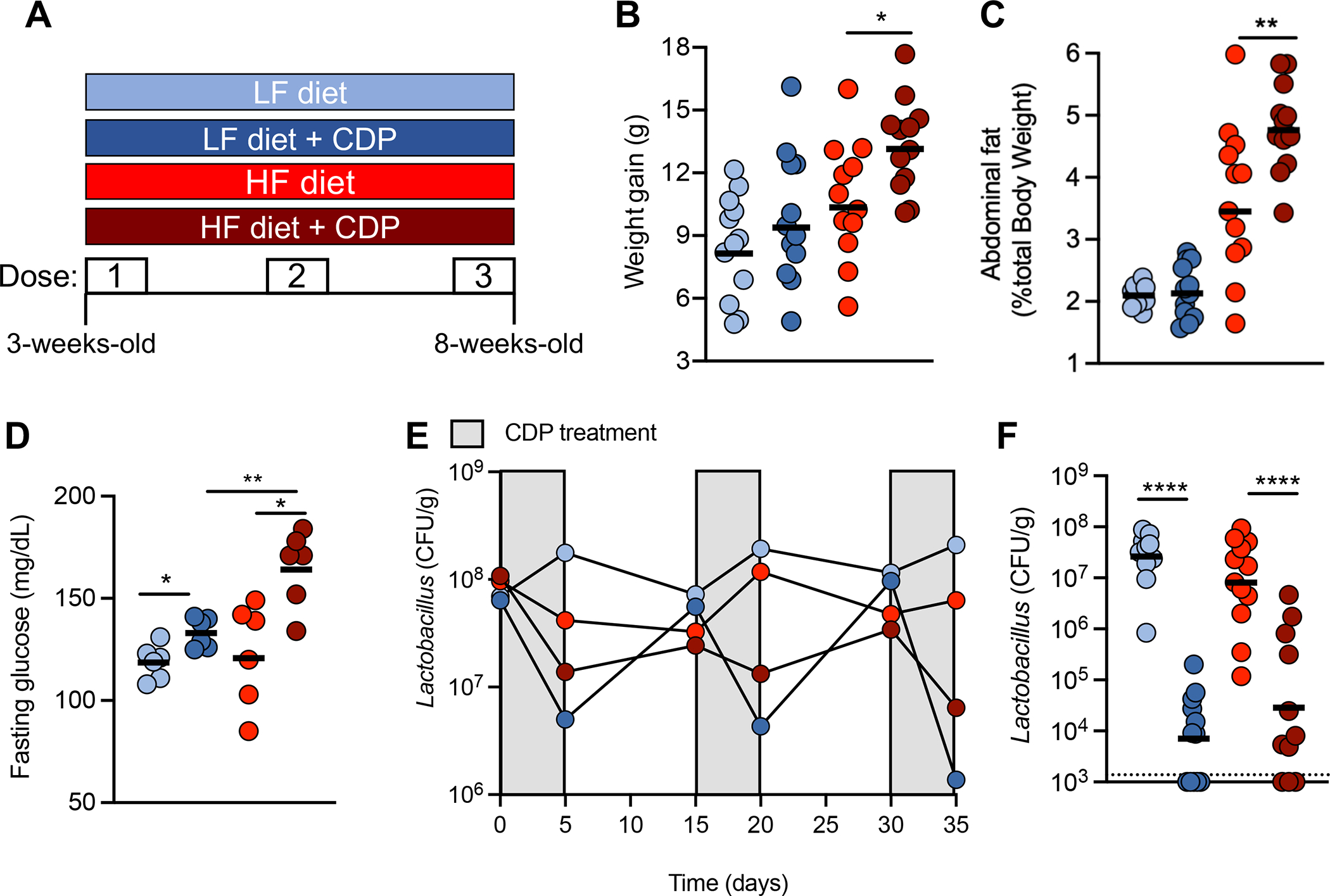
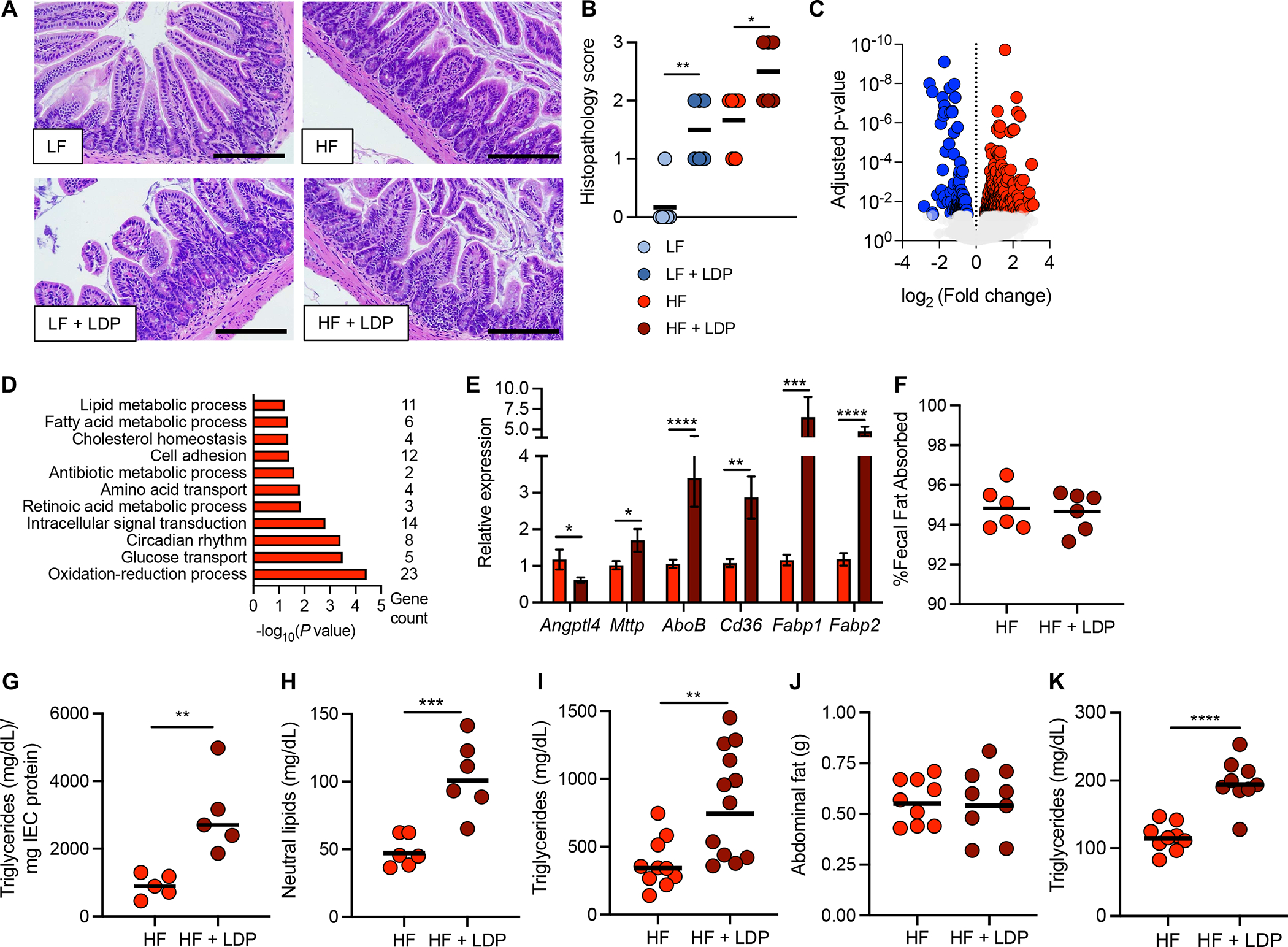
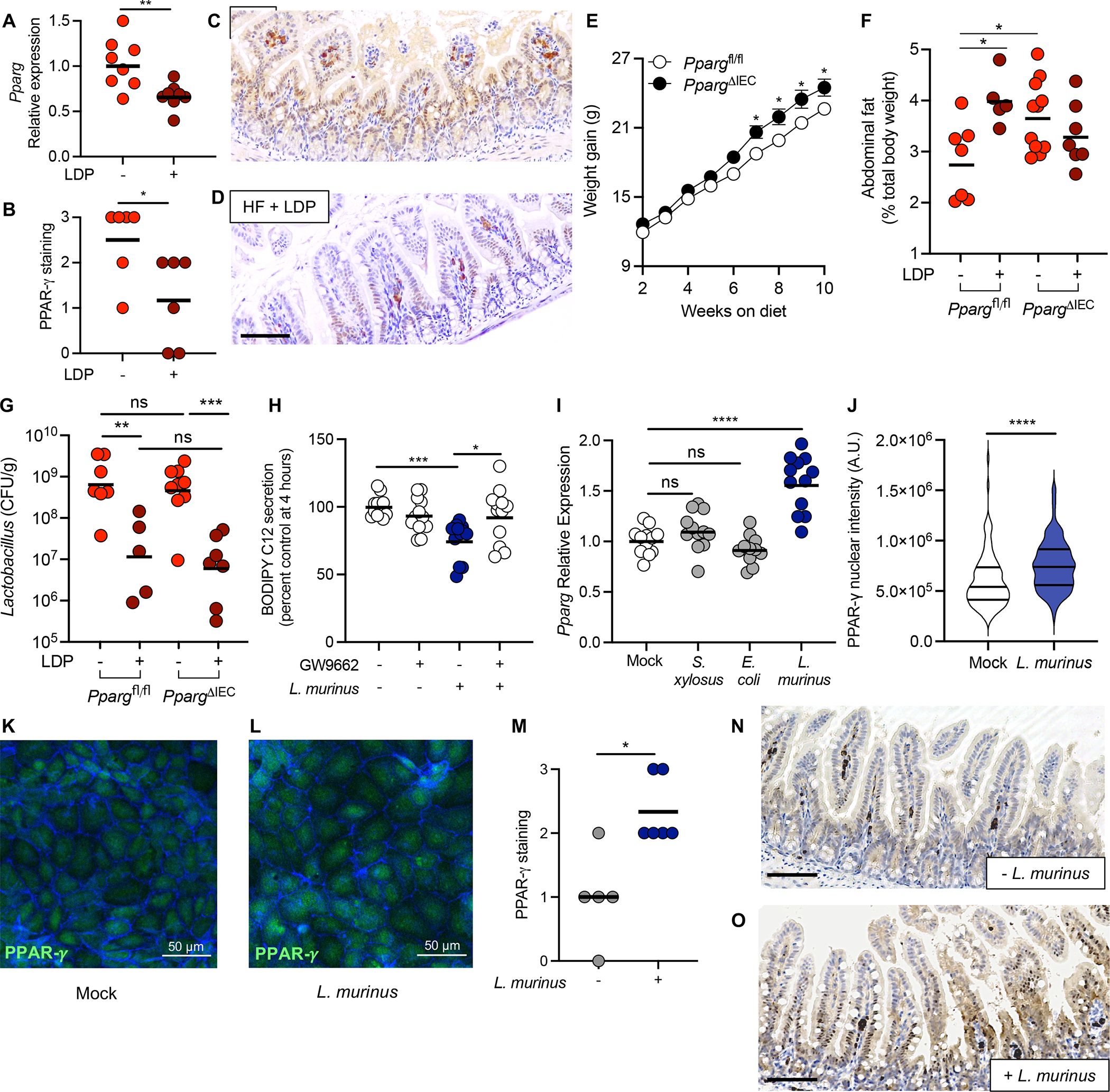
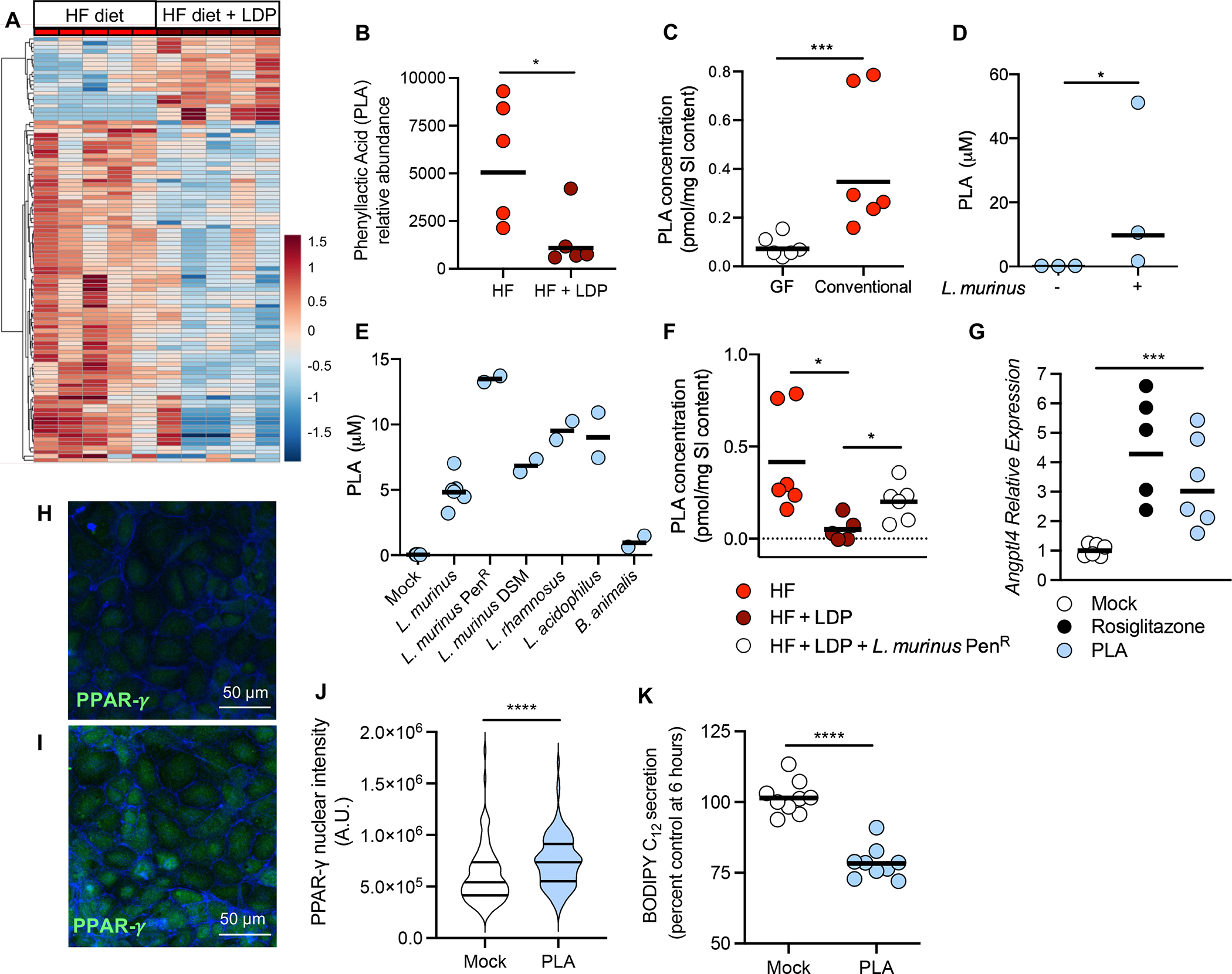
The mechanisms by which the early-life microbiota protects against environmental factors that promote childhood obesity remain largely unknown. Using a mouse model in which young mice are simultaneously exposed to antibiotics and a high-fat (HF) diet, we show that Lactobacillus species, predominant members of the small intestine (SI) microbiota, regulate intestinal epithelial cells (IECs) to limit diet-induced obesity during early life. A Lactobacillus-derived metabolite, phenyllactic acid (PLA), protects against metabolic dysfunction caused by early-life exposure to antibiotics and a HF diet by increasing the abundance of peroxisome proliferator-activated receptor γ (PPAR-γ) in SI IECs. Therefore, PLA is a microbiota-derived metabolite that activates protective pathways in the small intestinal epithelium to regulate intestinal lipid metabolism and prevent antibiotic-associated obesity during early life.
早期微生物群如何防止促进儿童肥胖的环境因素,其机制在很大程度上尚不清楚。本研究使用一种同时使幼鼠暴露于抗生素和高脂肪(HF)饮食的小鼠模型,结果表明,小肠(SI)微生物群的主要成员乳酸菌调节肠道上皮细胞(IEC),以限制生命早期的饮食诱导肥胖。乳酸菌衍生的代谢产物苯乳酸(PLA)通过增加 SI IEC 中过氧化物酶体增殖物激活受体 γ(PPAR-γ)的丰度,来防止因生命早期接触抗生素和 HF 饮食引起的代谢功能障碍。因此,PLA 是一种微生物衍生的代谢产物,可激活小肠上皮中的保护性途径,从而调节肠道脂质代谢,并防止生命早期的抗生素相关肥胖。