Harvard T.H. Chan School of Public Health, USA.
Achutha Menon Centre for Health Science Studies, India.
Ann Glob Health. 2023 Oct 9;89(1):69. doi: 10.5334/aogh.4120. eCollection 2023.
India has adopted several policies toward improving access to healthcare and has been an enthusiastic signatory to several global health policies to achieve Universal Health Coverage (UHC). However, despite these policy commitments, there has been limited success in realizing these goals. The COVID-19 pandemic has highlighted the urgent need for health system re-design and amplified the calls for such reforms.
We seek to understand the views of a diverse group of policy actors in India to address the following research questions: what are the (i) conceptualizations of UHC, (ii) main barriers to realizing UHC, and (iii) policy strategies to address these barriers.
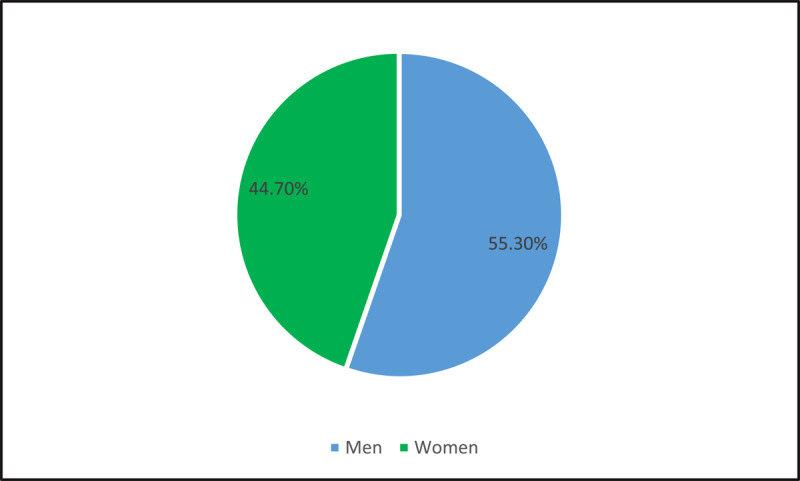
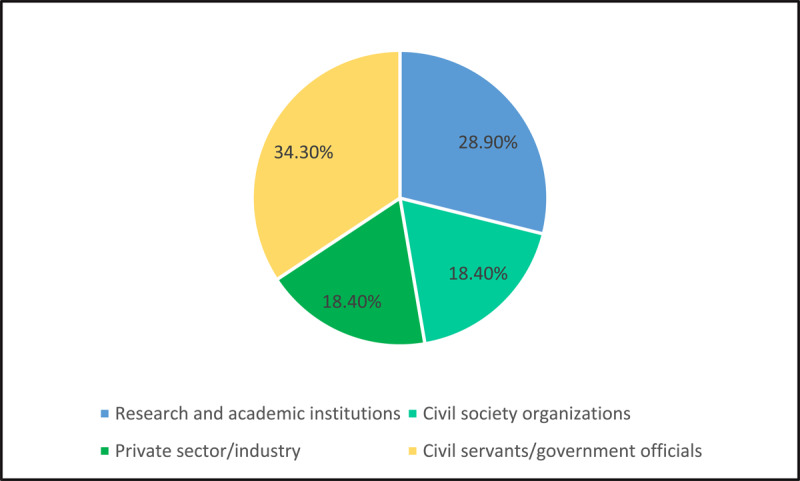
We collected data through in-depth interviews with 38 policy actors from diverse backgrounds and analyzed using the Framework Method to develop themes both inductively and deductively using the Control Knob Framework of health systems.
There was congruence in the conceptualization of UHC by policy actors. Quality of care, equity, financial risk protection, and a comprehensive set of services were the most commonly cited features. The lack of a comprehensive systems approach to health policies, inadequate and inefficient health financing mechanisms, and fragmentation between public and private sectors were identified as the main barriers to UHC. Contrasting views about specific strategies, health financing, provider payments, organization of the delivery system, and regulation emerged as the key policy interventions to address these barriers.
This is the first systematic examination of a diverse set of policy actors' problem analyses and suggestions to advance UHC goals in India. The study underscores the need to recognize the complex and interlinked nature of health system reforms and initiate a departure from path-dependent vertical interventions to bring about transformative change.
印度采取了多项政策来改善医疗保健服务的可及性,并积极签署了多项全球卫生政策,以实现全民健康覆盖(UHC)。然而,尽管有这些政策承诺,但在实现这些目标方面的成功有限。COVID-19 大流行凸显了重新设计卫生系统的紧迫性,并放大了对这些改革的呼吁。
我们旨在了解印度多元化政策制定者的观点,以解决以下研究问题:(i)UHC 的概念化是什么,(ii)实现 UHC 的主要障碍,以及(iii)解决这些障碍的政策策略。
我们通过深入访谈的方式从不同背景的 38 名政策制定者那里收集数据,并使用框架方法进行分析,使用健康系统的控制旋钮框架,通过归纳和演绎的方式来发展主题。
政策制定者对 UHC 的概念化存在一致性。服务质量、公平性、财务风险保护和一整套服务是最常被引用的特征。缺乏全面的卫生政策系统方法、不足和低效的卫生融资机制以及公私部门之间的碎片化被认为是实现 UHC 的主要障碍。关于具体策略、卫生融资、提供者支付、提供系统的组织和监管的不同观点是解决这些障碍的关键政策干预措施。
这是首次系统地检查多元化政策制定者对推进印度 UHC 目标的问题分析和建议。该研究强调需要认识到卫生系统改革的复杂和相互关联的性质,并从依赖路径的垂直干预措施出发,以实现变革性的变化。