Faculty of Sociology, Adam Mickiewicz University, Szamarzewkiego 89C, 60-568, Poznan, Poland.
Laboratory of Health Sociology and Social Pathology, Department of Social Sciences and Humanities, Poznan University of Medical Sciences, Poznan, Poland.
Sci Rep. 2023 Oct 23;13(1):18116. doi: 10.1038/s41598-023-44752-w.
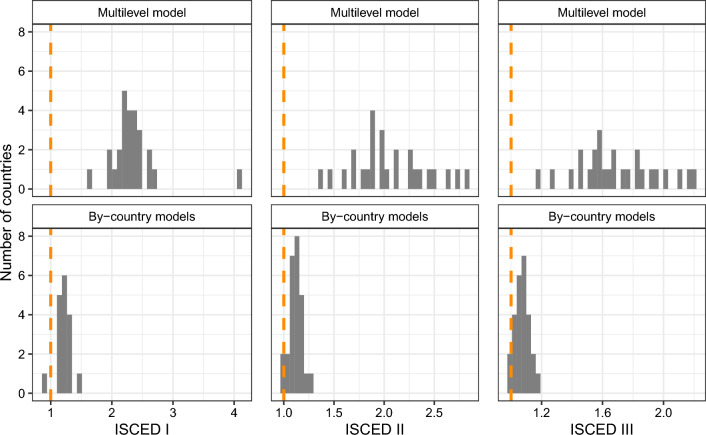
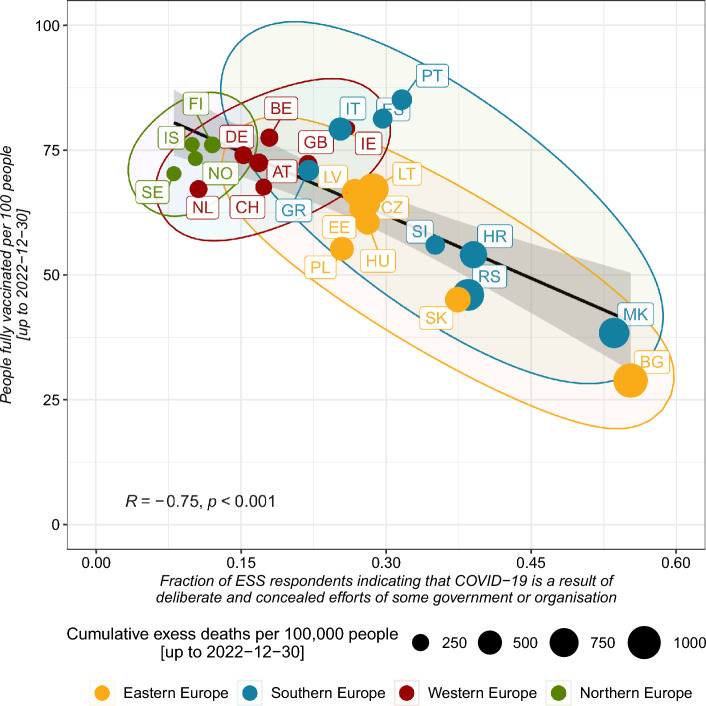
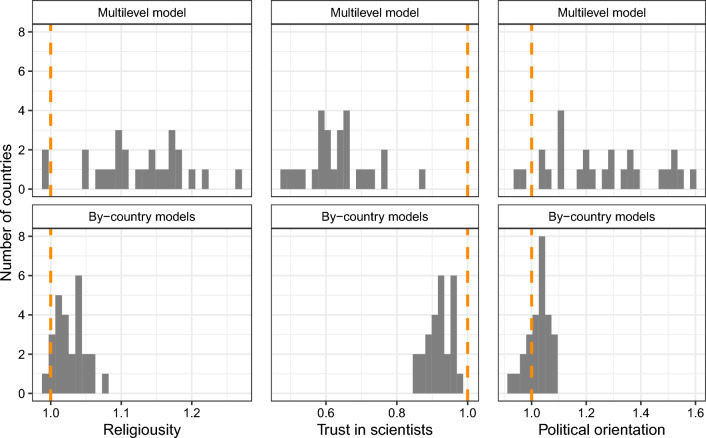
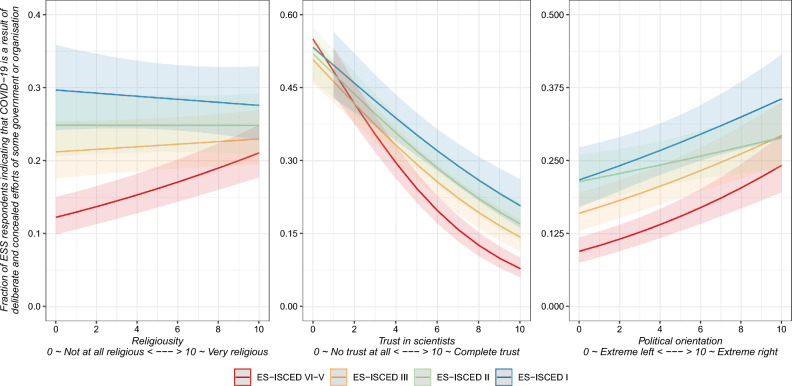
The COVID-19 virus disseminated globally at an accelerated pace, culminating in a worldwide pandemic; it engendered a proliferation of spurious information and a plethora of misinformation and conspiracy theories (CTs). While many factors contributing to the propensity for embracing conspiracy ideation have been delineated, the foremost determinant influencing individuals' proclivity towards CT endorsement appears to be their level of educational attainment. This research aimed to assess the moderating effect of religiosity, trust in scientists, and political orientation on the impact of education level on people's belief in COVID-19-related CTs in Europe by considering both individual-level and country-level contextual covariates of CT. We analysed data from the newest European Social Survey (ESS10) round conducted between September 2020 and September 2022 in 26 countries. We found religiosity weakens, and trust in scientists strengthens the effect of education, while the impact of political orientation is not straightforward. The result also demonstrates a significant negative correlation between the aggregate country-level data of the respondents supporting CTs and the level of vaccination and cumulative excess deaths in Europe. We concluded with a recommendation that planning effective public health strategies and campaigns are insufficient when based solely on people's education, as individuals' beliefs moderate the effect of education.
新冠病毒在全球范围内加速传播,最终导致全球大流行;它催生了大量虚假信息和大量错误信息和阴谋论(CT)。虽然已经描述了许多导致人们倾向于接受阴谋观念的因素,但影响个人接受 CT 倾向的最重要决定因素似乎是他们的受教育程度。这项研究旨在评估宗教信仰、对科学家的信任和政治取向在多大程度上调节了教育水平对欧洲人对新冠病毒相关 CT 的信仰的影响,同时考虑了 CT 的个体层面和国家层面的背景协变量。我们分析了 2020 年 9 月至 2022 年 9 月期间在 26 个国家进行的最新一轮欧洲社会调查(ESS10)的数据。我们发现宗教信仰会削弱,而对科学家的信任则会增强教育的效果,而政治取向的影响则不那么直接。研究结果还表明,欧洲受访者对 CT 的支持的总体国家层面数据与疫苗接种水平和累计超额死亡人数之间存在显著的负相关关系。我们的结论是,仅基于人们的教育水平制定有效的公共卫生战略和运动是不够的,因为个人的信仰会调节教育的效果。